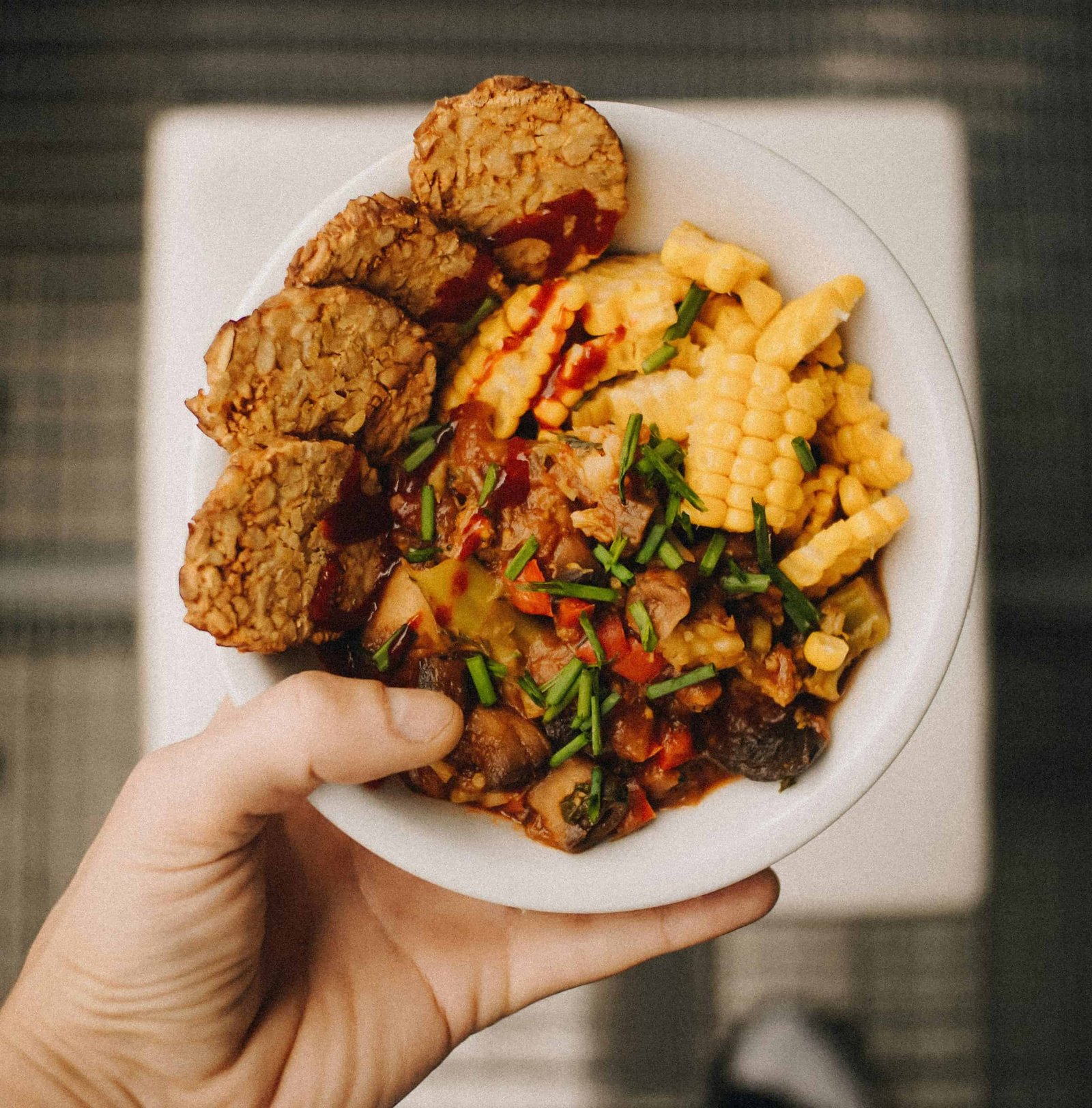
In the world of plant-based eating, vegan fermented foods stand out as nutritional gems. These are foods made from plant sources that undergo a natural fermentation process, where beneficial microorganisms like bacteria and yeast break down sugars and starches, creating tangy flavors and health-boosting compounds. Unlike animal-derived ferments like yogurt or kefir (which can be made vegan with alternatives), these powerhouses include items like kimchi, sauerkraut, tempeh, miso, and kombucha—all free from dairy or other animal products. They’re not just delicious additions to meals; they’re packed with probiotics that support gut health, making them essential for anyone following a vegan lifestyle or simply seeking better digestion and overall wellness.
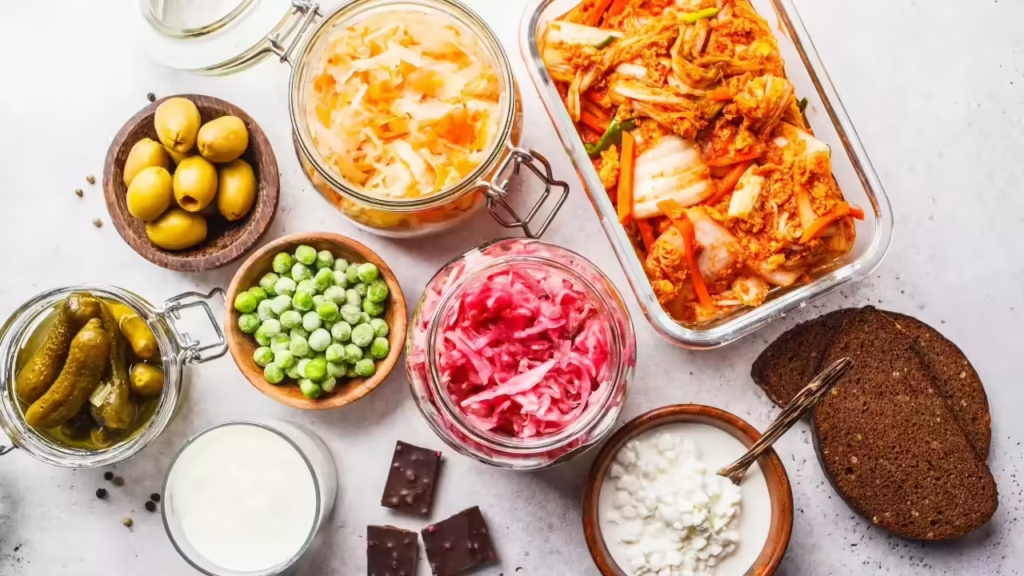
Fermentation enhances the bioavailability of nutrients in plants, turning simple ingredients into probiotic-rich superfoods. As more people adopt vegan diets for health, environmental, or ethical reasons, these foods offer a way to maintain microbial diversity in the gut without relying on supplements. According to research, incorporating fermented foods can increase microbiome diversity and reduce inflammation. Let’s dive into their history, benefits, popular varieties, and how you can make and enjoy them at home.
A Brief History of Vegan Fermented Foods
Fermentation is one of humanity’s oldest food preservation techniques, dating back at least 10,000 years. Early civilizations discovered it accidentally—perhaps when grains or fruits were left in warm, moist environments and transformed by wild yeasts and bacteria. In Asia, fermented soy products like miso and tempeh originated in China and Indonesia around 2,000 BCE, where soybeans were fermented with molds and salts to create umami-rich pastes and cakes. Kimchi, a staple in Korean cuisine, has roots in the Three Kingdoms period (around 37 BCE), initially made from radishes and evolving to include cabbage and spices.
In Europe, sauerkraut—fermented cabbage—emerged in ancient Rome and became popular in Germany for its long shelf life during harsh winters. Across cultures, these plant-based ferments were valued not just for preservation but for their tangy tastes and perceived health benefits, even if the science of probiotics wasn’t understood until the 20th century. Russian scientist Elie Metchnikoff, in the early 1900s, linked fermented foods to longevity after studying Bulgarian peasants who consumed large amounts of fermented vegetables.
Today, vegan fermented foods are experiencing a renaissance, driven by the plant-based movement and growing awareness of gut health. They’re a bridge between ancient traditions and modern nutrition, offering sustainable, eco-friendly options that align with vegan principles.
Health Benefits: Why Probiotics Matter in a Plant-Based Diet
The star of vegan fermented foods is their probiotic content—live beneficial bacteria that populate your gut microbiome. A healthy gut is crucial for digestion, immunity, and even mental health, as it influences everything from nutrient absorption to mood regulation via the gut-brain axis.
Studies show that diets rich in fermented foods can enhance microbial diversity in the gut, which is linked to better immune responses and lower inflammation. For vegans, who might miss out on probiotics from dairy sources, plant-based options like these are vital. Benefits include:
- Improved Digestion: Probiotics help break down fibers and reduce bloating. Fermented veggies like sauerkraut increase nutrient bioavailability, making vitamins like C and K more accessible.
- Boosted Immunity: The good bacteria crowd out pathogens and produce antimicrobial compounds, potentially reducing the risk of infections.
- Reduced Inflammation and Disease Risk: Regular consumption may lower markers of inflammation, aiding in preventing conditions like type 2 diabetes and heart disease.
- Mental Health Support: Emerging research suggests probiotics from ferments can alleviate anxiety and depression by modulating gut bacteria.
- Nutrient Boost: Fermentation creates B vitamins (including B12, rare in plants) and antioxidants, supporting energy and bone health.
A Stanford study found that eating fermented foods for 10 weeks increased gut diversity and decreased inflammatory proteins. For vegans, this is especially relevant, as plant-based diets are fiber-rich but can sometimes lack diverse microbes without intentional inclusion of ferments.
Popular Vegan Fermented Foods to Try
Here are some standout vegan fermented foods, each with unique flavors and uses. They’re versatile for meals on ForknFood’s vegan recipe page.
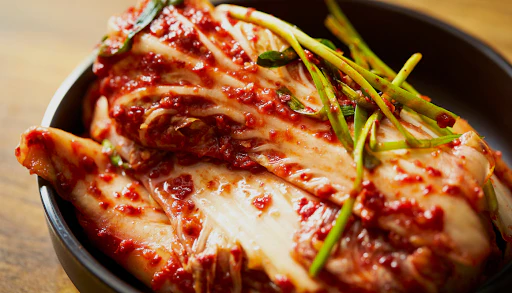
- Kimchi: This spicy Korean ferment is made from cabbage, radishes, garlic, ginger, and chili. It’s probiotic-packed and adds heat to stir-fries or bowls. Health perk: High in vitamins A and C for immune support.
- Sauerkraut: Simple fermented cabbage with salt, originating in Europe. It’s tangy and great on sandwiches or as a side. Benefits: Improves lactose digestion (though vegan) and gut motility.
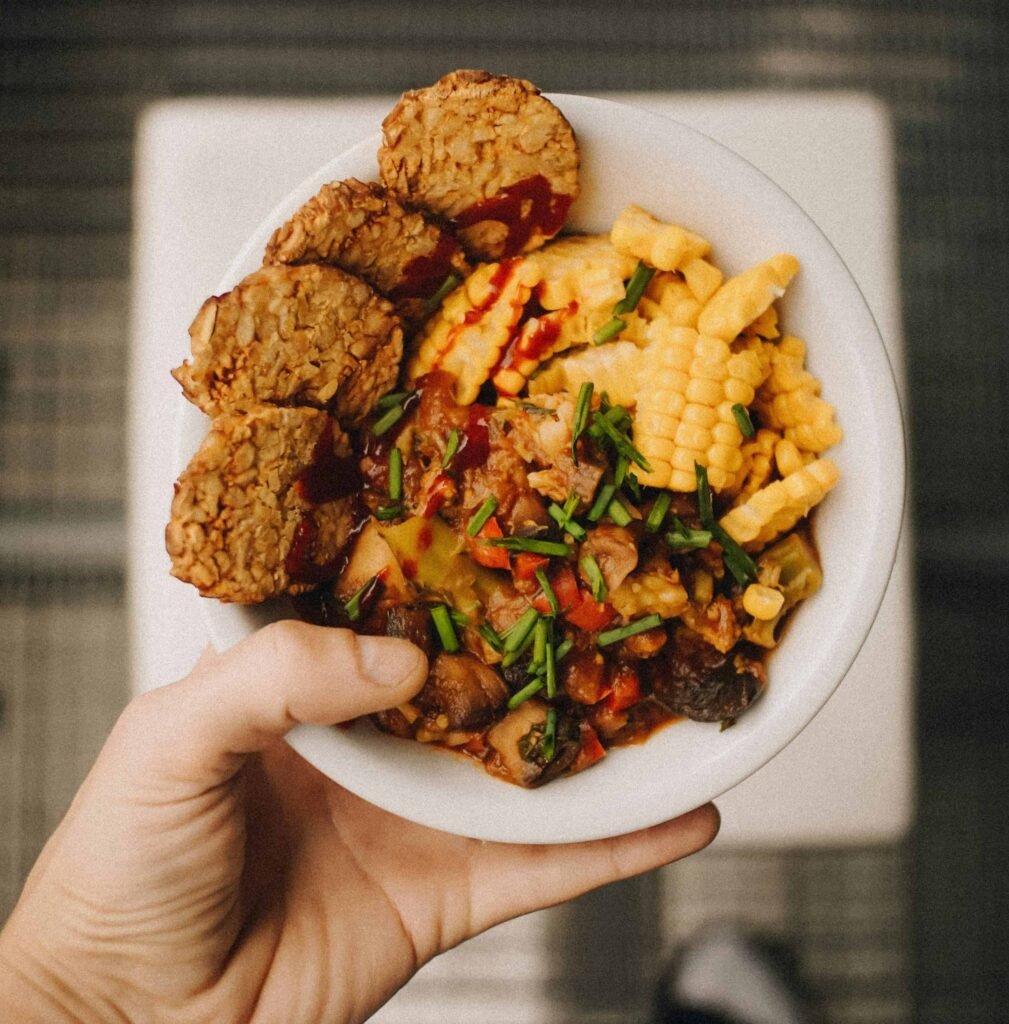
- Tempeh: Indonesian fermented soybeans pressed into a cake. Nutty and protein-rich (about 19g per 100g), it’s ideal for grilling or crumbling into tacos. It provides complete protein and aids in cholesterol reduction.
- Miso: Japanese fermented soybean paste (use barley-free for gluten-free). Umami bomb for soups, dressings, or marinades. Rich in antioxidants and supports heart health.
- Kombucha: Fermented tea with sugar, yielding a fizzy drink. Flavors range from ginger to berry. It may help with detoxification and energy, thanks to B vitamins.
Other options include fermented pickles, natto (sticky soybeans), and even sourdough bread (if naturally leavened). For more ideas, check Healthline’s guide to fermented foods.For more ideas visit our internal link https://forknfood.com/ for food recipies.
How to Make Vegan Fermented Foods at Home
Making these at home is easy, cost-effective, and customizable. Start with clean equipment to avoid bad bacteria. Here’s a simple recipe for homemade sauerkraut, adapted from traditional methods.
Ingredients (for 1 quart jar):
- 1 medium cabbage (about 2 lbs), finely shredded
- 1-2 tbsp sea salt
- Optional: Caraway seeds or juniper berries for flavor
Steps:
- In a large bowl, massage cabbage with salt until it releases liquid (about 5-10 minutes). This creates brine.
- Pack tightly into a clean glass jar, pressing down to submerge in brine. Leave 1-2 inches headspace.
- Cover with a cloth or lid (not airtight) and let ferment at room temperature (65-75°F) for 3-10 days. Taste daily; bubbles indicate fermentation.
- Once tangy, refrigerate. It lasts months.
For kimchi, add garlic, ginger, chili flakes, and radish to the mix. Tempeh requires a starter culture (available online) and soybeans; incubate at 85-90°F for 24-48 hours.
Safety tip: If it smells off or molds, discard. For beginners, explore Harvard Health’s fermentation basics.
Incorporating Them into Your Vegan Diet
Add these to daily meals for maximum benefits. Start small to avoid digestive upset—1-2 servings a day. Ideas:
- Top salads with sauerkraut for crunch.
- Use miso in vegan soups.
- Grill tempeh for a meaty alternative in stir-fries.
- Sip kombucha as a soda swap.
- Mix kimchi into rice bowls.
For recipes, try our tempeh stir-fry or explore external sites like EatingWell’s fermented ideas.
Conclusion
Vegan fermented foods are more than a trend—they’re ancient allies for modern health. By embracing these plant-based probiotic powerhouses, you can enhance your gut microbiome, boost immunity, and enjoy bold flavors. Whether buying store-bought or fermenting at home, they’re a simple way to elevate your vegan journey. For more on plant-based nutrition, visit ForknFood’s health section. Start small, experiment, and let your gut thank you!
Vegan fermented foods are incredible allies for gut health, offering live probiotics from plant-based sources. To round out this guide on forknfood.com, here are some frequently asked questions (FAQs) and popular product recommendations. These address common curiosities for beginners and seasoned vegans alike, plus standout store-bought options to try.
FAQs: Vegan Fermented Foods
1. Are all fermented foods vegan?
Most plant-based fermented foods like sauerkraut, kimchi (vegan versions), tempeh, miso, and kombucha are naturally vegan. However, traditional kimchi sometimes includes fish sauce or shrimp paste, so always check labels for vegan-certified options. Some kombuchas use honey, but many brands avoid it entirely.
2. Do vegan fermented foods contain enough probiotics to make a difference?
Yes! Raw, unpasteurized versions deliver live beneficial bacteria (like Lactobacillus strains) that support gut diversity. Studies show they can improve digestion, immunity, and reduce inflammation. Start with small amounts (1-2 tablespoons daily) to let your gut adjust, as initial bloating or gas is common.
3. What’s the difference between fermented and pickled foods?
Fermented foods use live microbes (bacteria/yeast) for natural acidification, creating probiotics. Vinegar-pickled foods (like many store-bought pickles) are quick-pickled without live cultures, so they lack probiotics. Look for “raw,” “live,” or “unpasteurized” labels for true probiotic benefits.
4. Can I eat fermented foods if I’m new to them or have digestive issues?
Introduce them gradually. Overdoing it can cause temporary gas or discomfort as your microbiome shifts. They’re generally safe and beneficial, but consult a doctor if you have conditions like SIBO or are immunocompromised. Cooking kills probiotics, so enjoy them raw for maximum benefits.
5. How long do homemade or store-bought vegan ferments last?
In the fridge, they can last months (sauerkraut/kimchi often 6+ months). Signs they’re off include foul smells (beyond tangy), excessive mold, or sliminess—discard if in doubt. Freezing preserves flavor but may reduce some probiotic viability.
6. Are there vegan alternatives to dairy ferments like yogurt or kefir?
Absolutely—coconut, almond, or soy-based yogurts with live cultures, plus water kefir or coconut kefir. These provide similar probiotic perks without animal products.
7. Do fermented foods help with weight loss or specific health goals?
They support gut health, which indirectly aids digestion, nutrient absorption, and inflammation reduction—factors linked to better weight management. They’re low-calorie, fiber-rich options that promote satiety.
For more on safe home fermentation, see Harvard Health’s guide.
Popular Vegan Fermented Food Products to Try
While homemade is rewarding (try our sauerkraut recipe above!), quality store-bought options make it easy. Look for raw, unpasteurized, and vegan-labeled products. Here are some highly regarded ones based on current trends and availability:
- Kimchi: Mother-in-Law’s House Reserve Kimchi (vegan version)—crunchy, vibrant, and probiotic-rich. Great for spicy lovers; add to bowls or tacos.
- Sauerkraut: Olive My Pickle or Wise Goat Organics raw fermented varieties (e.g., “Supergreen” with added veggies)—organic, probiotic-packed, and perfect as a side or topping.
- Tempeh: Lightlife Smoky Bacon Tempeh—marinate and grill for a protein boost (19g+ per serving). Ideal for vegan BLTs or stir-fries.
- Kombucha: GT’s Synergy Organic Kombucha—widely available in flavors like Gingerade or Enlightened lines. Fizzy, low-sugar options with live cultures for a refreshing probiotic drink.
- Miso: Look for unpasteurized, vegan brands like South River Miso or Hikari Miso—use in soups, dressings, or marinades for umami and antioxidants.
- Other Standouts: Forager Project or cocojune cultured coconut yogurts (fermented with live cultures), or Agua de Madre fermented fruit infusions for a vitamin C-packed twist.
These align with 2025-2026 trends toward gut-friendly, plant-based innovations. Check local stores or online for availability in Karachi or international shipping. For recipes incorporating these, head to our vegan recipes section.
Vegan fermented foods continue to gain popularity for their gut-boosting probiotics and bold flavors. Building on the earlier recommendations, here are some other related top products to explore in 2025–2026. These include standout brands across categories like kimchi, sauerkraut, tempeh, kombucha, miso, and emerging options. Many are raw, unpasteurized, and vegan-friendly for maximum live cultures.
Focus on refrigerated, “live” or “raw” labels to ensure probiotic benefits. Availability varies—check local stores in Karachi (like specialty health shops, supermarkets with import sections, or online via platforms delivering international goods), or look for similar local artisanal ferments.
More Top Vegan Kimchi Options
Beyond classics, try these highly rated vegan kimchis for authentic spice and crunch:
- Cleveland Kitchen Classic Kimchi — Praised for intense garlic flavor, solid heat, and vegan formulation. Great for bowls or as a side—bold and probiotic-rich.
- Lucky Foods Original Vegan Seoul Kimchi — Often ranked among the best store-bought for its authentic taste without fish sauce. Low-sodium, unpasteurized, and perfect over rice.
- Bibigo Vegan Kimchi — Widely available (even in some international sections), affordable, and balanced—mild funk with good crunch.
- Wise Goat Organics Vegan Kimchi — Organic, handcrafted with fresh veggies and Korean red pepper for an authentic kick.
Additional Sauerkraut Standouts
For tangy, probiotic-packed cabbage ferments:
- Cleveland Kraut (various flavors like Roasted Garlic or Classic Caraway) — Tops many rankings for extra crunch, balanced saltiness, and fresh snap—ideal as a topping.
- Olive My Pickle Raw Sauerkraut — Artisanal, unpasteurized varieties (e.g., Supergreen with added veggies) for gut health focus.
- Wise Goat Organics (Purple Cabbage or Golden varieties) — Organic, probiotic-rich, and colorful options beyond plain green.
- Wildbrine or Real Pickles — Organic, raw ferments with clean ingredients and strong probiotic profiles.
More Tempeh Recommendations
High-protein fermented soy cakes—nutty and versatile:
- Tootie’s Tempeh — Often called the best-tasting due to plastic-free fermentation—soft, non-bitter, and sustainable.
- Lightlife Organic (Original or Three Grain) — Reliable, widely available organic option with added grains for extra nutrition—great for grilling or crumbling.
- Trader Joe’s Organic 3 Grain Tempeh — Affordable, fibrous, and packed with plant protein—perfect for beginners.
Expanded Kombucha Picks
Fizzy, low-sugar probiotic drinks:
- Health-Ade Kombucha — Frequently ranked #1 for bold flavors, perfect fizz, and high probiotic content—try Ginger-Lemon or seasonal varieties.
- Brew Dr. — Clean, organic, and balanced (e.g., Superberry)—less vinegary, great for everyday sipping.
- KeVita Master Brew — Crisp, certified organic, and vegan—strong on clean taste with added benefits.
- Humm or Remedy — Low/zero-sugar options if watching intake, still live cultures and refreshing.
Other Miso Highlights
Umami-rich pastes (unpasteurized for probiotics):
- Miso Master (Mellow White or Chickpea) — Organic, gluten-free (chickpea version), and traditionally fermented—versatile for soups or dressings.
- South River Miso — Artisanal, wood-fired, organic varieties (e.g., Hearty Brown Rice)—handcrafted for deep flavor and live cultures.
- Hikari Miso Organic — Japan’s top organic brand—triple-certified, non-GMO, and excellent quality for authentic taste.
Bonus: Emerging or Related Ferments
- Plant-based yogurts/kefirs like Forager Project or cocojune (cultured coconut/almond)—probiotic alternatives to dairy.
- Water kefir or fermented sodas—light, bubbly vegan options for variety.
For Karachi-specific finds, explore local spots offering imported health foods or try Pakistani-style fermented pickles/achar (often naturally probiotic). International delivery from sites like iHerb or Amazon can help source these.
Incorporate these into your meals for ongoing gut support—pair with our recipes on ForknFood’s vegan section. Experiment and enjoy the probiotic power!
To expand your guide on vegan fermented foods for forknfood.com, here are more related top products beyond the previous recommendations. These draw from current 2025–2026 trends emphasizing gut-friendly, plant-based innovations like raw/unpasteurized options, high-protein ferments, and emerging functional drinks. Many focus on live probiotics, organic ingredients, and bold flavors.
I’ve prioritized vegan-certified or naturally plant-based items that align with probiotic benefits. For Karachi availability, check specialty health stores (e.g., those stocking imports via supermarkets like Imtiaz or online platforms), local artisanal makers, or international delivery services. Traditional Pakistani achar (fermented pickles) often provides similar probiotic perks—look for homemade or small-batch versions without preservatives.
More Top Vegan Sauerkraut & Pickled Veggie Options
These crunchy, tangy ferments are staples for gut diversity:
- Farmhouse Culture (e.g., Classic or Garlic Dill varieties) — Organic, raw, and highly rated for crisp texture and strong probiotic content. Great as a side or salad topper.
- Wildbrine (e.g., Sauerkraut with herbs or kimchi-style blends) — Artisanal, unpasteurized, and probiotic-packed; often praised in 2026 guides for clean ingredients.
- Real Pickles — Organic fermented veggies (including sauerkraut and mixed pickles) with a focus on traditional methods and live cultures.
Additional Kimchi Favorites
Spicy, vibrant, and immune-boosting:
- Cleveland Kitchen (various flavors like Garlic or Spicy) — Frequently tops 2025–2026 lists for bold taste, crunch, and vegan formulation without fish sauce.
- Lucky Foods Seoul Kimchi (vegan edition) — Authentic Korean-style, low-sodium, and unpasteurized—ideal for adding heat to meals.
- Kimchi Rainbow (local Karachi option) — 100% vegan, no fish sauce or shrimp paste, rich in probiotics, and popular since 2019 for fusion with desi or Western dishes.
Emerging Tempeh & Fermented Protein Picks
High-protein, nutty ferments for meals:
- Barry’s Tempeh or similar artisanal brands — Soft, non-bitter, and sustainable—perfect for grilling or stir-fries.
- Quorn Mycoprotein products (select vegan lines) — Biomass-fermented fungi-based “meat” alternatives gaining traction in 2026 for texture, fiber, and low carbon footprint (check labels for pure vegan options).
More Kombucha & Fermented Drinks
Refreshing, fizzy probiotic beverages:
- Bear’s Fruit or Better Booch — Organic, low-sugar craft kombuchas with unique fruit/herb flavors—standouts in 2026 organic rankings.
- Koe — Fruity, less vinegary, and affordable with added vitamin C and green tea extract—vegan, gluten-free, and easy-drinking.
- Agua de Madre Remedio Infusions (e.g., new Blackcurrant-Ginger or Turmeric-Ginger) — Fermented whole-fruit pastes for hot elixirs; packed with vitamin C and antioxidants.
Plant-Based Yogurt & Kefir Alternatives
Cultured for creamy probiotic boosts:
- Nush Protein Yogurt (e.g., Vanilla Fudge or other flavors) — Almond/fava bean-based, fermented with live vegan cultures, high-protein, and a 2026 Veganuary highlight.
- M&S Coconut Kefir (or similar plant-based launches) — Creamy, dairy-free fermented drink trending in 2026 for gut health.
- Forager Project or cocojune (cultured coconut/almond) — Organic, live-culture options for smoothies or eating straight.
Bonus: Functional & Local Twists
- Bio & Me Overnight Oats (gut-focused with prebiotics) — Not fully fermented but pairs well with ferments for microbiome support.
- Local Pakistani Achar/Fermented Pickles — Many homemade or market versions (e.g., carrot, mango, or mixed veggie achar) are naturally fermented and probiotic-rich—recent studies highlight their benefits for gut microbiota in Pakistan.
These products support the rising 2026 focus on fermentation for wellness, from precision techniques to everyday gut boosters. Start with small servings to build tolerance, and pair them with recipes from our vegan section for delicious integration.
Explore these to diversify your probiotic routine—your gut microbiome will love the variety!



Leave a Reply