Mexican cuisine is a vibrant fusion of indigenous Mesoamerican ingredients and European influences, dating back thousands of years. Staples like corn, beans, chili peppers, tomatoes, and avocados formed the foundation of pre-Hispanic diets, while the Spanish conquest in the 16th century introduced livestock, dairy, rice, and wheat, enriching the culinary landscape. In 2010, traditional Mexican cuisine was recognized by UNESCO as an Intangible Cultural Heritage of Humanity, highlighting its role in community, culture, and sustainability. This honor specifically celebrates the Michoacán paradigm, where ancient cooking techniques like nixtamalization (treating corn with lime) persist alongside diverse regional variations. From the coastal seafood of Veracruz to the mole sauces of Puebla, Mexico’s 32 states each offer unique twists, making it a paradise for food lovers. Whether enjoyed on bustling street corners or in family homes, these dishes embody history, celebration, and flavor. In this article, we’ll explore must-try traditional dishes, perfect for your next culinary adventure. For more on global flavors, check out our guide to international cuisines on ForknFood.com.
Starters and Snacks: The Perfect Beginnings
No exploration of Mexican food is complete without starting with appetizers that tantalize the palate. These snacks, often sold by street vendors, showcase fresh ingredients and bold spices.

Guacamole
Guacamole, a creamy dip made from mashed avocados, is one of Mexico’s most iconic starters. Its origins trace back to the Aztecs, who called it “ahuacamolli,” meaning “avocado sauce.” Traditional recipes include ripe avocados blended with tomatoes, onions, cilantro, lime juice, and chili peppers like serrano or jalapeño for a kick. Salt enhances the natural creaminess, creating a versatile dish served with tortilla chips, on tacos, or as a side. In regions like Michoacán, the world’s avocado capital, guacamole is often prepared tableside in a molcajete (stone mortar). Nutritionally rich in healthy fats, it’s not just delicious but healthful. Variations might add pomegranate seeds or mango for sweetness during holidays. For an authentic taste, try making it at home with our easy guacamole recipe. Externally, learn more about its history on Wikipedia’s guacamole page.
Elote and Esquites
Elote, or Mexican street corn, is grilled corn on the cob slathered in mayonnaise, cotija cheese, chili powder, lime, and cilantro. This snack dates to pre-Columbian times when corn was sacred to the Maya and Aztecs. Vendors char the corn over open flames, creating a smoky flavor that pairs perfectly with the tangy toppings. Esquites, its off-the-cob version, mixes corn kernels with the same ingredients in a cup, often enhanced with epazote herb or butter. Popular at festivals, it’s a staple in central Mexico. The dish symbolizes corn’s cultural importance, as Mexico is the birthplace of maize. For a twist, visit Mexico in My Kitchen for regional recipes.
Ceviche
Though often associated with Peru, Mexican ceviche is a coastal delight, especially in states like Sinaloa and Baja California. Fresh raw fish or shrimp is “cooked” in lime juice, mixed with tomatoes, onions, cilantro, and chilies. Its history links to pre-Hispanic preservation methods using citrus, evolving with Spanish influences. Acapulco-style includes carrots and olives, while Yucatán versions use habanero for heat. High in protein and low in calories, it’s a refreshing starter. Pair it with tostadas for crunch. Check our https://forknfood.com/ seafood section for similar ideas.
Main Courses: Hearty and Flavorful Staples
The heart of Mexican meals lies in its mains, where complex sauces and slow-cooking techniques shine.
Tacos
Tacos are arguably Mexico’s most famous export, consisting of soft corn tortillas filled with meats, vegetables, or seafood, topped with salsa, onions, and cilantro. Originating from indigenous corn flatbreads, tacos evolved post-conquest with fillings like carnitas (braised pork) or al pastor (spit-grilled pork influenced by Lebanese shawarma). In Tijuana, birria tacos (stewed goat or beef) dipped in consomé have gained global fame. Each region boasts varieties: Oaxaca’s tlayudas are oversized, while northern Mexico favors flour tortillas. A single taco can tell a story of migration and adaptation. For homemade versions, try our taco recipes.
Enchiladas
Enchiladas date back to Mayan times, where corn tortillas were rolled around fillings and covered in chili sauce. The name comes from “enchilar,” meaning “to season with chili.” Classic versions feature chicken or cheese inside, bathed in red or green sauce, then baked with cheese. Puebla claims enchiladas suizas (Swiss-style with cream), reflecting European dairy influences. They’re often garnished with lettuce, radishes, and crema. This dish symbolizes the blend of indigenous and colonial cuisines. Explore more on Taqueria La Luz’s guide.
Tamales
Tamales are steamed masa (corn dough) pockets filled with meats, cheeses, or fruits, wrapped in corn husks or banana leaves. Dating to 8000 BC, they were portable food for Aztec warriors. Oaxacan tamales use banana leaves for a distinct aroma, while northern ones might include olives. Sweet varieties with raisins appear during holidays like Día de los Muertos. Making tamales is a communal “tamalada” event, fostering family bonds. They’re labor-intensive but rewarding. See our tamale tutorial.
Mole Poblano
Mole, a thick sauce with up to 100 ingredients including chilies, nuts, spices, and sometimes chocolate, is Puebla’s pride. Legend says nuns invented it in the 17th century to impress a viceroy. Mole poblano, with its bittersweet profile, tops chicken or enchiladas. Oaxaca boasts seven moles, from negro (black) to verde (green). Preparation can take days, grinding ingredients in a metate. It’s served at celebrations like weddings. For history, visit Cultural Foodies.
Pozole
Pozole is a hearty hominy stew with pork or chicken, flavored with chilies. Pre-Hispanic versions used human meat in rituals, but post-conquest shifted to pork. Red (with guajillo chilies), green (tomatillo-based), or white varieties exist. Garnished with radishes, lettuce, oregano, and lime, it’s a fiesta staple, especially on Independence Day. Jalisco’s version is spicier. Rich in symbolism, it represents abundance.
Birria
Birria, a spicy goat or beef stew from Jalisco, is slow-cooked with adobo spices. Traditionally for special occasions, it’s now popular in tacos or quesabirria (cheese-crusted). The consomé broth is sipped alongside. Its name derives from “berria,” meaning “exquisite.” Tijuana’s quesabirria variation has gone viral globally.
Cochinita Pibil
From Yucatán, cochinita pibil is achiote-marinated pork slow-roasted in a pit (pib). Mayan origins involve banana leaves for tenderness. Served in tacos with pickled onions, it’s tangy and earthy. The dish highlights indigenous techniques preserved today.
Chiles en Nogada
This patriotic dish from Puebla features poblano chilies stuffed with picadillo (meat, fruits, nuts), topped with walnut sauce and pomegranate seeds, mimicking Mexico’s flag colors. Created in 1821 for independence celebrations, it’s seasonal in late summer. Symbolizes national pride.
Desserts: Sweet Endings to Remember
Mexican sweets blend indigenous fruits with European baking.
Churros
Fried dough sticks dusted with cinnamon sugar, churros arrived via Spain but became Mexican street fare. Often filled with cajeta (goat’s milk caramel), they’re dipped in chocolate. Popular at fairs.
Flan
Creamy caramel custard, flan has Roman roots but Mexican twists include coconut or coffee flavors. Baked in a bain-marie, it’s inverted to reveal glossy caramel. A colonial legacy.
Tres Leches Cake
Sponge cake soaked in three milks (evaporated, condensed, heavy cream), topped with whipped cream. Likely Nicaraguan-Mexican origins in the 19th century, promoted by milk companies. Light yet indulgent.
Capirotada
Lenten bread pudding with piloncillo syrup, cheese, nuts, and fruits. Symbolizes Christ’s passion with religious metaphors.
Arroz con Leche
Rice pudding with milk, cinnamon, and raisins. Spanish influence, but Mexican with vanilla or lime zest. Comfort food for all ages.
Conclusion: Dive into Mexican Flavors
These traditional dishes offer a gateway to Mexico’s rich heritage. Whether recreating them at home or traveling to taste authentic versions, they promise unforgettable experiences. For more recipes, explore ForknFood.com’s Mexican collection. Buen provecho!
Traditional Mexican Dishes You Must Try
Mexican cuisine is a vibrant fusion of indigenous Mesoamerican ingredients and European influences, dating back thousands of years. Staples like corn, beans, chili peppers, tomatoes, and avocados formed the foundation of pre-Hispanic diets, while the Spanish conquest in the 16th century introduced livestock, dairy, rice, and wheat, enriching the culinary landscape. In 2010, traditional Mexican cuisine was recognized by UNESCO as an Intangible Cultural Heritage of Humanity, highlighting its role in community, culture, and sustainability. This honor specifically celebrates the Michoacán paradigm, where ancient cooking techniques like nixtamalization (treating corn with lime) persist alongside diverse regional variations. From the coastal seafood of Veracruz to the mole sauces of Puebla, Mexico’s 32 states each offer unique twists, making it a paradise for food lovers. Whether enjoyed on bustling street corners or in family homes, these dishes embody history, celebration, and flavor. In this article, we’ll explore must-try traditional dishes, perfect for your next culinary adventure. For more on global flavors, check out our guide to international cuisines on ForknFood.com.
Starters and Snacks: The Perfect Beginnings
No exploration of Mexican food is complete without starting with appetizers that tantalize the palate. These snacks, often sold by street vendors, showcase fresh ingredients and bold spices.
Guacamole
Guacamole, a creamy dip made from mashed avocados, is one of Mexico’s most iconic starters. Its origins trace back to the Aztecs, who called it “ahuacamolli,” meaning “avocado sauce.” Traditional recipes include ripe avocados blended with tomatoes, onions, cilantro, lime juice, and chili peppers like serrano or jalapeño for a kick. Salt enhances the natural creaminess, creating a versatile dish served with tortilla chips, on tacos, or as a side. In regions like Michoacán, the world’s avocado capital, guacamole is often prepared tableside in a molcajete (stone mortar). Nutritionally rich in healthy fats, it’s not just delicious but healthful. Variations might add pomegranate seeds or mango for sweetness during holidays. For an authentic taste, try making it at home with our easy guacamole recipe. Externally, learn more about its history on Wikipedia’s guacamole page.
Elote and Esquites
Elote, or Mexican street corn, is grilled corn on the cob slathered in mayonnaise, cotija cheese, chili powder, lime, and cilantro. This snack dates to pre-Columbian times when corn was sacred to the Maya and Aztecs. Vendors char the corn over open flames, creating a smoky flavor that pairs perfectly with the tangy toppings. Esquites, its off-the-cob version, mixes corn kernels with the same ingredients in a cup, often enhanced with epazote herb or butter. Popular at festivals, it’s a staple in central Mexico. The dish symbolizes corn’s cultural importance, as Mexico is the birthplace of maize. For a twist, visit Mexico in My Kitchen for regional recipes.
Ceviche
Though often associated with Peru, Mexican ceviche is a coastal delight, especially in states like Sinaloa and Baja California. Fresh raw fish or shrimp is “cooked” in lime juice, mixed with tomatoes, onions, cilantro, and chilies. Its history links to pre-Hispanic preservation methods using citrus, evolving with Spanish influences. Acapulco-style includes carrots and olives, while Yucatán versions use habanero for heat. High in protein and low in calories, it’s a refreshing starter. Pair it with tostadas for crunch. Check our seafood section for similar ideas.
Main Courses: Hearty and Flavorful Staples
The heart of Mexican meals lies in its mains, where complex sauces and slow-cooking techniques shine.
Tacos
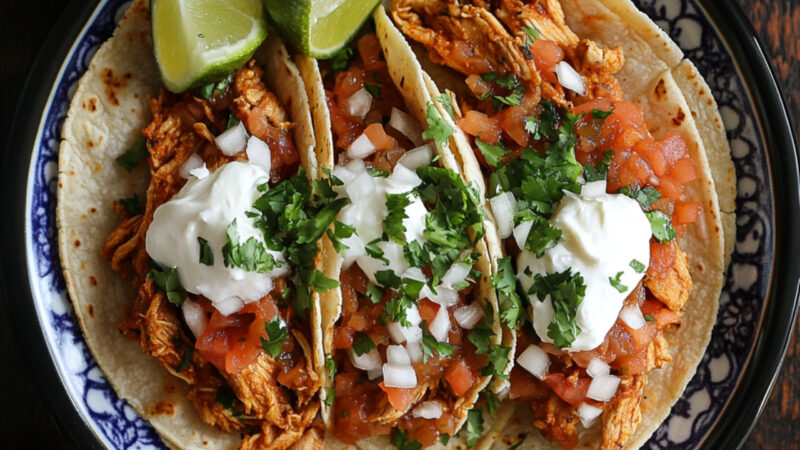
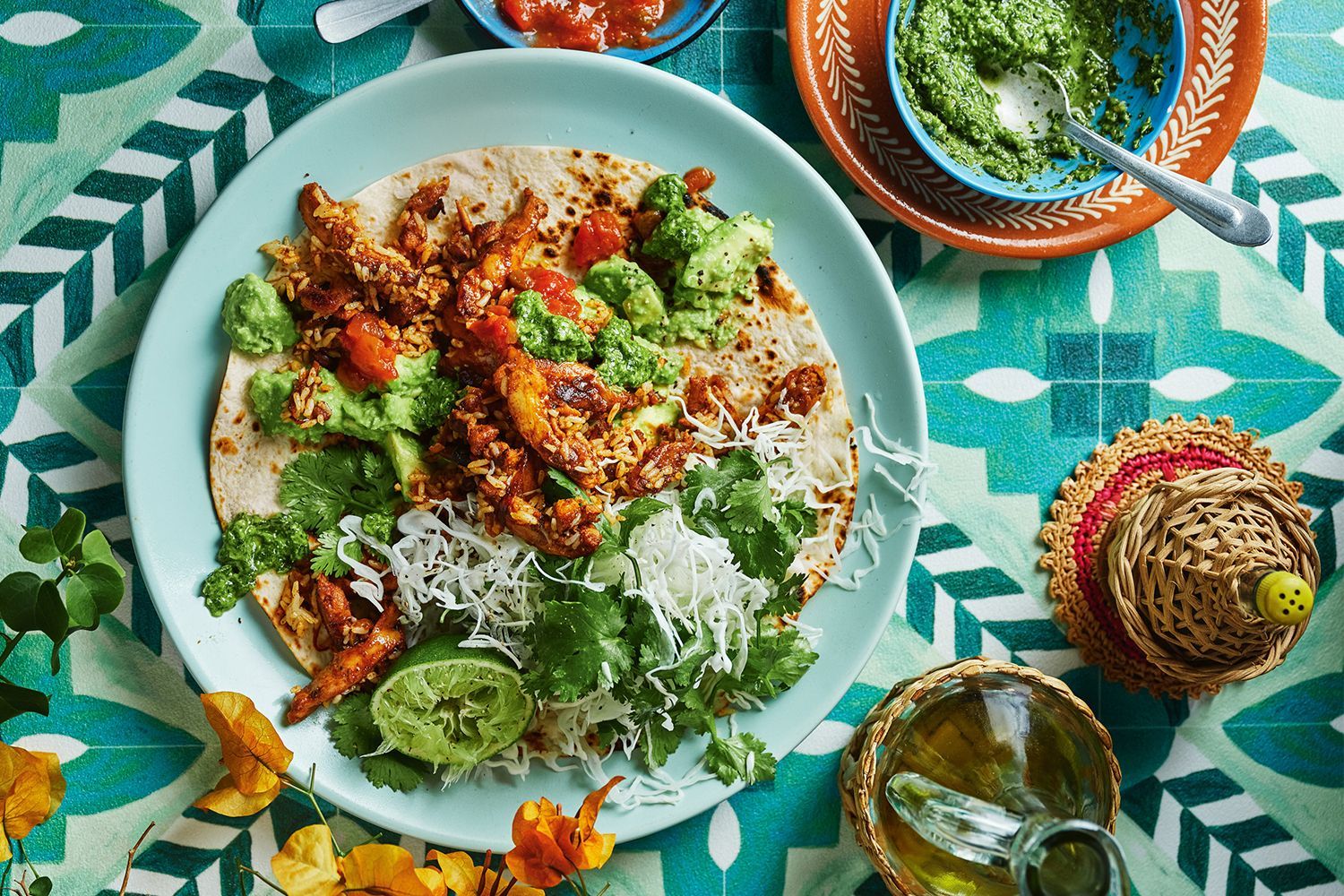
Tacos are arguably Mexico’s most famous export, consisting of soft corn tortillas filled with meats, vegetables, or seafood, topped with salsa, onions, and cilantro. Originating from indigenous corn flatbreads, tacos evolved post-conquest with fillings like carnitas (braised pork) or al pastor (spit-grilled pork influenced by Lebanese shawarma). In Tijuana, birria tacos (stewed goat or beef) dipped in consomé have gained global fame. Each region boasts varieties: Oaxaca’s tlayudas are oversized, while northern Mexico favors flour tortillas. A single taco can tell a story of migration and adaptation. For homemade versions, try our taco recipes.
Enchiladas
Enchiladas date back to Mayan times, where corn tortillas were rolled around fillings and covered in chili sauce. The name comes from “enchilar,” meaning “to season with chili.” Classic versions feature chicken or cheese inside, bathed in red or green sauce, then baked with cheese. Puebla claims enchiladas suizas (Swiss-style with cream), reflecting European dairy influences. They’re often garnished with lettuce, radishes, and crema. This dish symbolizes the blend of indigenous and colonial cuisines. Explore more on Taqueria La Luz’s guide.
Tamales
Tamales are steamed masa (corn dough) pockets filled with meats, cheeses, or fruits, wrapped in corn husks or banana leaves. Dating to 8000 BC, they were portable food for Aztec warriors. Oaxacan tamales use banana leaves for a distinct aroma, while northern ones might include olives. Sweet varieties with raisins appear during holidays like Día de los Muertos. Making tamales is a communal “tamalada” event, fostering family bonds. They’re labor-intensive but rewarding. See our tamale tutorial.
Mole Poblano
Mole, a thick sauce with up to 100 ingredients including chilies, nuts, spices, and sometimes chocolate, is Puebla’s pride. Legend says nuns invented it in the 17th century to impress a viceroy. Mole poblano, with its bittersweet profile, tops chicken or enchiladas. Oaxaca boasts seven moles, from negro (black) to verde (green). Preparation can take days, grinding ingredients in a metate. It’s served at celebrations like weddings. For history, visit Cultural Foodies.
Pozole
Pozole is a hearty hominy stew with pork or chicken, flavored with chilies. Pre-Hispanic versions used human meat in rituals, but post-conquest shifted to pork. Red (with guajillo chilies), green (tomatillo-based), or white varieties exist. Garnished with radishes, lettuce, oregano, and lime, it’s a fiesta staple, especially on Independence Day. Jalisco’s version is spicier. Rich in symbolism, it represents abundance.
Birria
Birria, a spicy goat or beef stew from Jalisco, is slow-cooked with adobo spices. Traditionally for special occasions, it’s now popular in tacos or quesabirria (cheese-crusted). The consomé broth is sipped alongside. Its name derives from “berria,” meaning “exquisite.” Tijuana’s quesabirria variation has gone viral globally.
Cochinita Pibil
From Yucatán, cochinita pibil is achiote-marinated pork slow-roasted in a pit (pib). Mayan origins involve banana leaves for tenderness. Served in tacos with pickled onions, it’s tangy and earthy. The dish highlights indigenous techniques preserved today.
Chiles en Nogada
This patriotic dish from Puebla features poblano chilies stuffed with picadillo (meat, fruits, nuts), topped with walnut sauce and pomegranate seeds, mimicking Mexico’s flag colors. Created in 1821 for independence celebrations, it’s seasonal in late summer. Symbolizes national pride.
Desserts: Sweet Endings to Remember
Mexican sweets blend indigenous fruits with European baking.
Churros
Fried dough sticks dusted with cinnamon sugar, churros arrived via Spain but became Mexican street fare. Often filled with cajeta (goat’s milk caramel), they’re dipped in chocolate. Popular at fairs.
Flan
Creamy caramel custard, flan has Roman roots but Mexican twists include coconut or coffee flavors. Baked in a bain-marie, it’s inverted to reveal glossy caramel. A colonial legacy.
Tres Leches Cake
Sponge cake soaked in three milks (evaporated, condensed, heavy cream), topped with whipped cream. Likely Nicaraguan-Mexican origins in the 19th century, promoted by milk companies. Light yet indulgent.
Capirotada
Lenten bread pudding with piloncillo syrup, cheese, nuts, and fruits. Symbolizes Christ’s passion with religious metaphors.
Arroz con Leche
Rice pudding with milk, cinnamon, and raisins. Spanish influence, but Mexican with vanilla or lime zest. Comfort food for all ages.
Frequently Asked Questions (FAQs) About Traditional Mexican Dishes
Here are answers to some of the most common questions about authentic Mexican cuisine:
1. Is all Mexican food spicy?
No! While chiles are central, many dishes use them for flavor depth rather than heat. Mild options like white pozole or simple quesadillas exist, and heat levels vary by region and personal preference.
2. What’s the difference between tacos, enchiladas, and quesadillas?
Tacos are folded tortillas with fillings; enchiladas are rolled, sauce-covered, and baked; quesadillas are folded and grilled with cheese as the star (often with minimal other fillings).
3. Is Mexican food unhealthy?
Authentic Mexican food relies on whole ingredients like beans, corn, vegetables, and lean proteins—often healthier than Americanized versions with fried shells or excess cheese. It’s balanced when prepared traditionally.
4. What makes a dish “authentic” Mexican?
It uses indigenous staples (corn, beans, chiles), traditional techniques (nixtamalization, molcajete grinding), and regional ingredients without heavy American adaptations like yellow cheese or hard taco shells.
5. Are burritos traditional Mexican food?
Burritos are more common in northern Mexico and the U.S. border regions; they’re not as widespread or “traditional” in central/southern Mexico as tacos or tamales.
6. What cheeses are used in traditional Mexican cooking?
Common ones include queso fresco (fresh, crumbly), cotija (salty, aged), Oaxaca (stringy, melty), and panela—far from the processed cheddar often seen in Tex-Mex.
For more clarifications, explore our Mexican cuisine basics.
Must-Have Products & Ingredients for Authentic Mexican Cooking at Home
To recreate these dishes authentically, stock your pantry with these essentials (many available online or at specialty stores):
- Masa Harina (for tortillas and tamales) – Brands like Maseca for nixtamalized corn flour.
- Dried Chiles (guajillo, ancho, pasilla, chipotle) – The backbone of moles, salsas, and adobos.
- Mexican Oregano – Earthier and more citrusy than Italian oregano.
- Cotija or Queso Fresco Cheese – For crumbling over elote, tacos, or enchiladas.
- Tortillas (Corn) – Fresh or store-bought; avoid flour for most traditional dishes.
- Beans (Black or Pinto) – Dried for pozole or refried; canned in a pinch.
- Achiote Paste – For cochinita pibil’s signature red color and flavor.
- Tajín or Chile Powder – For seasoning elote or snacks.

Shop online at sites like MexGrocer.com or La Preferida for authentic imports. Start small with dried chiles and masa to elevate your home cooking!
For more recipes, explore ForknFood.com’s Mexican collection. Buen provecho!
Leave a Reply