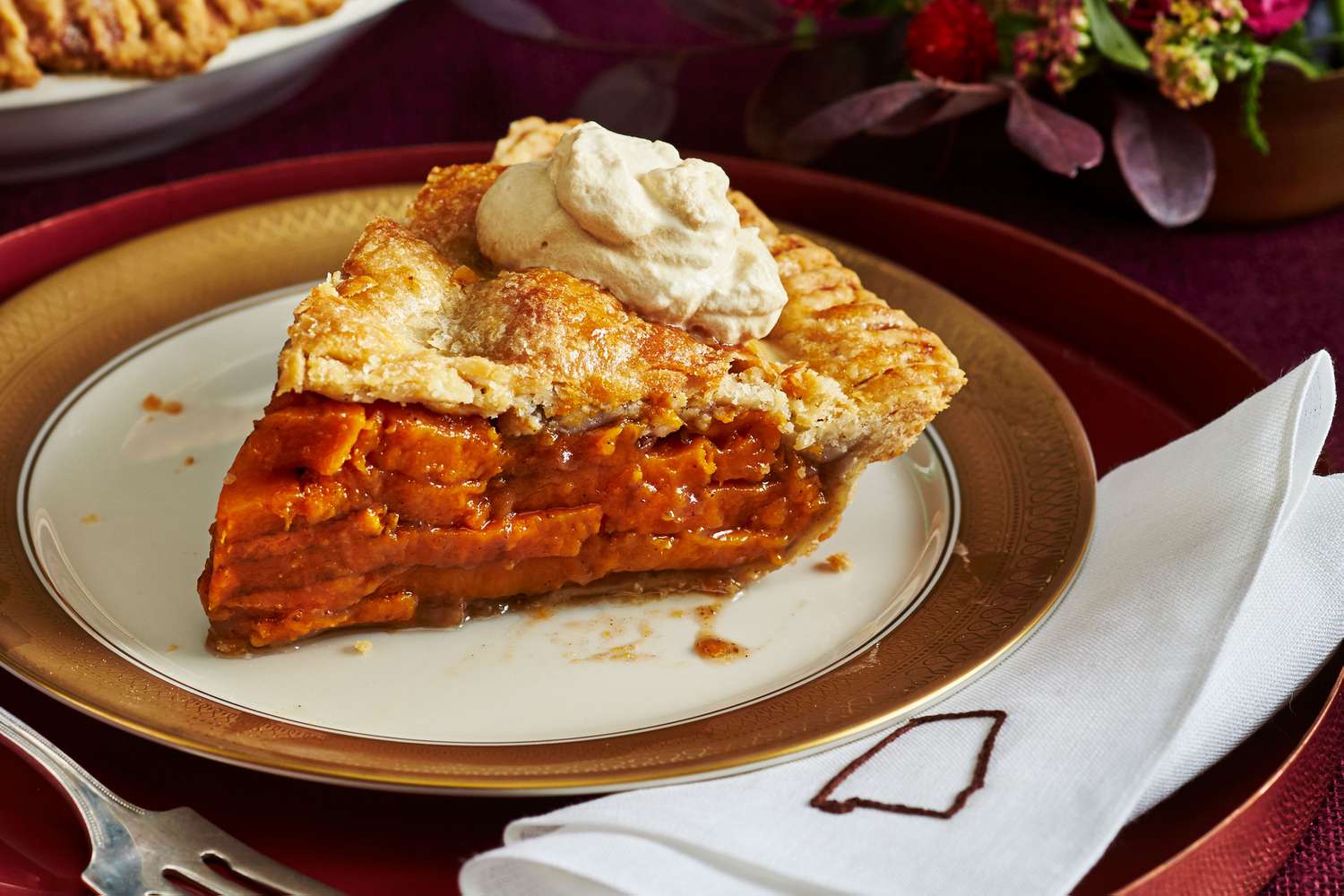
Welcome to ForknFood.com, your go-to destination for mouthwatering recipes that blend tradition with simplicity. If there’s one dessert that embodies the heart and soul of Southern cuisine, it’s the humble yet irresistible sweet potato pie. This classic treat, with its creamy, spiced filling nestled in a flaky crust, has been a staple at family gatherings, holiday feasts, and Sunday suppers for generations. Unlike its denser cousin, pumpkin pie, sweet potato pie offers a lighter texture with deeper, earthier flavors that scream comfort and nostalgia.
What makes this recipe truly special is its ease—perfect for beginners or busy home cooks. You don’t need fancy equipment or rare ingredients; just a few pantry staples and fresh sweet potatoes will do. In under two hours (including baking time), you’ll have a pie that’s golden-brown on top, custardy inside, and infused with warm spices like cinnamon, nutmeg, and ginger. Whether you’re prepping for Thanksgiving, a potluck, or just craving something sweet, this pie delivers every time.
But sweet potato pie isn’t just about taste—it’s steeped in rich history. Originating in the Southern United States, this dessert traces its roots back to the colonial era, where European pie-making traditions met the abundant sweet potatoes cultivated in the region. Sweet potatoes, introduced to West Africa in the 16th century and later brought to America via the trans-Atlantic slave trade, became a vital crop in the South due to their resilience and nutritional value. Enslaved African Americans, drawing from their culinary heritage, adapted these tubers into pies as a substitute for the yams they knew from home. The first printed recipes appeared in the 18th century, often classified as savory dishes before evolving into the sweet dessert we love today.
By the 19th century, sweet potato pie had become a symbol of Southern identity, particularly within African American communities. Abby Fisher, a former enslaved woman from Alabama, published one of the earliest known recipes in her 1881 cookbook, “What Mrs. Fisher Knows About Old Southern Cooking,” marking a milestone as one of the first cookbooks by an African American author. During the Great Migration, when millions of Black families moved North, they carried this recipe with them, turning it into a nationwide comfort food. Today, it’s more than a pie—it’s a testament to resilience, family bonds, and cultural legacy. As food historian Adrian Miller notes, it represents how enslaved cooks transformed unfamiliar ingredients to create something extraordinary.
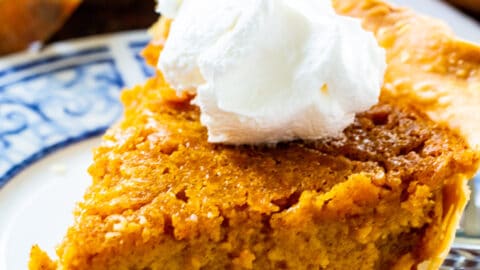
At ForknFood.com, we celebrate recipes like this that connect us to our roots while being accessible for modern kitchens. If you’re a fan of fall flavors, you might also enjoy our Classic Pumpkin Pie Recipe for a side-by-side comparison. Ready to bake? Let’s dive into the details.
The History of Southern Sweet Potato Pie: A Deeper Dive
To truly appreciate this pie, we must explore its fascinating backstory. Sweet potatoes aren’t native to the Americas in the way many assume; they originated in Central and South America and were spread globally by explorers. By the 16th century, Portuguese traders introduced them to West Africa, where they were initially met with skepticism as they resembled—but weren’t—the beloved yams of the region. Enslaved Africans, upon arrival in the American South, embraced sweet potatoes as a familiar staple, growing them in plantation gardens for sustenance.
The pie form, however, owes much to European influences. Creamy vegetable pies date back to Medieval Europe, where carrots and other roots were baked into custards. In the colonies, sweet potatoes filled this role, especially since pumpkins were seasonal and less versatile. Enslaved cooks in Southern households perfected these pies to mimic British custard tarts, often under duress to please their owners. George Washington Carver, the famed agricultural scientist, further popularized sweet potatoes in the early 20th century with guides promoting their use in pies and other dishes.
Post-emancipation, sweet potato pie became a symbol of freedom and community. It graced church suppers, family reunions, and holiday tables, evolving with regional twists—some families adding lemon for tang, others incorporating bourbon for depth. The Great Migration (1916-1970) spread it to urban centers like Chicago and New York, where it remained a link to Southern heritage amid new lives. Today, it’s hailed as America’s “most underrated pie” by American Heritage magazine, embodying the ingenuity of African American cuisine.
This history reminds us that food is more than nourishment—it’s storytelling. For more on Southern desserts, check out our https://forknfood.com/ article on Pecan Pie Traditions. Externally, dive deeper into the cultural significance at Southern Kitchen’s feature on sweet potato pie.
Ingredients You’ll Need
This recipe serves 8 and uses simple, affordable ingredients. We’ve drawn inspiration from classic Southern versions for authenticity.
- 2-3 medium sweet potatoes (about 1.5 lbs), baked or boiled until tender
- 1/2 cup unsalted butter, softened
- 3/4 cup packed light brown sugar
- 1/4 cup granulated white sugar
- 2 large eggs, beaten
- 1/2 cup evaporated milk (or whole milk for a lighter version)
- 1 teaspoon vanilla extract
- 1/2 teaspoon ground cinnamon
- 1/2 teaspoon ground nutmeg
- 1/4 teaspoon ground ginger
- 1/4 teaspoon salt
- 1 unbaked 9-inch pie crust (store-bought or homemade—try our Easy Pie Crust Recipe)
Pro tip: Opt for fresh sweet potatoes over canned for the best flavor. They provide natural sweetness and a smoother texture.
Step-by-Step Instructions
Making this pie is straightforward—prep time is about 20 minutes, with baking taking the rest.
- Prepare the Sweet Potatoes: Preheat your oven to 400°F (200°C). Wash the sweet potatoes, prick them with a fork, and bake on a foil-lined sheet for 45-60 minutes until fork-tender. Let cool, then peel and mash until smooth (about 2 cups). Alternatively, boil peeled and cubed potatoes for 20 minutes and mash.
- Make the Filling: In a large bowl, cream the softened butter and sugars until fluffy. Add the eggs one at a time, beating well. Stir in the mashed sweet potatoes, evaporated milk, vanilla, spices, and salt. Mix until creamy and lump-free. For extra silkiness, use a hand mixer or food processor.
- Assemble and Bake: Pour the filling into the unbaked pie crust. Smooth the top. Reduce oven to 350°F (175°C) and bake for 45-55 minutes, or until the center is set but slightly jiggly (it firms up as it cools). If the crust edges brown too quickly, cover with foil.
- Cool and Serve: Let the pie cool completely on a wire rack (at least 2 hours) to set the custard. Slice and enjoy!
This method ensures a crack-free, velvety pie every time.
Tips and Tricks for the Perfect Pie
- Sweet Potato Selection: Choose firm, orange-fleshed varieties like Beauregard for optimal sweetness. Avoid stringy ones by over-mashing or straining.
- Spice It Up: Adjust spices to taste—add a pinch of allspice or cloves for more depth, as in some heirloom recipes.
- Crust Hacks: If using store-bought, blind-bake for 10 minutes to prevent sogginess. Homemade? Chill the dough for flakier results.
- Avoid Overbaking: The pie should wobble slightly in the center; carryover heat finishes it.
- Make-Ahead: Bake up to 2 days ahead and refrigerate. Reheat slices gently in the oven.
These tips come from generations of Southern bakers, ensuring foolproof results.
Variations to Try
While the classic is unbeatable, experiment for fun:
- Vegan Version: Swap eggs for flax eggs (1 tbsp flaxseed + 3 tbsp water per egg), use coconut milk instead of evaporated, and plant-based butter.
- Bourbon-Infused: Add 2 tbsp bourbon to the filling for a boozy twist—perfect for adults.
- Gluten-Free: Use a gluten-free pie crust and ensure spices are certified GF.
- Mini Pies: Bake in muffin tins for individual servings, reducing time to 25-30 minutes.
For more twists, see our Vegan Dessert Collection.
Serving Suggestions and Pairings
Serve warm or at room temperature with a dollop of whipped cream or vanilla ice cream. It pairs beautifully with coffee, hot cider, or even a Southern sweet tea. For holidays, complement it with Collard Greens or Skillet Cornbread for a full meal.
Nutritionally, each slice offers vitamin A from sweet potatoes, making it a somewhat “healthier” dessert option—around 300 calories per serving.
Storage and Reheating
Store leftovers in an airtight container in the fridge for up to 4 days. Freeze slices wrapped in plastic for up to 3 months—thaw overnight and reheat at 325°F for 10 minutes. Avoid microwaving to preserve texture.
Frequently Asked Questions
What’s the difference between sweet potato and pumpkin pie? Sweet potato pie is lighter, sweeter, and more spiced, with a custard-like texture versus pumpkin’s denser fill.
Can I use canned sweet potatoes? Yes, for convenience, but drain well and mash—fresh tastes better.
Why did my pie crack? Overmixing or overbaking; keep an eye on it next time.
Is this pie Southern authentic? Absolutely, drawing from traditional recipes passed down through families.
For more FAQs, visit AllRecipes’ Sweet Potato Pie Guide.
Conclusion
This Southern Sweet Potato Pie is more than a recipe—it’s a slice of history on your plate. Easy to make, deeply flavorful, and endlessly comforting, it’s sure to become a family favorite. At ForknFood.com, we’re passionate about sharing such timeless dishes. Try it today and let us know in the comments how it turned out! For similar recipes, explore our Holiday Desserts Section.
Frequently Asked Questions (Expanded FAQs)
Sweet potato pie sparks lots of questions from first-timers and seasoned bakers alike. Here are the most common ones, based on Southern home cooks’ experiences:
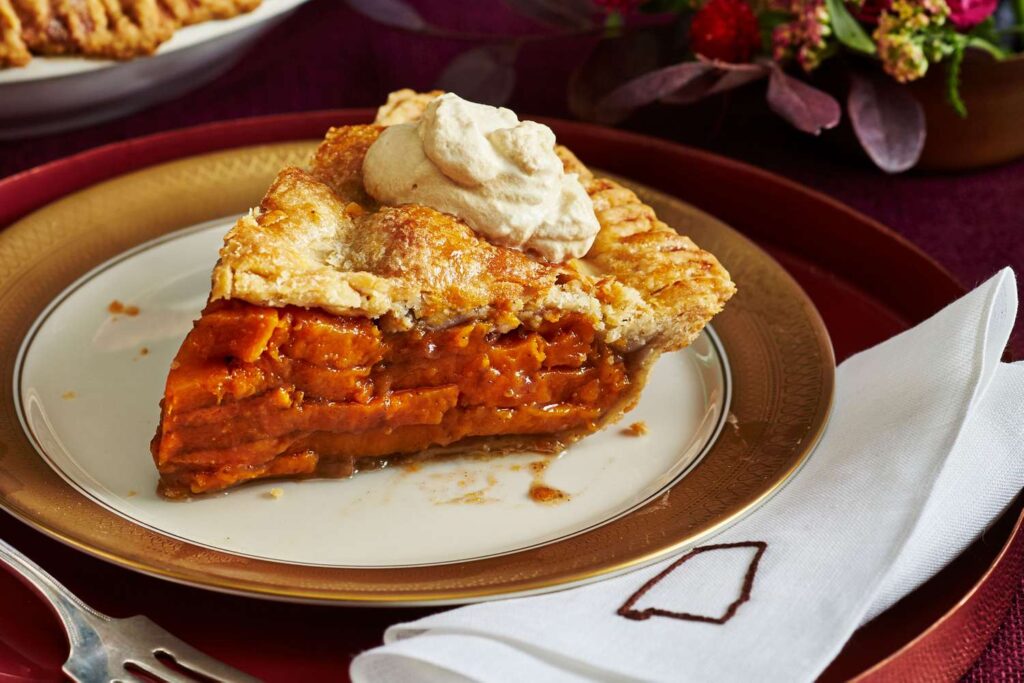
What’s the main difference between sweet potato pie and pumpkin pie?
Sweet potato pie tends to be lighter, creamier, and naturally sweeter with earthier notes, thanks to fresh sweet potatoes. Pumpkin pie is denser and often more spiced. Many Southern families prefer sweet potato pie as the star of holiday tables—it’s less “canned” tasting and highlights the vegetable’s true flavor.
Can I use canned sweet potatoes or yams instead of fresh?
Yes, for convenience—drain them well and mash thoroughly (about 2 cups needed). Fresh baked sweet potatoes give the best creamy texture and concentrated sweetness without extra water. If using canned, reduce any added liquid in the recipe slightly to avoid a runny filling.
Why is my sweet potato pie watery or runny?
This usually happens from over-boiled potatoes (they absorb too much water) or under-baking. Always bake (not boil) sweet potatoes for the filling. Also, let the pie cool completely—2-4 hours at room temperature or overnight in the fridge—to fully set the custard.
How do I know when the pie is done baking?
The edges should be set, and the center should have a slight jiggle (like Jell-O) when gently shaken—it firms up as it cools. A toothpick inserted near the center should come out mostly clean with a few moist crumbs. Overbaking can cause cracking or a rubbery texture.
Can I make sweet potato pie ahead of time?
Absolutely—it’s even better the next day! Bake up to 2 days in advance, cool completely, cover, and refrigerate. Bring to room temperature before serving for the best flavor and texture. It also freezes well (whole or in slices) for up to 3 months.
Why did my pie crack on top?
Common culprits: overmixing the filling (incorporates too much air), baking at too high a temperature, or sudden temperature changes. Bake at 350°F, avoid overbeating, and cover the crust edges with foil if they brown too fast.
Can I make this pie vegan or dairy-free?
Yes! Swap eggs for a flax egg substitute (1 tbsp ground flax + 3 tbsp water per egg), use plant-based butter, and coconut or almond milk instead of evaporated milk. The texture stays creamy and delicious.
Is sweet potato pie healthier than other pies?
It packs vitamin A, fiber, and antioxidants from sweet potatoes—making it a bit more nutrient-dense than many desserts. One slice is around 300 calories, depending on crust and toppings.
For even more pie tips, check out our Easy Pie Crust Recipe or Holiday Desserts Collection.
Recommended Products & Tools for Sweet Potato Pie
Baking the perfect Southern sweet potato pie is easier with the right gear. These essentials help with prep, mixing, and serving—many are affordable and last for years.
- 9-Inch Pie Dish: A classic glass or ceramic dish (like Pyrex) lets you see when the crust is golden and evenly baked. Glass conducts heat well for crisp bottoms.
Check out this Pyrex 9-Inch Pie Plate on Amazon (affiliate link). - Hand Mixer or Stand Mixer: For creaming butter and sugars smoothly, then beating in the filling for a lump-free, velvety texture. A stand mixer like the KitchenAid Artisan is a baker’s dream.
Explore KitchenAid Stand Mixers on Amazon. - Potato Masher or Food Processor: Mash baked sweet potatoes by hand for rustic texture, or pulse in a processor for ultra-smooth filling. Avoid stringy bits by processing well.
Basic Food Processor Options on Amazon. - Measuring Cups & Spoons: Accurate measurements matter for spices and sugars—get a sturdy set with clear markings. Recommended Measuring Set on Amazon.
- Pastry Brush & Pie Shield: Brush egg wash or milk on the crust for shine, and use a shield to prevent over-browning edges.
Pie Crust Shield on Amazon. - Pie Server/Spatula: Makes clean slices without breaking the crust—look for one with a sharp edge.
Sturdy Pie Server on Amazon. - Cooling Rack: Essential for even cooling to prevent sogginess.
Wire Cooling Rack on Amazon.
These tools make the process smoother and more enjoyable. If you’re new to baking pies, start with our Beginner Baking Guide for more tips.
Recommended Products & Tools for Sweet Potato Pie (Expanded)
Beyond the basics, these additional top products help achieve that silky-smooth, professional Southern sweet potato pie every time. Many come from pie experts like Erin Jeanne McDowell and popular Southern recipe sites.
- Digital Kitchen Scale: Precision is key for consistent pie dough and filling—especially when measuring flour or sugars to avoid a tough crust or off-balance sweetness. Experts swear by digital scales for flaky results.
Escali Primo Digital Kitchen Scale on Amazon (affiliate link). - Pastry Blender (Dough Blender): Perfect for cutting cold butter into flour quickly without warming the dough—ideal if you’re making your own crust. It keeps everything flaky and prevents overworking.
OXO Good Grips Pastry Blender on Amazon (affiliate link). - French Rolling Pin: Tapered design makes it easy to roll dough evenly and maneuver it into the pie dish—great for beginners or anyone wanting rustic, homemade crusts.
J.K. Adams Maple Wood French Rolling Pin on Amazon (affiliate link). - Pie Crust Shield / Protector: Prevents the edges from burning while the center sets—essential for longer-baking custard pies like sweet potato. Adjustable silicone versions fit most 9-inch dishes.
Mrs. Anderson’s Baking Pie Crust Protector Shield on Amazon or Adjustable Silicone Pie Crust Shields (2-Pack) on Amazon (affiliate links). - Food Processor (8-10 Cup Capacity): The ultimate shortcut for ultra-smooth sweet potato filling—processes baked potatoes, strings and all, in seconds for a velvety texture without lumps. Many Southern recipes highlight this as a game-changer.
Hamilton Beach Food Processor on Amazon (affiliate link). - Pie Weights (Ceramic or Metal): If blind-baking your crust (recommended to avoid sogginess), these ensure even baking and prevent shrinking or bubbling. Reuse them forever!
DVOUG Pie Weights with Parchment Rounds on Amazon (affiliate link). - Offset Spatula: Helps spread the filling evenly in the crust and makes serving clean slices—also great for frosting or smoothing tops if you add a meringue or whipped topping.
Ateco Offset Spatulas (Set) on Amazon (affiliate link). - High-Dome Pie Carrier / Storage Lid: Keeps your finished pie fresh and protected for transport to gatherings—perfect for holidays or potlucks. Fits standard 9-10 inch pies.
OXO Good Grips Pie Keeper on Amazon (affiliate link). - Bench Scraper / Dough Knife: Handy for dividing dough, scraping sticky surfaces, or transferring rolled crusts— a multi-use tool every baker loves.
RSVP International Endurance Bench Scraper on Amazon (affiliate link). - Parchment Paper Sheets (Heavy-Duty): Line baking sheets for roasting sweet potatoes, or use under pie weights for blind-baking—prevents sticking and makes cleanup easy.
King Arthur Baking Parchment Paper on Amazon (affiliate link).
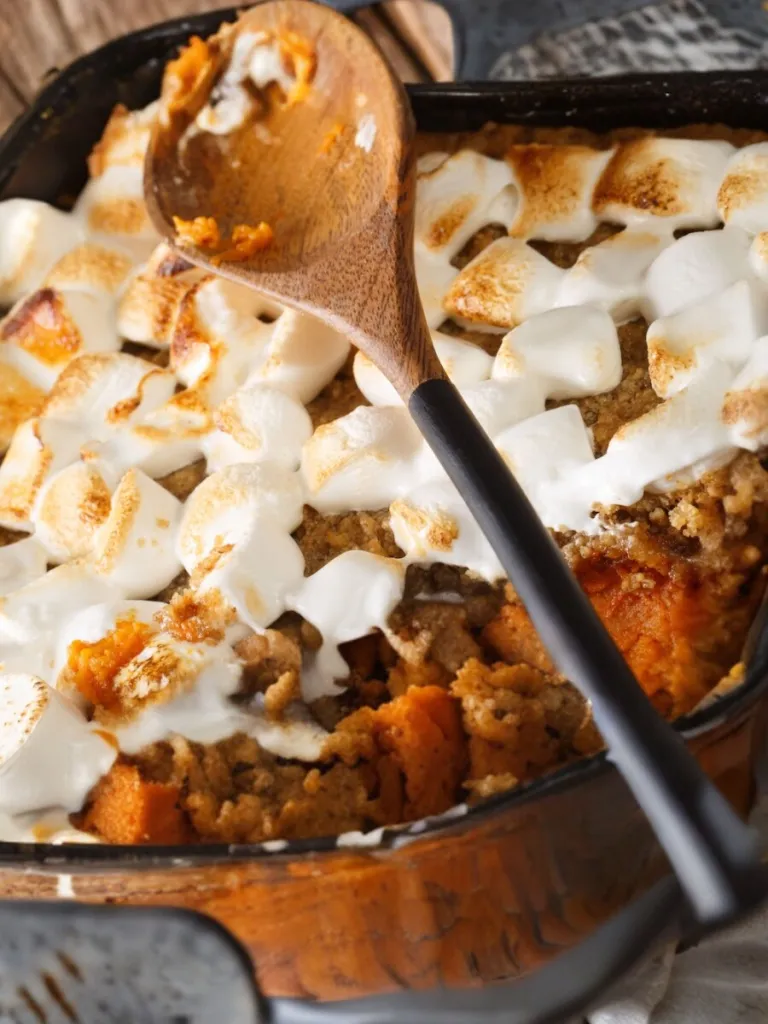
These tools focus on making the process foolproof: smoother filling, crispier crusts, and no burnt edges. Start with a good pie dish and scale if you’re just beginning—then add as you bake more! Pair them with our Easy Pie Crust Recipe for next-level results.
For visuals of these in action, here are some helpful product shots and pie prep examples:


Leave a Reply