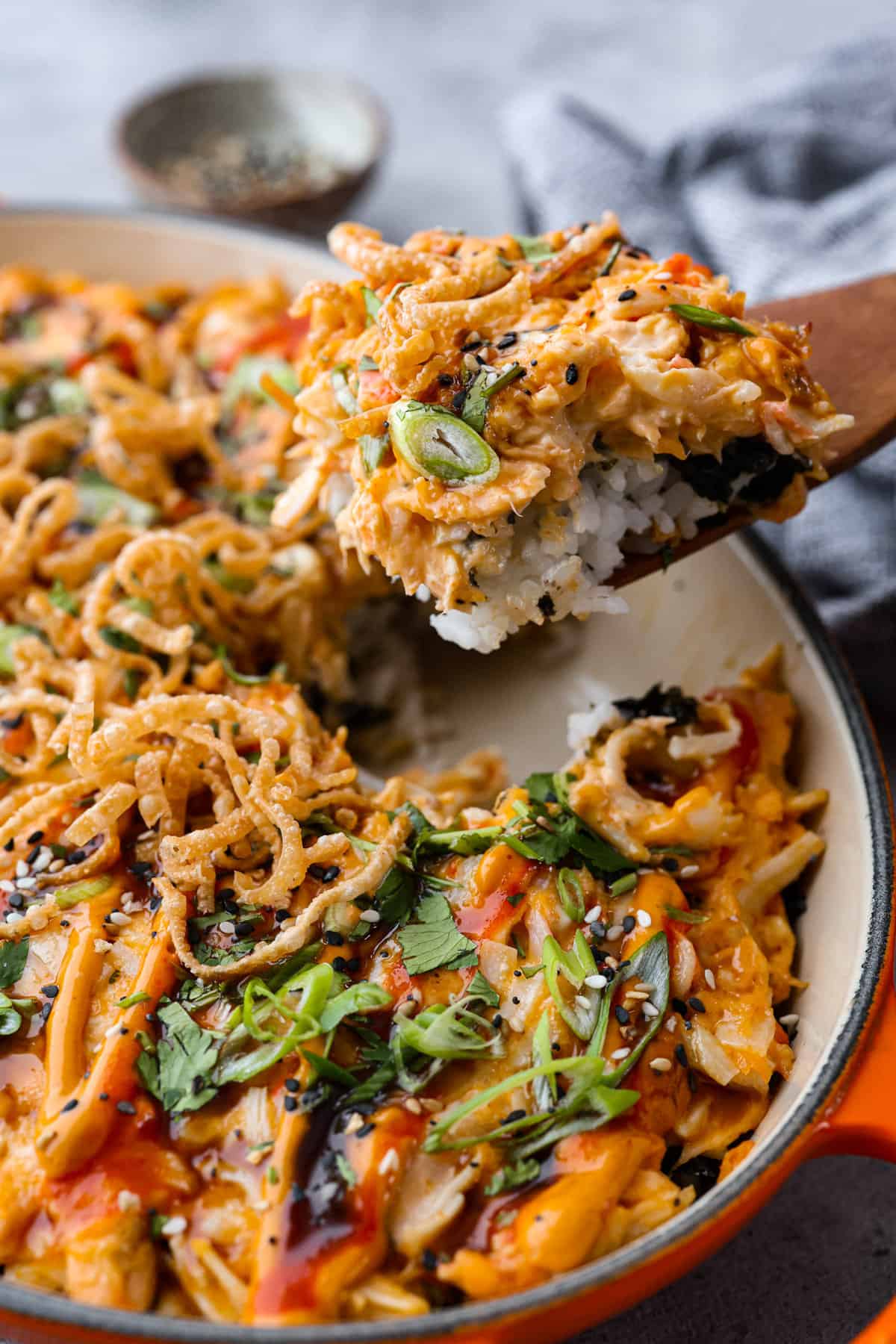
In the fast-paced world of modern cooking, where time is often as precious as the ingredients themselves, innovative recipes that blend tradition with convenience are a game-changer. Enter the Quick Oven-Baked Sushi Casserole – a delectable twist on classic sushi that transforms the intricate art of rolling maki into a simple, crowd-pleasing bake. This dish captures the essence of sushi’s fresh flavors – think creamy avocado, crunchy cucumber, and savory seafood – but bakes it all together in a comforting casserole form. Perfect for weeknight dinners, potlucks, or even meal prep, this recipe is not only quick to assemble but also customizable to suit various dietary preferences.
At Fork n Food, we’re all about making gourmet experiences accessible, and this sushi casserole fits right into our ethos. If you’re new to fusion cuisine, check out our guide on https://forknfood.com/ Easy Japanese-Inspired Recipes for more ideas. Originating from viral social media trends and home cooks seeking sushi alternatives without the fuss, this baked version has gained popularity for its ease and versatility. According to food historians, sushi itself dates back to ancient Japan, where it was a method of preserving fish in fermented rice. Fast-forward to today, and adaptations like this casserole are popping up in kitchens worldwide, as noted in articles from The New York Times Cooking.
What makes this recipe “quick”? It comes together in under 45 minutes, with most of that time spent in the oven, allowing you to multitask. No need for bamboo mats or expert knife skills – just layer, bake, and enjoy. Whether you’re a sushi aficionado or a novice, this casserole delivers the umami punch of traditional sushi in a hearty, shareable format. Let’s dive into the details, from ingredients to serving suggestions, and explore why this dish deserves a spot in your regular rotation.

Why Choose an Oven-Baked Sushi Casserole?
Traditional sushi requires precision: perfectly seasoned rice, fresh sashimi-grade fish, and meticulous assembly. While rewarding, it’s not always feasible for everyday meals. The oven-baked alternative simplifies this by deconstructing the elements into layers, much like a lasagna but with Asian flair. Baking melds the flavors together, creating a warm, gooey texture that’s comforting on cooler days.
Health-wise, this recipe retains sushi’s nutritional benefits. Sushi is renowned for its omega-3 fatty acids from fish, fiber from vegetables, and probiotics if you incorporate fermented elements like miso. By baking instead of frying, you keep it lighter, avoiding excess oil. A single serving can provide a balanced mix of proteins, carbs, and veggies, making it ideal for those watching their macros. For more on healthy eating, browse our Nutritious Meal Ideas section.
Environmentally, opting for sustainable seafood is key. Organizations like the Monterey Bay Aquarium’s Seafood Watch recommend choosing responsibly sourced imitation crab or wild-caught salmon to minimize impact. This casserole allows for substitutions, such as plant-based proteins for vegans, ensuring it’s inclusive.
In terms of time savings, prep is minimal: cook the rice, chop veggies, and layer. The oven does the rest, infusing everything with warmth. It’s also budget-friendly – using pantry staples like rice and canned tuna reduces costs compared to dining out at a sushi bar, where rolls can set you back $10-20 per person.
Ingredients for Quick Oven-Baked Sushi Casserole
To serve 4-6 people, you’ll need the following. This recipe is scalable, so adjust as needed.
For the Sushi Rice Base:
- 2 cups sushi rice (short-grain for that sticky texture)
- 2 ½ cups water
- ¼ cup rice vinegar
- 2 tablespoons sugar
- 1 teaspoon salt
For the Filling Layers:
- 8 oz imitation crab meat (or real crab/shrimp for authenticity), shredded
- 1 ripe avocado, diced
- 1 cucumber, julienned
- 1 carrot, grated
- 4 oz cream cheese, softened (for creaminess)
- ¼ cup mayonnaise (preferably Kewpie for that tangy kick)
- 2 tablespoons sriracha or hot sauce (adjust for spice level)
- 2 sheets nori seaweed, crumbled (for that oceanic flavor)
For Toppings and Garnishes:
- 2 green onions, sliced
- Sesame seeds (toasted for extra crunch)
- Pickled ginger (optional, for serving)
- Wasabi (optional, for heat)
- Soy sauce (low-sodium recommended)
If you’re sourcing ingredients, local Asian markets often have the best deals on sushi rice and nori. For premium options, check out Amazon’s Japanese Pantry Essentials. Substitutions abound: Use quinoa for a gluten-free base, or tofu for a vegetarian twist. Our Vegan Recipe Collection has similar ideas if you’re adapting this.
Step-by-Step Instructions
Preparing this casserole is straightforward, broken into phases for clarity.
Step 1: Prepare the Sushi Rice
Rinse the sushi rice under cold water until the water runs clear – this removes excess starch for fluffier results. In a medium saucepan, combine rice and water, bring to a boil, then simmer covered for 15-18 minutes until absorbed. Remove from heat and let steam for 10 minutes.
While the rice cooks, mix rice vinegar, sugar, and salt in a small bowl until dissolved. Gently fold this into the warm rice using a wooden spoon, being careful not to mash it. This seasoned rice is the foundation, mimicking sushi’s tangy base. Spread it evenly in a 9×13-inch baking dish greased with oil or lined with parchment for easy release.
Step 2: Mix the Creamy Filling
In a bowl, combine shredded crab, cream cheese, mayonnaise, and sriracha. Stir until creamy and well-blended. This mixture adds the rich, spicy element that elevates the dish. If using fresh seafood, ensure it’s cooked or safe for consumption – food safety is paramount, as per guidelines from the FDA’s Seafood Safety.
Spread this over the rice layer evenly. For added texture, incorporate diced avocado here, but if it browns easily, save it for topping.
Step 3: Add Vegetable Layers
Scatter julienned cucumber, grated carrot, and any other veggies like bell peppers or radishes over the creamy layer. These provide crunch and freshness, balancing the richness. Crumble nori sheets on top for that signature seaweed taste without the hassle of wrapping.
Step 4: Bake and Garnish
Preheat your oven to 375°F (190°C). Bake the assembled casserole for 15-20 minutes until the top is bubbly and slightly golden. Avoid overbaking to prevent drying out the rice.
Remove from oven and let cool for 5 minutes. Garnish with sliced green onions, sesame seeds, and a drizzle of extra sriracha if desired. Serve with pickled ginger, wasabi, and soy sauce on the side for dipping.
Total active time: About 20 minutes, plus baking. Pro tip: Prep the veggies while rice cooks to streamline.
Tips and Variations for Customization
To make this recipe your own, experiment! For a California roll vibe, amp up the avocado and crab. Seafood lovers can add smoked salmon or tuna – just ensure it’s flaked for even distribution. Vegetarian? Swap crab for marinated tofu or mushrooms; our Meatless Monday Ideas can inspire.
Spice levels vary: Mild palates can omit sriracha, while heat seekers might add jalapeños. For gluten-free, use tamari instead of soy sauce.
Storage: This casserole refrigerates well for up to 3 days. Reheat in the microwave with a damp paper towel to retain moisture. Freezing isn’t recommended due to texture changes in rice and veggies.
Pairing suggestions: Serve with miso soup or edamame for a full Japanese meal. Wine enthusiasts might enjoy a crisp Sauvignon Blanc, as suggested by Wine Spectator’s Pairing Guide.
Common pitfalls: Over-seasoning the rice can make it too vinegary, so taste as you go. If the top browns too quickly, cover with foil midway.
Nutritional Breakdown and Health Benefits
Per serving (based on 6 portions): Approximately 350 calories, 12g protein, 45g carbs, 15g fat, 4g fiber. The fish provides heart-healthy omega-3s, while veggies contribute vitamins A and C. Rice offers sustained energy, but for lower carbs, try cauliflower rice.
This dish supports balanced diets: Keto-friendly with swaps, or paleo with omissions. For detailed nutrition tracking, tools like MyFitnessPal are invaluable.
Serving and Presentation Ideas
Elevate your casserole from everyday to entertaining by cutting into squares and arranging on a platter with chopsticks. Drizzle eel sauce (unagi) for sweetness, or top with furikake seasoning for umami depth.
For parties, make mini versions in muffin tins – bake for 10-12 minutes. Kids love it de-spiced, introducing them to new flavors gently.
In cultural context, this fusion reflects global culinary evolution. As BBC Good Food notes, baked sushi trends stem from Hawaiian poke bowls and Filipino influences, blending East and West.
Conclusion: Embrace the Ease of Baked Sushi
The Quick Oven-Baked Sushi Casserole proves that innovation doesn’t sacrifice flavor. It’s a testament to how traditional dishes can evolve for contemporary lifestyles, offering comfort without complexity. At Fork n Food, we encourage experimenting in the kitchen – try this recipe and share your twists in the comments below!

Frequently Asked Questions (FAQs)
1. Can I make this sushi casserole ahead of time? Yes! Assemble the casserole up to the baking step, cover it tightly with foil or plastic wrap, and refrigerate for up to 24 hours. When ready, bake as directed (you may need to add 5-10 extra minutes since it’s cold from the fridge). It’s best enjoyed fresh, but leftovers store well too.
2. Is the sushi bake served hot, warm, or cold? It’s most delicious served warm straight from the oven, with bubbly, melty toppings. However, many enjoy it at room temperature (like traditional sushi) or even chilled the next day. Avoid serving piping hot, as the rice can firm up nicely when slightly cooled.
3. What if I don’t have imitation crab? What substitutions work best? Imitation crab (surimi) is classic for a California roll vibe, but you can swap it with:
- Canned or fresh cooked salmon (flaked)
- Cooked shrimp (chopped)
- Real crab meat (if available)
- For vegetarian/vegan: Marinated tofu, mushrooms, or chickpeas mashed with seasoning. The creamy mayo mixture binds it all, so the texture stays similar.
4. Can I make this gluten-free or lower-carb? Absolutely. Use tamari instead of regular soy sauce for serving. For lower carbs, substitute cauliflower rice (season it lightly with vinegar, sugar, and salt) or quinoa. The dish remains flavorful with these swaps.
5. How long do leftovers last, and what’s the best way to reheat? Leftovers keep in an airtight container in the fridge for 2-3 days. Reheat in the microwave (covered with a damp paper towel for 1-2 minutes) or oven at 350°F (175°C) for 10-15 minutes to restore some crispness. Freezing isn’t ideal, as the rice and veggies can become mushy upon thawing.
6. Why use Kewpie mayonnaise instead of regular mayo? Kewpie has a richer, slightly sweeter, and tangier flavor due to its egg yolk base and rice vinegar – it mimics authentic Japanese sushi tastes perfectly. Regular mayo works in a pinch but lacks that umami depth. If unavailable, mix regular mayo with a dash of rice vinegar and sugar.
7. My rice turned out too dry or mushy – what went wrong? Use short-grain sushi rice for stickiness. Rinse it well before cooking to remove excess starch. Don’t overcook; follow package ratios closely. After seasoning, spread it evenly and press lightly in the dish for a firm base.
8. Is this recipe spicy? Can I adjust the heat? The sriracha adds mild-medium heat, but it’s customizable. Reduce or omit it for kids or mild palates. Add more for extra kick, or drizzle extra on top after baking.
9. How do I serve it to make it feel like real sushi? Scoop portions onto small squares of nori (roasted seaweed sheets), add fresh toppings like avocado or cucumber slices, roll into hand cones (temaki-style), and dip in soy sauce. It’s fun and interactive!
10. Can I add other toppings or make variations? Yes! Try furikake seasoning sprinkled generously before baking for crunch and umami. Add tobiko (fish roe) or sesame seeds on top. For a dynamite-style twist, mix in more sriracha and top with eel sauce (unagi) drizzle.
Recommended Products for Your Sushi Casserole
To nail authentic flavors, focus on these key items. Many are available online via Daraz.pk, or in Karachi at Japanese/Korean import sections in supermarkets or specialty stores like Sushi Mart outlets (if available) or online grocers.
Essential Ingredients:
- Sushi Rice: Short-grain Japanese rice is crucial for the sticky texture. Recommended brands: Nishiki (widely loved and available), Botan Calrose, or Koshihikari if you can find premium imports. Look for “sushi rice” or “short-grain” on Daraz or local Asian sections. Avoid long-grain – it won’t hold together well.
- Kewpie Mayonnaise: The game-changer for creaminess. Available in squeeze bottles (around 450g-500g) on Daraz.pk, Springs.com.pk, or Mars Online. If out of stock, regular Japanese mayo alternatives work.
- Nori Seaweed Sheets: For crumbling in layers or serving as wraps. Buy roasted nori snack packs or full sheets – easy to find on Daraz or in hypermarkets.
- Furikake Seasoning: Japanese rice seasoning with seaweed, sesame, and bonito – adds instant flavor. Search for “furikake” on Daraz; it’s often imported.
- Rice Vinegar, Sriracha, and Sesame Seeds: These are pantry staples, widely available at Imtiaz or Naheed Supermarket.
Helpful Tools (Optional but Useful): While this casserole needs minimal equipment (just a baking dish and oven), these make prep easier:
- Rice Cooker: For perfect sushi rice every time – brands like Panasonic or local ones on Daraz.
- Baking Dish: A standard 9×13-inch glass or metal casserole dish (widely available at local stores like Chase UP or Hyperstar).
- Basic Kitchen Tools: Sharp chef’s knife for chopping veggies, rice paddle/spatula for spreading rice evenly.
Top Recommended Products for Sushi Bake
1. Premium Sushi Rice Brands
The foundation of any great sushi casserole is high-quality short-grain rice for that perfect sticky, glossy texture. Avoid regular long-grain rice—it won’t hold up.
- Nishiki (often called the #1 bestseller and loved by sushi chefs): Widely available and consistent. Great for beginners and pros. Check Daraz.pk for Nishiki or similar Calrose varieties.
- Tamaki Gold or Tamanishiki (premium California-grown Koshihikari blends): These are top-rated for superior stickiness, sweetness, and quality even after cooling. They’re pricier but worth it for restaurant-level results—search for imports on Daraz or specialty grocers.
- FF Arome Sushi Rice (2kg packs): A popular local/imported option in Pakistan, easy to find at stores like Al-Fatah or online. Affordable and reliable for home baking.
Pro tip: Look for “short-grain” or “sushi rice” labels—brands like Botan Calrose are solid backups if premium ones are out of stock.
2. Furikake Seasoning
This Japanese rice seasoning (seaweed, sesame seeds, bonito flakes, etc.) adds umami and crunch—many recipes layer it generously before and after baking.
- Japanese-imported Furikake (brands like Mishima or generic toasted sesame seaweed mixes): Sprinkle half in the middle layer and the rest on top for extra flavor.
- Halal Furikake options (bonito-free versions with just seaweed/sesame/salt): Available on Daraz.pk or Shopee-style imports—ideal if avoiding fish-based ingredients.
Search “furikake seasoning” on Daraz for quick delivery; it’s a game-changer for that authentic sushi taste.
3. Spicy Mayo & Sriracha Enhancers
For the creamy, spicy topping that gets bubbly in the oven.
- Sriracha (Huy Fong brand): The classic for heat—widely available at supermarkets or Daraz.
- Kewpie Mayonnaise alternatives (if the original squeeze bottle is hard to find):
- Hellmann’s or Dipitt (local favorites for creamy texture; some mix with a dash of rice vinegar/sugar to mimic Kewpie’s tang).
- Honest Chipotle Mayo or similar flavored mayos from Springs.com.pk—great for a twist.
Homemade hack: Blend regular mayo with a bit of mustard, rice vinegar, and sugar for a close copycat.
4. Additional Flavor Boosters & Garnishes
- Unagi (Eel) Sauce or Kikkoman Unagi Sushi Sauce: Drizzle on top post-bake for sweet-savory depth (popular in many recipes). Available imported on Daraz.
- Sesame Seeds (toasted white/black mix): For garnish and crunch—cheap and essential. Buy bulk from local spice shops or online.
- Roasted Seaweed Snack Packs (pre-cut Korean nori or Yaki Nori sheets): Easier than full sheets for crumbling or serving as wraps. Gold-brand 10-sheet packs are common on Daraz for around Rs. 999.
- Masago or Tobiko (fish roe, optional): For fancy topping texture—if you can source halal/imported versions.
5. Tools & Accessories for Easier Prep
- Rice Cooker (Panasonic or local brands): Ensures perfect sushi rice every time—no guesswork on stovetop.
- 9×13 Baking Dish (glass or metal): Standard size for even baking; non-stick or parchment-lined prevents sticking.
- Squeeze Bottles (for drizzling sriracha/mayo): Makes topping patterns fun and pro-looking.

These products focus on what’s trending in sushi bake communities—things like premium rice for better texture, furikake for umami, and fun sauces for customization. In Karachi, start with Daraz.pk searches for “sushi ingredients” or “Japanese mayo”—many deliver same-day or next-day. If you’re experimenting, start with Nishiki rice + furikake + a good mayo drizzle; it’ll make your casserole taste even more addictive!
Leave a Reply