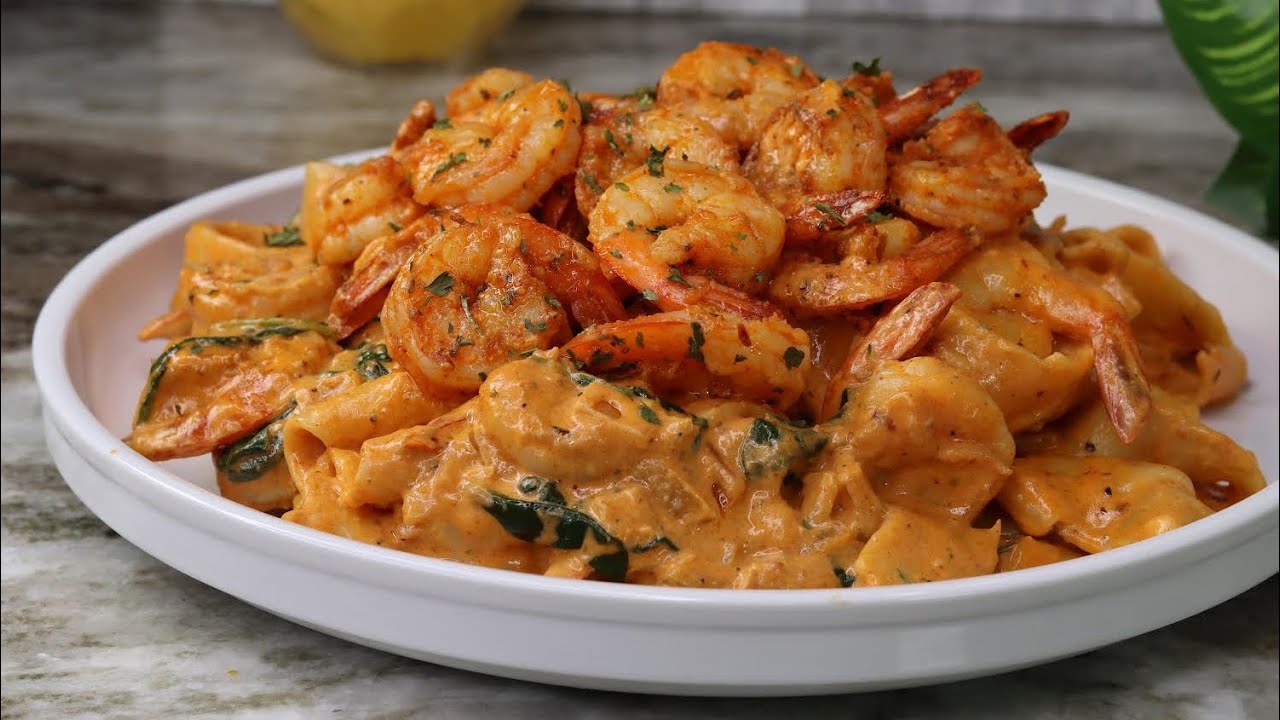
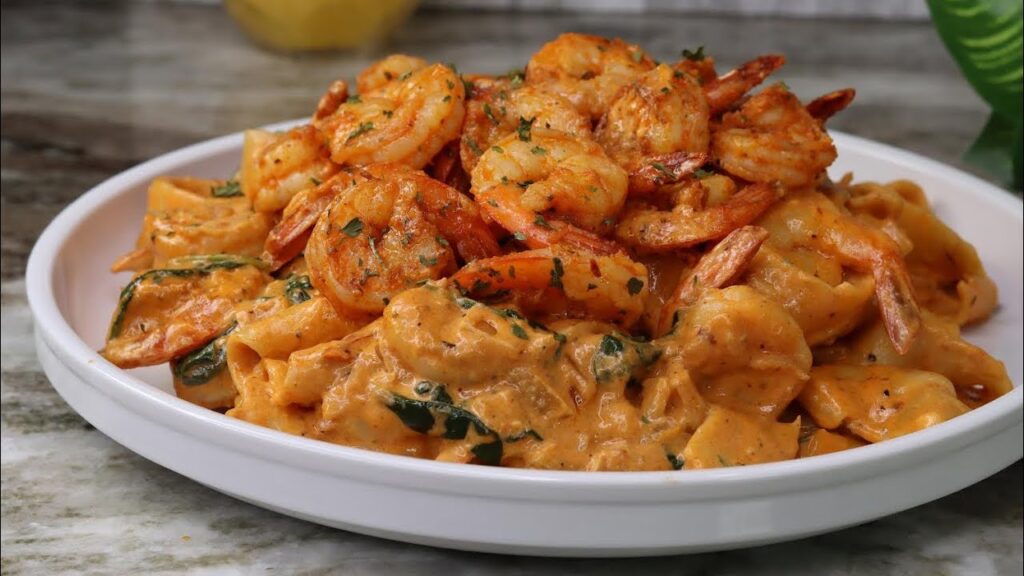
Imagine hosting a sophisticated dinner party where the aroma of freshly ground peppercorns mingles with the briny sweetness of succulent shrimp, all enveloped in a creamy, cheesy pasta. Peppercorn Shrimp Pasta is the epitome of elegance meets simplicity – a dish that transforms humble ingredients into a gourmet experience. Perfect for a romantic evening, a family celebration, or impressing guests at your next fancy dinner, this recipe draws inspiration from the classic Roman cacio e pepe but elevates it with the addition of plump shrimp. The bold, spicy kick from cracked black peppercorns contrasts beautifully with the tender seafood and al dente pasta, creating a symphony of flavors that dances on the palate.
At ForknFood.com, we’re all about blending traditional recipes with modern twists to make your meals memorable. This dish not only looks stunning on the plate but also comes together in under 30 minutes, making it ideal for those who want restaurant-quality results without spending hours in the kitchen. Whether you’re a seasoned chef or a home cook looking to step up your game, Peppercorn Shrimp Pasta will become a staple in your repertoire. Let’s dive into its rich history, the perfect recipe, and tips to make it shine.
The History Behind Peppercorn Shrimp Pasta
Peppercorn Shrimp Pasta is a contemporary take on the ancient Roman dish known as cacio e pepe, which translates to “cheese and pepper” in Italian dialects. Originating from the pastoral regions of Lazio, Abruzzo, Tuscany, and Umbria, cacio e pepe is believed to have been created by shepherds in the 18th or 19th century. These nomadic herders carried non-perishable items like dried pasta, pecorino cheese made from sheep’s milk, and black peppercorns in their sacks during long transhumance journeys across the Apennine Mountains. The cheese provided protein, the pasta carbs for energy, and the pepper added warmth and flavor – essential for cold nights in the hills.
Interestingly, black pepper was a luxury spice in ancient times, imported from India and used sparingly. It spread through the Roman Empire around 2,500 years ago, often as currency or in medicinal remedies. Shepherds likely adopted it later when it became more accessible, as it was expensive earlier. The dish’s simplicity – no eggs, no cream, just emulsified cheese and pepper with pasta water – reflects the resourcefulness of these rural communities.
The addition of shrimp to this classic is a modern innovation, blending Italian tradition with seafood influences from coastal regions. Shrimp, or “gamberi” in Italian, have been a staple in Mediterranean cuisine for centuries, prized for their delicate texture and ability to absorb flavors. In the U.S., Italian-American adaptations like shrimp scampi popularized seafood-pasta pairings, paving the way for variations like this one. Today, Peppercorn Shrimp Pasta embodies fusion cooking: the peppery bite of cacio e pepe meets the juicy pop of sautéed shrimp, making it a fancy dinner showstopper. For more on traditional Italian pasta, check out our https://forknfood.com/ guide to Roman classics.
This historical depth adds a layer of storytelling to your meal – imagine sharing with guests how a shepherd’s staple evolved into a luxurious entree. It’s not just food; it’s a piece of culinary heritage.
Ingredients for Peppercorn Shrimp Pasta
To serve 4 people, you’ll need:
- 12 ounces bucatini or spaghetti pasta (bucatini’s hollow center holds sauce beautifully)
- 1 pound large shrimp, peeled and deveined (fresh or frozen; thaw if frozen)
- 2 cups finely grated Pecorino Romano cheese (avoid pre-grated for better melting)
- 2 tablespoons black peppercorns, coarsely ground (use a mortar and pestle for fresh flavor)
- 3 tablespoons unsalted butter, divided
- 2 cloves garlic, minced
- Salt, to taste (for pasta water)
- Optional: Zest and juice of 1 lemon for brightness, fresh parsley for garnish
These ingredients are straightforward yet high-quality – opt for wild-caught shrimp and authentic Pecorino for authenticity. For sourcing tips, visit our seafood buying guide.
Step-by-Step Instructions
Preparing Peppercorn Shrimp Pasta is an art of timing and technique, ensuring the sauce emulsifies perfectly without clumping.
- Prep the Ingredients (5 minutes): Start by grinding the peppercorns. You want a coarse texture – not powder – to provide bursts of spice. Grate the cheese finely; this helps it melt smoothly. Pat the shrimp dry with paper towels and season lightly with salt and a pinch of the ground pepper. Mince the garlic.
- Cook the Pasta (10 minutes): Bring a large pot of salted water to a boil (use about 1 tablespoon salt per 4 quarts water). Add the pasta and cook until al dente, about 8-10 minutes for bucatini. Reserve 2 cups of pasta water before draining – this starchy liquid is key to the sauce. Do not rinse the pasta; the starch helps bind everything.
- Toast the Pepper (2 minutes): While the pasta cooks, heat a large skillet over medium heat. Add 1 tablespoon butter and the ground peppercorns. Toast for 1-2 minutes until fragrant, stirring to avoid burning. This step intensifies the pepper’s aroma, a trick from traditional cacio e pepe recipes.
- Sauté the Shrimp (5 minutes): Push the pepper to one side of the skillet. Add another tablespoon of butter and the minced garlic. Sauté for 30 seconds until aromatic, then add the shrimp in a single layer. Cook for 2-3 minutes per side until pink and opaque. If using lemon, add zest and juice here for a zesty kick. Remove shrimp to a plate to prevent overcooking.
- Make the Sauce (5 minutes): Reduce heat to low. Add 1 cup reserved pasta water to the skillet with the pepper and garlic. Gradually whisk in the grated Pecorino, stirring vigorously to create a creamy emulsion. If it clumps, add more pasta water a splash at a time. The sauce should be silky, like a light Alfredo but without cream.
- Combine and Serve (2 minutes): Add the drained pasta to the sauce, tossing to coat. Return the shrimp to the skillet, along with any juices. Toss gently over low heat for 1 minute, adding more pasta water if needed for creaminess. Taste and adjust seasoning – the Pecorino is salty, so go easy on extra salt.
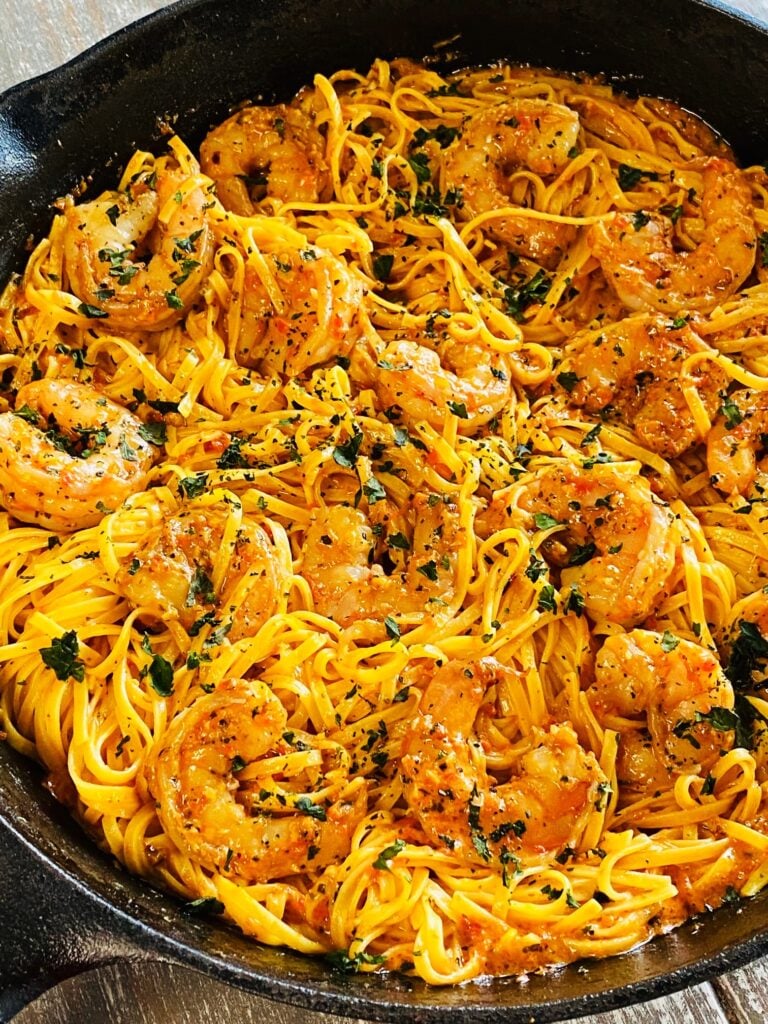
Plate immediately, garnishing with extra grated cheese, cracked pepper, and parsley. For a pro tip, twirl the pasta on a fork for elegant presentation. This recipe yields a dish that’s creamy yet light, with the peppercorns providing a warming spice that complements the shrimp’s sweetness.
Tips and Tricks for Perfection
Achieving the perfect Peppercorn Shrimp Pasta requires finesse. First, always use freshly ground peppercorns; pre-ground loses potency. Toast them to release essential oils for deeper flavor.
Cheese selection is crucial – Pecorino Romano’s sharpness is ideal, but if unavailable, substitute with Parmigiano-Reggiano for a milder taste. Grate it yourself to avoid anti-caking agents that hinder melting.
For shrimp, don’t overcook; they turn rubbery. Sauté quickly on high heat for a nice sear. If your sauce breaks, a touch of cold butter can help re-emulsify.
Make it ahead? Prep components separately, but assemble fresh to avoid soggy pasta. For gluten-free, use rice or corn pasta.
Common pitfalls: Too much heat makes cheese seize; keep it low when adding. Experiment with pepper levels – start mild and build.
For more pasta tips, see our ultimate pasta cooking guide.
Variations to Suit Every Palate
While the classic is sublime, variations keep it exciting. For a spicy twist, add red pepper flakes with the black peppercorns.
Incorporate veggies: Sauté spinach or asparagus with the shrimp for color and nutrition, inspired by black pepper garlic shrimp recipes.
Seafood lovers can mix in scallops or crab for luxury. Vegetarian? Omit shrimp and double the cheese for pure cacio e pepe.
For a creamy upgrade, stir in a splash of heavy cream, though purists frown upon it. Or go Asian-fusion with soy sauce and ginger for black pepper shrimp vibes.
Dietary adaptations: Use low-fat cheese for lighter versions, or zucchini noodles for low-carb.
These tweaks make the dish versatile for any fancy dinner theme. Explore our shrimp variations collection.
Serving Suggestions and Pairings
Elevate your fancy dinner with thoughtful pairings. Serve Peppercorn Shrimp Pasta as the main course, preceded by a light salad like arugula with lemon vinaigrette to cut the richness.
Wine: A crisp white like Pinot Grigio or Sauvignon Blanc complements the pepper and shrimp. For reds, a light Chianti works.
Sides: Garlic bread or roasted vegetables add texture. Dessert? Something refreshing like lemon sorbet.
Presentation: Use wide bowls, top with microgreens for elegance. For events, portion individually.
Nutritionally, this dish offers protein from shrimp (about 20g per serving), calcium from cheese, and antioxidants from pepper. Calories hover around 600 per serving – indulgent yet balanced.
For wine pairing ideas, check our dinner party guide.
Conclusion
Peppercorn Shrimp Pasta is more than a meal; it’s an experience that brings Italian heritage to your table with a luxurious twist. Easy to prepare yet impressively flavorful, it’s the perfect centerpiece for any fancy dinner. Try it tonight and let the bold peppercorns and tender shrimp transport you to Rome’s countryside. Share your creations on ForknFood.com, and explore more recipes like our Lemon Garlic Shrimp. Buon appetito!
Peppercorn Shrimp Pasta is more than a meal; it’s an experience that brings Italian heritage to your table with a luxurious twist. Easy to prepare yet impressively flavorful, it’s the perfect centerpiece for any fancy dinner. Try it tonight and let the bold peppercorns and tender shrimp transport you to Rome’s countryside. Share your creations on ForknFood.com, and explore more recipes like our Lemon Garlic Shrimp. Buon appetito!
Frequently Asked Questions (FAQs)
Here are answers to some common questions about preparing and enjoying Peppercorn Shrimp Pasta, based on home cooks’ experiences and expert tips.
1. Can I use pre-ground black pepper instead of freshly cracked peppercorns?
Freshly cracked or coarsely ground peppercorns are highly recommended for the best flavor and texture. Pre-ground pepper loses its aromatic oils quickly and can taste dull or dusty. Toast whole peppercorns lightly in the pan for maximum aroma – it’s a game-changer in this dish.
2. What if my sauce clumps or becomes too thick?
This is a common issue with cheese-based sauces like cacio e pepe. Always use finely grated Pecorino Romano (grate it yourself to avoid anti-caking agents), add it off the heat or on very low heat, and incorporate reserved pasta water gradually while tossing vigorously. If it clumps, add a splash more hot pasta water and keep stirring – the starch helps emulsify it into a silky texture.
3. How do I prevent overcooking the shrimp?
Shrimp cook in just 2-3 minutes per side. Sauté them separately until they turn pink and opaque, then remove them from the heat immediately. Add them back to the pasta at the end to warm through without turning rubbery. Pat them dry before cooking for a better sear.
4. Can I make this dish ahead of time?
It’s best served fresh for the creamiest sauce and perfect shrimp texture. However, you can prep components in advance: grate the cheese, grind the pepper, peel and devein the shrimp, and reserve pasta water if reheating. Assemble and cook just before serving to avoid soggy pasta or overcooked shrimp.
5. What substitutions work best if I don’t have Pecorino Romano?
Pecorino Romano provides the sharp, salty tang essential to the dish. Parmigiano-Reggiano is a good substitute (milder but still delicious), or use a 50/50 mix. Avoid pre-grated cheeses, as they don’t melt smoothly.
6. Is this dish gluten-free or can it be adapted?
Yes – swap regular pasta for gluten-free spaghetti or bucatini (rice, corn, or chickpea-based varieties work well). The sauce remains naturally gluten-free.
7. How spicy is it, and can I adjust the heat?
The black pepper provides a warm, floral spice rather than fiery heat. Start with 1-1½ tablespoons of coarsely ground peppercorns and taste as you go. For extra kick, add a pinch of red pepper flakes when toasting the pepper.
8. What wine pairs best?
A crisp, dry white like Pinot Grigio, Sauvignon Blanc, or Chardonnay cuts through the richness and complements the shrimp’s brininess. For something bolder, try a light Italian white like Vermentino.
9. Can I add vegetables or make it vegetarian?
Absolutely! Sauté spinach, asparagus, or mushrooms with the shrimp for added color and nutrition. For a vegetarian version, skip the shrimp and enjoy classic cacio e pepe, or double the cheese for extra indulgence.
10. How do I store and reheat leftovers?
Store in an airtight container in the fridge for up to 2 days. Reheat gently on the stovetop with a splash of milk or pasta water to loosen the sauce – avoid microwaving to prevent tough shrimp.
Recommended Products for Peppercorn Shrimp Pasta
Elevate your cooking with these quality ingredients and tools. (Affiliate links support ForknFood.com – we only recommend what we love!)
- Pecorino Romano Cheese: Authentic DOP Pecorino Romano for superior melt and tang. Look for brands like Locatelli or imported from Italy. Buy on Amazon
- Whole Black Peppercorns: Fresh Tellicherry or Malabar peppercorns for bold flavor. A pepper mill is essential. Recommended pepper grinder
- Large Shrimp: Wild-caught, peeled and deveined for convenience. Fresh or frozen – thaw overnight in the fridge. Seafood sourcing tips
- Bucatini Pasta: Hollow spaghetti that holds the sauce perfectly. De Cecco or Rustichella d’Abruzzo brands are excellent. Buy bucatini
- Microplane Grater: For finely grating cheese without clumps. A must-have tool! Microplane on Amazon
These products ensure restaurant-quality results every time. Happy cooking!
Other Top Products for Peppercorn Shrimp Pasta
To take your Peppercorn Shrimp Pasta from good to extraordinary, invest in premium ingredients and tools that highlight the dish’s key elements: sharp, salty cheese; bold, aromatic pepper; perfectly textured pasta; and fresh, flavorful shrimp. These recommendations focus on quality upgrades beyond the basics, drawing from top-rated brands and expert favorites for authentic results.
- Premium Pecorino Romano Cheese — The star of the sauce. Go for authentic DOP (Denominazione d’Origine Protetta) imports for superior sharpness and meltability.
- Locatelli Pecorino Romano — A consistent favorite among chefs and home cooks for its balanced saltiness and creamy texture when grated fresh. Widely praised as one of the best accessible brands. Buy on Amazon
- Fulvi Pecorino Romano — Often called creamier and more nuanced than Locatelli, with a rich, authentic Roman profile. Ideal if you want a luxurious upgrade. Search for Fulvi on Amazon
- Genuine Fulvi or Cossu — Artisanal options for true DOP quality, perfect for purists seeking the sharpest bite.
- High-Quality Whole Black Peppercorns — Freshly ground is non-negotiable for that floral, spicy depth.
- Tellicherry Black Peppercorns — Larger, more developed berries from India, offering bold aroma and complexity. A top choice for grinder refills. Buy Tellicherry peppercorns
- Burlap & Barrel Robusta or Zanzibar Black Peppercorns — Single-origin for intense heat or bright notes (lemon zest and cacao). Great for toasting in the pan. Burlap & Barrel options
- Yupanqui Black Imperial — Recognized as a standout in recent awards for everyday bold cooking. Check Yupanqui
- Top-Tier Pasta Brands — Bronze-die extruded pasta holds the silky sauce better thanks to its rough texture.
- De Cecco Bucatini or Spaghetti — Frequently ranked as the best budget-to-premium option for al dente perfection and sauce cling. Italians’ everyday go-to. Buy De Cecco
- Rummo or Rao’s — Artisanal favorites with excellent chew and porous surfaces. Rao’s edges out for sauce adherence in blind tests. Rummo or Rao’s on Amazon
- Mancini or Morelli — For heirloom wheat and organic options, these deliver hearty, restaurant-quality texture. Mancini Bucatini
- Premium Wild-Caught Shrimp — Fresh or flash-frozen wild shrimp taste sweeter and brinier than farmed.
- Large or Jumbo Wild-Caught Shrimp (21-30 count per pound) — Argentinian red or Gulf varieties shine in pasta dishes for their natural sweetness. Opt for peeled and deveined for ease. Look for sustainable sources. Seafood buying guide or search wild-caught on trusted sites like Vital Choice or local markets.
- Essential Kitchen Tools Upgrades
- High-Quality Pepper Grinder or Mortar & Pestle — For coarse, fresh cracks. A manual grinder like Peugeot ensures even texture. Pepper grinder recommendations
- Microplane or Fine Grater — Grates Pecorino finely for smooth emulsification—no clumps! Microplane grater
- Large Skillet or Sauté Pan — Non-stick or stainless for toasting pepper and emulsifying sauce. Lightweight aluminum pans (like Agnelli) are classic for cacio e pepe-style dishes.
- Tongs and Spider Strainer — For transferring pasta directly to the sauce and reserving starchy water easily.
These products emphasize quality without excess—focus on fresh grinding, authentic cheese, and bronze-cut pasta for the biggest impact. Stock up on these, and your Peppercorn Shrimp Pasta will rival any fine Italian restaurant. Pair them with our recipe for foolproof elegance!

Leave a Reply