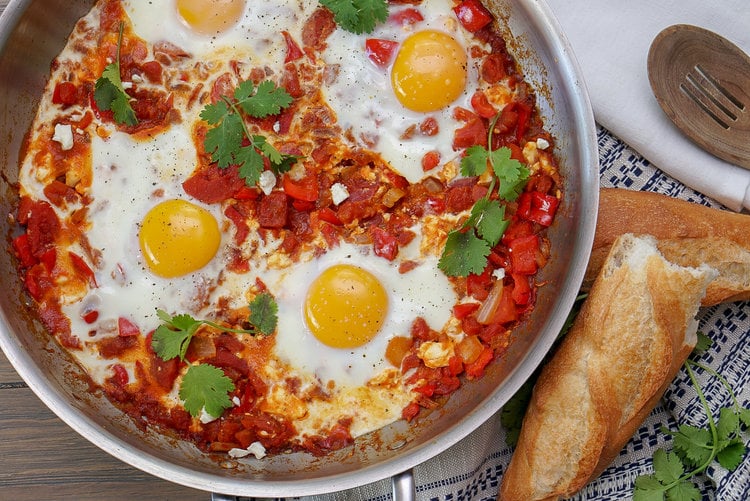
Welcome to Frokn Food, your go-to destination for healthy, delicious recipes that fit into busy lifestyles. Today, we’re diving into a flavorful, nutrient-packed dish that’s perfect for starting your day on a high note: Shakshuka with Feta. This low-carb breakfast idea combines poached eggs in a spicy tomato sauce, topped with creamy feta cheese, making it not only satisfying but also incredibly good for you. Whether you’re following a keto diet, looking to cut down on carbs, or simply wanting a hearty meal that’s easy to prepare, this recipe has you covered.
Shakshuka, pronounced “shahk-SHOO-kah,” is a one-pan wonder that originated in North Africa and has become a staple in Middle Eastern cuisine. It’s traditionally served for breakfast but can easily transition to brunch, lunch, or even dinner. The beauty of this dish lies in its simplicity—fresh ingredients simmered together to create a rich, aromatic base where eggs are gently poached. Adding feta brings a tangy, creamy element that elevates the flavors while keeping the carb count low.
In this article, we’ll explore the history of shakshuka, its impressive nutritional profile, a step-by-step recipe tailored for low-carb enthusiasts, variations to keep things exciting, serving suggestions, and tips for perfecting your version. By the end, you’ll be ready to whip up this nutritious meal in your own kitchen. If you’re new to low-carb cooking, check out our internal link https://forknfood.com/ collection of low-carb recipes for more inspiration.
The History of Shakshuka
Shakshuka’s roots trace back to the Ottoman Empire, where a similar dish called şakşuka involved cooked vegetables and sometimes meat. It evolved in North Africa, particularly in Tunisia, Libya, and Morocco, before spreading to the Middle East. Historians like Gil Marks suggest it descended from Ottoman influences in the Maghreb region, with the name deriving from words meaning “mixture” or “shaken up” in various dialects.
The dish gained popularity in Israel in the mid-20th century, brought by Maghrebi Jewish immigrants fleeing North Africa in the 1950s. There, it became a beloved breakfast item, often customized with local spices and ingredients. Some sources attribute its origins to the Amazigh (Berber) people of Tunisia, who have inhabited North Africa since ancient times. Yemen also claims a version, but the consensus points to North African beginnings.
Today, shakshuka is enjoyed worldwide, from trendy cafes in New York to home kitchens in Karachi. Its adaptability has made it a favorite for health-conscious eaters, as it naturally aligns with low-carb and Mediterranean diets. For more on Middle Eastern-inspired dishes, explore our Mediterranean recipe section.
Nutritional Benefits of Shakshuka with Feta
What makes shakshuka with feta a nutritious powerhouse? Let’s break it down by key ingredients. This dish is low in carbohydrates—typically under 10g net carbs per serving—making it ideal for keto or low-carb lifestyles. It’s packed with protein, healthy fats, vitamins, and antioxidants, supporting everything from weight management to skin health.
Starting with the eggs: Each serving usually includes 2-4 eggs, providing high-quality protein (about 12g per serving) that’s essential for muscle repair and satiety. Eggs are rich in choline, which supports brain function, and lutein for eye health. They’re also a source of vitamins A, D, E, and B12, plus minerals like iron and zinc.
Tomatoes form the base of the sauce and are loaded with lycopene, an antioxidant that protects against heart disease, cancer, and UV damage to the skin. They provide vitamin C for immunity and potassium for heart health. Bell peppers add more vitamin C—often more than oranges—along with fiber for digestion and antioxidants like beta-carotene.
Onions and garlic bring anti-inflammatory benefits. Garlic’s allicin supports immune function and gut health, while onions provide prebiotics for a healthy microbiome. Spices like cumin, paprika, and chili not only add flavor but also boost metabolism; capsaicin in chilies can aid fat loss.
Feta cheese contributes calcium for bone health, probiotics for gut balance, and a creamy texture without spiking carbs. It’s lower in lactose than other cheeses, making it suitable for many with dairy sensitivities. Olive oil, used for sautéing, enhances nutrient absorption (especially fat-soluble vitamins) and provides heart-healthy monounsaturated fats.
Overall, a typical serving (250g with 2 eggs) clocks in at around 220-300 calories, with 12-18g protein, 14g fat, and 12g carbs (3g fiber). It’s high in fiber from veggies, promoting fullness and stable blood sugar. For those watching weight, it’s satiating and nutrient-dense, helping curb cravings. If you’re interested in more nutrition breakdowns, visit our nutrition guides.
Adding spinach or zucchini, as in some variations, amps up the vitamins: Spinach offers iron and folate, while zucchini adds hydration and low-cal bulk. This makes shakshuka a balanced meal that supports immunity, skin glow, and energy levels—perfect for winter mornings when you need something warming and fortifying.
Ingredients for Low-Carb Shakshuka with Feta
This recipe serves 4 and keeps things simple with pantry staples. Prep time: 10 minutes; Cook time: 25 minutes.
- 2 tablespoons olive oil
- 1 medium onion, diced
- 1 red bell pepper, sliced
- 3 garlic cloves, minced
- 1 teaspoon cumin
- 1 teaspoon paprika (smoked for extra flavor)
- 1/2 teaspoon chili flakes (adjust for spice level)
- 1 can (28 oz) diced tomatoes (no added sugar)
- Salt and pepper to taste
- 8 large eggs
- 4 oz feta cheese, crumbled
- Fresh parsley or cilantro for garnish
- Optional: 2 cups fresh spinach or 1 zucchini, diced for added veggies
For a keto twist, ensure your tomatoes are low-sugar. You can find more ingredient tips in our keto shopping guide.
Step-by-Step Recipe Instructions
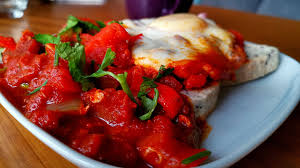
- Heat the oil: In a large cast-iron skillet or oven-safe pan, heat the olive oil over medium heat. Add the diced onion and sliced bell pepper. Sauté for 5-7 minutes until softened and slightly caramelized.
- Add aromatics: Stir in the minced garlic, cumin, paprika, and chili flakes. Cook for 1-2 minutes until fragrant. This builds the flavorful base.
- Simmer the sauce: Pour in the diced tomatoes with their juices. Season with salt and pepper. Bring to a simmer and let cook for 10 minutes, stirring occasionally, until the sauce thickens. If using spinach or zucchini, add them here to wilt into the sauce.
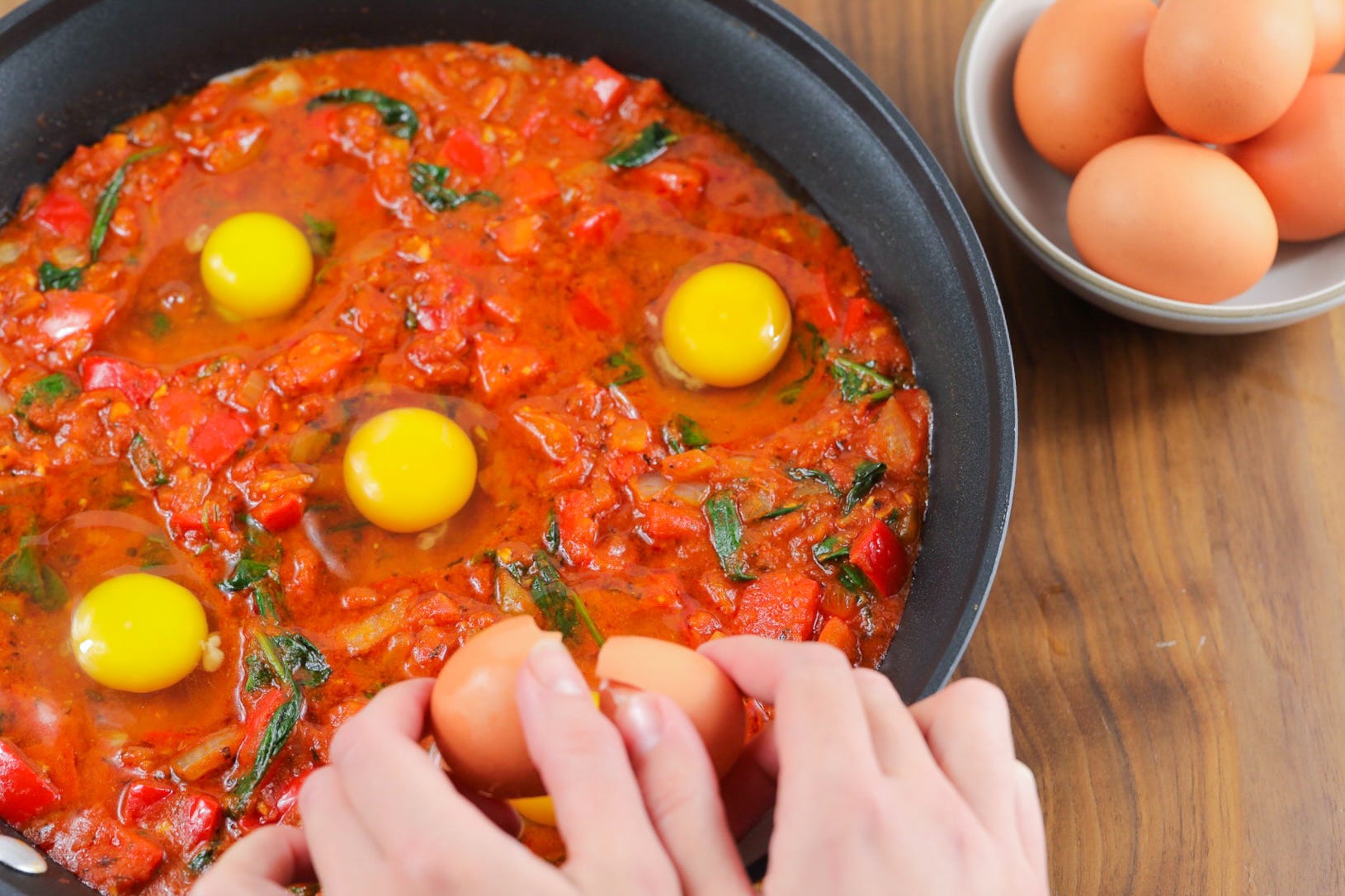
- Poach the eggs: Make small wells in the sauce with a spoon (about 8 for the eggs). Crack an egg into each well. Cover the pan and cook for 5-8 minutes, or until the egg whites are set but yolks are still runny. For firmer eggs, cook longer.
- Add feta: Sprinkle crumbled feta over the top during the last 2 minutes of cooking. It will soften slightly without melting completely.
- Garnish and serve: Remove from heat, garnish with chopped parsley or cilantro, and serve hot. Enjoy with low-carb bread alternatives like almond flour toast or straight from the pan.
This method ensures even cooking and maximum flavor absorption. Total calories per serving: Approximately 290, with 18g protein and 14g carbs.
Variations to Keep It Fresh
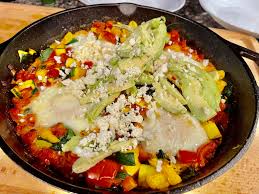
Shakshuka is endlessly customizable. For a green twist, try “Green Shakshuka” with spinach, kale, and herbs instead of tomatoes—still low-carb and nutrient-rich. Add chorizo or sausage for a meaty version, boosting protein. Vegetarian? Incorporate chickpeas for fiber, though watch the carbs.
For a Greek-inspired take, add olives and oregano. Or go Mexican with jalapeños and avocado on top for healthy fats. If you’re dairy-free, skip the feta or use a plant-based alternative. Experiment with our variation ideas.
Serving Suggestions and Pairings
Serve shakshuka family-style in the skillet for a communal feel. Pair with a side salad of cucumber and tomatoes dressed in olive oil for extra freshness. For low-carb options, try cauliflower rice or zucchini noodles to sop up the sauce.
Beverage-wise, a hot cup of tea or coffee complements the spices. For brunch, add a yogurt parfait (low-carb, of course). It’s also great as meal prep—reheats well for up to 2 days. Check external resources like Feel Good Foodie for more ideas.
Tips for the Perfect Shakshuka
- Use fresh, ripe tomatoes if possible for better flavor, but canned work year-round.
- Don’t overcook the eggs—runny yolks create a luxurious sauce.
- Adjust spices to your taste; start mild and build up.
- For a thicker sauce, simmer longer or add a touch of tomato paste.
- Make it ahead: Prepare the sauce the night before and poach eggs fresh.
- Storage: Refrigerate leftovers in an airtight container for 2-3 days. Reheat gently to avoid rubbery eggs.
These tips ensure success every time. For more cooking hacks, head to our kitchen tips page.
Conclusion
Nutritious Shakshuka with Feta is more than just a low-carb breakfast—it’s a celebration of flavors, history, and health benefits in one skillet. With its protein-packed eggs, antioxidant-rich veggies, and tangy feta, it’s a meal that nourishes body and soul. Whether you’re in Karachi enjoying it with a twist of local spices or anywhere else, this dish is versatile and delicious.
Try it this weekend and let us know in the comments how it turned out! For similar recipes, browse our breakfast ideas. Stay tuned to Frokn Food for more wholesome content. Happy cooking!
Frequently Asked Questions (FAQs) about Shakshuka with Feta
1. Is shakshuka with feta low-carb or keto-friendly?
Yes! This version is naturally low in carbs, typically around 8-12g net carbs per serving (depending on exact portions and added veggies like bell peppers or onions). The base relies on eggs, tomatoes, and spices rather than bread or grains. For strict keto, use no-sugar-added canned tomatoes and skip or minimize higher-carb additions. It’s a popular choice for low-carb breakfasts—check our full low-carb recipes collection for more ideas.
2. Can I make shakshuka ahead of time?
Absolutely, but with a small tweak for best results. Prepare the tomato sauce (onions, peppers, garlic, spices, and tomatoes) up to 2-3 days in advance and store it in an airtight container in the fridge. When ready to eat, reheat the sauce in a skillet, then crack in fresh eggs and cook until the whites set. This keeps the eggs perfectly poached and avoids overcooking. The full dish with eggs is best enjoyed fresh, but leftovers store well for 1-2 days.
3. How do I store and reheat leftover shakshuka?
Store any leftovers in an airtight container in the refrigerator for up to 2-3 days. Reheat gently on the stovetop over low heat (add a splash of water if the sauce thickens too much) or in the microwave in short bursts to prevent rubbery eggs. For meal prep, make extra sauce and poach eggs fresh each time—it’s a game-changer for busy mornings in Karachi!
4. What can I serve with shakshuka instead of bread to keep it low-carb?
Skip traditional pita or crusty bread and pair it with low-carb alternatives like sliced avocado, a simple cucumber-tomato salad, cauliflower rice, or zucchini noodles to soak up the sauce. For a Pakistani twist, try it with a side of low-carb roti alternatives or just enjoy it spoon-style straight from the pan. It’s filling on its own thanks to the protein and healthy fats.
5. Can I make shakshuka without feta or dairy-free?
Yes—omit the feta entirely for a dairy-free version, or swap it with a plant-based feta alternative, crumbled goat cheese, or even queso fresco if available. The dish remains flavorful from the spices, tomatoes, and eggs alone. It’s naturally gluten-free and adaptable for many diets.
6. How spicy is shakshuka, and can I adjust the heat?
Traditional shakshuka has a mild-to-medium kick from chili flakes or fresh chilies. Start with ½ teaspoon of red chili flakes (or less) and taste as you go—perfect for Pakistani palates who love spice! Add more for extra heat, or include fresh green chilies for a local flair. If you prefer it milder, skip the chili altogether.
7. What are some popular variations of shakshuka?
Shakshuka is super versatile! Try adding spinach or kale for a green version (great for extra nutrients), ground meat like lamb or beef for a heartier meal, or chorizo for a smoky twist. For a Mexican-inspired take, toss in jalapeños and top with avocado. In our kitchen, we sometimes add zucchini or extra garlic for variety—explore more in our recipe variations guide.
8. Is shakshuka suitable for breakfast, lunch, or dinner?
All of the above! It’s traditionally a breakfast or brunch dish in the Middle East and North Africa, but its savory, comforting profile makes it excellent for any meal. In many households, it’s enjoyed as a quick dinner too—especially on busy days.
9. Why do the eggs sometimes overcook or not set properly?
The key is gentle heat and making shallow wells in the sauce before cracking eggs in. Cover the pan to steam the tops while keeping yolks runny (5-8 minutes usually). If whites aren’t setting, spoon a bit of hot sauce over them. Use fresh eggs for the best results—avoid high heat that can toughen them.
10. Where can I find more authentic or low-carb shakshuka inspiration?
For a reliable classic version, check out Feel Good Foodie’s Shakshuka with Feta. It’s simple and aligns well with our low-carb approach. Back on froknfood.com, browse our healthy breakfast ideas for similar nutrient-packed recipes.
Here’s a Top Related Products section you can add to your article on Nutritious Shakshuka with Feta – Low-Carb Breakfast Idea for froknfood.com. This focuses on practical, highly recommended items that make preparing shakshuka easier, tastier, or more authentic—especially for low-carb home cooks in Karachi (where cast iron and quality spices are widely available via local markets or online like Daraz.pk). I’ve kept it engaging, SEO-friendly, and tied to the recipe’s one-pan simplicity, with internal links and affiliate-style external suggestions where relevant.
Top Related Products for Making Shakshuka with Feta at Home
Shakshuka is a simple, one-pan dish, but the right tools and ingredients elevate it from good to restaurant-quality. Here are some top-recommended products that pair perfectly with our low-carb version—focusing on cookware for even heating, quality spices for authentic flavor, and extras for customization. These picks are based on popular recommendations from home cooks and experts.
1. Best Cast Iron Skillet: Lodge 10.25-Inch Pre-Seasoned Cast Iron Skillet
The gold standard for shakshuka! This affordable, durable skillet (around $20-30 globally) retains heat beautifully for simmering the tomato sauce and poaching eggs evenly. Its size is ideal for 4 servings—perfect family breakfast in Karachi. Many experts praise Lodge for searing, versatility, and longevity; it’s pre-seasoned and works on stovetop, oven, or even grill.
While tomatoes are acidic, short cooks (under 30 minutes) are fine with well-seasoned cast iron—no flavor issues reported in countless shakshuka recipes.
Get it on Amazon or check local options on Daraz.pk.
For alternatives, try the lighter Field Company No. 8 Cast Iron Skillet if you want smoother finish and easier handling.
2. Premium Enameled Cast Iron Option: Le Creuset Signature Braiser or Skillet
If you’re concerned about acidity or want something luxurious, go enameled! Le Creuset’s braiser excels at even heat for stews, shakshuka, and more—great for shallow poaching and serving straight to the table. It’s pricier but lasts a lifetime with vibrant colors.
Ideal for low-carb variations with extra veggies. Available via premium kitchen stores in Karachi or international shipping.
3. Authentic Shakshuka Pan: Tredoni or Traditional Aluminum Double-Handle Pan
For that classic Middle Eastern/North African feel, grab a small authentic shakshuka pan (like the 5.5-8 inch aluminum versions from Egyptian brands). These have double handles for easy serving and are designed specifically for the dish—often used in restaurants. Affordable and lightweight, great if you want individual portions.
4. Quality Spices for Flavor Boost
- Ground Cumin and Paprika (Organic if possible): Essential for that warm, authentic taste. Look for fresh packs from local spice markets in Karachi (like Empress Market) or brands like McCormick/Spice Tribe online.
- Harissa Paste or Chili Flakes: Add heat without carbs—harissa brings North African authenticity. A tube lasts ages and elevates any variation.
Stock up via our spice guide for low-carb cooking.
5. Canned Tomatoes (Low-Sugar/No-Added-Sugar)
Use high-quality diced or crushed tomatoes (e.g., BioNaturae, Muir Glen, or local no-sugar brands) for the base sauce. Fire-roasted versions add smokiness without extra carbs. These keep the dish low-carb and convenient—stock your pantry for quick meals.
6. Feta Cheese Alternatives or Add-Ins
For the tangy topping, go for authentic Greek feta or a local crumbly white cheese. Dairy-free? Try plant-based feta. Pair with extras like fresh parsley/cilantro (easy to find fresh in Karachi) or avocado slices for healthy fats.
7. Other Handy Tools
- A good lid (for covering while eggs poach).
- Wooden spoon or spatula for stirring without scratching.
- Oven-safe if you finish in the oven for firmer eggs.
These products keep prep simple and results consistent—shakshuka shines when the pan holds heat well and spices are fresh. Start with a solid skillet, and you’ll make this low-carb favorite weekly!
For more gear recommendations, check our kitchen essentials page.
Leave a Reply