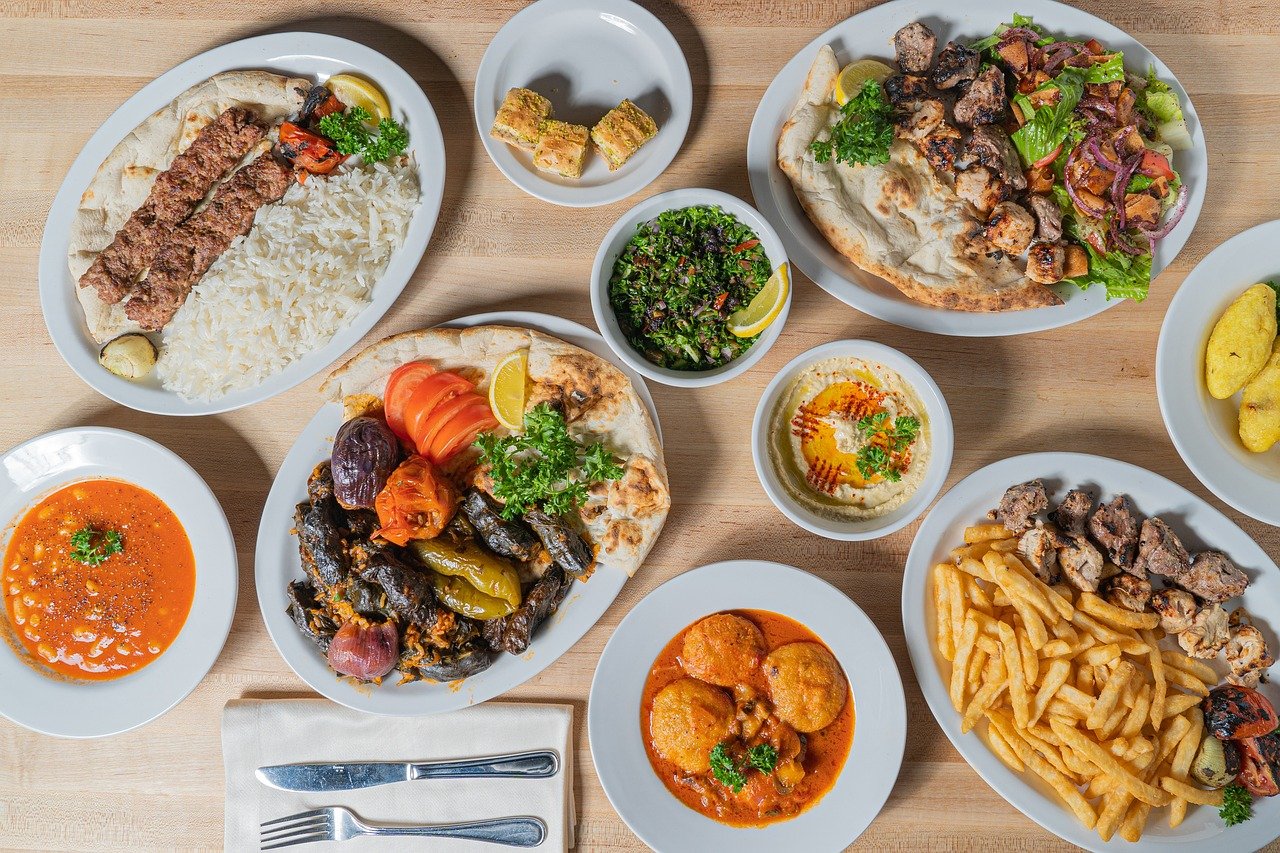
The Harmain – the sacred cities of Makkah and Madinah – are not just spiritual epicenters for millions of Muslims worldwide but also vibrant hubs of culinary diversity. As pilgrims flock to Masjid al-Haram in Makkah and the Prophet’s Mosque in Madinah for Umrah or Hajj, the need for nourishing, halal meals becomes paramount. These cities blend traditional Saudi Arabian cuisine with international influences, thanks to the global influx of visitors. From aromatic rice dishes simmered in spices to fresh dates and grilled meats, the food scene reflects the region’s Hijazi heritage while accommodating modern tastes.
In Makkah, the bustling energy around the Clock Tower and Jabal Omar areas offers everything from quick fast-food bites to upscale dining with views of the Kaaba. Madinah, with its more serene vibe, emphasizes lighter, farm-fresh options near the Prophet’s Mosque. This guide highlights the best places to eat, focusing on accessibility, affordability, and authenticity. Whether you’re seeking budget-friendly street eats or a memorable fine-dining experience, we’ve got you covered. For more on Saudi flavors, check our https://forknfood.com/ Saudi Arabian Cuisine Overview on ForknFood.com.
Remember, all recommendations are halal-certified, and we advise checking prayer times as many spots adjust hours during peak seasons. Let’s dive into the culinary treasures of the Harmain.
Culinary Delights in Makkah: A Pilgrim’s Paradise
Makkah’s food landscape is as dynamic as its streets, with options ranging from humble eateries to luxurious hotel restaurants. Proximity to Masjid al-Haram is key for pilgrims, so many top spots are within walking distance or in the Abraj Al Bait Clock Tower complex. The city’s cuisine draws heavily from Hijazi traditions, featuring bold spices like cardamom, saffron, and cinnamon. Expect dishes influenced by Yemen, India, and Pakistan due to historical trade routes and diverse visitors.
Iconic Local Dishes to Try in Makkah
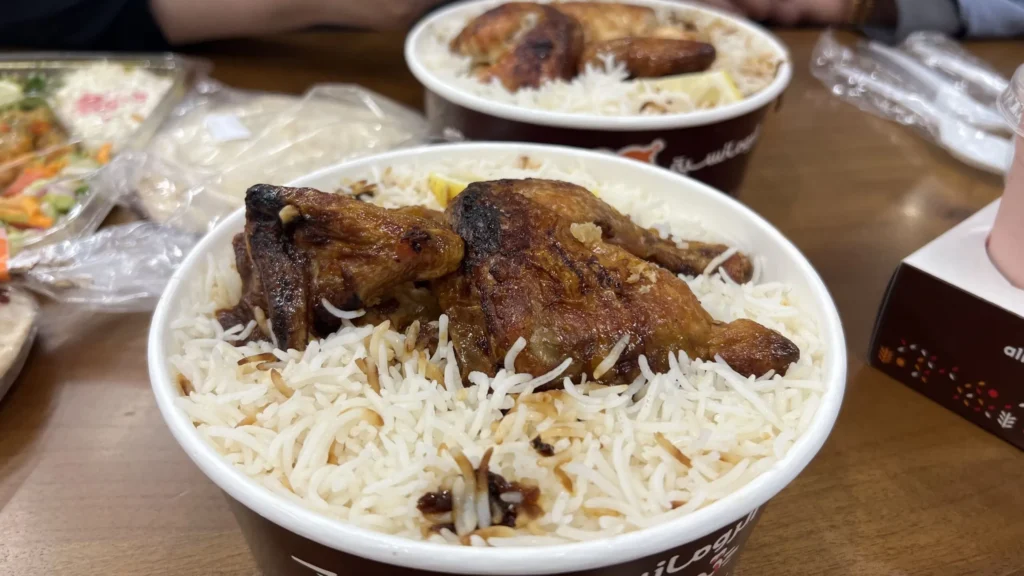
Start with Kabsa, Saudi Arabia’s national dish – a fragrant rice pilaf cooked with chicken or lamb, tomatoes, onions, and a medley of spices. It’s hearty and perfect post-prayer fuel. Another must-try is Mandi, tender meat slow-cooked underground with rice, absorbing smoky flavors from the pit. For something unique to the Makkah region, sample Saleeg, a creamy rice porridge topped with roasted chicken and milk, often seasoned with mastic for a subtle piney note. These dishes embody the essence of Saudi hospitality and are widely available.
For sweets, indulge in Debyaza, a Meccan specialty of mixed nuts, dates, and apricots – a refreshing compote ideal for breaking fast during Ramadan. Pair it with fresh Zamzam water for an authentic experience.
Top Restaurants and Eateries Near Masjid al-Haram
- Alqandeel Restaurant: Located just 0.4 miles from the Haram, this spot tops TripAdvisor lists with its international and Middle Eastern fusion. Diners rave about the grilled lamb chops and fresh salads, served in an elegant setting with Haram views. Prices range from $$$$, but portions are generous. Try their signature mixed grill for a taste of local spices. Open daily, it’s ideal for families. External link: Alqandeel on TripAdvisor.
- Zafaran Restaurant: A Mediterranean gem 0.5 miles away, known for its vibrant decor and dishes like saffron-infused rice with seafood. Pilgrims appreciate the quick service and halal certifications. Budget: $$$$. Don’t miss the Zafaran special – a twist on Kabsa with prawns.
- Al Tazaj (Clock Tower Food Court): For affordable, fast Saudi fare, head to this chain specializing in grilled chicken marinated in garlic and lemon. It’s a pilgrim favorite for its watani (local) chicken and views of the Haram. Meals start at 20 SAR, making it budget-friendly. Pair with fresh salads and Arabic bread. External link: Al Tazaj Official Site.
- Al Baik (Clock Tower): No Makkah visit is complete without this iconic fried chicken chain. Crispy, spiced broasted chicken with garlic sauce – it’s economical (under 15 SAR per meal) and always bustling. Branches near the Haram ensure short waits post-prayer.
- Romansiah (Jabal Omar): Specializing in Mandi and Madghut (spiced rice with chicken), this spot offers authentic Saudi flavors in a clean, air-conditioned space. It’s popular for group dining, with meals around 30-50 SAR. The lamb Mandi is a standout.
For street food enthusiasts, explore the Misfalah area near the Haram for Pakistani-inspired curries and broasts at rock-bottom prices (5-10 SAR). Spots like Broast Faroj offer tender chicken with rice. If you’re into burgers, Smash Burger in the Clock Tower serves juicy patties with Haram vistas.
Fine dining options include Prime Restaurant, where healthy eats like grilled fish and quinoa salads cater to health-conscious travelers. It’s pricier but worth it for the ambiance. For coffee breaks, Ratio Café near the mosque brews strong Arabic coffee with dates.
Tips for dining in Makkah: Opt for food courts in towers for variety and AC during hot months. Hygiene is crucial – stick to busy spots. During Hajj, book ahead via apps like Hunger Station. For more pilgrim tips, see our Umrah Travel Essentials on ForknFood.com.
Savoring Madinah: Tranquil Tastes Near the Prophet’s Mosque
Madinah’s culinary scene is more laid-back, reflecting its agricultural roots with emphasis on dates, fresh produce, and lighter meals. The area around Al Masjid an-Nabawi buzzes with eateries offering comfort food for reflection and rest. Influences from Turkish, Pakistani, and local Hijazi cuisines create a melting pot, with many spots focusing on family-friendly atmospheres.
Signature Dishes of Madinah
Madini Rice is the star – white rice topped with tender lamb in a red-hued broth flavored with onions, cardamom, and saffron. It’s simple yet profound, symbolizing the city’s prophetic heritage. Try Saleeg here too, often lighter than Makkah’s version. For something adventurous, sample camel meat at spots like Hashi Basha – slow-cooked and nutritious.
Dates are ubiquitous; Madinah’s farms produce world-class varieties like Ajwa, known for their health benefits. During Ramadan, street vendors offer viral rose ice cream and honey-drenched sweets. Biryani, influenced by South Asian pilgrims, is another staple, slow-cooked with halal meats.
Must-Visit Spots Near the Prophet’s Mosque
- Arabesque Restaurant: Just 0.4 miles from the mosque, this international venue excels in Mediterranean fare like lamb kofta and fresh mezzes. Rated highly for service, it’s moderately priced ($$-$$$) and perfect for iftar. The ambiance overlooks the mosque plaza. External link: Arabesque on TripAdvisor.
- Zaitoon Restaurant: A top pick for Pakistani, Indian, and Arabic BBQ, located 0.3 miles away. Their biryani and grilled kebabs are flavorful and affordable ($$). Family-oriented with halal certifications, it’s a pilgrim hotspot. External link: Zaitoon Official Site.
- Chef Burak Gurme: For steak lovers, this Turkish-inspired steakhouse offers premium cuts in a modern setting. Try the signature steaks with sides – pricey but exceptional. Closed briefly post-prayer.
- Al Baik (Taiba Front Food Court): Similar to Makkah, this chain delivers crispy chicken near the mosque. Quick and cheap, ideal for on-the-go meals.
- Hashi Basha: En route to Masjid Qiblatain, this spot specializes in camel dishes like slow-cooked stews. It’s authentic and budget-friendly, offering a taste of Bedouin cuisine.
Explore the Taiba Arac Suites area for cafes like Row Café for specialty coffee or Swiss Butter for desserts. Shawaya Biladi grills fresh meats, while Al Asema Ice Cream provides refreshing treats post-prayer.
For markets, visit Chef’s Market for diverse options or the Saffiyah Museum mall for quieter dining. Italiani offers pasta twists on halal themes.
Dining tips in Madinah: Traffic peaks after prayers, so plan accordingly. Opt for outdoor seating in cooler evenings. For vegetarian options, many spots adapt dishes. Check our Halal Dining Tips for more.
Final Thoughts: Nourishing Body and Soul in the Harmain
Exploring the food in Makkah and Madinah enriches your spiritual journey, offering moments of communal joy amid devotion. From the smoky Mandi in Makkah to Madinah’s delicate Madini Rice, these cities serve up memories as lasting as the prayers. Stay hydrated, respect local customs, and embrace the diversity. For extended Saudi travels, read our Jeddah Food Scene. Safe journeys and bon appétit!
The Harmain Food Guide continues to be a go-to resource for pilgrims visiting Makkah and Madinah. Beyond the top dining spots highlighted earlier, many travelers have questions about practical aspects of eating during Umrah or Hajj. Here are some common FAQs based on pilgrim experiences, along with related products and tips to make your journey smoother and more enjoyable.
Frequently Asked Questions (FAQs) About Eating in Makkah and Madinah
1. What are the must-try healthy foods for pilgrims to stay energized?
Dates (especially Ajwa from Madinah), Zamzam water, nuts, seeds, and dried fruits are essential. These provide quick energy, potassium, and hydration in the hot climate. Pair them with grilled chicken, lentil soup, or rice-based dishes like Kabsa or Saleeg. Avoid heavy fried foods if possible during long prayer sessions. Many pilgrims carry small packs of mixed nuts and dates for quick snacks between tawaf or sa’i.
2. Is street food safe in Makkah and Madinah?
Yes, but stick to busy, high-turnover stalls for freshness. Popular options include shawarma in Aziziyah (Makkah) or fresh juices near the mosques. Always choose places with good crowds to minimize risks of food poisoning. Wash hands frequently and drink only bottled or sealed water.
3. What food delivery apps work best in the Harmain cities?
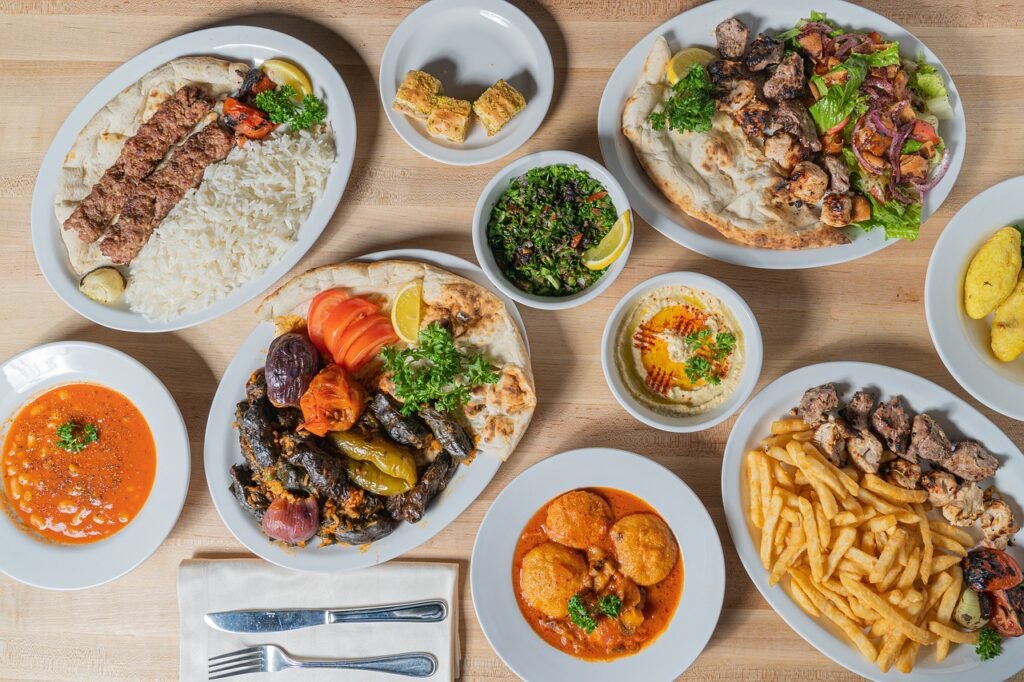
Popular apps include HungerStation (widest coverage and variety), Jahez (fast and reliable Saudi-based option), Mrsool (flexible for custom orders), and Talabat or Keeta. These deliver to hotels near the Haram in both cities, often with discounts for new users. During peak seasons, order ahead to avoid long waits. Many pilgrims use them for late-night meals or to rest in their rooms.
4. Are there vegetarian or gluten-free options near the mosques?
Yes—many spots offer grilled veggies, salads, hummus, falafel, or rice dishes. Ask for modifications (e.g., no meat in Kabsa). For gluten-free, opt for grilled meats/fish or steamed items and confirm separate prep areas. International chains in food courts often accommodate requests.
5. How much should I budget for food per day?
Budget-friendly meals (Al Baik, shawarma, or local eateries) cost 20–50 SAR per person. Mid-range restaurants run 50–100 SAR, while fine dining can exceed 150 SAR. A daily average of 50–80 SAR covers two main meals plus snacks. Food courts in Clock Tower (Makkah) or Taiba Front (Madinah) offer variety at lower prices.
6. What about food during Hajj in Mina or Arafat?
Pack portable items like dates, nuts, energy bars, and sealed juices for Mina tents, where options are limited. Official Hajj meals are provided, but supplements help. Focus on hydration and light, digestible foods to avoid discomfort in the heat.
7. Can I bring food into Saudi Arabia?
No food products are generally allowed for Hajj/Umrah pilgrims to prevent contamination. Buy dates, nuts, and snacks locally—they’re abundant and fresh.
8. Best spots for iftar or suhoor during Ramadan?
Many hotels and restaurants offer buffets with views of the Haram. Try places like Alqandeel or Arabesque for family-style meals. Street vendors sell rose ice cream or honey sweets post-iftar.
Related Products and Essentials for Food on Your Pilgrimage
To enhance your dining experience, consider these pilgrim-friendly items (widely available in Makkah/Madinah markets or online via apps):
- Premium Ajwa Dates: Madinah’s signature variety—nutritious and blessed. Buy sealed packs from farms or certified shops near the Prophet’s Mosque.
- Mixed Dry Fruits and Nuts Packs: Almonds, walnuts, raisins—great for energy. Look for vacuum-sealed options in souks.
- Reusable Water Bottle: Fill with Zamzam (available free at mosques) to stay hydrated.
- Portable Snacks: Energy bars, granola, or sealed yogurt drinks for long days.
- Halal Supplements: Multivitamins or electrolyte packets (available in pharmacies near hotels).
- Prayer-Time Apps with Food Nearby: Many combine salah reminders with restaurant maps.
For more on packing essentials, check our internal link: Umrah Packing List & Essentials on ForknFood.com.
These FAQs and products help pilgrims focus on worship while enjoying nourishing meals. The Harmain’s food scene evolves, but timeless favorites like Al Baik, Mandi, and fresh dates remain crowd-pleasers. Safe travels, and may your journey be blessed!
Building on our Harmain Food Guide and the practical FAQs, many pilgrims love bringing home edible souvenirs from Makkah and Madinah. These food-related products not only capture the authentic flavors of the holy cities but also serve as meaningful, blessed gifts for family and friends back home. They tie directly into the local cuisine we’ve explored—think nourishing dates as a staple in pilgrim diets, paired with other treats that reflect Saudi hospitality and tradition.
Here are some of the top related products pilgrims commonly buy, focusing on food and edible items. These are widely available in markets near Masjid al-Haram (Makkah), around the Prophet’s Mosque (Madinah), or in specialized souqs like the Madinah Dates Market.
1. Ajwa Dates (from Madinah)
The undisputed star of Madinah souvenirs. These premium, dark, fiber-rich dates are famously praised in hadith for their blessings and health benefits. Pilgrims flock to buy them fresh or in gift packs—often in 1kg, 2kg, or 5kg boxes. Look for authentic ones from local farms near Mount Uhud or stalls in Souq Al-Tamr (Dates Market). Varieties like Ajwa Al-Madina are soft, naturally sweet, and no-sugar-added.
Perfect as a healthy snack or Ramadan gift. Prices start around 50–150 SAR per kg depending on quality.
Internal link: Pair these with our earlier tips on healthy pilgrim foods.
2. Other Premium Saudi Dates (Safawi, Sukkari, Khudri, Mabroom)
Beyond Ajwa, try these popular varieties grown across the region. Safawi are chewy and caramel-like, Sukkari super sweet and melt-in-mouth, while Khudri offer a balanced flavor. Often sold stuffed with almonds or coated in chocolate for extra indulgence.
Available in vacuum-sealed packs for easy travel. Great for sharing as energy-boosting treats post-pilgrimage.
3. Zamzam Water
Not strictly “food,” but the most iconic edible-related souvenir. Pilgrims fill special 5-liter containers (available near the Haram) with blessed Zamzam from mosque taps—free and unlimited. Many buy branded, sealed bottles or gift sets for home use. It’s believed to carry healing properties and is a sunnah to drink.
Tip: Customs in many countries allow limited quantities, so check airline rules.
4. Local Honey (Sidr or Arabian Honey)
Pure, organic Saudi honey—especially Sidr honey from the region—is nutrient-rich and often sold in beautiful jars. It’s a natural sweetener for tea or dates, tying into traditional Saudi hospitality. Markets near the mosques stock varieties with nuts or infused flavors. Affordable and long-lasting, it’s a thoughtful gift for health-conscious loved ones.
5. Mixed Nuts and Dried Fruits
Packs of almonds, walnuts, pistachios, raisins, and apricots—often mixed with dates—are pilgrim favorites for quick energy. Vacuum-sealed for freshness, these are sold in souks and food villages. Some stalls offer customized gift boxes with a Hijazi twist.
6. Date-Based Products (Syrup, Chocolates, Stuffed Dates)
- Date syrup (Dibs): Thick, molasses-like sweetener for pancakes or yogurt—healthy and versatile.
- Date chocolates or stuffed dates: Filled with nuts, cream, or pistachios—luxury treats popular during Ramadan.
- Date vinegar or pastes: Niche but authentic for cooking back home.
7. Saudi Coffee (Gahwa) and Spices
While not a full meal, small packs of cardamom-spiced Saudi coffee beans or grounds pair beautifully with dates (a classic combo). Add saffron, cinnamon, or other Hijazi spices for authentic home brewing.
8. Traditional Sweets and Snacks
Look for baklava-style pastries, halwa, or rose-flavored treats from street vendors or Global Food Village in Madinah. These capture the sweet side of Saudi cuisine and make delightful shareable gifts.
Shopping Tips for These Products
- Best spots: In Makkah, check Abraj Al Bait shops or souks near the Haram. In Madinah, head to the Dates Market near Quba Mosque, Al Uyun Market, or pedestrian areas around the Prophet’s Mosque.
- Quality check: Buy from busy, reputable stalls for freshness; opt for sealed packaging to pass customs easily.
- Budget: Most edible souvenirs range from 20–200 SAR, making them affordable for bulk gifting.
- Customs note: Dates and honey usually clear easily, but confirm with your home country’s rules to avoid issues.
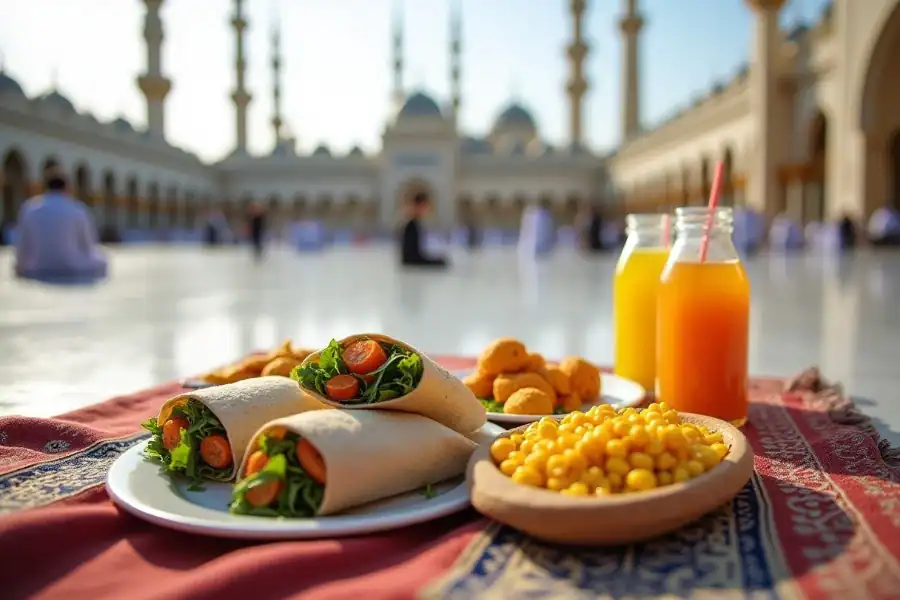
These products extend the spiritual and culinary experience of the Harmain long after you return. Bringing back Ajwa dates or a bottle of Zamzam lets you share a piece of the blessing with others. For more on pilgrim essentials, explore our Umrah Souvenirs & Gifts Guide on ForknFood.com.
Safe travels, and may your gifts bring joy and barakah!
Leave a Reply