In the ever-evolving world of nutrition and wellness, fermented superfoods have emerged as a powerhouse category, blending ancient traditions with modern health science. These foods, which undergo a natural process of microbial transformation, are not just trendy additions to your pantry—they’re nutritional dynamos that can profoundly impact your gut health, immunity, and overall well-being. From the tangy bite of kimchi to the fizzy refreshment of kombucha, fermented superfoods are celebrated for their probiotic content and ability to enhance digestion while providing a host of other benefits.
But what exactly makes these foods “super”? The term “superfood” often gets thrown around, but in the context of fermentation, it refers to nutrient-dense items that offer amplified health advantages due to the live cultures they contain. Fermentation has been practiced for thousands of years across cultures—from Korean kimchi to European sauerkraut—as a method of preservation before refrigeration existed. Today, with growing awareness of the gut microbiome’s role in everything from mood to metabolism, these foods are experiencing a renaissance.
At Fork n Food, we’re passionate about exploring how everyday ingredients can elevate your meals and health. Whether you’re a seasoned foodie or just starting to experiment in the kitchen, understanding fermented superfoods can transform your approach to eating. In this article, we’ll dive into what these foods are, their impressive benefits backed by science, popular examples you can try, and practical ways to incorporate them into your diet. Plus, we’ll share some recipe ideas from our site to get you started. By the end, you’ll see why fermented superfoods aren’t just a fad—they’re essential for a balanced, vibrant life.

What Are Fermented Superfoods?
Fermented superfoods are essentially foods or beverages that have been transformed through a controlled process involving microorganisms like bacteria, yeast, or molds. This ancient technique converts natural sugars and starches in the food into acids, gases, or alcohol, which not only preserves the item but also enhances its flavor, texture, and nutritional profile. The result? A product teeming with beneficial probiotics—live microbes that support our body’s ecosystem.
Fermentation is defined as foods or beverages produced through controlled microbial growth and the enzymatic conversion of food components. This process dates back millennia, with evidence of fermented beverages like beer and wine appearing in ancient civilizations. In modern terms, it’s the same magic behind yogurt’s creaminess or sourdough’s tangy crust. What elevates these to “superfood” status is their nutrient density: fermentation breaks down complex compounds, making vitamins, minerals, and antioxidants more bioavailable. For instance, it can increase levels of B vitamins, vitamin K, and digestive enzymes.
Unlike processed foods, fermented superfoods are alive with activity. The microbes involved—often lactic acid bacteria—create an acidic environment that inhibits harmful pathogens while promoting gut-friendly ones. This is why they’re often linked to improved digestion and immunity. Common sources include dairy (like kefir), vegetables (such as sauerkraut), grains (tempeh), and even teas (kombucha). The key is that the fermentation must be natural; pasteurized versions often kill off the live cultures, diminishing their superfood qualities.
It’s worth noting that not all fermented foods are created equal. Some, like commercially produced pickles, use vinegar for pickling rather than true fermentation, so they lack probiotics. True fermented superfoods rely on natural bacterial processes, often starting with a starter culture or naturally occurring microbes on the food itself. For more on the science, check out resources from Harvard Health, which explains how these foods strengthen the gut microbiome.
On our site, we’ve got guides to help you differentiate—head over to our Beginner’s Guide to Fermentation for tips on spotting the real deal in stores or making your own at home.
The Health Benefits of Fermented Superfoods
The allure of fermented superfoods lies in their multifaceted health benefits, many of which stem from their probiotic content and the biochemical changes during fermentation. Let’s break down why they matter.
First and foremost, they support gut health. Our digestive tract houses trillions of microbes, and fermented foods introduce beneficial bacteria that increase microbiome diversity and reduce inflammation. This can alleviate issues like bloating, constipation, and irritable bowel syndrome (IBS). Studies suggest that regular consumption may improve digestive health by enhancing nutrient absorption and producing short-chain fatty acids that nourish the gut lining. For example, the lactic acid from fermentation aids in breaking down lactose, making dairy-based ferments like kefir easier to digest for those with mild lactose intolerance.
Beyond the gut, these superfoods bolster immunity. About 70% of our immune system resides in the gut, so a diverse microbiome can fend off pathogens more effectively. Fermented foods provide probiotics that may boost immune responses, potentially reducing the frequency of colds or infections. They also contribute to vitamin production, such as B vitamins for energy and vitamin K for blood clotting.
Weight management is another perk. Probiotics from ferments like yogurt and kimchi have been linked to better metabolic health, including reduced body fat and improved insulin sensitivity. A study highlighted in Consumer Reports notes that these foods may lower blood pressure and reduce risks for heart disease and type 2 diabetes.
Mental health benefits are emerging too. The gut-brain axis means that a healthy microbiome can influence mood and reduce anxiety or depression symptoms. Fermented foods’ anti-inflammatory properties play a role here, as chronic inflammation is linked to mental health disorders. Additionally, fermentation enhances antioxidant levels, combating oxidative stress that contributes to aging and disease.
For skin health, the probiotics can reduce acne and eczema by modulating inflammation. Athletes might appreciate the improved nutrient uptake for better performance and recovery. Even bone health gets a boost from vitamin K-rich ferments like natto.
However, moderation is key—start slow to avoid digestive upset, and consult a doctor if you have conditions like SIBO. For personalized advice, explore our Gut Health Recipes section.
Overall, the evidence is compelling: incorporating fermented superfoods can lead to a healthier, more resilient body. As noted by experts at Cedars-Sinai, they offer a “trifecta” of benefits: microbiome support, digestion aid, and vitamin enhancement.
Popular Examples of Fermented Superfoods
Let’s explore some standout fermented superfoods, each with unique flavors and benefits.
- Kimchi: This Korean staple, made from fermented cabbage, radishes, and spices, is packed with probiotics and vitamins A, B, and C. It’s known for its spicy kick and anti-inflammatory properties. Try our Homemade Kimchi Recipe for an easy version.
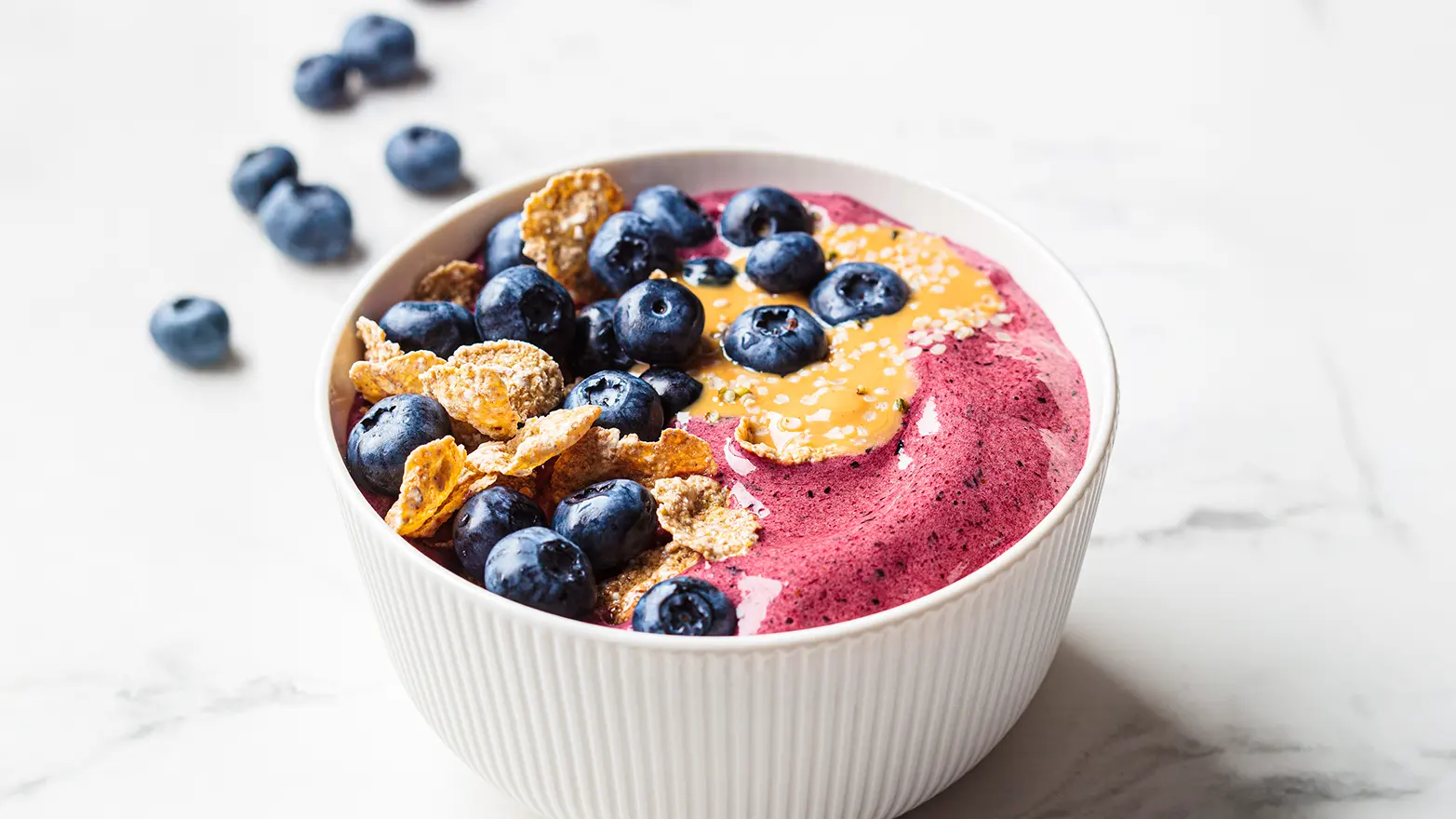
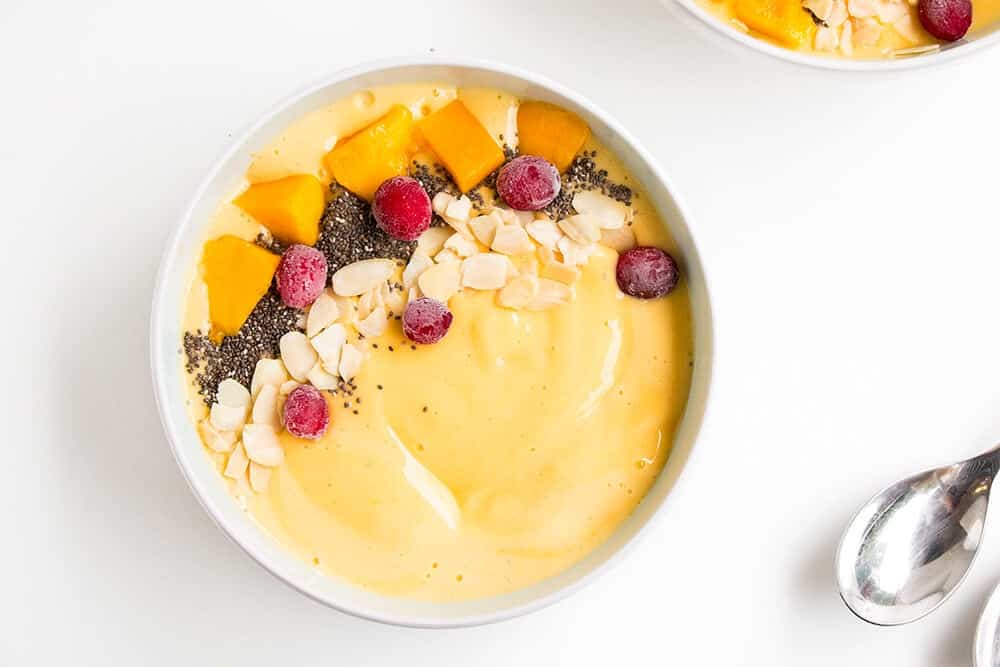
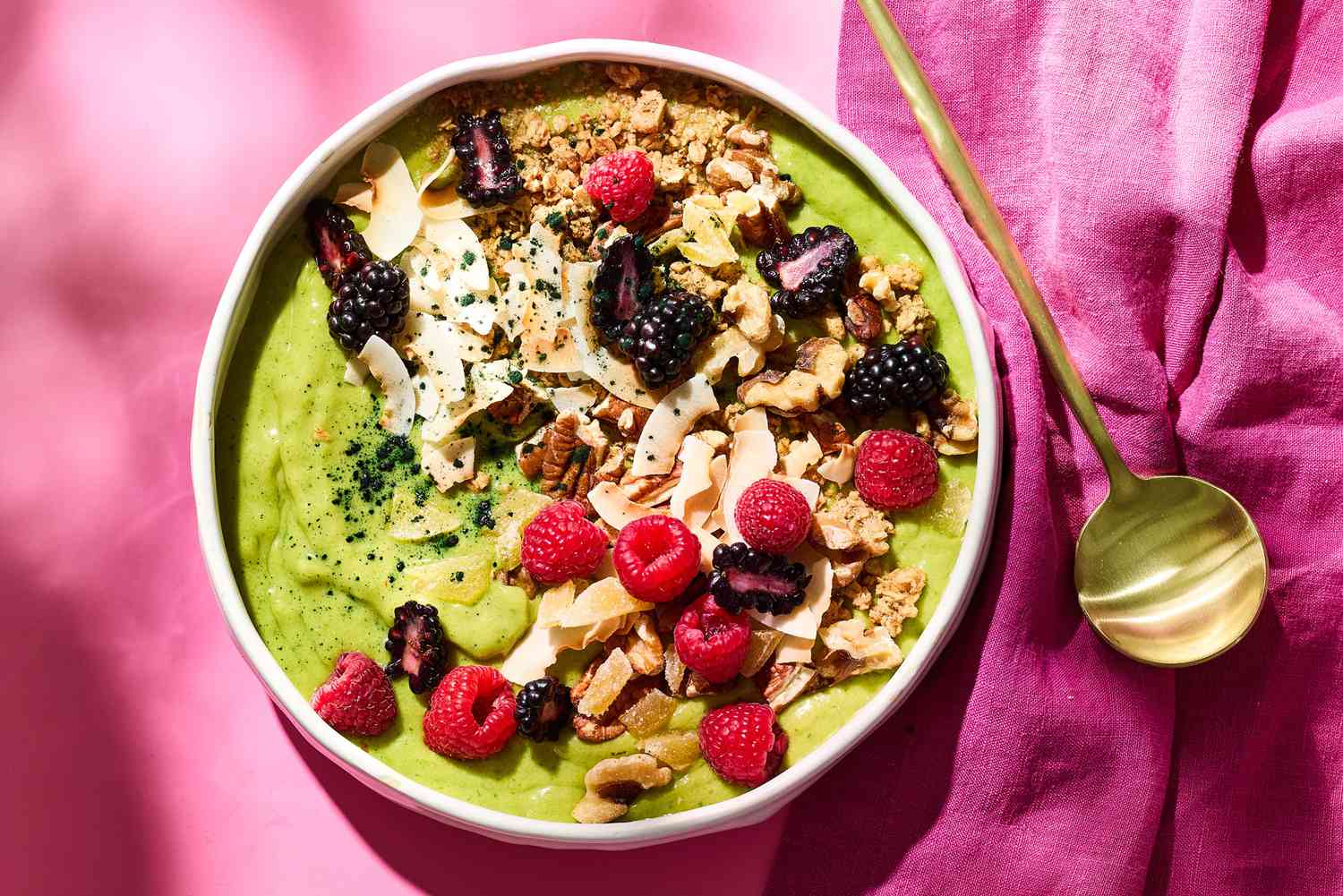
- Kefir: A tangy, drinkable yogurt from fermented milk (or water-based alternatives), kefir boasts more probiotic strains than regular yogurt. It’s great for bone health due to its calcium and vitamin K content. Blend it into smoothies—check our Kefir Smoothie Bowl.
- Sauerkraut: Simply fermented cabbage, this German classic aids digestion and provides fiber. Opt for raw, unpasteurized versions for live cultures.
- Kombucha: Fermented tea that’s fizzy and flavorful, kombucha supports detoxification and energy levels with its B vitamins and antioxidants. For a twist, see our Kombucha Cocktails.
- Miso: A Japanese paste from fermented soybeans, miso is umami-rich and provides protein, manganese, and zinc. It’s linked to reduced heart disease risk.
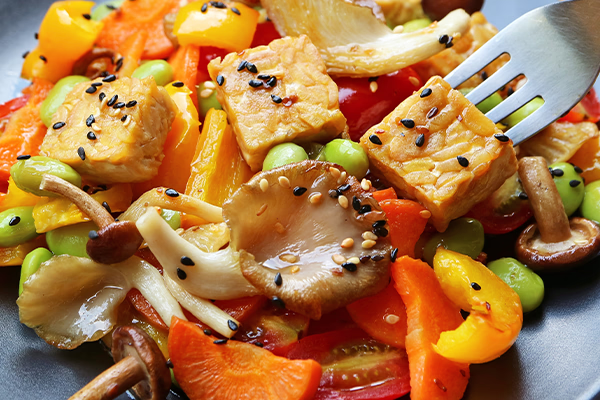
- Tempeh: Made from fermented soybeans, this nutty cake is a plant-based protein powerhouse with prebiotics for gut health. Grill it up with our Tempeh Stir-Fry.
- Yogurt: Classic and versatile, live-culture yogurt improves lactose digestion and immunity.
- Natto: Sticky fermented soybeans from Japan, natto is a vitamin K2 superstar for bone and heart health.
These examples highlight the global diversity of fermented superfoods. For more, visit EatingWell’s list. visit our internal link https://forknfood.com/ for more tips.
How to Incorporate Fermented Superfoods into Your Diet
Getting started is simple. Aim for a serving or two daily—start with small amounts to build tolerance. Add sauerkraut to salads, sip kombucha as a soda alternative, or stir miso into soups.
For breakfast, try kefir parfaits; lunch could include tempeh in wraps; dinner might feature kimchi-fried rice. Experiment with homemade versions for freshness—our Fermentation Starter Kit Guide has you covered.
Store-bought? Look for “live cultures” on labels. Pair with prebiotic foods like garlic for synergy.
Conclusion
Fermented superfoods are more than a trend—they’re a gateway to better health through ancient wisdom. By embracing them, you’re investing in your gut, immunity, and vitality. Dive in with recipes from Fork n Food and feel the difference.
Fermented superfoods continue to gain momentum as a cornerstone of gut-focused nutrition, blending timeless preservation techniques with cutting-edge wellness science. These nutrient-packed foods not only support digestion and immunity but also offer enhanced bioavailability of vitamins and minerals thanks to the fermentation process.
FAQs About Fermented Superfoods
1. What exactly makes a food “fermented” and why are they considered superfoods?
Fermented foods undergo a natural microbial process where bacteria, yeast, or molds convert sugars and starches into acids, gases, or alcohol. This creates live probiotics, increases nutrient absorption, and produces beneficial compounds like short-chain fatty acids. They’re “super” because fermentation boosts their nutritional value—making vitamins (like B and K), antioxidants, and enzymes more accessible—while adding gut-supporting live cultures that many regular foods lack.
2. Are all fermented foods rich in probiotics?
No. Only those containing live microbes (like raw sauerkraut, kimchi, kefir, or unpasteurized kombucha) deliver probiotics. Pasteurized or heat-treated versions (common in some store-bought pickles or shelf-stable items) kill the beneficial bacteria. Always check labels for “live and active cultures” or “unpasteurized” to ensure probiotic benefits.
3. What are the main health benefits of eating fermented superfoods regularly?
They promote gut microbiome diversity, which can improve digestion, reduce bloating, and ease conditions like IBS. They support immunity (since much of our immune system is gut-based), lower inflammation, aid nutrient absorption, and may contribute to better mood via the gut-brain axis. Some studies link them to reduced risks of heart disease, better metabolic health, and enhanced vitamin production.
4. Are there any risks or side effects to consuming fermented foods?
Most people tolerate them well, but starting with small amounts is wise to avoid temporary digestive discomfort like gas or bloating as your gut adjusts. Those with weakened immune systems, histamine intolerance, or conditions like SIBO should consult a doctor. Poorly made or contaminated homemade ferments can pose risks (e.g., harmful bacteria), so follow safe recipes and hygiene practices. High-sodium options like kimchi or miso may not suit everyone on low-salt diets.
5. Can fermented foods help with lactose intolerance or allergies?
Yes, often. Fermentation breaks down lactose in dairy (making kefir or yogurt easier to digest) and can reduce allergens in foods like soy (in tempeh) or cabbage (in sauerkraut). Many find they tolerate fermented versions better than unfermented counterparts.
6. How much should I eat daily, and how do I start?
Begin with 1–2 small servings per day (e.g., a spoonful of sauerkraut or half a cup of kefir) and gradually increase. Consistency matters more than quantity—aim for variety to diversify your microbiome.
7. Are fermented superfoods better than probiotic supplements?
Often yes, because they provide a broader range of live strains, plus prebiotics from the food matrix, fiber, and other nutrients. Supplements can be convenient, but whole-food sources like yogurt or kimchi deliver synergistic benefits that pills may not match.
8. Can I make fermented superfoods at home safely?
Absolutely—it’s rewarding and cost-effective! Use clean equipment, quality ingredients, and follow tested recipes. Our Beginner’s Guide to Fermentation covers basics like brine ratios and troubleshooting.
For more in-depth answers, explore trusted sources like Harvard Health on Fermented Foods or Cedars-Sinai’s Guide.
Popular Products Featuring Fermented Superfoods
Fermented superfoods are widely available as ready-to-eat items, beverages, or convenient supplements. Here are some standout options popular in recent years, with a focus on gut health and quality:
- Kefir Drinks — Brands like Lifeway or homemade versions top the list for their high probiotic diversity. Water kefir offers a dairy-free alternative. Great in smoothies—try our Kefir Smoothie Bowl.
- Kimchi — Spicy, probiotic-rich Korean fermented cabbage from brands like Mother-in-Law’s or local artisanal makers. It’s a versatile condiment; see our Homemade Kimchi Recipe.
- Sauerkraut — Raw, unpasteurized options from Bubbies or Cleveland Kraut deliver live cultures and crunch. Add to salads or sandwiches for easy daily intake.
- Kombucha — Fizzy fermented tea from GT’s, Health-Ade, or homemade. Look for low-sugar varieties for gut benefits without excess calories. Experiment with our Kombucha Cocktails.
- Miso Paste — Organic brands like Hikari or South River Miso for soups and marinades. It’s umami-packed and supports heart health.
- Tempeh — Fermented soybean cakes from Lightlife or Rhapsody— a plant-based protein with prebiotics. Grill or stir-fry; check our Tempeh Stir-Fry.
- Fermented Greens Powders/Supplements — For convenience, try Dr. Mercola’s Organic Fermented Greens Powder (savory, with fermented veggies, grasses, and algae for enhanced absorption) or Ancient Nutrition’s Organic Supergreens tablets (with soil-based probiotics and fermented blends). These are ideal if fresh ferments aren’t always accessible.
- Other Trending Items — Skyr (high-protein fermented dairy like Icelandic-style yogurt), natto (vitamin K2-rich Japanese fermented soybeans), or ready-to-drink gut beverages featuring fermented elements.
Many of these products emphasize “live cultures” and organic ingredients. In stores or online, prioritize refrigerated sections for maximum probiotic viability. For homemade inspiration, browse our Gut Health Recipes collection.
Incorporating these FAQs and products into your routine can make fermented superfoods a sustainable, enjoyable part of daily life. Start small, listen to your body, and enjoy the tangy flavors that come with better health. Have questions about a specific product or recipe? Drop a comment below—we’re here to help!
These products emphasize live cultures, natural fermentation, and high-quality ingredients—ideal for incorporating into your routine. Many are available online, in health food stores, or supermarkets (check local availability in Karachi via platforms like Daraz or international shipping options).
Additional Standout Fermented Superfood Products
- Wildbrine Fermented Vegetables and Kimchi
From Fermented Food Holdings (which expanded brands like Wildbrine in recent years), these include varieties like mild white kimchi, pickled red onions, and classic fermented veggies. They’re raw, unpasteurized, and packed with diverse probiotics. Great for adding tangy crunch to meals—perfect if you love experimenting beyond basic sauerkraut. Try as a side or in tacos; aligns with the rise of fermented veggies as condiments in 2026. - Bubbies Fine Foods Sauerkraut and Pickles
Another top pick from Fermented Food Holdings, Bubbies offers classic, naturally fermented sauerkraut and pickles with live cultures (no vinegar shortcuts). Their products are crunchy, low-sodium options in some lines, and highly regarded for gut support. Excellent starter for beginners—add to sandwiches or salads for daily probiotic boosts. - Olive My Pickle Probiotic Variety Packs
Specializing in fermented sauerkraut, kimchi, pickles, and more, their bundles (like the Top Kraut Bundle with Carrot & Dill, Red & Ginger, and Classic Caraway flavors) deliver a range of probiotic-rich options in one go. These are raw, enzyme-active, and popular for gut health enthusiasts. Ideal for variety—mix into bowls or enjoy as snacks. - Health-Ade Kombucha
A premium kombucha brand that’s a close runner-up to GT’s, known for organic, low-sugar flavors and strong probiotic content. In recent trends, kombucha evolves into lifestyle drinks with bold flavors—great fizzy alternative to soda. Try ginger-lemon or seasonal varieties for detoxification and energy. - Lifeway Kefir
Often ranked as a leading U.S. kefir brand (recognized in awards like Inc.’s Best in Business), it offers drinkable kefir with a high diversity of probiotic strains—more than many yogurts. Available in plain, flavored, or plant-based options. Super versatile for smoothies or overnight oats; supports digestion and immunity effectively. - GT’s Living Foods Kombucha and Synergy Line
The top-selling kombucha brand globally, with raw, organic options full of live cultures. Their Synergy line balances tangy fermentation with fruit infusions—low in added sugars for better gut benefits. A staple for daily sipping. - PlantFusion Fruitful Greens Fermented Superfood Powder
For a convenient, on-the-go option, this whole-foods-based powder blends fermented greens, veggies, grasses, and algae with probiotics. It’s savory and easy to mix into water, smoothies, or meals—perfect if fresh ferments aren’t always accessible, especially for travel or busy days. - Brew Dr. Kombucha
Another rising kombucha favorite, focused on organic, raw fermentation with herbal twists. It’s less sweet and emphasizes clean ingredients—great for those seeking probiotic beverages with functional appeal. - Cultured Collective or Eaten Alive Fermented Foods (UK/European-inspired, available internationally)
Artisanal brands offering small-batch kimchi, sauerkraut, and krauts with bold flavors. They’re praised by nutritionists for quality live cultures—worth exploring for premium, small-producer vibes.
These products highlight the ongoing fermented foods boom, where items like fermented vegetables, drinkable probiotics, and powders are expanding beyond traditional forms into everyday functional foods. Prioritize refrigerated, unpasteurized labels saying “live and active cultures” for maximum benefits.

If you’re in Pakistan, look for imported brands via online retailers or local health stores stocking international probiotics—alternatively, homemade versions remain the freshest and most affordable (our site has recipes!). Which of these intrigues you most, or do you want recipe ideas tailored to one? Dive into our Gut Health Recipes for inspiration on using them.

Leave a Reply