In the fast-paced world of modern eating, finding meals that are both nutritious and convenient can feel like a challenge. Enter the dense bean salad recipe—a viral sensation that’s taking over kitchens, social media, and meal prep routines everywhere. Popularized by food creator Violet Witchel on TikTok, this hearty, no-lettuce salad packs a punch with its combination of beans, veggies, proteins, and bold dressings. It’s not just a side dish; it’s a standalone meal that’s easy to whip up, stores well in the fridge, and gets even better as the flavors meld over time.
What makes the dense bean salad so appealing? For starters, it’s incredibly versatile. You can customize it with whatever you have on hand, making it perfect for busy weeknights or lazy weekends. But beyond convenience, it’s a nutritional powerhouse. Loaded with plant-based proteins from beans, fiber-rich vegetables, and optional animal proteins like chicken or turkey, this salad supports everything from muscle repair to digestive health. Whether you’re aiming to boost your protein intake, improve gut health, or simply eat more wholesomely without sacrificing flavor, the dense bean salad delivers.
In this article, we’ll dive into the origins of this trend, explore its impressive health benefits, share a simple yet delicious recipe, and offer tips for variations and meal prepping. By the end, you’ll be ready to make your own version and incorporate it into your routine. If you’re looking for more healthy inspiration, check out our collection of healthy recipes on https://forknfood.com

The Rise of the Dense Bean Salad Trend
The dense bean salad didn’t just appear out of nowhere—it’s the brainchild of Violet Witchel, a content creator who first shared her creations on TikTok in late 2023. Her videos, featuring colorful bowls brimming with beans, chopped veggies, and tangy dressings, quickly amassed millions of views. Witchel’s approach was simple: create “dense” salads that skip the fluffy greens and focus on substantial, satisfying ingredients that hold up well for days.
One of her early hits was a Mediterranean-inspired version with chickpeas, white beans, cherry tomatoes, cucumbers, and a sun-dried tomato vinaigrette. From there, the trend exploded, with variations like Southwestern black bean salads, high-fiber cabbage crunch versions, and even Asian-inspired sesame editions popping up across platforms. TikTok users dubbed it “DBS” (dense bean salad), and it became a staple for meal preppers, fitness enthusiasts, and anyone seeking affordable, make-ahead meals.
Why the hype? In a world where ultra-processed foods dominate, the dense bean salad offers a refreshing return to whole foods. It’s budget-friendly—canned beans cost pennies per serving—and endlessly adaptable. Plus, as Witchel herself notes in her Substack posts, it’s a way to sneak in more veggies and proteins without feeling deprived. For external insights, you can explore Violet’s original recipes on her Substack.
This trend aligns with broader shifts toward plant-forward eating. According to nutrition experts, incorporating more legumes like beans can significantly enhance dietary quality. It’s no wonder DBS has been featured in outlets like The Kitchn and Today.com, where it’s praised for its practicality and flavor.
Health Benefits: Why Dense Bean Salad is a Nutritional Winner
Let’s get to the heart of why this salad deserves a spot in your weekly rotation: its health benefits are backed by science and real-world results. At its core, the dense bean salad is built around beans, which are nutritional superstars. A single cup of beans can provide up to 15 grams of protein and 12-18 grams of fiber, making them an excellent choice for plant-based or mixed diets.
First and foremost, the protein content is a game-changer. Beans offer high-quality plant protein that’s complete when combined with other ingredients like grains or meats. This supports muscle repair, especially after workouts, and promotes satiety, helping you feel full longer on fewer calories. Adding animal proteins like chicken or turkey boosts the total even further, often pushing a serving to 20-30 grams of protein. For those following vegetarian or vegan paths, sticking to beans, edamame, or nuts keeps it protein-packed without compromise.
Fiber is another star player. Most Americans fall short of the recommended 25-35 grams daily, but a dense bean salad can deliver half that in one meal. Beans provide both soluble and insoluble fiber: the former helps regulate blood sugar and cholesterol, while the latter aids digestion and prevents constipation. Regular consumption can improve gut health by feeding beneficial bacteria, leading to better hormone regulation, improved sleep, and reduced inflammation.
Heart health gets a major boost too. Beans are low in saturated fat and rich in potassium, magnesium, and antioxidants, which help lower blood pressure and LDL cholesterol. Studies show that eating beans regularly can reduce the risk of heart disease by 5-10% through cholesterol management. The veggies in these salads—think tomatoes, cucumbers, and cabbage—add vitamins C and K, plus more fiber, enhancing overall cardiovascular protection.
Beyond the basics, dense bean salads support weight management. Their high fiber and protein combo promotes portion control and reduces cravings for sugary snacks. Research links bean-rich diets to lower risks of type 2 diabetes, colorectal cancer, and even longer lifespan. For women, the choline from combined ingredients like eggs or chicken aids brain health and pregnancy support.
Nutrient density is key here. Unlike empty-calorie salads drowned in dressing, DBS focuses on whole foods that provide micronutrients without excess calories. Antioxidants from colorful veggies fight free radicals, keeping cells healthy and skin glowing. It’s also naturally low-glycemic, stabilizing energy levels throughout the day.
Of course, moderation is advised—especially for fiber newbies, as too much too soon can cause bloating. Start with smaller portions and build up. For more on bean benefits, visit the American Heart Association’s guide on legumes.
In summary, the dense bean salad isn’t just trendy; it’s a smart, evidence-based way to fuel your body. It aligns with guidelines from dietitians who recommend beans as a staple for balanced nutrition.
The Recipe: Easy Dense Bean Salad with Sun-Dried Tomato Vinaigrette
Ready to try it? This version, inspired by Violet Witchel’s viral TikTok recipe, serves 4-6 and takes about 15 minutes to prep. It’s Mediterranean-flavored, protein-packed with beans and optional meats, and bursting with fresh veggies.
Ingredients:
- 1 can (15 oz) chickpeas, drained and rinsed
- 1 can (15 oz) cannellini beans, drained and rinsed
- 1 cup cherry tomatoes, halved
- 1 red bell pepper, diced
- 1 cucumber, diced
- 1/2 red onion, finely chopped
- 1/2 cup chopped fresh parsley
- 4 oz salami or pepperoni, diced (optional for extra protein)
- 4 oz cooked chicken breast, shredded (optional)
- 1/2 cup feta or mozzarella cheese, cubed
- 1/4 cup artichoke hearts or hearts of palm, chopped (optional)
For the dressing:
- 1/4 cup sun-dried tomatoes (oil-packed), chopped
- 1/4 cup olive oil
- 2 tbsp red wine vinegar
- 1 tbsp lemon juice
- 1 tsp dried oregano
- Salt and pepper to taste
Instructions:
- Prep the veggies: In a large bowl, combine the chickpeas, cannellini beans, cherry tomatoes, red bell pepper, cucumber, red onion, parsley, salami, chicken, cheese, and artichoke hearts. Toss gently to mix.
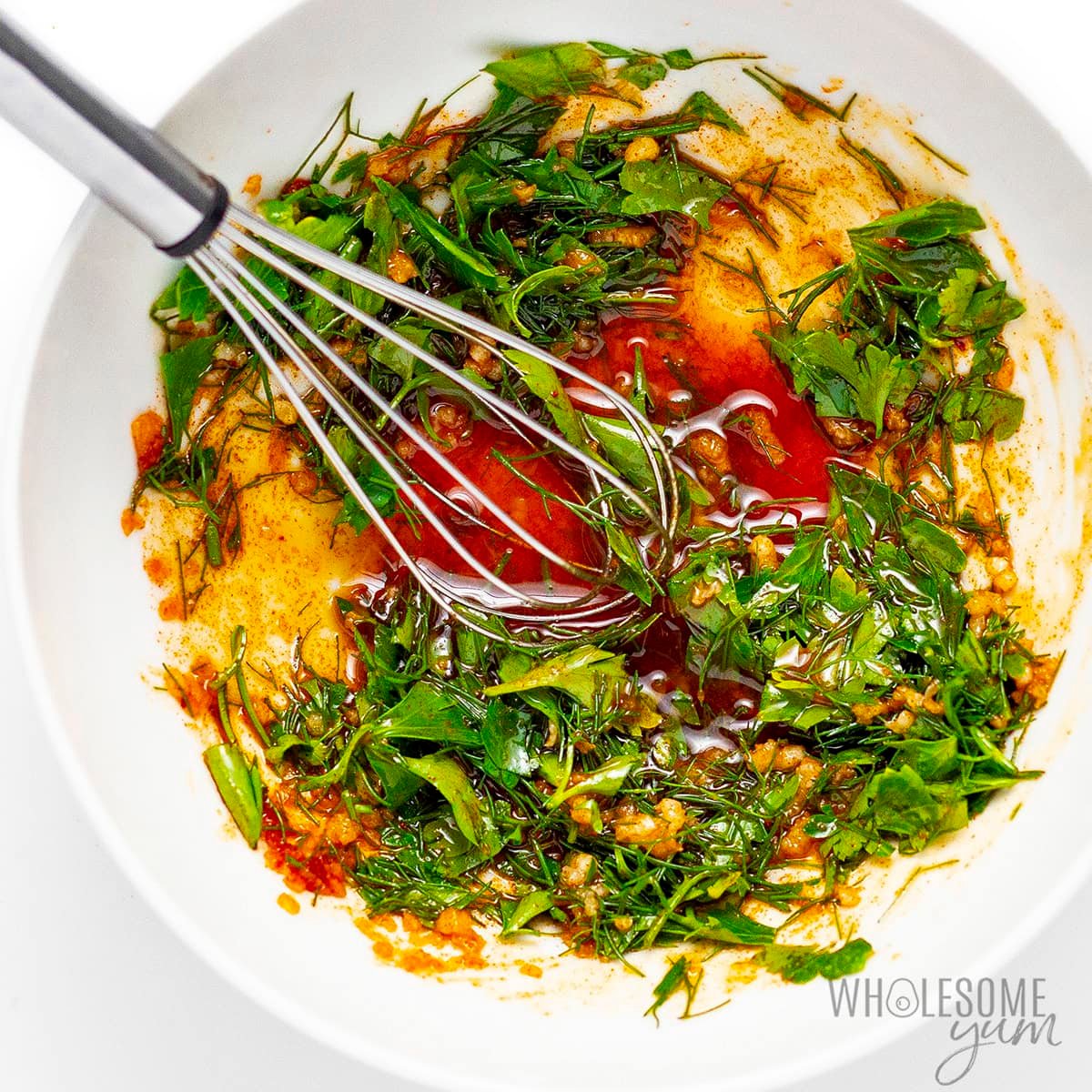
- Make the dressing: In a blender or food processor, combine the sun-dried tomatoes, olive oil, vinegar, lemon juice, oregano, salt, and pepper. Blend until smooth and creamy. If it’s too thick, add a splash of water.
- Dress the salad: Pour about 3/4 of the dressing over the salad ingredients and toss well to coat. Reserve the rest for later if needed.
- Marinate: Cover and refrigerate for at least 30 minutes (or up to 5 days) to let the flavors develop. The salad will become more flavorful as it sits.
- Serve: Enjoy as is, or pair with whole-grain crackers for added crunch. Adjust seasoning before serving.
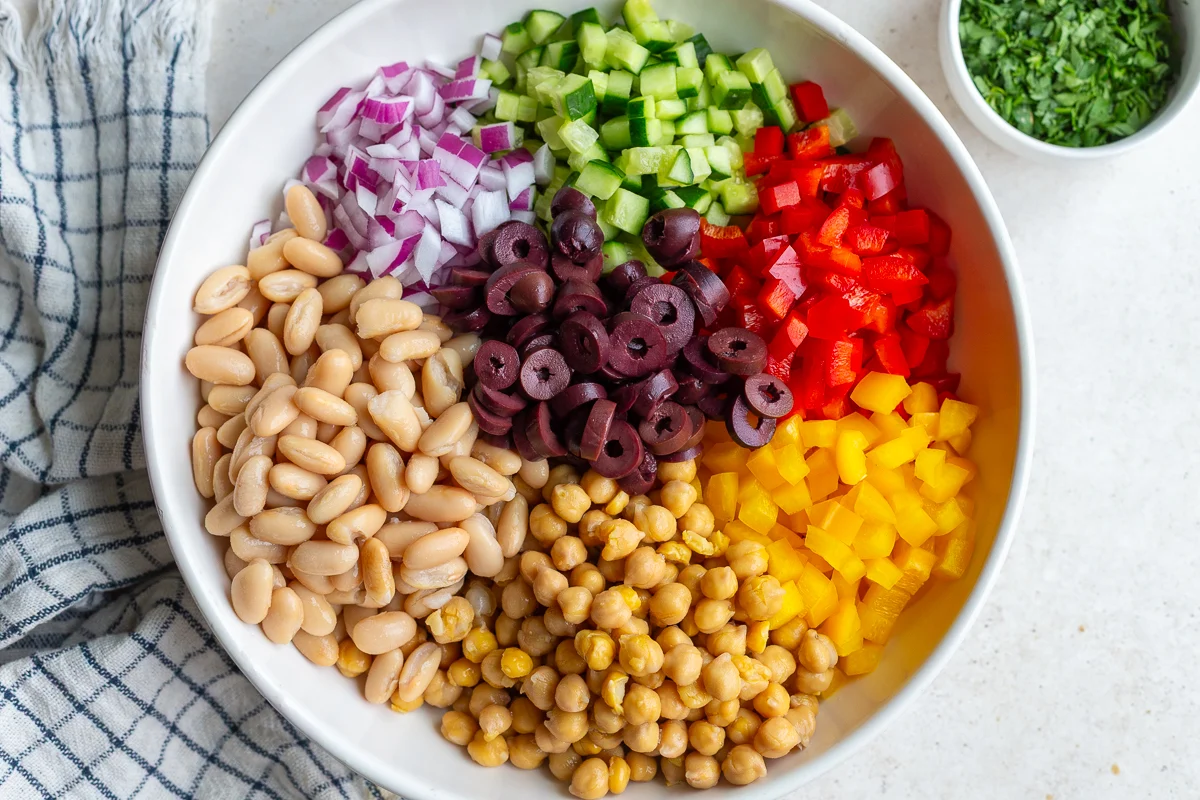
This base recipe yields about 1,200 calories total, with each serving (around 1.5 cups) providing roughly 25-30 grams of protein and 10-15 grams of fiber, depending on add-ins. For a visual guide, here’s what it looks like:
Nutritional breakdown per serving (approximate, without optional meats): 350 calories, 18g protein, 40g carbs, 12g fiber, 15g fat. Add chicken for an extra 10g protein.
If you love this, try our related Mediterranean dishes for more flavor ideas.

Variations to Keep It Exciting
One of the best things about dense bean salads is their adaptability. Here are a few twists to suit different tastes:
- Southwestern Style: Swap in black beans, corn, jalapeños, avocado, and Cotija cheese. Dress with lime-cilantro vinaigrette for a zesty kick. Perfect for taco nights.
- High-Fiber Crunch: Use edamame, white beans, green and purple cabbage, and Brussels sprouts. Top with a miso dressing for umami. This version is gut-friendly but start slow if you’re fiber-sensitive.
- Asian-Inspired Sesame: Incorporate Napa cabbage, cucumbers, rotisserie chicken, and tamari-chili dressing. Add crunchy elements like sesame seeds.
- Kalamata Balsamic: Go Greek with Kalamata olives, cherry tomatoes, red onion, deli turkey, and balsamic vinaigrette.
Feel free to experiment—add quinoa for more carbs, nuts for healthy fats, or eggs for choline. For vegan options, skip meats and cheeses, using tofu instead.
Check out Violet’s Substack for more variations: High-Fiber Version.
Meal Prep Tips and Serving Suggestions
Meal prepping with dense bean salads is effortless. Prepare a big batch on Sunday, portion into containers, and grab-and-go all week. It lasts up to 5 days in the fridge, improving in taste as it marinates.
Tips:
- Rinse canned beans to reduce sodium by up to 40%.
- Use fresh herbs for brightness, but add them last to avoid wilting.
- For creamier dressings, use a milk frother or shake vigorously.
- Balance flavors: Acid (vinegar/lemon) cuts richness, while salt enhances everything.
Serve as a main for lunch, a side for dinners, or scooped with pita chips. Pair with grilled meats or soups for a complete meal. For more prep ideas, see our meal prep guides.
Frequently Asked Questions
Q: Is it really “dense”? A: Yes—the focus on hearty ingredients makes it filling without fluff.
Q: Can I make it low-carb? A: Opt for fewer beans and more veggies/proteins.
Q: Gluten-free? A: Naturally, as long as dressings and add-ins are GF.
Conclusion
The dense bean salad is more than a trend—it’s a practical, delicious way to eat healthier. With its protein punch, fiber boost, and ease of preparation, it’s ideal for anyone seeking balanced nutrition. Give this recipe a try, customize it to your liking, and watch it become a staple. For more recipes like this, explore ForknFood.com’s protein-packed meals section. Happy cooking!
The dense bean salad trend continues to captivate home cooks with its simplicity, nutrition, and longevity in the fridge. To make your experience even better, here are some frequently asked questions (FAQs) based on common queries from creators like Violet Witchel and popular recipe sites, plus recommended products (ingredients and tools) to elevate your dense bean salad game. These suggestions focus on quality, convenience, and availability—perfect for stocking up in Karachi or ordering online.
Frequently Asked Questions (FAQs)
What exactly is a dense bean salad (DBS)?
It’s a hearty, no-lettuce salad popularized by TikTok creator Violet Witchel (@violet.cooks). The “dense” part refers to its packed, substantial ingredients—mainly multiple types of beans, chopped veggies, optional proteins like deli meats or chicken, cheese, and a flavorful vinaigrette. Unlike traditional salads, it skips fluffy greens for better fridge life and satiety. It’s nutrient-dense too, loaded with protein and fiber.
How long does dense bean salad last in the fridge?
Typically 4-7 days in an airtight container. The flavors actually improve after 1-2 days as the ingredients marinate. For best texture, store it covered and give it a quick toss before eating. If it includes fresh veggies like cucumbers, they may soften slightly over time, but rinsing and drying them well helps prevent sogginess.
Can I make it vegetarian or vegan?
Absolutely! Skip animal proteins like salami, turkey, or chicken, and omit cheese (or use vegan alternatives like Violife feta). Boost plant-based protein with extra beans, edamame, tofu, or nuts. Most base recipes are naturally vegan-friendly when customized.
How much protein and fiber does it provide per serving?
It varies by ingredients, but a typical serving (about 1.5-2 cups) delivers 20-40g of protein and 10-15g of fiber. Adding meats or extra beans pushes protein higher (e.g., 37g in some versions). This makes it excellent for muscle support, fullness, and gut health.
What beans work best, and can I swap them?
Chickpeas (garbanzo) and cannellini/white beans are classics for their mild flavor and firm texture. Feel free to mix in black beans, kidney, pinto, or navy beans. Rinse and drain canned ones thoroughly to reduce sodium and improve taste. Dried beans work if cooked properly, but canned are quickest for meal prep.
Will it cause bloating or digestive issues?
Beans are high in fiber, so sudden large amounts can lead to gas—especially high-fiber versions with cabbage or Brussels sprouts. Start with smaller portions if you’re not used to lots of fiber, drink plenty of water, and rinse beans well. Over time, your gut adapts, and the benefits (better digestion, hormone balance) outweigh initial discomfort.
Is it gluten-free?
Yes, naturally—beans, veggies, and most vinaigrettes are gluten-free. Check labels on add-ins like deli meats, cheeses, or dressings for hidden gluten or cross-contamination.
How do I prevent cucumbers from getting soggy?
Use Persian or English cucumbers (fewer seeds), dice them, and pat dry after chopping. Add them last or store the salad undressed if prepping far in advance, then toss with dressing closer to eating.
Is dense bean salad good for meal prep?
It’s one of the best! Make a big batch on weekends, portion into containers, and enjoy grab-and-go lunches all week. It travels well without wilting and gets tastier over days.
Can I freeze it?
Not ideal—freezing changes texture (beans get mushy, veggies soften). It’s best fresh from the fridge for up to a week.
For more tips straight from the source, follow Violet Witchel on TikTok or her Substack at violetcooks.substack.com.
Recommended Products for Dense Bean Salad
Stocking up on quality ingredients and tools makes prep faster and tastier. Here are some top picks (many available via online delivery in Pakistan or international shipping sites like Amazon):
Ingredients
- Canned Beans: Go for low-sodium or no-salt-added for better control over flavor.
- 365 by Whole Foods Market Organic Unsalted Garbanzo Beans or Cannellini Beans—clean ingredients, great texture for salads.
- BUSH’S BEST Pinto Beans or similar—reliable, widely praised for soups and salads.
- Organic Bean Trio (kidney, pinto, black) for variety in one can.
These are favorites among food pros for minimal additives and firm hold. - Olives & Peppers: Mezzetta Kalamata Olives or banana peppers/pepperoncini—tangy, briny kick that’s essential in many viral versions.
- Cheese & Proteins: Feta (or vegan Violife), mozzarella pearls, deli turkey/salami—add protein and creaminess.
- Dressings/Oils: Extra virgin olive oil, red wine vinegar, sun-dried tomatoes (oil-packed), Primal Kitchen vinaigrettes for clean, high-quality options.
Kitchen Tools
- Large Airtight Containers: Glass ones with locking lids (e.g., Pyrex or similar brands) for storage—portion into singles for easy lunches.
- Sharp Chef’s Knife & Cutting Board: Essential for uniform chopping of veggies and meats.
- Salad Spinner (optional but helpful): Dries greens/herbs or rinsed beans quickly.
- Blender or Immersion Blender: For smooth, emulsified dressings like sun-dried tomato vinaigrette.
- Mandoline or Spiral Slicer (fun extra): For thin, even slices of cucumbers, onions, or peppers to add texture.
These products keep your dense bean salads fresh, flavorful, and effortless. Many are pantry staples that double for other recipes on forknfood.com.

Ready to experiment? Whip up the Mediterranean version from our main recipe, then tweak with these FAQs and products. Share your creations in the comments—we’d love to hear your twists!
For more healthy, protein-focused ideas, browse our healthy recipes or meal prep guides.
Leave a Reply