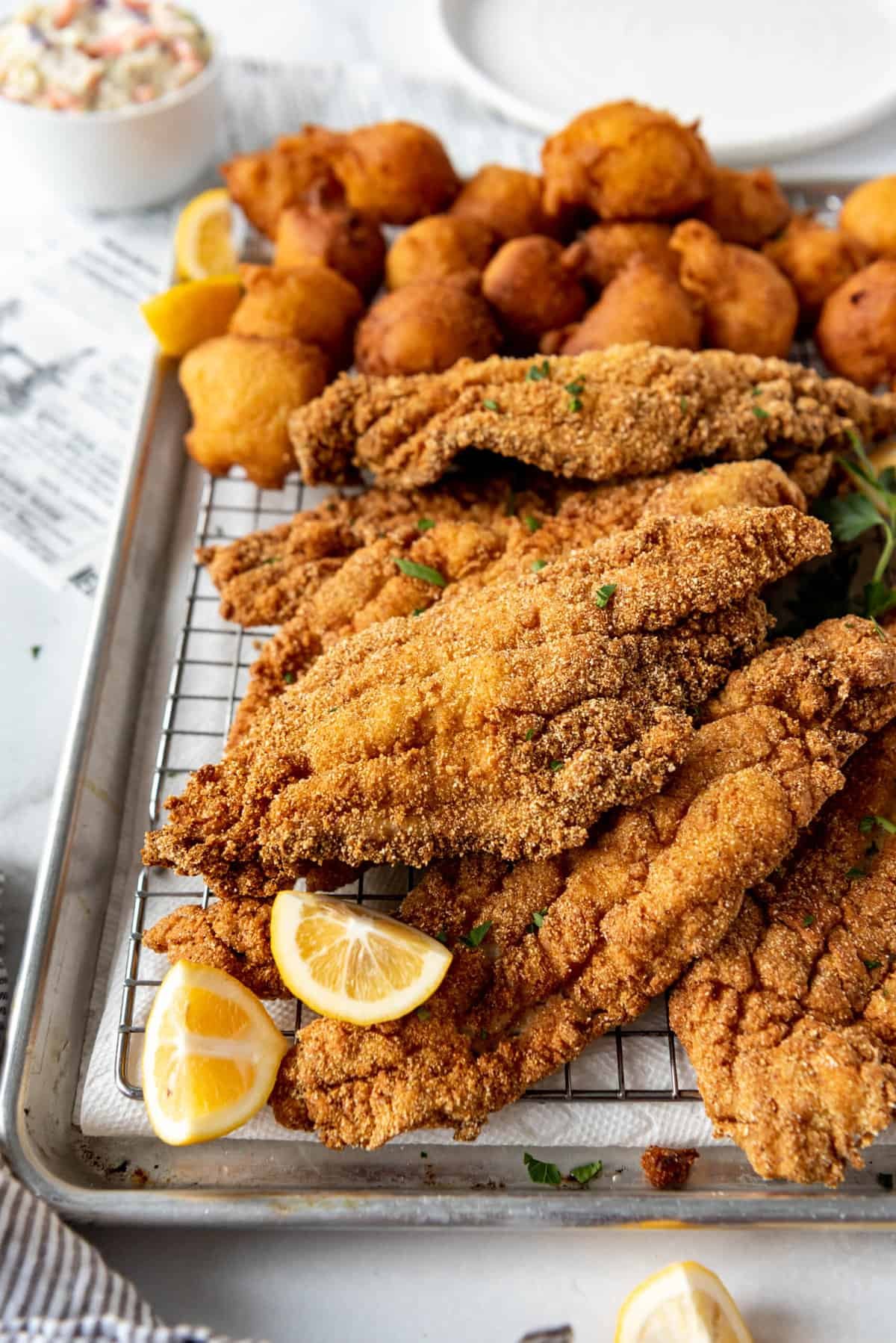
There is something universally comforting about the sound of a perfect crunch. When you bite into a piece of crispy fried tilapia, that initial crackle should give way to flaky, tender, and mild white fish that melts in your mouth.
Tilapia is often the unsung hero of the seafood world. It’s affordable, readily available, and possesses a neutral flavor profile that acts as a blank canvas for spices, herbs, and batters. Whether you’re looking for a quick weeknight dinner or a show-stopping centerpiece for a weekend fish fry, mastering the art of the fry is a skill every home cook should have in their back pocket.
Why Tilapia is the Perfect Frying Fish
Before we get into the recipes, let’s talk about why we’re choosing tilapia. While some foodies might gravitate toward cod or halibut, tilapia offers several unique advantages for frying:
- Texture: It has a firm enough flesh to hold up during the dredging and frying process without falling apart in the oil.
- Flavor: Its mild sweetness doesn’t overpower the seasonings in your batter or breading.
- Affordability: You can feed a whole family on a budget, making it the ideal protein for a large-scale fish fry.
- Uniformity: Tilapia fillets are generally thin and even, which means they cook quickly and consistently.
The Golden Rules of Frying Fish
Achieving restaurant-quality results at home isn’t about luck; it’s about technique. Follow these rules to ensure your tilapia never comes out soggy or oily.
1. Pat It Dry
Moisture is the enemy of crispiness. Before you apply any flour or batter, use paper towels to pat the fillets bone-dry. If the surface is wet, the coating won’t adhere properly and will steam rather than fry.
2. Temperature Control
The ideal frying temperature for fish is between 175°C (350°F) and 190°C (375°F).
- Too cold: The fish absorbs the oil and becomes greasy.
- Too hot: The outside burns before the inside is cooked through.Using a kitchen thermometer is the best way to stay consistent.
3. Don’t Overcrowd the Pan
Adding too many fillets at once drops the oil temperature significantly. Fry in batches to ensure every piece has enough “breathing room” to develop a crust.
Recipe 1: The Classic Cornmeal Crunch (Southern Style)
This is the quintessential “Fish Fry” recipe. The cornmeal provides a gritty, satisfying crunch that stands up to bold hot sauces and creamy remoulades.
Ingredients:
- 4-6 Tilapia fillets
- 1 cup Yellow cornmeal
- 1/2 cup All-purpose flour
- 1 tbsp Smoked paprika
- 1 tsp Garlic powder
- 1 tsp Onion powder
- 1/2 tsp Cayenne pepper (optional)
- Salt and black pepper to taste
- Vegetable or peanut oil for frying
Instructions:
- Season: Season the dry fillets with salt and pepper.
- Dredge: In a shallow dish, whisk together cornmeal, flour, and spices. Press each fillet firmly into the mixture, ensuring total coverage.
- Fry: Heat 1 inch of oil in a heavy skillet (cast iron is best). Fry the fillets for 3-4 minutes per side until deeply golden.
- Drain: Place on a wire rack rather than paper towels to keep the bottom from getting soggy.
Pro-Tip: Serve this with a side ofhomemade coleslawand a squeeze of fresh lemon to cut through the richness.
Recipe 2: The Beer-Battered Beauty (Pub Style)
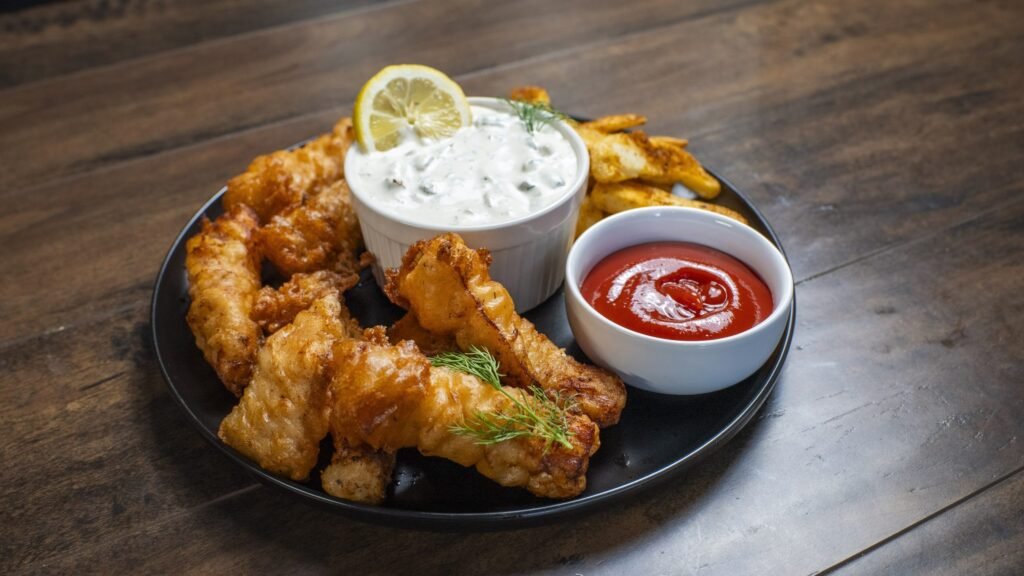
If you prefer a light, airy, and “shattery” crust, beer batter is the way to go. The carbonation in the beer creates tiny bubbles that expand when they hit the hot oil, resulting in a lace-like texture.
Ingredients:
- 4 Tilapia fillets, cut into strips (fish chips style)
- 1 1/2 cups All-purpose flour (plus extra for dusting)
- 1 tsp Baking powder
- 12 oz Cold light lager or club soda
- 1 tsp Salt
- 1/2 tsp Old Bay seasoning
Instructions:
- Prep the Batter: Whisk flour, baking powder, salt, and Old Bay. Slowly pour in the very cold beer, whisking until the consistency resembles pancake batter.
- Dust: Lightly coat the fish strips in plain flour first. This helps the wet batter “grip” the fish.
- Dip and Fry: Dip the strips into the batter, let the excess drip off, and gently lower them into the hot oil. Fry until puffed and golden (about 4-5 minutes).
Recipe 3: The Garlic and Herb Panko Crust
For a more “gourmet” feel, Panko (Japanese breadcrumbs) offers a larger surface area for crunch without the heaviness of a thick batter.
Ingredients:
- 4 Tilapia fillets
- 2 cups Panko breadcrumbs
- 2 cloves Garlic, minced
- 2 tbsp Fresh parsley, chopped
- 2 Eggs, beaten
- 1/2 cup Flour
Instructions:
- The Station: Set up three bowls: one with flour, one with beaten eggs, and one with the Panko-garlic-parsley mix.
- The Sequence: Dip fish in flour, then egg, then press firmly into the Panko.
- Pan-Fry: This version works beautifully with just a thin layer of oil and a tablespoon of butter for extra flavor.
The Best Sides for Fried Tilapia
A great piece of fish deserves great company. According to the National Fisheries Institute, seafood consumption is at an all-time high, partly because it pairs so well with diverse side dishes.
| Side Dish | Why it Works |
| Hushpuppies | The traditional Southern companion; sweet and savory. |
| Sweet Potato Fries | Adds a nutritional boost and a different kind of sweetness. |
| Garlic Cilantro Rice | Great for “taco-style” fried tilapia. |
| Pickled Red Onions | The acidity balances the fried oils perfectly. |
Common Mistakes to Avoid
- Using the wrong oil: Always use an oil with a high smoke point. Extra virgin olive oil will smoke and turn bitter at frying temperatures. Stick to canola, vegetable, or grapeseed oil.
- Frying frozen fish: Never put a frozen fillet directly into hot oil. It will lower the temperature instantly and the inside will remain raw. Ensure your fish is fully thawed.
- Seasoning too late: While a finishing salt is great, you must season the fish and the flour/batter. This builds layers of flavor.
Frequently Asked Questions
Can I air-fry these recipes?
Absolutely! For the cornmeal or Panko recipes, spray the coated fish generously with oil and air-fry at 200°C (400°F) for 10-12 minutes, flipping halfway. However, beer batter does not work in an air fryer as the wet batter will drip through the basket.
Is tilapia healthy when fried?
While frying adds calories and fat, tilapia itself is a lean source of protein and contains Omega-3 fatty acids. To keep it lighter, try the Panko method with a shallow pan-fry. You can learn more about fish nutrition from the FDA’s Seafood Guidelines.Visit our internal link https://forknfood.com for more ideas.
How do I store leftovers?
Fried fish is best eaten immediately. If you have leftovers, store them in an airtight container for up to two days. Reheat in an oven or air fryer at 175°C (350°F) to regain some of that crunch—avoid the microwave at all costs!
Final Thoughts
Tilapia is a versatile, budget-friendly protein that transforms into a Five-Star meal with the right frying technique. Whether you go for the rustic Southern cornmeal, the airy beer batter, or the herb-crusted Panko, the key is high heat, dry fish, and plenty of seasoning.
Ready to complete your meal? Check out our guide on the Best Tartar Sauce Recipes to take your fried tilapia to the next level.
Mastering the Crispy Fried Tilapia: Recipes, Pro-Tips, and Essential Gear
There is something universally comforting about the sound of a perfect crunch. When you bite into a piece of crispy fried tilapia, that initial crackle should give way to flaky, tender, and mild white fish that melts in your mouth.
Tilapia is often the unsung hero of the seafood world. It’s affordable, readily available, and possesses a neutral flavor profile that acts as a blank canvas for spices, herbs, and batters. Whether you’re looking for a quick weeknight dinner or a show-stopping centerpiece for a weekend fish fry, mastering the art of the fry is a skill every home cook should have in their back pocket.
In this guide, we’re diving deep into the best crispy fried tilapia recipes, the science behind the perfect crust, and the secrets to keeping your fish moist on the inside while achieving that coveted golden-brown exterior.
Why Tilapia is the Perfect Frying Fish
Before we get into the recipes, let’s talk about why we’re choosing tilapia. While some foodies might gravitate toward cod or halibut, tilapia offers several unique advantages for frying:
- Texture: It has a firm enough flesh to hold up during the dredging and frying process without falling apart in the oil.
- Flavor: Its mild sweetness doesn’t overpower the seasonings in your batter or breading.
- Affordability: You can feed a whole family on a budget, making it the ideal protein for a large-scale fish fry.
- Uniformity: Tilapia fillets are generally thin and even, which means they cook quickly and consistently.
The Golden Rules of Frying Fish
Achieving restaurant-quality results at home isn’t about luck; it’s about technique. Follow these rules to ensure your tilapia never comes out soggy or oily.
1. Pat It Dry
Moisture is the enemy of crispiness. Before you apply any flour or batter, use paper towels to pat the fillets bone-dry. If the surface is wet, the coating won’t adhere properly and will steam rather than fry.
2. Temperature Control
The ideal frying temperature for fish is between 175°C (350°F) and 190°C (375°F).
- Too cold: The fish absorbs the oil and becomes greasy.
- Too hot: The outside burns before the inside is cooked through.Using a kitchen thermometer is the best way to stay consistent.
3. Don’t Overcrowd the Pan
Adding too many fillets at once drops the oil temperature significantly. Fry in batches to ensure every piece has enough “breathing room” to develop a crust.
Recipe 1: The Classic Cornmeal Crunch (Southern Style)
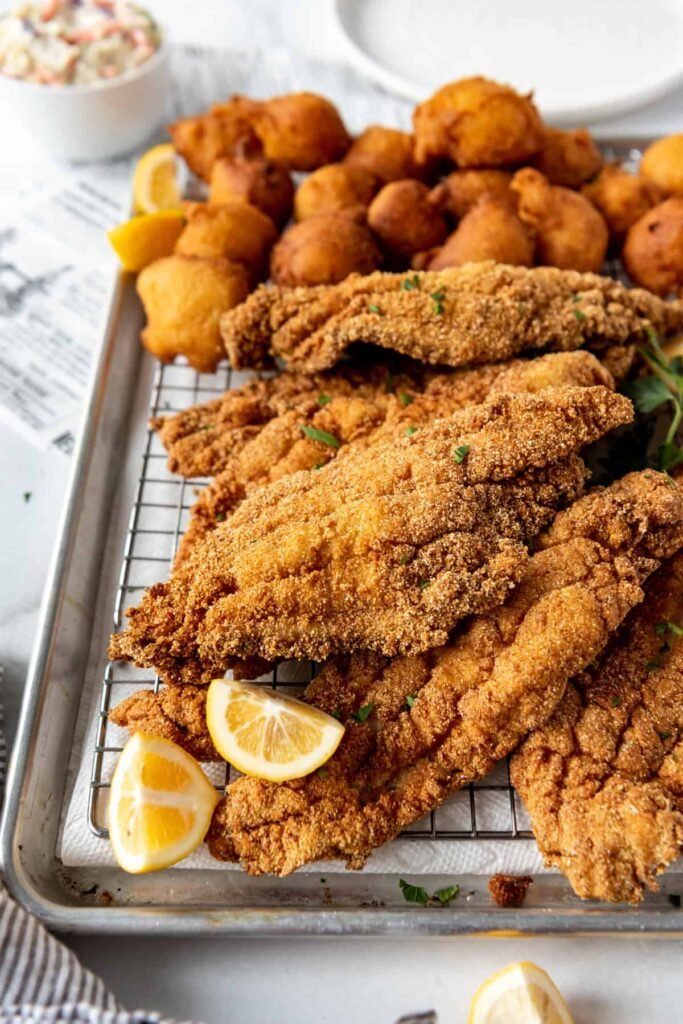
This is the quintessential “Fish Fry” recipe. The cornmeal provides a gritty, satisfying crunch that stands up to bold hot sauces and creamy remoulades.
Ingredients:
- 4-6 Tilapia fillets
- 1 cup Yellow cornmeal
- 1/2 cup All-purpose flour
- 1 tbsp Smoked paprika
- 1 tsp Garlic powder
- 1 tsp Onion powder
- 1/2 tsp Cayenne pepper (optional)
- Salt and black pepper to taste
- Vegetable or peanut oil for frying
Instructions:
- Season: Season the dry fillets with salt and pepper.
- Dredge: In a shallow dish, whisk together cornmeal, flour, and spices. Press each fillet firmly into the mixture, ensuring total coverage.
- Fry: Heat 1 inch of oil in a heavy skillet (cast iron is best). Fry the fillets for 3-4 minutes per side until deeply golden.
- Drain: Place on a wire rack rather than paper towels to keep the bottom from getting soggy.
Pro-Tip: Serve this with a side ofhomemade coleslawand a squeeze of fresh lemon to cut through the richness.
Recipe 2: The Beer-Battered Beauty (Pub Style)
If you prefer a light, airy, and “shattery” crust, beer batter is the way to go. The carbonation in the beer (or sparkling water) creates tiny bubbles that expand when they hit the hot oil, resulting in a lace-like texture.
Ingredients:
- 4 Tilapia fillets, cut into strips (fish chips style)
- 1 1/2 cups All-purpose flour (plus extra for dusting)
- 1 tsp Baking powder
- 12 oz Cold light lager or club soda
- 1 tsp Salt
- 1/2 tsp Old Bay seasoning
Instructions:
- Prep the Batter: Whisk flour, baking powder, salt, and Old Bay. Slowly pour in the very cold liquid, whisking until the consistency resembles pancake batter.
- Dust: Lightly coat the fish strips in plain flour first. This helps the wet batter “grip” the fish.
- Dip and Fry: Dip the strips into the batter, let the excess drip off, and gently lower them into the hot oil. Fry until puffed and golden (about 4-5 minutes).
Recipe 3: The Garlic and Herb Panko Crust
For a more “gourmet” feel, Panko (Japanese breadcrumbs) offers a larger surface area for crunch without the heaviness of a thick batter.
Ingredients:
- 4 Tilapia fillets
- 2 cups Panko breadcrumbs
- 2 cloves Garlic, minced
- 2 tbsp Fresh parsley, chopped
- 2 Eggs, beaten
- 1/2 cup Flour
Instructions:
- The Station: Set up three bowls: one with flour, one with beaten eggs, and one with the Panko-garlic-parsley mix.
- The Sequence: Dip fish in flour, then egg, then press firmly into the Panko.
- Pan-Fry: This version works beautifully with just a thin layer of oil and a tablespoon of butter for extra flavor.
Top Products for the Perfect Fish Fry
To get professional results, you need the right gear. Here are the top-rated tools and ingredients favored by seafood enthusiasts:
- Cast Iron Skillet (12-inch): Brands like Lodge are the gold standard. Cast iron retains heat better than stainless steel, ensuring your oil temperature doesn’t plummet when the fish hits the pan.
- Instant-Read Thermometer: A Thermapen or a reliable digital probe is essential. Precision is the difference between oily fish and crispy fish.
- Spider Strainer: This wire mesh tool allows you to lift the fish out of the oil while letting the fat drain back into the pan instantly.
- High Smoke-Point Oils: Look for Peanut Oil (for flavor) or Grapeseed Oil (for neutrality). Avoid unrefined oils which can burn at 190°C.
- Wire Cooling Rack: Never place fried fish directly on a flat plate. A wire rack allows air to circulate around the entire fillet, preventing the bottom from becoming “sweaty” and soft.
The Best Sides for Fried Tilapia
A great piece of fish deserves great company. According to the National Fisheries Institute, seafood consumption is at an all-time high, partly because it pairs so well with diverse side dishes.
| Side Dish | Why it Works |
| Hushpuppies | The traditional Southern companion; sweet and savory. |
| Sweet Potato Fries | Adds a nutritional boost and a different kind of sweetness. |
| Garlic Cilantro Rice | Great for “taco-style” fried tilapia. |
| Pickled Red Onions | The acidity balances the fried oils perfectly. |
Common Mistakes to Avoid
- Using the wrong oil: Always use an oil with a high smoke point. Extra virgin olive oil will smoke and turn bitter at frying temperatures.
- Frying frozen fish: Never put a frozen fillet directly into hot oil. It will lower the temperature instantly and the inside will remain raw. Ensure your fish is fully thawed.
- Seasoning too late: While a finishing salt is great, you must season the fish and the flour/batter. This builds layers of flavor.
Expanded FAQs: Everything You Need to Know
How do I know when the tilapia is done?
Tilapia is thin, so it cooks quickly. It is done when the internal temperature reaches 63°C (145°F) or when the flesh is opaque and flakes easily with a fork. Overcooking leads to a rubbery texture, so keep a close eye on it!
Can I use a different type of fish for these recipes?
Yes! While these recipes are optimized for tilapia, they work beautifully with catfish, swai, cod, or even shrimp. Just adjust the frying time based on the thickness of the cut.
Why is my breading falling off?
This usually happens for two reasons: the fish was too wet before dredging, or you flipped the fish too early. Let the crust “set” in the oil for at least 2 minutes before attempting to move it.
What is the healthiest oil for frying?
While “healthy” and “frying” are rarely in the same sentence, Avocado Oil has a very high smoke point and contains heart-healthy monounsaturated fats. However, it is more expensive than standard vegetable oils.
How do I get rid of the “fishy” smell in my house after frying?
To neutralize the odor, simmer a pot of water with white vinegar and lemon slices on the stove while you fry. The steam will help capture and neutralize the airborne oil particles.
Final Thoughts
Tilapia is a versatile, budget-friendly protein that transforms into a Five-Star meal with the right frying technique. Whether you go for the rustic Southern cornmeal, the airy beer batter, or the herb-crusted Panko, the key is high heat, dry fish, and plenty of seasoning.
Ready to complete your meal? Check out our guide on the Best Tartar Sauce Recipes or dive into our Guide to Choosing Sustainable Seafood to make informed choices at the grocery store.
Leave a Reply