There’s something undeniably magical about a perfectly crispy French fry. That golden exterior that shatters with each bite, revealing a fluffy, steamy interior – it’s the stuff of fast-food dreams, but why settle for drive-thru mediocrity when you can master it at home? At ForknFood.com, we’re all about elevating everyday eats, and today, we’re diving deep into the art of making crispy French fries that are golden and crunchy every single time. Whether you’re pairing them with our classic homemade burger recipe or enjoying them as a standalone snack, this guide will transform your kitchen into a fry haven.
Forget soggy disappointments; this recipe uses time-tested techniques like the double-fry method to ensure restaurant-quality results. We’ll cover everything from the history and science behind these addictive spuds to step-by-step instructions, tips, variations, and more. By the end, you’ll have the confidence to fry up batches that rival your favorite diner. Let’s get started!

The Fascinating History of French Fries
French fries, or “frites” as they’re known in parts of Europe, have a storied past that might surprise you. Contrary to their name, they likely didn’t originate in France. Historians point to Belgium as the birthplace, dating back to the late 17th century. In the Meuse Valley, poor villagers subsisted on fried fish from the local river. When winters froze the waters, making fishing impossible, they turned to potatoes – a crop introduced to Europe by Spanish explorers from South America around the 16th century. These resourceful folks sliced the potatoes into strips, fried them in the same manner as their fish, and thus, the precursor to modern fries was born.
The name “French fries” itself is a bit of a misnomer. One popular theory traces it to American soldiers during World War I, who encountered the dish in Belgium but called it “French” because the local language was French. Another account credits Thomas Jefferson, who served “potatoes fried in the French manner” at a White House dinner in 1802, popularizing the term in the U.S. Regardless of the exact origin, by the 19th century, fries had spread across Europe and America. Street vendors in Paris sold them on the Pont Neuf bridge around the time of the French Revolution, further cementing their association with France.
In Chile, there’s even an earlier mention: documents from 1629 describe fried potatoes among Mapuche warriors, as noted in a 1673 account by Francisco Núñez de Pineda. Potatoes, originally cultivated in the Andes as far back as 3000 BC, made their way to Europe via Spanish conquistadors like Gonzalo Jimenez de Quesada in the 1530s. Initially met with suspicion – they were even banned in France for a time due to fears of toxicity – potatoes eventually became a staple, thanks to advocates like Antoine-Augustin Parmentier, who promoted them in the 1700s.
Today, French fries are a global phenomenon, with billions consumed annually. In Belgium, they’re a national treasure, often served with mayonnaise in paper cones. In the U.S., they’re synonymous with burgers and hot dogs. For more on potato-based dishes, check out our https://forknfood.com/ article on perfect mashed potatoes. Understanding this history adds a layer of appreciation to every crunchy bite.
The Science Behind Crispy French Fries
Achieving that ideal crispiness isn’t just about luck; it’s rooted in chemistry and physics. Let’s break it down.
Potatoes are about 80% water and packed with starch. When you fry them, the goal is a crispy exterior and fluffy interior. The key? Managing moisture and starch behavior. Raw potatoes plunged into hot oil would burn outside while staying raw inside. That’s why we use the double-fry method: first at a lower temperature (around 325°F) to cook the interior, then at higher heat (375°F) for crisping.
During the first fry, heat penetrates slowly since potatoes conduct heat poorly. At about 136°F, starch gelatinization begins – starch granules absorb water, swell, and soften the potato. Water evaporates, forming a dry crust with tiny holes for steam escape, creating microbubbles that enhance crispiness. This crust must be riddled with these bubbles for that satisfying crunch, not tough or leathery.
The second fry triggers the Maillard reaction above 212°F, where sugars and amino acids react to produce golden color and complex flavors. Oil oxidizes, adding deep-fried aromas. Dehydration of the surface removes water, solidifying the crust. Soaking potatoes beforehand removes excess starch, preventing sticking and sogginess.
Some recipes add vinegar to the soaking water to strengthen pectin, slowing breakdown for better structure. Freezing between fries can create ice crystals that disrupt cells, releasing more moisture for fluffier insides. Oil absorption is key too – about a quarter of a fry’s weight post-frying is oil, mostly on the surface.
Coatings like cornstarch or rice flour can amp up crunch by forming a gritty layer, often with baking powder for lift. For science enthusiasts, explore resources like Serious Eats’ in-depth guides. Mastering this science ensures your fries stay crispy even as they cool.
Ingredients for Perfect Crispy French Fries
To serve 4-6 people, you’ll need:
- 4 large russet potatoes (about 2 pounds) – high-starch for fluffiness.
- Vegetable oil or peanut oil for frying (enough to fill your fryer or pot to 3-4 inches).
- 2 tablespoons white vinegar (optional, for soaking).
- Salt, to taste.
- Optional seasonings: garlic powder, paprika, or herbs.
These simple ingredients, when handled right, yield extraordinary results. For oil alternatives, see our guide to healthy frying oils.
Step-by-Step Recipe Instructions
- Prepare the Potatoes: Peel the potatoes if desired, but leaving the skin on adds texture. Cut into even 1/4 to 1/2-inch sticks for uniform cooking. Rinse under cold water to remove starch.
- Soak for Crispiness: Place cuts in a bowl of cold water with 2 tablespoons vinegar. Soak for 30 minutes to 24 hours. This removes sugars that cause browning and strengthens structure. Drain and pat dry thoroughly – moisture is the enemy of crispiness.
- First Fry (Blanching): Heat oil to 325°F in a deep fryer or heavy pot. Fry potatoes in batches (don’t overcrowd) for 5-7 minutes until pale and limp, not browned. Remove with a slotted spoon, drain on paper towels. Let cool for at least 15 minutes; you can refrigerate or freeze here for later.
- Second Fry (Crisping): Increase oil to 375°F. Fry again in batches for 2-4 minutes until golden and crispy. Watch closely to avoid burning. Drain, season immediately with salt.
- Serve Hot: Enjoy right away for maximum crunch. Pair with homemade ketchup or aioli.
This double-fry technique, popularized by chefs like Guy Fieri, ensures perfection. Total time: about 1 hour, plus soaking.
Tips and Tricks for Foolproof Fries
- Use a thermometer; temperature control is crucial.
- Choose russets for their starch content.
- Don’t skip drying – wet fries splatter and steam instead of crisp.
- Fry in small batches to maintain oil temp.
- For extra crunch, dust with cornstarch before the first fry.
- Common mistake: Overcrowding leads to sogginess.
- Store leftovers in the fridge and reheat in an oven at 400°F for 5-10 minutes.
For more kitchen hacks, visit our frying tips section.
Delicious Variations to Try
Elevate your fries with twists:
- Garlic Parmesan Fries: Toss with grated Parmesan, minced garlic, and parsley post-fry.
- Loaded Fries: Top with cheese, bacon, and green onions – like our loaded nachos recipe.
- Sweet Potato Fries: Swap russets for sweets; adjust fry times slightly.
- Truffle Fries: Drizzle with truffle oil and sea salt for gourmet flair.
- Spicy Cajun Fries: Season with Cajun mix before the second fry.
Experiment and share your creations on ForknFood.com!
Conclusion
Mastering crispy French fries is a game-changer for home cooks. With this recipe, you’ll achieve golden, crunchy perfection every time. From their humble Belgian origins to the science of the Maillard reaction, fries are more than a side – they’re a culinary triumph. Head to your kitchen, fry up a batch, and tag us at ForknFood.com. For more recipes, explore our snack collection. Happy frying!
Crispy French Fries Recipe: Golden & Crunchy Every Time
There’s something undeniably magical about a perfectly crispy French fry. That golden exterior that shatters with each bite, revealing a fluffy, steamy interior – it’s the stuff of fast-food dreams, but why settle for drive-thru mediocrity when you can master it at home? At ForknFood.com, we’re all about elevating everyday eats, and today, we’re diving deep into the art of making crispy French fries that are golden and crunchy every single time. Whether you’re pairing them with our classic homemade burger recipe or enjoying them as a standalone snack, this guide will transform your kitchen into a fry haven.
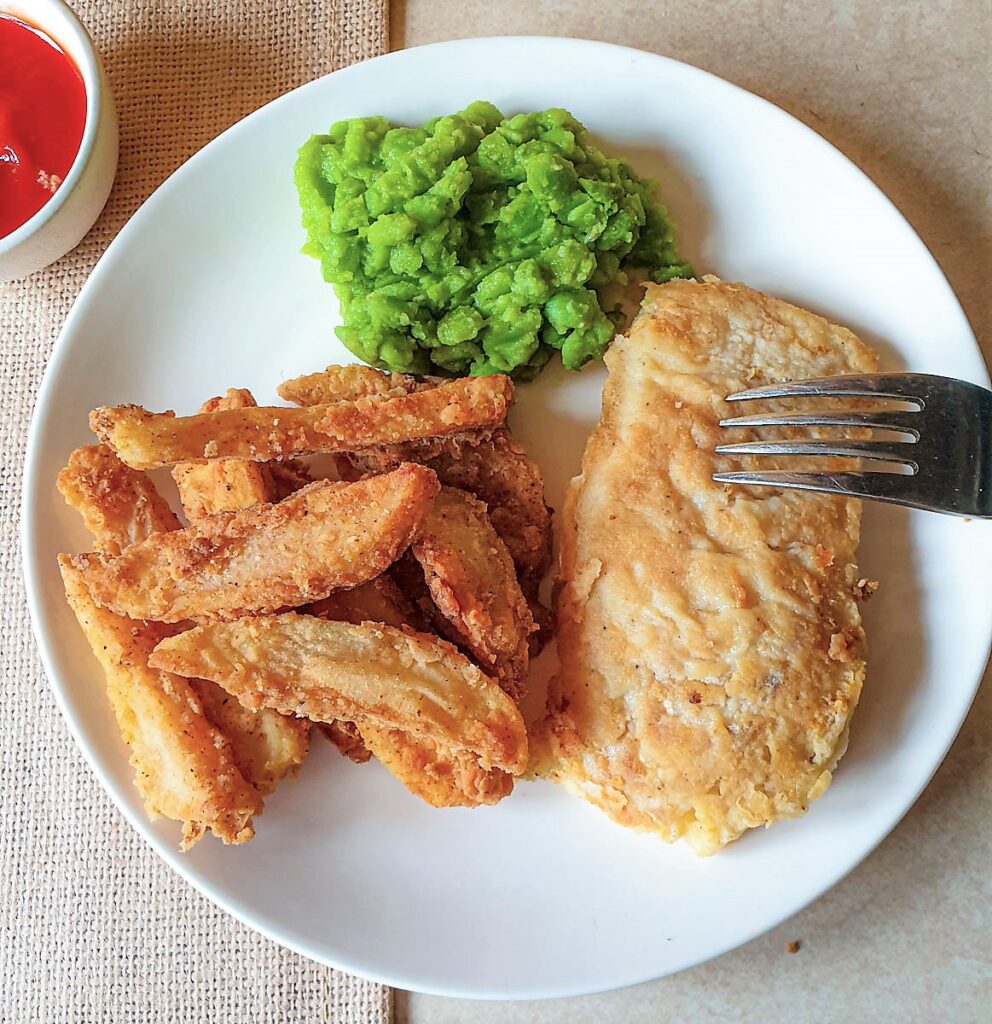
Forget soggy disappointments; this recipe uses time-tested techniques like the double-fry method to ensure restaurant-quality results. We’ll cover everything from the history and science behind these addictive spuds to step-by-step instructions, tips, variations, FAQs, recommended products, and more. By the end, you’ll have the confidence to fry up batches that rival your favorite diner. Let’s get started!
The Fascinating History of French Fries
French fries, or “frites” as they’re known in parts of Europe, have a storied past that might surprise you. Contrary to their name, they likely didn’t originate in France. Historians point to Belgium as the birthplace, dating back to the late 17th century. In the Meuse Valley, poor villagers subsisted on fried fish from the local river. When winters froze the waters, making fishing impossible, they turned to potatoes – a crop introduced to Europe by Spanish explorers from South America around the 16th century. These resourceful folks sliced the potatoes into strips, fried them in the same manner as their fish, and thus, the precursor to modern fries was born.
The name “French fries” itself is a bit of a misnomer. One popular theory traces it to American soldiers during World War I, who encountered the dish in Belgium but called it “French” because the local language was French. Another account credits Thomas Jefferson, who served “potatoes fried in the French manner” at a White House dinner in 1802, popularizing the term in the U.S. Regardless of the exact origin, by the 19th century, fries had spread across Europe and America. Street vendors in Paris sold them on the Pont Neuf bridge around the time of the French Revolution, further cementing their association with France.
In Chile, there’s even an earlier mention: documents from 1629 describe fried potatoes among Mapuche warriors, as noted in a 1673 account by Francisco Núñez de Pineda. Potatoes, originally cultivated in the Andes as far back as 3000 BC, made their way to Europe via Spanish conquistadors like Gonzalo Jimenez de Quesada in the 1530s. Initially met with suspicion – they were even banned in France for a time due to fears of toxicity – potatoes eventually became a staple, thanks to advocates like Antoine-Augustin Parmentier, who promoted them in the 1700s.
Today, French fries are a global phenomenon, with billions consumed annually. In Belgium, they’re a national treasure, often served with mayonnaise in paper cones. In the U.S., they’re synonymous with burgers and hot dogs. For more on potato-based dishes, check out our article on perfect mashed potatoes. Understanding this history adds a layer of appreciation to every crunchy bite.
The Science Behind Crispy French Fries
Achieving that ideal crispiness isn’t just about luck; it’s rooted in chemistry and physics. Let’s break it down.
Potatoes are about 80% water and packed with starch. When you fry them, the goal is a crispy exterior and fluffy interior. The key? Managing moisture and starch behavior. Raw potatoes plunged into hot oil would burn outside while staying raw inside. That’s why we use the double-fry method: first at a lower temperature (around 325°F) to cook the interior, then at higher heat (375°F) for crisping.
During the first fry, heat penetrates slowly since potatoes conduct heat poorly. At about 136°F, starch gelatinization begins – starch granules absorb water, swell, and soften the potato. Water evaporates, forming a dry crust with tiny holes for steam escape, creating microbubbles that enhance crispiness. This crust must be riddled with these bubbles for that satisfying crunch, not tough or leathery.
The second fry triggers the Maillard reaction above 212°F, where sugars and amino acids react to produce golden color and complex flavors. Oil oxidizes, adding deep-fried aromas. Dehydration of the surface removes water, solidifying the crust. Soaking potatoes beforehand removes excess starch, preventing sticking and sogginess.
Some recipes add vinegar to the soaking water to strengthen pectin, slowing breakdown for better structure. Freezing between fries can create ice crystals that disrupt cells, releasing more moisture for fluffier insides. Oil absorption is key too – about a quarter of a fry’s weight post-frying is oil, mostly on the surface.
Coatings like cornstarch or rice flour can amp up crunch by forming a gritty layer, often with baking powder for lift. For science enthusiasts, explore resources like Serious Eats’ in-depth guides. Mastering this science ensures your fries stay crispy even as they cool.
Ingredients for Perfect Crispy French Fries
To serve 4-6 people, you’ll need:
- 4 large russet potatoes (about 2 pounds) – high-starch for fluffiness.
- Vegetable oil or peanut oil for frying (enough to fill your fryer or pot to 3-4 inches).
- 2 tablespoons white vinegar (optional, for soaking).
- Salt, to taste.
- Optional seasonings: garlic powder, paprika, or herbs.
These simple ingredients, when handled right, yield extraordinary results. For oil alternatives, see our guide to healthy frying oils.
Step-by-Step Recipe Instructions
- Prepare the Potatoes: Peel the potatoes if desired, but leaving the skin on adds texture. Cut into even 1/4 to 1/2-inch sticks for uniform cooking. Rinse under cold water to remove starch.
- Soak for Crispiness: Place cuts in a bowl of cold water with 2 tablespoons vinegar. Soak for 30 minutes to 24 hours. This removes sugars that cause browning and strengthens structure. Drain and pat dry thoroughly – moisture is the enemy of crispiness.
- First Fry (Blanching): Heat oil to 325°F in a deep fryer or heavy pot. Fry potatoes in batches (don’t overcrowd) for 5-7 minutes until pale and limp, not browned. Remove with a slotted spoon, drain on paper towels. Let cool for at least 15 minutes; you can refrigerate or freeze here for later.
- Second Fry (Crisping): Increase oil to 375°F. Fry again in batches for 2-4 minutes until golden and crispy. Watch closely to avoid burning. Drain, season immediately with salt.
- Serve Hot: Enjoy right away for maximum crunch. Pair with homemade ketchup or aioli.
This double-fry technique, popularized by chefs like Guy Fieri, ensures perfection. Total time: about 1 hour, plus soaking.
Tips and Tricks for Foolproof Fries
- Use a thermometer; temperature control is crucial.
- Choose russet potatoes for their starch content.
- Don’t skip drying – wet fries splatter and steam instead of crisp.
- Fry in small batches to maintain oil temp.
- For extra crunch, dust with cornstarch before the first fry.
- Common mistake: Overcrowding leads to sogginess.
- Store leftovers in the fridge and reheat in an oven at 400°F for 5-10 minutes.
For more kitchen hacks, visit our frying tips section.
Delicious Variations to Try
Elevate your fries with twists:
- Garlic Parmesan Fries: Toss with grated Parmesan, minced garlic, and parsley post-fry.
- Loaded Fries: Top with cheese, bacon, and green onions – like our loaded nachos recipe.
- Sweet Potato Fries: Swap russets for sweets; adjust fry times slightly.
- Truffle Fries: Drizzle with truffle oil and sea salt for gourmet flair.
- Spicy Cajun Fries: Season with Cajun mix before the second fry.
Experiment and share your creations on ForknFood.com!
Frequently Asked Questions (FAQs)
Here are some common questions home cooks have about making crispy French fries:
Why do my homemade fries turn out soggy?
The most common culprits are overcrowding the fryer (which drops the oil temperature and steams the potatoes), not drying them thoroughly after soaking, or skipping the double-fry method. Always fry in small batches and pat dry well.
Do I really need to soak the potatoes?
Yes! Soaking removes excess surface starch, which prevents sticking and helps achieve a crispier exterior. Adding a bit of vinegar to the water strengthens the potato structure for even better results.
What’s the best potato for French fries?
Russet potatoes (also called Idaho potatoes) are widely regarded as the best due to their high starch and low moisture content, leading to fluffy interiors and crispy outsides. Avoid waxy varieties like red or Yukon Gold for frying.
Can I make these without a deep fryer?
Absolutely! Use a heavy-bottomed pot or Dutch oven with a thermometer. A deep fryer just makes temperature control easier, but stovetop works great.
How do I keep fries crispy after frying?
Season immediately while hot, serve right away, and avoid covering them (which traps steam). If needed, keep warm in a low oven (200°F) on a wire rack for airflow.
Is there a healthier way to make crispy fries?
Try oven-baking with a light oil coating and high heat, or use an air fryer. They won’t match deep-fried crunch exactly, but they’re delicious and lower in oil.
Recommended Products for Perfect Fries
To make the process easier and more consistent, consider these kitchen tools:
- Russet Potatoes – Stock up on large, fresh russets for the best texture.
- Deep Fry Thermometer – Essential for precise oil temperature. Look for models like the Taylor Candy and Deep Fry Thermometer with a clip for easy use.
- Mandoline or French Fry Cutter – For uniform cuts every time. A mandoline (like the Rapid-Prep Mandoline) or a stainless steel fry cutter (such as Sopito professional models) saves time and ensures even cooking.
- Heavy Pot or Dutch Oven – Ideal for stovetop frying; cast iron or enameled works best for heat retention.
- Slotted Spoon or Spider Strainer – For safely removing fries from hot oil.
- Wire Rack – Drain fries on a rack over a sheet pan to keep them crispy instead of soggy on paper towels.
These tools are available on sites like Amazon or kitchen stores. Investing in a good thermometer and cutter will make a huge difference in results.

Conclusion
Mastering crispy French fries is a game-changer for home cooks. With this recipe, you’ll achieve golden, crunchy perfection every time. From their humble Belgian origins to the science of the Maillard reaction, fries are more than a side – they’re a culinary triumph. Head to your kitchen, fry up a batch, and tag us at ForknFood.com. For more recipes, explore our snack collection. Happy frying!


Leave a Reply