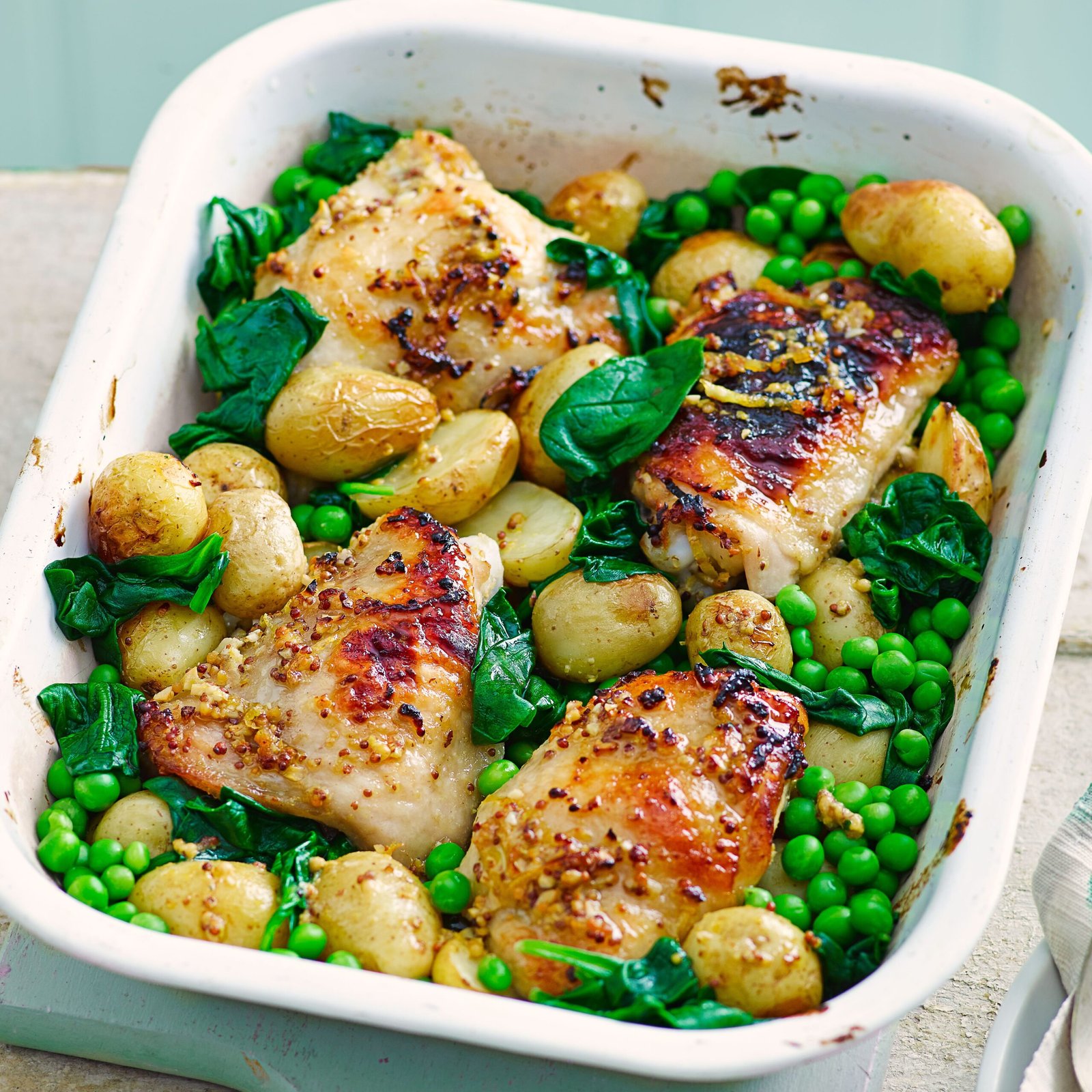
As the frost recedes and the days stretch longer, the culinary world undergoes a vibrant transformation. After a winter of hearty stews and root vegetables, our palates naturally crave something lighter, brighter, and fresher. Spring is not just a change in weather; it is a nutritional reset button provided by nature.Nutritious Spring Recipes bring fresh, vibrant ingredients to your table while supporting a healthy lifestyle.
At Fork & Food, we believe that eating seasonally is the simplest way to support both your health and the planet. When you choose vegetables grown in their natural window, you’re getting produce at its peak nutrient density and flavor.
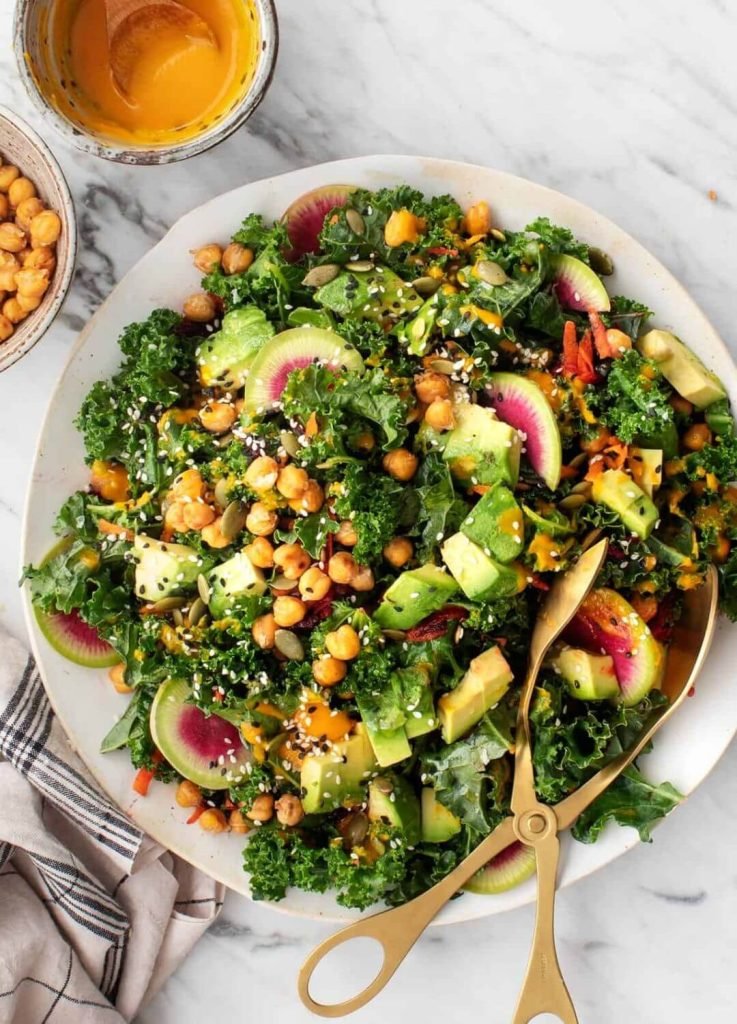
The Power of Eating Seasonally
Why wait for spring? While modern grocery stores offer strawberries in December, those items often travel thousands of miles, losing nutrients and flavor along the way. In contrast, spring vegetables are packed with vitamins that specifically help our bodies transition out of “hibernation mode.”
- Detoxification: Many spring greens, like dandelion and arugula, have bitter profiles that stimulate digestion and liver function.
- Hydration: Spring produce like cucumbers and radishes have high water content to keep you hydrated as temperatures rise.
- Bioavailability: Eating produce shortly after harvest ensures you are getting the maximum Vitamin C and Folate levels possible.
1. The Ultimate Spring Detox Salad
Featuring: Asparagus, Radishes, and Pea Shoots
This isn’t your average side salad. It’s a crunchy, zesty powerhouse that works beautifully as a light lunch or a base for grilled salmon.
Ingredients
- 1 bunch of thick asparagus (shaved into ribbons with a peeler)
- 1 cup fresh sugar snap peas, thinly sliced
- 4-5 breakfast radishes, thinly sliced
- 2 cups pea shoots or microgreens
- Dressing: Lemon zest, juice of one lemon, 3 tbsp extra virgin olive oil, 1 tsp Dijon mustard, and a pinch of sea salt.
Why it works
Asparagus is a prebiotic superstar, feeding the “good” bacteria in your gut. When shaved raw, it retains a crisp, nutty flavor that pairs perfectly with the peppery bite of the radishes.
Pro-Tip: If you’re looking for more ways to use these ingredients, check out our previous guide on Mastering the Art of the Vinaigrette.
2. Vibrant Green Pea and Mint Risotto
Featuring: Fresh Shelled Peas and Mint
Nothing says “Spring” quite like the combination of sweet peas and cooling mint. This risotto swaps heavy creams for a vibrant pea purée, resulting in a dish that is creamy yet surprisingly light.
The Nutritional Profile of Peas
Don’t let their size fool you. Garden peas are an excellent source of plant-based protein and fiber. They also contain high levels of Lutein, which is essential for eye health.
Preparation Highlights
- The Purée: Blanch half of your peas and blend them with a handful of fresh mint and a splash of vegetable stock.
- The Base: Use Arborio rice and slowly incorporate warm broth.
- The Finish: Fold in the pea purée at the very end to maintain that electric green color.
Sustainable Swap: Try usingPearl Barleyinstead of Arborio rice for an even higher fiber content and a delightful chewy texture.
3. Roasted Carrots with Carrot-Top Pesto
Featuring: New Carrots and Garlic Scapes
Spring carrots are tender and sweet enough to eat raw, but roasting them concentrates their natural sugars. In the spirit of “zero-waste” cooking, we’re using the leafy greens to create a nutrient-dense pesto.
Ingredients
- 2 bunches of small spring carrots with greens attached
- 2 tbsp avocado oil
- Pesto: Carrot tops, 1/4 cup walnuts, 1 clove garlic (or 1 garlic scape), 1/2 cup olive oil, and 2 tbsp nutritional yeast.
Health Benefits
Carrots are famous for Beta-carotene, which the body converts into Vitamin A. This is crucial for maintaining healthy skin—perfect for getting that “spring glow.” The garlic scapes—the curly green shoots of the garlic plant—offer a milder, more herbal garlic flavor and are only available for a few weeks each year.
For more zero-waste kitchen ideas, see our article on How to Use Every Part of Your Vegetables.
4. Lemon-Herb Braised Artichokes
Featuring: Globe Artichokes and Fresh Dill
Artichokes can be intimidating, but they are one of the most rewarding spring vegetables. They are incredibly high in antioxidants—even higher than blueberries in some studies.
How to Trim an Artichoke
- Snap off the tough outer leaves until you reach the pale green ones.
- Cut off the top inch of the globe.
- Trim the stem and peel the outer skin.
- Immediately rub with lemon to prevent browning (oxidation).
Braising them in a shallow bath of white wine, lemon, and plenty of fresh dill creates a melt-in-your-mouth texture that makes a wonderful appetizer.
5. Early Spring Ramp and Mushroom Pasta
Featuring: Ramps (Wild Leeks) and Morels
If you are lucky enough to find ramps at your local farmer’s market, grab them! These wild leeks have a flavor profile that sits somewhere between garlic and onion. Combined with earthy morel mushrooms, this pasta is a true delicacy of the season.
Ingredients
- 1/2 lb Whole grain linguine
- 1 bunch of ramps (leaves and bulbs separated)
- 1 cup fresh morel mushrooms (cleaned thoroughly)
- Splash of dry white wine
- Red pepper flakes
Directions
Sauté the chopped ramp bulbs and morels in olive oil until golden. Toss in the ramp leaves at the very last second—they wilt almost instantly. Deglaze with wine and toss with your pasta.
Tips for Sourcing the Best Spring Produce
To get the most out of these recipes, sourcing is key. Here is how to ensure you’re getting the freshest ingredients:
- Visit the Farmer’s Market: Spring is the best time to connect with local growers. You’ll find varieties of greens and herbs that rarely make it to big-box stores.
- Look for “Turgor”: This is a fancy word for crispness. Your greens should snap, not bend. Your radishes should be firm, not spongy.
- Smell Your Herbs: Fresh spring herbs like cilantro, parsley, and mint should have a pungent, clean aroma the moment you touch them.
Seasonal Vegetable Calendar
| Vegetable | Peak Months | Best Cooking Method |
| Asparagus | April – June | Grilling / Shaving Raw |
| Peas | May – June | Blanching / Puréeing |
| Radishes | March – May | Slicing Fresh / Butter Poached |
| Ramps | April – May | Quick Sauté |
| Artichokes | March – May | Steaming / Braising |
Conclusion
Spring is a season of hope and health. By incorporating these seasonal vegetables into your weekly meal prep, you aren’t just eating better—you’re aligning yourself with the natural rhythm of the earth. These recipes are designed to be flexible; feel free to swap herbs or add your favorite protein to make them your own.Explore our internal link https://forknfood.com for more ideas.
At Fork & Food, we want to see your creations! Share your spring masterpieces with us on social media using the hashtag #ForkAndFoodSpring.
Spring Produce: Frequently Asked Questions
1. Why is spring produce considered “detoxifying”?
Spring vegetables like arugula, dandelion greens, and radishes often have a slightly bitter or peppery profile. These compounds stimulate the gallbladder and liver, aiding in natural digestion and helping the body process the heavier fats typically consumed during winter.
2. Can I use frozen peas if I can’t find fresh ones?
Absolutely. While fresh peas are a spring treat, high-quality frozen peas are often flash-frozen within hours of harvest, locking in their Vitamin C and sweetness. They are a great year-round alternative for risottos and soups.
3. How do I keep my spring greens from wilting so fast?
Most spring vegetables have high water content and thin skins. To extend their life, store greens in a perforated plastic bag with a damp paper towel. For asparagus, treat them like flowers: trim the bottoms and stand them upright in an inch of water in your fridge.
4. Are the leaves of all spring vegetables edible?
Many are! Carrot tops can be made into pesto, and radish greens are delicious sautéed with garlic. However, always discard rhubarb leaves, as they contain high levels of oxalic acid which is toxic.
Top Kitchen Products for Spring Cooking (2026 Edition)
Equipping your kitchen with the right tools makes prepping delicate spring vegetables a breeze. Here are the top-rated products we recommend for this season:
| Product Category | Featured Recommendation | Why We Love It |
| Precision Slicing | OXO Good Grips Mandoline | Perfect for getting those paper-thin radish slices and translucent cucumber ribbons for salads. |
| Herb Preparation | Multi-Blade Herb Scissors | With 5 stainless steel blades, these allow you to “shred” fresh mint and chives directly into your dish without bruising the leaves. |
| Healthy Cooking | Our Place Wonder Oven | A 6-in-1 tool that air-frys and roasts spring carrots to perfection using 75% less oil than traditional methods. |
| Eco-Friendly Prep | Silicon Food Huggers | Ideal for saving that half-used lemon or onion without using single-use plastic wrap. |
| Root Prep | Swiss-Style Serrated Peeler | Essential for “shaving” asparagus into ribbons or peeling the tough outer skin off broccoli rabe stems. |
External Resources & Further Reading
- Seasonal Food Guide: Check what’s specifically in season in your zip code at SeasonalFoodGuide.org.
- Nutritional Science: Learn more about the benefits of phytonutrients from the Harvard T.H. Chan School of Public Health.
- Gardening Tips: Thinking of growing your own? The Old Farmer’s Almanac provides perfect planting dates for spring crops.
To take your Fork & Food article to the next level, here are some modern cooking methods and essential tools specifically curated for handling delicate spring produce. These additions will give your readers practical ways to preserve both flavor and nutrients.
Modern Cooking Methods for Spring Produce
While roasting and boiling are classics, these specialized methods are better suited for the high water content and subtle flavors of spring crops.
1. The “Shock” Method (Blanching & Refreshing)
This is the gold standard for peas, asparagus, and fava beans.
- The Method: Boil the vegetables for only 60–90 seconds, then immediately plunge them into a bowl of ice water.
- The Benefit: This “shocks” the vegetables, stopping the cooking process instantly. It locks in a bright neon-green color and a crisp-tender snap that looks professional on the plate.
2. Olive Oil Braising
Unlike winter braising (which uses heavy stocks), spring braising uses extra virgin olive oil and just a splash of water or lemon juice.
- The Method: Simmer baby carrots, fennel, or artichokes in a shallow pool of olive oil over low heat.
- The Benefit: It creates a “silky” texture without making the vegetables mushy. The oil also helps your body absorb fat-soluble vitamins like Vitamin A found in carrots.
3. Quick Pickling (The “Quickle”)
Spring onions and radishes can be quite sharp when raw.
- The Method: Submerge sliced vegetables in a 1:1 mixture of water and vinegar with a pinch of sugar and salt. Let sit for just 30 minutes.
- The Benefit: It transforms the harsh bite into a tangy, bright crunch that cuts through rich dishes like risotto or grilled meats.
Must-Have Tools for the Spring Kitchen
To handle the precise prep required for small, tender vegetables, these tools are game-changers for 2026:
1. Precision Mandoline Slicer
Spring salads rely on “shaved” textures. A mandoline allows you to turn a radish or a stalk of asparagus into paper-thin ribbons that melt in your mouth.
- Top Pick: OXO Good Grips Mandoline (Safe, easy to adjust, and creates consistent slices).
2. Herb Stripper & Multi-Blade Scissors
Spring is the season of soft herbs (dill, chives, cilantro).
- The Tool: A wooden or stainless steel herb stripper pulls woody stems through small holes to release leaves instantly. Follow up with 5-blade herb scissors to mince chives directly over your plate without bruising them.
3. Microplane Zester
Spring recipes crave acidity. A high-quality Microplane allows you to shave only the fragrant “zest” of a lemon (the yellow part) while leaving behind the bitter white pith. This is essential for the Spring Detox Salad mentioned earlier.
4. Silicone “Food Huggers”
Spring produce like half-cut lemons or small bundles of ramps can dry out quickly.
- The Tool: Food Huggers are reusable silicone caps that stretch over the cut end of your produce, keeping it airtight and fresh without the waste of plastic wrap.
5. Ceramic Non-Stick Skillet
Since spring cooking is often “low and slow” or “light and quick,” a high-quality ceramic pan ensures you don’t need excessive oil to keep delicate items like pea shoots from sticking.
- Top Pick: GreenPan Padova Series (PFAS-free and excellent for heat distribution).
Pro-Tip: Nutritious Retention
To keep your spring veggies healthy, remember the “Time, Temp, and Water” rule. The less time they spend in high heat and the less water they sit in, the more vitamins stay inside the vegetable. When in doubt, steam or quick-sauté!
To finish your article for Fork & Food, here is an curated selection of top-tier kitchen tools and gadgets for 2026. These products are specifically chosen to handle the delicate, vibrant produce of spring while aligning with the year’s trends of sustainability and “smart” efficiency.
Top Kitchen Products for the 2026 Spring Season
As we move through 2026, kitchen innovation is focusing on two things: precision and nutrient preservation. To get the most out of your seasonal harvest, consider adding these top-rated essentials to your countertop:
1. The “Smart” Precision Mandoline (2026 Edition)
Modern mandolines have evolved. The top models this year feature integrated thickness sensors and ultra-safe vertical slicing designs.
- Why it’s a Spring Essential: It is the only way to achieve those translucent radish “coins” and shaved asparagus ribbons that define a professional-grade spring salad.
- Top Pick: Look for the OXO Good Grips 2026 Vertical Slicer for maximum safety and precision.
2. Countertop Hydroponic “Herb Hub”
Why buy herbs when you can grow them where you cook? 2026 has seen a surge in compact, AI-integrated indoor gardens.
- Why it’s a Spring Essential: Having immediate access to fresh mint, dill, and chives allows you to garnish your spring recipes at the moment of peak aroma.
- Top Pick: Click and Grow Smart Garden 3—it manages the light and water for your spring herbs automatically.
3. Reusable Silicone “Food Huggers”
Sustainability is at the heart of the 2026 kitchen. Instead of plastic wrap, chefs are using form-fitting silicone caps.
- Why it’s a Spring Essential: Spring produce often comes in small, irregular shapes (like half a lemon or a bunch of ramps). These “huggers” seal the cut ends perfectly, preventing the wilting that ruins delicate spring greens.
- Top Pick: Food Huggers – 5pc Starter Set (BPA-free and dishwasher safe).
4. High-Speed “Splendor” Blender
Modern blenders now feature friction-heating technology and vacuum-sealing to prevent oxidation.
- Why it’s a Spring Essential: It’s perfect for creating that “Electric Green” Pea Purée or a silky Spring Asparagus Soup without losing the vibrant color to heat or air.
- Top Pick: Our Place Splendor Blender—noted for its quiet motor and sleek, countertop-friendly design.
5. Multi-Function “Wonder” Oven
Small-footprint countertop ovens have replaced traditional air fryers for many home cooks in 2026.
- Why it’s a Spring Essential: These units offer a “Steam-Roast” mode, which is the secret to making spring carrots that are caramelized on the outside but incredibly juicy and tender on the inside.
- Top Pick: Our Place Wonder Oven (a 6-in-1 tool that air-frys, roasts, and steams).
Quick Comparison: Prep Tools vs. Storage
| Product | Primary Use | 2026 Trend Factor |
| Vegetable Spiralizer | Creating “Zoodles” or beet noodles | Low-carb / Keto alignment |
| Titanium Always Pan Pro | Non-toxic sautéing of greens | PFAS-free / Chemical-free cooking |
| Stasher Silicone Bags | Sous-vide or fridge storage | Zero-waste / Plastic alternative |
| Digital Smart Scale | Precise measurement for dressings | App-integrated nutritional tracking |
External Resources for Product Enthusiasts
- Eco-Friendly Kitchen Reviews: For a deep dive into sustainable materials, visit The Spruce Eats for their 2026 sustainability guide.
- Modern Cooking Science: Check out Serious Eats for technical reviews on how the latest blenders and ovens impact vegetable texture.


Leave a Reply