Baking Recipies are a delightful way to create homemade treats that bring comfort and joy to any occasion. Baking Recipies allow you to experiment with flavors, from classic cakes and cookies to modern pastries and breads. Baking Recipies can be simple for beginners while also offering advanced techniques for experienced bakers. Baking Recipies often include essential ingredients like flour, sugar, butter, and eggs to create perfect textures and flavors. Baking Recipies are perfect for celebrations, family gatherings, or just enjoying a sweet moment at home. Baking Recipies help you develop creativity in the kitchen while mastering the art of baking.
As the last frost retreats and the first green shoots of rhubarb and asparagus pierce the soil, the kitchen undergoes a fundamental shift. We move away from the heavy, spice-laden comforts of winter and toward the vibrant, zesty, and floral notes of spring.
At forknfood.com, we believe that baking is more than just following a recipe—it is a way to synchronize our palates with the rhythm of the earth. Spring baking is particularly magical; it’s a celebration of renewal, characterized by the snap of fresh stalks, the perfume of citrus, and the delicate crumb of sponges designed for sun-drenched afternoons.
In this deep dive, we’ll explore the essential ingredients of the season, the science of why seasonal baking tastes better, and provide a curated collection of recipes that will make your spring table the talk of the neighborhood.
1. The Philosophy of the Spring Kitchen
Why Seasonality Matters
Baking with the seasons isn’t just a culinary trend; it’s a commitment to flavor and sustainability. When you use a strawberry picked in late May versus one flown across an ocean in January, you aren’t just changing the origin—you’re changing the chemistry.
Seasonal produce is harvested at its peak ripeness, meaning the sugar-to-acid ratio is perfectly balanced. For a baker, this means you can often reduce added refined sugars, allowing the natural brightness of the fruit to shine. Furthermore, supporting local growers through Community Supported Agriculture (CSA) or farmers’ markets reduces your carbon footprint and ensures your ingredients haven’t spent weeks in cold storage, losing their aromatic compounds.Explore our internal link https://forknfood.com our more.
The 2026 Spring Flavor Palette
This year, we are seeing a beautiful blend of tradition and “new-age” botanicals. While lemon and vanilla remain the undisputed royalty of spring, keep an eye out for these rising stars:
- Yuzu and Blood Orange: For a more complex, floral acidity than standard lemons.
- Pistachio and Matcha: These earthy, “green” flavors provide a grounded counterpoint to sweet berries.
- Lavender and Elderflower: Infusing milks and sugars with these florals adds a “secret ingredient” mystery to simple sponges.
2. Showstopping Spring Cakes
Cakes in the spring should feel light, airy, and visually stunning. We’re moving away from dense ganaches and toward whipped mascarpone, fruit curds, and edible flower decorations.
A. The Classic Lemon Poppy Seed Loaf (Elevated)
Every baker needs a reliable lemon loaf, but for forknfood.com, we’re adding a twist: Greek Yogurt and Thyme. The acidity of the yogurt creates an incredibly tender crumb, while a hint of fresh thyme in the sugar rub adds a sophisticated herbal undertone.
Pro-Tip: Rub your lemon zest into the granulated sugar with your fingertips until the sugar is fragrant and moist. This releases the essential oils (limonene) that a whisk alone cannot reach.
B. Rhubarb and Custard Upside-Down Cake
Rhubarb is the true harbinger of spring. Its intense tartness is the perfect foil for a rich, vanilla-flecked sponge.
- The Technique: Arrange batons of pink hothouse rhubarb in a geometric pattern at the bottom of your pan over a layer of melted butter and brown sugar.
- The Result: A stunning, stained-glass effect that requires no frosting.
C. Hummingbird Cake: The Southern Spring Essential
Originally from Jamaica but perfected in the American South, the Hummingbird Cake is a tropical transition into spring. Packed with bananas, pineapple, and pecans, it’s a moist, spiced delight that pairs perfectly with a tangy cream cheese frosting.
3. The Art of the Spring Tart
Tarts are the crown jewels of spring baking. They allow for a high ratio of fresh fruit to pastry, making them feel lighter than a traditional double-crust pie.
Mastering the Pâte Sucrée
A great tart starts with a great crust. For spring, you want a pâte sucrée—a sweet, crisp shortcrust that eats like a cookie.
- Keep it Cold: Use chilled European-style butter (higher fat content) to ensure a flaky yet sturdy base.
- Blind Baking: Always blind-bake your shell with pie weights to prevent the dreaded “soggy bottom” when you add your moist spring fillings.
Recipe Focus: Strawberry Basil Tart with Mascarpone Cream
This is a masterclass in flavor balancing.
- The Filling: A lightly sweetened mascarpone and heavy cream whip.
- The Fruit: Freshly sliced strawberries macerated in a touch of balsamic glaze and finely ribboned (chiffonade) basil.
- The Science: The pepperiness of the basil enhances the sweetness of the berries, a trick often used by professional pastry chefs to add depth.
4. Beyond the Oven: Pavlovas and Galettes
If you’re looking for something a bit more rustic or gluten-friendly, spring offers plenty of options.
The Strawberry Rhubarb Galette
Galettes are the “low-stress” version of a pie. There’s no need for perfect crimping; the charms of a galette lie in its folded, rugged edges.
- Flavor Tip: Add a layer of almond frangipane (almond flour, sugar, egg) between the crust and the fruit. This acts as a delicious “sponge” that prevents the fruit juices from making the crust mushy.
Mini Berry Pavlovas
Pavlovas are naturally gluten-free and mimic the fluffiness of spring clouds.
- Texture is Key: A perfect pavlova should have a crisp exterior and a marshmallow-like interior.
- Seasonal Topping: Passion fruit curd and a medley of raspberries and blueberries. The sharp acidity of the passion fruit cuts through the sweetness of the meringue beautifully.
5. Essential Tips for Success
To ensure your spring bakes are successful every time, keep these three rules in mind:
| Tip | Why it Matters |
| Room Temp Ingredients | Eggs and dairy at room temperature emulsify better, leading to an even rise and smoother batter. |
| Weigh Your Flour | Spring cakes are delicate. A “cup” of flour can vary by 20%; using a digital scale ensures your cake isn’t dry. |
| Seasonal Substitutions | If rhubarb isn’t in yet, frozen berries work well in bakes, but always toss them in a bit of cornstack first to prevent “bleeding.” |
6. Decorating with Nature
Spring is the only season where the garden does the decorating for you.
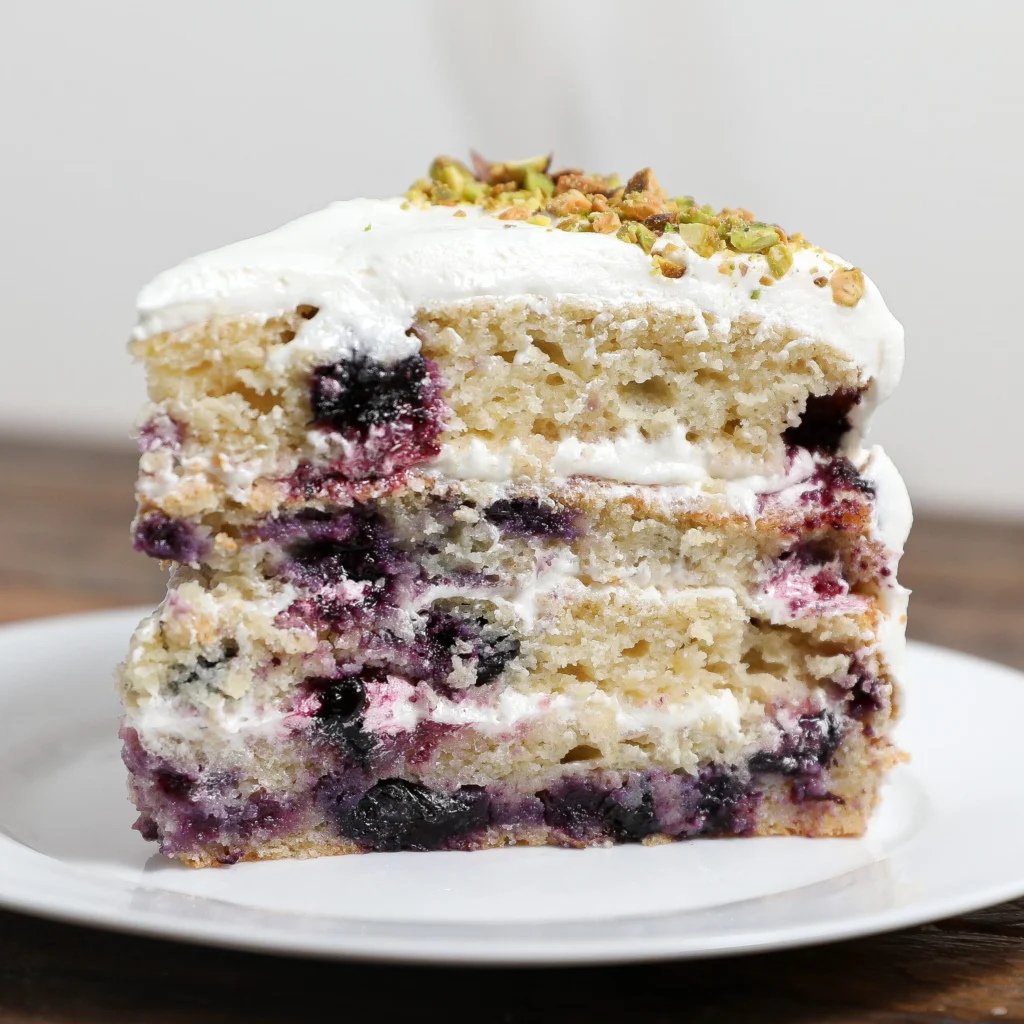
- Edible Flowers: Pansies, violas, and marigolds are safe and stunning additions to cakes. (Always ensure they are “food grade” and pesticide-free).
- Candied Citrus: Thinly sliced lemons or limes simmered in sugar syrup add both texture and a professional “bakery-style” finish.
Conclusion
Spring baking is an invitation to slow down and appreciate the fleeting beauty of the season. Whether you’re whisking up a zesty lemon loaf for a Sunday brunch or meticulously arranging strawberries on a mascarpone tart, you are participating in a timeless tradition of renewal.
Frequently Asked Questions: Spring Baking 101
Q: Why did my spring fruit cake sink in the middle?
A: This is common with high-moisture fruits like rhubarb or strawberries. These fruits release water as they bake, which can create “gummy” pockets and weigh down the batter. To prevent this, chop fruit into small pieces and toss them in a tablespoon of flour before folding them into the batter. This helps the fruit stay suspended rather than sinking to the bottom.
Q: Can I use frozen berries if fresh ones aren’t in season yet?
A: Yes! However, do not thaw them before adding to your batter. Thawed berries release too much juice, which will turn your cake purple or gray. Add them straight from the freezer and increase your bake time by 5–8 minutes.
Q: How do I get more “zip” out of my lemon desserts?
A: Most of the lemon flavor is in the oil of the zest, not the juice. Rub the zest into your sugar with your fingers until it’s fragrant and moist before mixing it with other ingredients. Also, add a pinch of salt; it acts as a flavor magnifier for citrus.
Q: Why do recipes insist on “room temperature” eggs and butter?
A: In the spring, our kitchens are often still a bit chilly. Cold eggs can “seize” your creamed butter, leading to a lumpy batter that doesn’t rise evenly. Room temperature ingredients emulsify better, creating a smooth, aerated structure for that light spring crumb.
Top Products for Your Spring Bakery
Investing in the right tools can make the difference between a “rustic” bake and a professional-grade masterpiece.
1. Perforated Tart Rings
If you want the crisp, straight-edged look of a French patisserie, ditch the fluted tins. Perforated rings allow steam to escape through the sides, ensuring your crust stays thin, crisp, and perfectly golden.
- Best for: Lemon Ginger Tarts and Fruit Galettes.
2. Digital Kitchen Scale
In 2026, the “cup” measurement is officially outdated for serious bakers. Precision is key for delicate sponges. A scale ensures you don’t over-pack your flour, which is the #1 cause of dry, heavy cakes.
- Recommendation: Look for one with a “tare” function and a high-contrast display.
3. Microplane Zester
A standard box grater often catches the bitter white pith of the citrus. A dedicated Microplane only takes the aromatic top layer of the peel, which is essential for that clean, bright spring flavor.
4. Ceramic Pie Weights
For blind-baking tart shells, ceramic weights distribute heat more evenly than dried beans or rice. They are reusable and ensure your pastry doesn’t shrink or bubble up in the oven.
5. Offset Spatula
This is the “magic wand” of cake decorating. Whether you’re spreading mascarpone cream or smoothing out a lemon loaf glaze, the angled blade gives you control and keeps your knuckles away from the delicate surface.
The 2026 Trend Corner: Texture Mashups
One of the biggest shifts in baking this year is the “Texture Obsession.” According to industry experts, 2026 is all about “Mookies” (muffin-cookie hybrids) and sourdough-based pastries.
Editor’s Note: Try adding a sourdough discard to your lemon poppy seed cake for a complex tang that balances the sweetness perfectly!
7. The 2026 Baker’s Toolkit: Top Tools for Spring
Precision and texture are the themes of the year. Here is the gear currently topping the “must-have” lists for 2026.
A. The “Smart” Stand Mixer
While the classic KitchenAid is still a legend, the GE Profile Smart Mixer with Auto Sense has become the 2026 favorite. It features a built-in scale (no more dirty measuring cups!) and sensors that can detect when your whipped cream or meringue has reached the perfect peak, automatically stopping to prevent over-mixing.
B. Perforated Silicone Baking Mats (Silpat)
Standard parchment is great, but for spring tarts and cookies, perforated mats are the 2026 gold standard. The tiny holes allow for optimal heat circulation, giving your tart crusts a “snap” that traditional mats can’t match.
C. The “Baker’s Lame” (Not just for bread!)
In 2026, we’re seeing “scoring” move into the world of sweet tarts and pies. A sharp lame (a specialized razor tool) allows you to etch intricate floral patterns into your pie crusts or galettes before they hit the oven, creating a stunning 3D effect.
D. Infrared Surface Thermometers
Want to know if your tart shell has cooled enough for the mascarpone filling? Or if your chocolate is at the exact tempering point? Infrared thermometers allow you to check surface temperatures instantly without touching (and potentially ruining) your delicate bakes.
8. Cutting-Edge Methods: How We Bake in 2026
Methods are evolving. To stay ahead of the curve at forknfood.com, try integrating these three trending techniques.
1. The “Texture Mashup” Method
In 2026, 71% of consumers prioritize texture over flavor alone. The trendiest spring recipes now focus on “The Contrast Rule”:
- The Method: Never leave a surface “flat.” If you have a smooth lemon custard, top it with toasted panko breadcrumbs or miso-caramelized nuts.
- Why it works: It creates “sensory surprise,” making a simple dessert feel like a high-end restaurant experience.
2. Sourdough Everything (The “Gut-Health” Halo)
Sourdough has officially moved beyond the loaf. In 2026, we are using sourdough discard in:
- Lemon Poppy Seed Muffins: The natural acidity of the starter acts as a flavor booster for the citrus.
- Tart Crusts: A fermented crust adds a savory “umami” depth that balances sweet fruit fillings.
- Method Tip: Use “Live Sourdough” starters to improve the digestibility of your spring sponges.
3. The “Cold-Start” Tart Shell
A rising method in 2026 involves putting a frozen tart shell directly into a high-heat oven (around 200°C or 400°F).
- The Science: The thermal shock causes the moisture in the butter to evaporate instantly, creating “micro-layers” of steam that result in the flakiest crust imaginable without the need for extensive folding.
9. Quick-Reference: Tool vs. Method Comparison
| Goal | Recommended Tool | 2026 Method to Try |
| Ultra-Light Sponges | Digital Scale (Precision) | Reverse Creaming: Mix flour and butter first to coat protein and prevent gluten development. |
| Glass-Like Fruit Glaze | Natural Bristle Pastry Brush | The Apricot Burnish: Heat apricot jam with a splash of elderflower liqueur for a floral shine. |
| Perfect Tart Geometry | Perforated Tart Rings | The “Micro-Perforation” Bake: Use rings on a perforated mat for 360° airflow. |
| Floral Decor | Offset Spatula (Small) | Petal Pressing: Pressing fresh violas between parchment before baking them into the crust. |
Final Thoughts for forknfood.com
Spring baking is as much about the process as it is the result. By combining these high-precision tools with texture-forward methods, you aren’t just making a cake—you’re crafting an edible piece of the season.
Whether you’re a tech-forward baker with a Smart Mixer or a traditionalist with a wooden rolling pin, the goal remains the same: capturing the fleeting brightness of spring in every bite.
Leave a Reply