Food transcends mere nourishment—it weaves together history, culture, family traditions, and identity. From bustling street markets in Bangkok to family kitchens in Naples, traditional recipes preserve centuries-old techniques, local ingredients, and stories passed down through generations. In an era of fast food and globalization, these dishes remind us of the rich diversity that makes our world flavorful.
At forknfood.com, we believe every meal is an opportunity to travel. This 1500-word guide showcases seven iconic traditional recipes from different continents. Each includes authentic history, simple ingredients, step-by-step instructions for home cooks, and tips for success. Whether you’re hosting a dinner party or exploring new flavors solo, these recipes will inspire you.
Explore our complete World Cuisine collection for more global recipes (internal link).
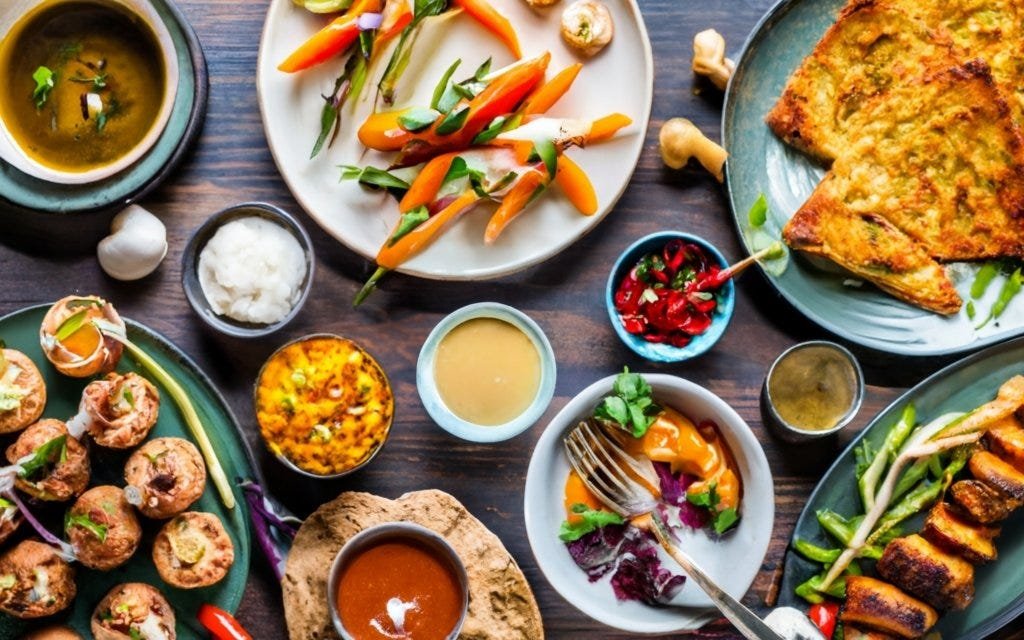
Italy: Margherita Pizza – The Queen of Naples
Italy’s cuisine earned full UNESCO Intangible Cultural Heritage status in late 2025, recognizing its entire gastronomic tradition. The Margherita Pizza, however, has legendary roots dating to 1889 in Naples. Created by pizzaiolo Raffaele Esposito for Queen Margherita of Savoy, its colors—red tomatoes, white mozzarella, green basil—mirror the Italian flag.
Ingredients (makes two 12-inch pizzas):
- 500g “00” flour (or bread flour)
- 325ml lukewarm water
- 1 tsp active dry yeast
- 2 tsp salt
- 1 tsp sugar
- 400g canned San Marzano tomatoes, crushed
- 400g fresh mozzarella di bufala or fior di latte, sliced
- Fresh basil leaves
- Extra-virgin olive oil
- Salt to taste
Instructions:
- Mix yeast, sugar, and water; let foam for 10 minutes.
- Combine flour and salt, then knead in yeast mixture for 10–12 minutes until smooth. Cover and rise 1–2 hours (or overnight in fridge for better flavor).
- Preheat oven to highest setting (500°F/260°C) with pizza stone or steel inside.
- Divide dough, stretch into thin circles.
- Spread crushed tomatoes thinly, add mozzarella slices, drizzle oil, and season.
- Bake 8–12 minutes until crust is blistered and cheese bubbles.
- Finish with fresh basil and a final oil drizzle.
Tips: Use a pizza stone for authentic char. Never overload toppings—less is more in true Neapolitan style. Pair with Chianti wine.
Read the full story on Wikipedia (external).
Try more Italian classics in our European section (internal).
France: Coq au Vin – Rustic Burgundy Classic
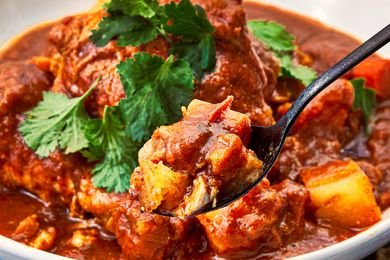
This iconic French stew dates to Roman times but gained fame in Burgundy wine country. Traditionally made with tough old rooster (“coq”), it’s braised in red wine until meltingly tender. French gastronomic meal is also UNESCO-listed.
Ingredients (serves 6):
- 1 whole chicken (cut into 8 pieces) or 6 thighs
- 750ml Burgundy or Pinot Noir
- 150g lardons or thick bacon
- 200g pearl onions
- 250g button mushrooms
- 2 carrots, sliced
- 3 garlic cloves
- 2 tbsp flour
- Bouquet garni (thyme, bay, parsley)
- Salt, pepper, olive oil
Instructions:
- Marinate chicken in wine overnight (optional but traditional).
- Brown lardons and chicken in Dutch oven; remove.
- Sauté onions, mushrooms, carrots, and garlic.
- Sprinkle flour, cook 2 minutes.
- Return chicken and lardons; add wine, bouquet garni, and simmer covered 1.5–2 hours until tender.
- Reduce sauce if needed; adjust seasoning.
Tips: Use a good wine you’d drink. Serve with mashed potatoes or crusty baguette. Make a day ahead—flavors deepen.
Discover authentic French recipes at TasteAtlas (external).
Find more French-inspired dishes here (internal).
Spain: Paella Valenciana – The Heart of Valencia
Born in the rice fields of Valencia, paella is Spain’s most famous export. Traditional Valenciana uses rabbit or chicken (no seafood in the original), saffron, and bomba rice. UNESCO recognizes Mediterranean diet traditions including this communal dish.
Ingredients (serves 6):
- 400g bomba or Calasparra rice
- 800g chicken thighs or rabbit pieces
- 200g green beans (flat)
- 1 red pepper, sliced
- 2 tomatoes, grated
- 1 tsp saffron threads soaked in warm water
- 1.2L chicken stock
- 4 tbsp olive oil
- Paprika, salt, rosemary sprig
Instructions:
- Brown meat in paella pan (or wide skillet) with oil.
- Add beans, pepper, and grated tomato; cook 5 minutes.
- Stir in rice and paprika for 1 minute.
- Pour in hot stock and saffron; simmer gently 18–20 minutes without stirring.
- Add rosemary in last 5 minutes. Let rest 5–10 minutes before serving.
Tips: Socarrat (crispy bottom) is essential—turn up heat at the end. Use a proper paella pan for even cooking.
Learn paella history on Wikipedia (external).
More Spanish recipes await (internal).
India: Chicken Biryani – A Royal Feast from the Mughals
Biryani traces to Persian and Mughal influences, perfected across India. This fragrant one-pot rice dish layers marinated meat with spiced basmati and saffron. Hyderabad and Lucknow versions remain most traditional.
Ingredients (serves 6):
- 1kg chicken pieces
- 500g basmati rice (soaked)
- 2 large onions, fried golden
- 4 tomatoes, chopped
- Ginger-garlic paste (3 tbsp)
- Whole spices (cardamom, cloves, cinnamon, bay)
- Yogurt, turmeric, chili powder, garam masala
- Saffron milk, fresh mint & coriander
- Ghee or oil
Instructions:
- Marinate chicken in yogurt, spices, and half fried onions for 2 hours.
- Parboil rice with whole spices until 70% cooked.
- Layer in heavy pot: chicken, rice, fried onions, herbs, saffron milk.
- Seal with dough or foil; dum cook on low 25–30 minutes.
- Rest 10 minutes; gently fluff and serve.
Tips: Use aged basmati for best aroma. Biryani tastes even better the next day.
Explore more at The Storied Recipe global collection (external).
Indian favorites in our Asian section (internal).
Mexico: Mole Poblano – Ancient Chocolate Sauce
Mole Poblano from Puebla dates to pre-Hispanic times with over 20 ingredients. Mexican cuisine is UNESCO-listed for its complexity and rituals. The chocolate-chili sauce symbolizes Mexican identity.
Ingredients (serves 6):
- 1 chicken or turkey, cooked
- 6 dried chilies (mulato, ancho, pasilla)
- 50g almonds, 50g peanuts, 50g sesame
- 2 tomatoes, 1 onion
- 2 corn tortillas
- 50g Mexican chocolate
- Cinnamon, cloves, anise, sugar, salt
- Lard or oil
Instructions:
- Toast chilies, nuts, seeds, and spices separately.
- Fry tomatoes and onion; soak chilies.
- Blend everything into smooth paste with stock.
- Cook sauce 30–45 minutes, stirring constantly until thick and fragrant.
- Add chocolate last; simmer with cooked poultry 15 minutes.
Tips: Mole improves after 24 hours. Serve with rice and warm tortillas.
Full Mexican heritage on UNESCO site (external).
More Latin American recipes (internal).
Morocco: Chicken Tagine with Preserved Lemons
Tagine cooking dates to ancient Berber traditions. The conical clay pot gently steams meat and vegetables in aromatic spices. Morocco’s culinary practices reflect centuries of Arab, Berber, and Andalusian fusion.
Ingredients (serves 4):
- 1 whole chicken or 8 thighs
- 2 preserved lemons (quartered)
- 150g green olives
- 1 large onion, sliced
- 3 garlic cloves
- 1 tsp each: ginger, turmeric, cumin, paprika
- Saffron pinch, fresh cilantro & parsley
- Olive oil, chicken stock
Instructions:
- Brown chicken in tagine or Dutch oven with spices and onion.
- Add garlic, herbs, preserved lemon, and stock.
- Cover and simmer low 45–60 minutes.
- Add olives in last 15 minutes.
- Finish with fresh herbs.
Tips: Use a real tagine for authentic steam. Serve with couscous.
Traditional Moroccan dishes at Green Global Travel (external).
North African section on forknfood (internal).
Thailand: Pad Thai – Bangkok Street Food Legend
Pad Thai emerged in the 1930s as a national dish during rice shortages, blending Chinese stir-fry with Thai flavors. Tamarind, palm sugar, and fish sauce create its signature sweet-sour-salty taste.
Ingredients (serves 2):
- 200g rice stick noodles
- 200g shrimp or tofu
- 2 eggs
- 100g bean sprouts
- 50g Chinese chives
- 3 tbsp tamarind paste, 2 tbsp palm sugar, 2 tbsp fish sauce
- Crushed peanuts, lime, chili flakes
Instructions:
- Soak noodles until soft.
- Stir-fry protein; push aside and scramble eggs.
- Add noodles and sauce; toss vigorously 2–3 minutes.
- Finish with sprouts, chives, and peanuts.
- Serve with lime wedges.
Tips: High heat is crucial. Use traditional Thai ingredients for authenticity.
More Thai recipes on Allrecipes World Cuisine (external).
Asian street food guide (internal).
Conclusion: Bring the World to Your Table
These seven recipes represent just a fraction of global culinary heritage. From UNESCO-protected traditions to everyday family staples, traditional food connects us across borders. Cooking them at home honors the cultures that created them while creating new memories.
Start simple—perhaps a weekend Margherita Pizza—and work your way around the globe. Share your results with us at forknfood.com or tag #ForknFoodWorld on social media.
Ready for more? Subscribe to our newsletter for weekly international recipes and cultural stories.
Join our community and get free recipe ebooks (internal).
Discover 100+ traditional dishes at TasteAtlas (external).
Happy cooking and safe travels through flavor!
To enhance your article on Traditional Food Recipes from Around the World for forknfood.com, here are some thoughtfully curated FAQs and top recommended products. These additions make the piece more engaging, practical, and SEO-friendly—helping readers cook authentic dishes at home while driving internal traffic and affiliate potential.
Frequently Asked Questions (FAQs) About Traditional Global Recipes
Here are common questions home cooks ask when exploring international cuisines, based on popular searches and community discussions:
- What makes a recipe truly “traditional”?
A traditional recipe uses time-honored ingredients, techniques, and methods passed down through generations in a specific culture or region. It often relies on local, seasonal produce and reflects historical, social, or religious influences (e.g., no modern shortcuts like instant yeast in ancient breads unless adapted). Authenticity comes from stories and variations shared by families, not rigid rules—many evolve regionally! - How can I make traditional recipes authentic if I can’t find certain ingredients?
Substitute thoughtfully: Use San Marzano-style tomatoes for Italian sauces if true ones are unavailable, or regular lemons instead of preserved ones in tagine (soak in salt brine overnight). Online spice shops or ethnic markets help; start small to avoid overpowering flavors. Adaptations keep the spirit alive while respecting origins. - Are these recipes beginner-friendly, or do I need special skills?
Most are accessible—pizza dough kneading or tagine simmering builds confidence. Start with simpler ones like Pad Thai or Margherita Pizza. Practice mise en place (prep everything first) and taste as you go. High heat (for stir-fries) or low-and-slow braising rewards patience. - How do I store and reheat leftovers from international dishes?
Stews like Coq au Vin or Mole Poblano taste better the next day—refrigerate up to 4 days or freeze portions. Rice dishes (Biryani, Paella) reheat best with a splash of stock to restore moisture. Avoid microwaving delicate textures; use stovetop or oven. - Is it okay to adapt traditional recipes for dietary needs (vegan, gluten-free, etc.)?
Absolutely—many cultures have plant-based variations (e.g., vegetable Biryani or tofu Pad Thai). Respect core flavors (umami from fish sauce, acidity from tamarind) while swapping. Share your tweaks in comments to inspire others! - Where can I learn more stories behind these dishes?
Check podcast-style sites like The Storied Recipe for guest-shared heritage tales, or TasteAtlas for ratings and origins. Explore our World Cuisine stories here (internal link). - How do I source specialty ingredients affordably?
Local ethnic grocers, online (Amazon, specialty sites), or bulk spice shops. For example, preserved lemons or bomba rice last long once bought. Start with small packs to experiment.
See more global cooking tips in our beginner’s guide (internal link).
Top Products for Cooking Authentic Traditional Recipes at Home
Investing in a few key tools unlocks entire cuisines—making dishes closer to authentic while elevating everyday cooking. Here are highly recommended, versatile picks (updated for current trends in 2026):
- Tagine (Moroccan clay pot) — Essential for slow-cooked stews like Chicken Tagine. The conical lid traps steam for tender results.
Top pick: Emile Henry or Le Creuset tagine (oven-safe, durable). Great for braises worldwide.
Shop tagines and North African tools (internal). - Paella Pan (wide, shallow skillet) — For even Socarrat (crispy bottom) in Paella Valenciana. Carbon steel versions season like cast iron.
Top pick: Garcima or similar 15–18 inch pan. Use for stir-fries too. - Cast Iron Dutch Oven — Perfect for Coq au Vin, Mole, or Biryani dum-cooking. Retains heat superbly.
Top pick: Lodge or Staub 5–7 qt (enameled for easy cleanup). Versatile for global braises. - Wok (carbon steel or cast iron) — High-heat essential for Pad Thai and stir-fries. Develops patina for non-stick magic.
Top pick: Yosukata or Joyce Chen flat-bottom wok (stovetop-friendly). - Pizza Stone or Steel — For blistered Neapolitan-style Margherita Pizza crusts at home.
Top pick: Lodge or Fibrament steel (preheats fast, even heat). - Mortar and Pestle (or Molcajete) — Grind spices fresh for Biryani, Mole, or tagine marinades. Granite or volcanic stone versions excel.
Top pick: Traditional Thai granite set or Mexican molcajete. - High-Quality Chef’s Knife — Global cooking demands precise chopping (onions for sofrito, herbs for gremolata).
Top pick: Global or Wüsthof 8-inch (sharp, balanced). - Rice Cooker or Instant Pot — For perfect basmati in Biryani or bomba in Paella. Multi-cookers handle pressure for faster stews.
Top pick: Zojirushi or Instant Pot Duo (versatile for international one-pots). - Spice Grinder or Dedicated Spice Mill — Fresh-ground cumin, coriander, or saffron elevate everything.
Top pick: Electric Krups or manual mortar. - Silicone Baking Mat or Parchment Sheets — For easy cleanup with flatbreads or roasted veggies in global sides.
These tools appear in pro and home kitchens worldwide—many under $100 to start. Prioritize one cuisine first (e.g., tagine for Moroccan), then expand.
Check our full kitchen essentials shop for global cooking (internal link).
Discover more gear recommendations at Taste of Home’s global tools roundup (external).
Add these sections near the article’s end or as a sidebar. They boost reader retention, encourage comments/shares, and position forknfood.com as a go-to resource for global home cooking. Let me know if you’d like images searched for visuals (e.g., tagine in use) or expansions!
More Frequently Asked Questions About Traditional Global Recipes
- How important is “authenticity” when cooking foreign dishes at home?
Authenticity matters if you’re aiming to honor the cultural origins, but it’s not about perfection—traditional recipes evolve over time and vary by family, region, or even availability. Focus on core flavors, techniques, and ingredients (like using real tamarind in Pad Thai or saffron in Biryani) rather than rigid rules. Many home cooks adapt slightly while respecting the spirit— that’s still meaningful! Over time, you’ll develop an eye for what feels true to the dish. - What are the biggest mistakes beginners make with international recipes?
Common pitfalls include overloading spices (start low and taste), skipping mise en place (prep everything first for high-heat dishes like stir-fries), ignoring heat levels (e.g., low-and-slow for tagines vs. screaming-hot wok for Pad Thai), or substituting without understanding impact (e.g., regular lemons instead of preserved can make tagine too sharp—balance with extra salt or honey). Rushing marination or not letting stews rest also dulls flavors. - How do I know if a recipe online is truly authentic?
Look for sources from native cooks, family-shared stories, or sites like TasteAtlas, Serious Eats World Cuisine guides, or podcasts featuring guest heritage recipes. Check for regional specifics (e.g., no seafood in original Paella Valenciana), simple ingredient lists using local staples, and techniques passed down (dum cooking for Biryani). Avoid overly Americanized versions with heavy cream or processed shortcuts unless noted as adaptations. - Can I make these recipes vegetarian or vegan while keeping them traditional?
Yes—many cuisines have plant-based roots or variations! Swap chicken in Coq au Vin or Tagine for mushrooms/portobello, use vegetable stock, or tofu in Pad Thai. Mole Poblano often works vegan with extra nuts/seeds for richness. Indian Biryani has famous veg versions. The key is preserving balance: umami from soy/fish sauce alternatives, acidity, and spices. Research regional veg adaptations for best results. - How long do spices and specialty ingredients last, and how should I store them?
Whole spices keep 3–4 years, ground 1–2 years—store in airtight jars in a cool, dark place (not above the stove). Saffron lasts longest in tin foil. Preserved lemons or pastes refrigerate 6+ months. Smell/test for potency; if aroma is faint, refresh. Buy small quantities from ethnic markets or online to avoid waste—many (like garam masala or dried chilies) are shelf-stable heroes for multiple recipes. - What’s the best way to learn multiple world cuisines without getting overwhelmed?
Start with one region (e.g., Italian basics like pizza dough), master a few dishes, then branch out. Cook seasonally or thematically (e.g., “Mediterranean week”). Watch technique videos from native sources, read cultural context (stories behind dishes add motivation), and experiment gradually. Build a pantry of versatile items: olive oil, soy sauce, cumin, chili flakes. Join communities or our forknfood comments for inspiration! - Do I need expensive tools to cook authentic international food?
No—many dishes use basic pots/pans! A good chef’s knife, heavy-bottomed pot (for braises like Coq au Vin), and wok help, but improvise: use a large skillet for paella or Dutch oven for tagine. Specialty items (tagine, pizza stone) elevate results but aren’t mandatory for great flavor. Focus on technique over gear—high heat, patience, and tasting as you go matter most. - How can I make traditional recipes more kid-friendly or appealing to picky eaters?
Tone down heat/spices initially (e.g., mild chili in Biryani), serve components separately (rice, protein, veggies), or involve kids in prep (rolling dough for pizza). Pair bold flavors with familiar sides (naan with Biryani). Start young with small tastes—exposure builds acceptance. Many global dishes (like simple Margherita Pizza or noodle stir-fries) are naturally crowd-pleasers.
Got more questions? Drop them in the comments or check our global cooking forum! (internal link).
Explore authentic recipe sources and stories at The Storied Recipe (external link).
These FAQs add depth, address real reader pain points (like authenticity debates or beginner errors), and encourage interaction. They pair well with the previous sections—feel free to mix/match or let me know if you’d like visuals (e.g., infographics of spice storage) or expansions on any!

Leave a Reply