Mastering juicy beef hamburgers is all about choosing quality ingredients, using the right cooking technique, and keeping the meat tender and flavorful. Start with fresh ground beef that has a good fat balance, gently shape the patties without overworking them, and season simply with salt and pepper to let the natural flavor shine. Cooking the burgers over medium-high heat helps create a delicious seared crust while locking in moisture, and avoiding constant pressing keeps the juices inside. Pair your perfectly cooked patty with soft buns, crisp vegetables, melted cheese, and a flavorful sauce to create a satisfying homemade burger that rivals any restaurant classic.
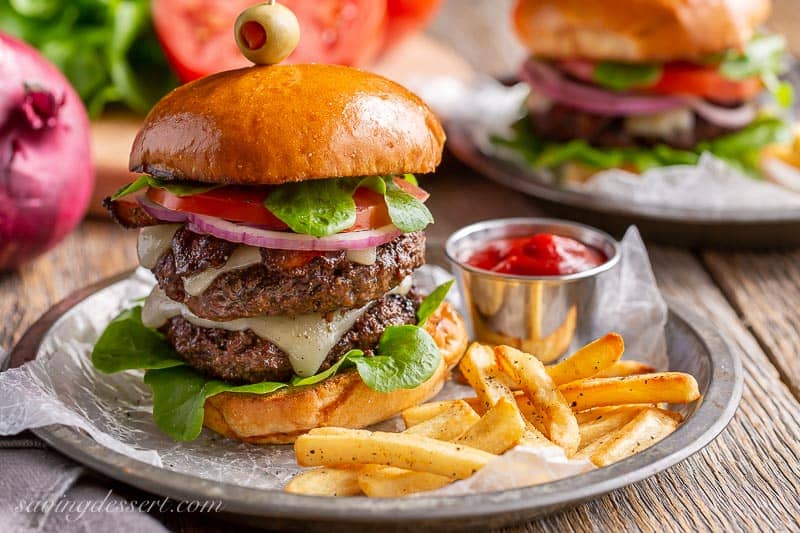
There’s something irresistibly satisfying about biting into a juicy beef hamburger—the moment the patty yields, releasing flavorful juices that soak into a toasted bun, with melted cheese, crisp lettuce, and ripe tomato completing the experience. Whether grilled outdoors in summer or pan-seared on a weeknight, achieving that perfect juiciness doesn’t require complicated marinades or exotic spices. The secret lies in high-quality beef, gentle handling, proper fat content, and simple seasoning applied at the right time.
At froknfood.com, we’ve perfected the art of the homemade burger. This comprehensive guide shares proven techniques, easy seasoning blends, step-by-step instructions, and tips to avoid dry, tough patties. Follow along, and you’ll serve burgers better than most restaurants—every time.
A Brief History of the Hamburger
The hamburger’s roots trace back to ground meat preparations in medieval Europe and Asia, but the modern American hamburger sandwich—a ground beef patty between two slices of bread or a bun—emerged in the United States in the late 19th/early 20th century. German immigrants popularized “Hamburg steak” (chopped beef from Hamburg), which evolved into the portable patty-on-bun format sold at fairs, lunch wagons, and eventually fast-food chains. Claims of invention include Charlie Nagreen in Wisconsin (1885) and various New York and Connecticut spots around 1900.
Today, it’s a global icon enjoyed billions of times yearly. Understanding its simple origins reminds us: great burgers celebrate quality beef without overcomplication.
Choosing the Right Beef: The Foundation of Juiciness
The single most important factor for juicy burgers is fat content. Opt for 80/20 ground beef (80% lean, 20% fat). The fat melts during cooking, basting the patty from within and creating steam pockets that keep it tender and flavorful. Leaner mixes (90/10 or 85/15) often result in dry, dense burgers, while higher fat (75/25) can become greasy.
Buy fresh ground beef from a trusted butcher or grind your own (chuck, brisket, or short rib blends work wonderfully). Avoid pre-formed frozen patties. Keep meat cold until cooking—warm beef releases juices prematurely. For premium flavor, look for grass-fed or dry-aged if available. Check out our https://forknfood.com/guide to selecting and grinding meat for more.
Simple Seasoning Tips: Let the Beef Shine
Over-seasoning masks beef’s natural savoriness. The best approach is minimalist seasoning applied just before cooking—salt draws out moisture if mixed in early, leading to drier results.
Basic Perfect Seasoning (per pound of beef):
- 1 tsp kosher salt (or ¾ tsp table salt)
- ½–¾ tsp freshly ground black pepper
- ½ tsp garlic powder
- ½ tsp onion powder
- Optional pinch of smoked paprika for depth
Enhanced Simple Mix (make a batch and store):
Combine 2 tbsp kosher salt, 1 tbsp black pepper, 1 tbsp garlic powder, 1 tbsp onion powder, 2 tsp smoked paprika, 1 tsp brown sugar (optional for subtle sweetness and crust), pinch of cayenne. Sprinkle ½–1 tsp per side. Inspired by pantry staples in popular recipes.
Secret Boosters for Extra Juiciness (mix gently into meat):
- 1–2 tbsp Worcestershire sauce (umami and acidity)
- 1 tbsp olive oil or grated cold butter (locks in moisture)
- 1 tsp soy sauce or fish sauce (savory depth, use sparingly)
Pro Tip: Season both sides generously right before hitting the heat. Taste-test a small tester patty if adjusting. Avoid heavy herbs or fillers that dilute beef flavor. For more blends, see our homemade spice rubs collection.
Forming the Perfect Patty
Handle the meat gently—overworking creates a tough, hockey-puck texture. Divide into equal portions (4–6 oz for standard, 3 oz for sliders). Roll loosely into balls, then flatten to ¾-inch thick with a slight thumb indentation in the center (prevents puffing/bulging). Aim for 4–4.5 inches wide to account for shrinkage. Make patties 10–20% wider than your buns.
Chill formed patties 15–30 minutes (or up to overnight) for firmer structure and better sear.
Cooking Techniques for Maximum Juiciness
Grilling: Preheat to medium-high (400–450°F). Oil grates lightly. Cook 4–5 minutes per side without pressing (pressing squeezes out juices). Use a thermometer—safe internal temperature is 160°F for ground beef to kill bacteria.
Stovetop/Cast Iron Smash Burgers: High heat, smash thin patties with a heavy spatula for crispy edges. Season after smashing.
Pan-Frying or Broiling: Similar timing; use a hot heavy skillet.
Rest patties 5 minutes tented with foil—juices redistribute. Avoid flipping multiple times or moving excessively.
Common Mistakes to Avoid:
- Pressing with spatula
- Overcooking (carryover heat raises temp 5–10°F)
- Starting with cold grill/pan
- Salting too early
Pair with our ultimate grilling techniques guide.
Resting, Assembly & Toppings
Resting is non-negotiable for peak juiciness. Toast buns in the pan or on grill for crunch and to prevent sogginess. Classic assembly: Bottom bun → sauce (mayo, special sauce, ketchup) → lettuce → patty + cheese → tomato/onion/pickles → more sauce → top bun.
Bun Recommendations: Soft, sturdy brioche, potato, or Martin’s potato rolls hold up best. Avoid overly sweet or crumbly buns.
Elevate with our best burger sauces and toppings or homemade crispy fries.
Easy Classic Juicy Beef Burger Recipe (Serves 4)
Ingredients:
- 1.5 lbs 80/20 ground beef (cold)
- 1 tbsp Worcestershire sauce
- 1 tsp garlic powder
- 1 tsp onion powder
- Kosher salt & fresh pepper to taste
- 4 slices American or cheddar cheese
- 4 buns, toppings of choice
Instructions:
- Gently mix beef with Worcestershire, garlic/onion powders. Divide into 4 portions; form loose patties with center dimple. Chill 15+ min.
- Heat grill/pan to medium-high.
- Season both sides generously with salt & pepper.
- Cook 4–5 min per side to 155–160°F internal (use thermometer). Add cheese last minute.
- Rest 5 minutes. Assemble and serve immediately.
Total time: ~25 minutes active. Calories per burger (patty only): ~350–400 depending on size.
Variations: Add bacon, avocado, mushrooms, or try smash-style. For cheese-stuffed, embed cube of cheese before forming.
Conclusion: Your Juiciest Burgers Await
With 80/20 beef, gentle handling, simple seasoning timed correctly, proper cooking to 160°F, and a short rest, you’ll achieve dripping-with-juice beef hamburgers every time. Experiment with our seasoning tips, but remember—less is often more.
Head to the kitchen, fire up the grill, and tag us on social with your creations! Explore more at froknfood.com: Ultimate Cheeseburger Guide, Best Burger Sides, or Vegetarian Burger Alternatives.
Mastering Juicy Beef Hamburgers: Simple Seasoning Tips for Restaurant-Quality Results
froknfood.com
There’s something irresistibly satisfying about biting into a juicy beef hamburger—the moment the patty yields, releasing flavorful juices that soak into a toasted bun, with melted cheese, crisp lettuce, and ripe tomato completing the experience. Whether grilled outdoors in summer or pan-seared on a weeknight, achieving that perfect juiciness doesn’t require complicated marinades or exotic spices. The secret lies in high-quality beef, gentle handling, proper fat content, and simple seasoning applied at the right time.
At froknfood.com, we’ve perfected the art of the homemade burger. This comprehensive guide shares proven techniques, easy seasoning blends, step-by-step instructions, and tips to avoid dry, tough patties. Follow along, and you’ll serve burgers better than most restaurants—every time.
A Brief History of the Hamburger
The hamburger’s roots trace back to ground meat preparations in medieval Europe and Asia, but the modern American hamburger sandwich—a ground beef patty between two slices of bread or a bun—emerged in the United States in the late 19th/early 20th century. German immigrants popularized “Hamburg steak” (chopped beef from Hamburg), which evolved into the portable patty-on-bun format sold at fairs, lunch wagons, and eventually fast-food chains.
Today, it’s a global icon enjoyed billions of times yearly. Understanding its simple origins reminds us: great burgers celebrate quality beef without overcomplication.
Choosing the Right Beef: The Foundation of Juiciness
The single most important factor for juicy burgers is fat content. Opt for 80/20 ground beef (80% lean, 20% fat). The fat melts during cooking, basting the patty from within and creating steam pockets that keep it tender and flavorful. Leaner mixes (like 90/10) often result in dry, dense burgers.
Buy fresh ground beef from a trusted butcher or grind your own (chuck, brisket, or short rib blends work wonderfully). Keep meat cold until cooking. For premium flavor, look for grass-fed options if available. Check out our guide to selecting and grinding meat for more.
Simple Seasoning Tips: Let the Beef Shine
Over-seasoning masks beef’s natural savoriness. The best approach is minimalist seasoning applied just before cooking—salt draws out moisture if mixed in early, leading to drier results.
Basic Perfect Seasoning (per pound of beef):
- 1 tsp kosher salt
- ½–¾ tsp freshly ground black pepper
- ½ tsp garlic powder
- ½ tsp onion powder
- Optional pinch of smoked paprika
Enhanced Simple Mix (make a batch and store):
Combine 2 tbsp kosher salt, 1 tbsp black pepper, 1 tbsp garlic powder, 1 tbsp onion powder, 2 tsp smoked paprika, 1 tsp brown sugar (optional). Sprinkle ½–1 tsp per side.
Secret Boosters (mix gently if desired):
- 1–2 tbsp Worcestershire sauce
- 1 tbsp olive oil or grated cold butter
Pro Tip: Season both sides generously right before heat. Avoid heavy herbs or fillers. For more blends, see our homemade spice rubs collection.
Forming the Perfect Patty
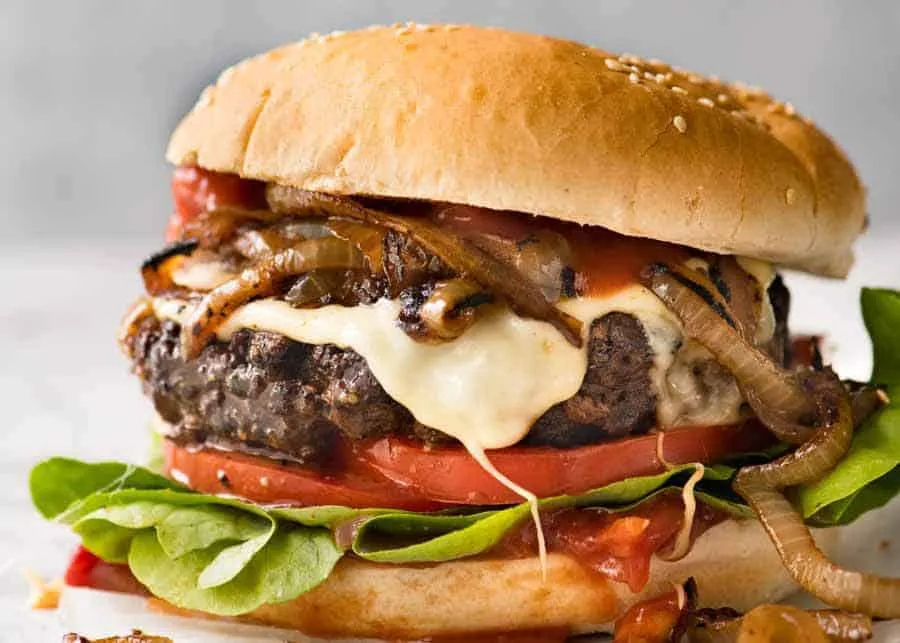
Handle meat gently—overworking creates tough texture. Divide into 4–6 oz portions. Roll loosely into balls, flatten to ¾-inch thick with a thumb indentation in the center (prevents puffing). Make patties wider than buns to account for shrinkage.
Chill 15–30 minutes for better sear.
Cooking Techniques for Maximum Juiciness
Grilling: Medium-high heat (400–450°F). Cook 4–5 minutes per side without pressing. Use thermometer—160°F internal for safety.
Stovetop Smash Burgers: High heat in cast iron; smash thin for crispy edges.
Rest 5 minutes tented with foil. Pair with our ultimate grilling techniques guide.
Resting, Assembly & Toppings
Resting redistributes juices. Toast buns to prevent sogginess. Classic: sauce → lettuce → patty/cheese → tomato/onion/pickles → top bun.
Elevate with our best burger sauces and toppings or homemade crispy fries.
Easy Classic Juicy Beef Burger Recipe (Serves 4)
Ingredients:
- 1.5 lbs 80/20 ground beef
- 1 tbsp Worcestershire sauce
- 1 tsp garlic powder
- 1 tsp onion powder
- Kosher salt & pepper
- 4 slices cheese
- Buns, toppings
Instructions:
- Gently mix beef with Worcestershire and powders. Form patties with dimple; chill.
- Heat grill/pan medium-high.
- Season patties.
- Cook to 160°F; add cheese last minute.
- Rest, assemble.
Recommended Products for Juicy Burgers at Home
Elevate your burger game with these essential tools:
- Meat Thermometer: Ensures perfect doneness and safety (e.g., instant-read digital models).
- Burger Press: Creates uniform patties quickly (look for non-stick or silicone options like Shape + Store Burger Master).
- Cast Iron Skillet or Griddle: Ideal for smash burgers and great sear.
- Wide Spatula/Flipper: For flipping without pressing out juices.
- Mixing Bowls and Gloves: Keep things clean and cold.
Shop these on sites like Amazon or local kitchen stores. For premium meat, consider a home meat grinder attachment for fresh blends.
Frequently Asked Questions (FAQs)
Q: What makes a burger juicy?
A: The 80/20 fat ratio is key—fat melts and bastes the patty. Gentle handling, not pressing during cooking, and resting after allow juices to redistribute.
Q: Should I mix seasoning into the meat or just on the outside?
A: For best texture and juiciness, season only the outside just before cooking. Mixing salt in early can make patties dense and dry by drawing out moisture.
Q: Why do my burgers shrink or puff up?
A: Shrinkage comes from high fat or overcooking. Puffing happens without a center dimple—press a thumb indent to keep them flat.
Q: What’s the best internal temperature?
A: USDA recommends 160°F for ground beef safety. For medium (juicier), aim for 140–145°F, but ensure fresh, high-quality meat.
Q: Can I use leaner beef?
A: You can, but add fat (like grated butter) or accept drier results. 80/20 is ideal for flavor and moisture.
Q: How do I avoid dry burgers?
A: Use fatty beef, don’t overwork, season late, cook hot and fast, rest, and avoid pressing.
Q: Grill or stovetop for juicier results?
A: Both work—grill for smoky flavor, stovetop (cast iron) for crispy edges and control.
Q: Do toppings affect juiciness?
A: Not directly, but wet toppings (like tomatoes) can make buns soggy—layer wisely.
Mastering Juicy Beef Hamburgers: Simple Seasoning Tips for Restaurant-Quality Results
froknfood.com
There’s something irresistibly satisfying about biting into a juicy beef hamburger—the moment the patty yields, releasing flavorful juices that soak into a toasted bun, with melted cheese, crisp lettuce, and ripe tomato completing the experience. Whether grilled outdoors in summer or pan-seared on a weeknight, achieving that perfect juiciness doesn’t require complicated marinades or exotic spices. The secret lies in high-quality beef, gentle handling, proper fat content, and simple seasoning applied at the right time.
At froknfood.com, we’ve perfected the art of the homemade burger. This comprehensive guide shares proven techniques, easy seasoning blends, step-by-step instructions, and tips to avoid dry, tough patties. Follow along, and you’ll serve burgers better than most restaurants—every time.
A Brief History of the Hamburger
The hamburger’s roots trace back to ground meat preparations in medieval Europe and Asia, but the modern American hamburger sandwich—a ground beef patty between two slices of bread or a bun—emerged in the United States in the late 19th/early 20th century. German immigrants popularized “Hamburg steak” (chopped beef from Hamburg), which evolved into the portable patty-on-bun format sold at fairs, lunch wagons, and eventually fast-food chains.
Today, it’s a global icon enjoyed billions of times yearly. Understanding its simple origins reminds us: great burgers celebrate quality beef without overcomplication.
Choosing the Right Beef: The Foundation of Juiciness
The single most important factor for juicy burgers is fat content. Opt for 80/20 ground beef (80% lean, 20% fat). The fat melts during cooking, basting the patty from within and creating steam pockets that keep it tender and flavorful. Leaner mixes often result in dry, dense burgers.
Buy fresh ground beef from a trusted butcher or grind your own (chuck, brisket, or short rib blends work wonderfully). Keep meat cold until cooking. For premium flavor, look for grass-fed options if available. Check out our guide to selecting and grinding meat for more.
Simple Seasoning Tips: Let the Beef Shine
Over-seasoning masks beef’s natural savoriness. The best approach is minimalist seasoning applied just before cooking—salt draws out moisture if mixed in early, leading to drier results.
Basic Perfect Seasoning (per pound of beef):
- 1 tsp kosher salt
- ½–¾ tsp freshly ground black pepper
- ½ tsp garlic powder
- ½ tsp onion powder
- Optional pinch of smoked paprika
Enhanced Simple Mix (make a batch and store):
Combine 2 tbsp kosher salt, 1 tbsp black pepper, 1 tbsp garlic powder, 1 tbsp onion powder, 2 tsp smoked paprika, 1 tsp brown sugar (optional). Sprinkle ½–1 tsp per side.
Secret Boosters (mix gently if desired):
- 1–2 tbsp Worcestershire sauce
- 1 tbsp olive oil or grated cold butter
Pro Tip: Season both sides generously right before heat. Avoid heavy herbs or fillers. For more blends, see our homemade spice rubs collection.
Forming the Perfect Patty
Handle meat gently—overworking creates tough texture. Divide into 4–6 oz portions. Roll loosely into balls, flatten to ¾-inch thick with a thumb indentation in the center (prevents puffing). Make patties wider than buns to account for shrinkage.
Chill 15–30 minutes for better sear.
Cooking Techniques for Maximum Juiciness
Grilling: Medium-high heat (400–450°F). Cook 4–5 minutes per side without pressing. Use thermometer—160°F internal for safety.
Stovetop Smash Burgers: High heat in cast iron; smash thin for crispy edges.
Rest 5 minutes tented with foil. Pair with our ultimate grilling techniques guide.
Resting, Assembly & Toppings
Resting redistributes juices. Toast buns to prevent sogginess. Classic: sauce → lettuce → patty/cheese → tomato/onion/pickles → top bun.
Elevate with our best burger sauces and toppings or homemade crispy fries.
Easy Classic Juicy Beef Burger Recipe (Serves 4)
Ingredients:
- 1.5 lbs 80/20 ground beef
- 1 tbsp Worcestershire sauce
- 1 tsp garlic powder
- 1 tsp onion powder
- Kosher salt & pepper
- 4 slices cheese
- Buns, toppings
Instructions:
- Gently mix beef with Worcestershire and powders. Form patties with dimple; chill.
- Heat grill/pan medium-high.
- Season patties.
- Cook to 160°F; add cheese last minute.
- Rest, assemble.
Recommended Products for Juicy Burgers at Home
Elevate your burger game with these essential tools and accessories:
- Instant-Read Meat Thermometer: Critical for hitting the perfect doneness without guessing—ensures juicy results and food safety. Look for fast digital models like ThermoPro or MEATER.
- Burger Press / Patty Maker: Creates uniform, consistent patties that cook evenly (great for stuffed or smash-style burgers). Top picks include Cuisinart Cast Iron Smashed Burger Press, Lodge Cast Iron Burger Press, or Weston Burger Press.
- Heavy-Duty Grill Press / Smasher: Essential for smash burgers—delivers that crispy, caramelized edge while keeping juices locked in. Favorites: Blackstone Pre-Seasoned Cast Iron Griddle Press, Cuisinart Stainless Steel Smashed Burger Press, or Lodge Rectangular Grill Press.
- Cast Iron Skillet or Flat-Top Griddle: Provides superior heat retention and sear for stovetop or indoor smash burgers. A good cast iron pan or Blackstone-style griddle is ideal.
- Wide Metal Spatula / Burger Flipper: Sturdy enough to smash and flip without bending—opt for one with a sharp edge for clean lifts.
- Meat Grinder Attachment (for stand mixers like KitchenAid): Grind fresh beef blends at home for ultimate flavor and texture control.
- Mixing Bowls and Food-Grade Gloves: Keep meat cold and handling hygienic while mixing seasonings.
Shop these on sites like Amazon, Walmart, or local kitchen stores. For premium meat, consider a home meat grinder setup.
Frequently Asked Questions (FAQs)
Q: What makes a burger juicy?
A: The 80/20 fat ratio is key—fat melts and bastes the patty. Gentle handling, not pressing during cooking (unless smashing intentionally), and resting after allow juices to redistribute.
Q: Should I mix seasoning into the meat or just on the outside?
A: For best texture and juiciness, season only the outside just before cooking. Mixing salt in early can make patties dense and dry.
Q: Why do my burgers shrink or puff up?
A: Shrinkage comes from high fat loss or overcooking. Puffing happens without a center dimple—press a thumb indent to keep them flat.
Q: What’s the best internal temperature?
A: USDA recommends 160°F for ground beef safety. For medium (juicier), aim for 140–145°F with fresh, high-quality meat.
Q: Can I use leaner beef?
A: You can, but add fat (like grated butter) or accept drier results. 80/20 is ideal for flavor and moisture.
Q: How do I avoid dry burgers?
A: Use fatty beef, don’t overwork, season late, cook hot and fast, rest, and avoid unnecessary pressing.
Q: Grill or stovetop for juicier results?
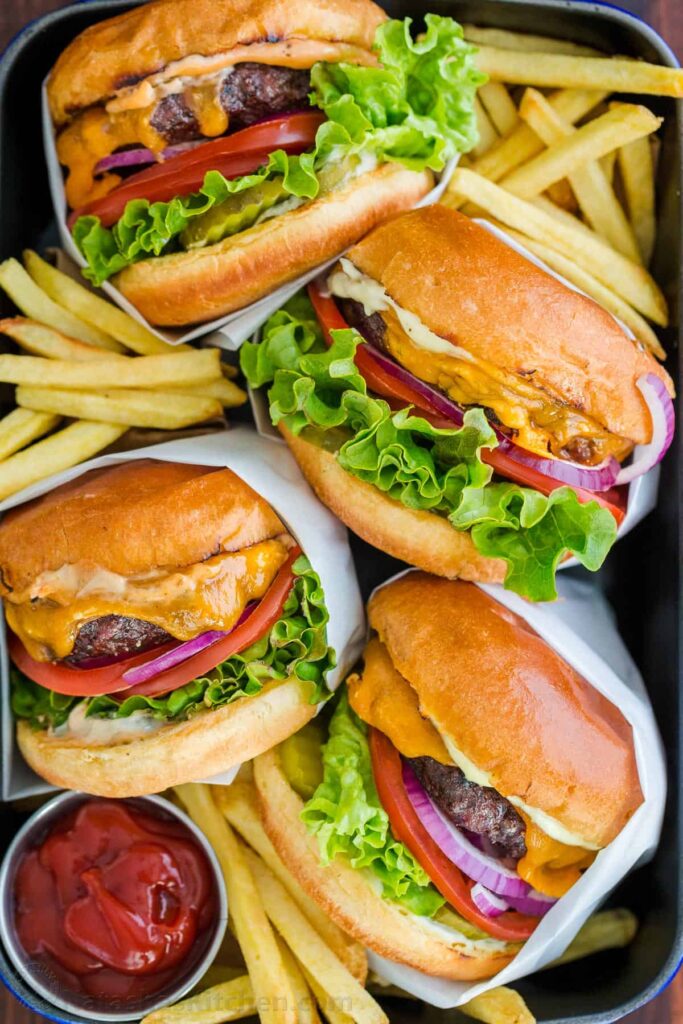
A: Both work—grill for smoky flavor, stovetop (cast iron) for crispy edges and better juice control.
Q: Do toppings affect juiciness?
A: Not directly, but wet toppings can make buns soggy—layer wisely.
Leave a Reply