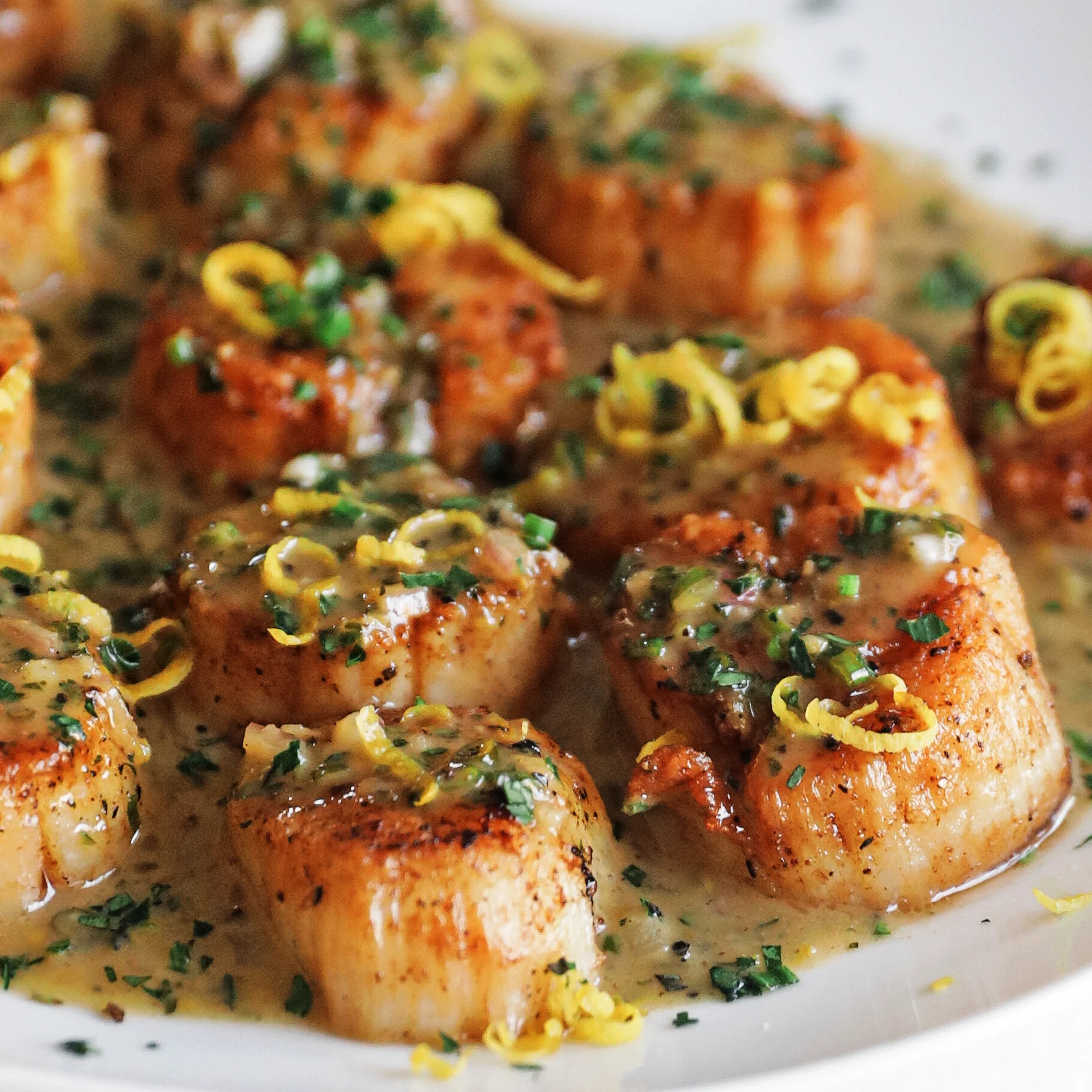
Scallops, those tender morsels from the sea, have long been a staple of upscale dining. With their sweet, briny flavor and melt-in-your-mouth texture, seared scallops can elevate any meal to gourmet status. But why reserve them for restaurant outings when you can achieve that same perfection in your own kitchen? Mastering seared scallops at home not only saves you money—often costing a fraction of the $30+ per plate you’d pay out—but also allows for customization to your taste. Whether you’re hosting a romantic dinner or impressing guests, these recipes deliver restaurant-quality results with minimal effort.
The Best Seared Scallop starts with choosing the freshest scallops for maximum flavor. To achieve the Best Seared Scallop, you must ensure your pan is hot enough to create a golden crust. Timing is crucial when cooking the Best Seared Scallop, as overcooking can ruin its delicate texture. Pairing herbs and butter elevates the taste of the Best Seared Scallop to restaurant-quality perfection. Presentation matters, and plating the Best Seared Scallop with a light garnish makes it irresistible. Following these tips guarantees every bite of the Best Seared Scallop is tender, juicy, and full of flavor.
The key to success lies in simplicity: fresh ingredients, proper preparation, and high-heat cooking. Scallops are quick to cook, typically ready in under 10 minutes, making them ideal for weeknight dinners or special occasions. In this article, we’ll explore the best seared scallop recipes, drawing from time-tested techniques that yield a golden crust while keeping the interior succulent. We’ll cover everything from selecting the right scallops to avoiding common pitfalls, ensuring you can replicate that professional sear every time.
If you’re new to seafood, start with our internal guide on seafood basics for tips on sourcing and storage. For external inspiration, check out https://forknfood.com/ comprehensive resources like the Seafood Watch program from Monterey Bay Aquarium, which promotes sustainable choices. Now, let’s dive into the essentials of creating these delectable dishes.
The Best Seared Scallop starts with choosing the freshest scallops for maximum flavor. To achieve the Best Seared Scallop, you must ensure your pan is hot enough to create a golden crust. Timing is crucial when cooking the Best Seared Scallop, as overcooking can ruin its delicate texture. Pairing herbs and butter elevates the taste of the Best Seared Scallop to restaurant-quality perfection. Presentation matters, and plating the Best Seared Scallop with a light garnish makes it irresistible. Following these tips guarantees every bite of the Best Seared Scallop is tender, juicy, and full of flavor.
Choosing and Preparing Your Scallops
The foundation of any great seared scallop dish is the quality of the scallops themselves. Opt for sea scallops over bay scallops for searing; sea scallops are larger (about 1-2 inches in diameter) and hold up better to high heat, developing that coveted caramelized exterior. Look for “dry-packed” or “chemical-free” labels—these haven’t been treated with phosphates, which can make them watery and harder to sear.
Freshness is paramount. Fresh scallops should smell like the ocean, not fishy, and feel firm to the touch with a translucent, ivory hue. If fresh aren’t available, frozen dry-packed scallops work well; just thaw them overnight in the fridge. Avoid “wet” scallops, which are plumped with water and sodium tripolyphosphate, leading to steaming instead of searing.
Preparation is straightforward but crucial. Rinse the scallops under cold water and pat them extremely dry with paper towels—this step removes excess moisture for a better crust. Remove the small side muscle if present; it’s tougher and can be discarded or saved for stock. Season simply with kosher salt and black pepper right before cooking to draw out any remaining liquid without over-salting.
The Best Seared Scallop starts with choosing the freshest scallops for maximum flavor. To achieve the Best Seared Scallop, you must ensure your pan is hot enough to create a golden crust. Timing is crucial when cooking the Best Seared Scallop, as overcooking can ruin its delicate texture. Pairing herbs and butter elevates the taste of the Best Seared Scallop to restaurant-quality perfection. Presentation matters, and plating the Best Seared Scallop with a light garnish makes it irresistible. Following these tips guarantees every bite of the Best Seared Scallop is tender, juicy, and full of flavor.
For more on selecting premium seafood, refer to our internal article on fresh fish markets. Externally, the FDA’s guidelines on seafood safety provide valuable insights into handling and storage. With your scallops prepped, you’re ready to heat up the pan.
Essential Tools and Techniques for Perfect Searing
Achieving restaurant-quality seared scallops requires the right tools and a few pro techniques. Start with a heavy-bottomed skillet, preferably cast iron or stainless steel, which retains heat evenly for that uniform golden sear. Nonstick pans can work in a pinch but won’t brown as aggressively.
Heat your pan over medium-high to high heat until it’s smoking hot—about 3-5 minutes. Use a high-smoke-point oil like avocado, grapeseed, or clarified butter to prevent burning. Add the scallops in a single layer, ensuring space between them to avoid steaming. Sear for 1-2 minutes per side, resisting the urge to move them; this allows the Maillard reaction to create that caramelized crust.
Basting is a chef’s secret: Tilt the pan and spoon hot fat over the tops midway through. For added flavor, finish with butter, garlic, or herbs in the last minute. The internal temperature should reach 115-120°F for medium-rare, as carryover cooking will bring it to perfection off the heat.
Invest in quality tools? Our kitchen essentials roundup highlights top pans for seafood. For technique deep-dives, Serious Eats offers excellent tutorials on searing fundamentals.
Recipe 1: Classic Pan-Seared Scallops
This timeless recipe focuses on the scallop’s natural sweetness, enhanced by a simple butter baste. It’s the gateway to mastering searing and pairs beautifully with almost any side.
Ingredients (Serves 4):
- 1 lb large sea scallops (about 12-16)
- 2 tbsp high-smoke-point oil (e.g., avocado)
- 2 tbsp unsalted butter
- Salt and pepper to taste
- Lemon wedges for serving
Instructions:
- Pat the scallops dry thoroughly and season both sides with salt and pepper.
- Heat oil in a large skillet over high heat until shimmering and just starting to smoke.
- Add scallops in a single layer. Sear undisturbed for 1-2 minutes until a deep golden crust forms.
- Flip carefully with tongs. Add butter to the pan, letting it melt and foam.
- Tilt the pan and baste the scallops with the butter for another 1-2 minutes until opaque and firm but still tender.
- Remove to a plate, squeeze lemon over top, and serve immediately.
This method yields scallops with a crisp exterior and juicy center, reminiscent of high-end bistros. Total time: 10 minutes. Calories per serving: ~200.
Inspired by techniques from Leite’s Culinaria, this is foolproof for beginners. For variations, explore our internal butter sauce recipes.
Recipe 2: Garlic Butter Seared Scallops
Elevate the classic with garlic for a rich, aromatic twist. This version mimics restaurant favorites, perfect for date nights.
Ingredients (Serves 4):
- 1 lb sea scallops
- 2 tbsp oil
- 3 tbsp butter
- 4 cloves garlic, minced
- 1 tbsp fresh parsley, chopped
- Salt, pepper, and red pepper flakes (optional)
Instructions:
- Dry and season scallops as before.
- Sear in hot oil for 1-2 minutes per side.
- Reduce heat slightly, add butter and garlic. Sauté until fragrant, about 30 seconds.
- Baste scallops with the garlic butter, incorporating parsley.
- Cook until done, then plate with the sauce spooned over.
The garlic infuses a savory depth, balancing the scallops’ sweetness. Prep time: 5 minutes; cook time: 5 minutes. Pair with crusty bread to sop up the sauce.
Drawn from popular recipes like those on Tastes Better From Scratch. Link to our garlic-infused dishes collection for more ideas.
Recipe 3: Lemon Herb Seared Scallops with Brown Butter
For a zesty, herbaceous profile, this recipe uses lemon and herbs in a nutty brown butter sauce—sophisticated yet simple.
Ingredients (Serves 4):
- 1 lb scallops
- 2 tbsp oil
- 4 tbsp butter
- Zest and juice of 1 lemon
- 2 tbsp mixed fresh herbs (thyme, basil, chives)
- Salt and pepper
Instructions:
- Prep and sear scallops in oil as in the classic recipe.
- In the same pan, melt butter over medium heat until it browns and smells nutty (2-3 minutes).
- Stir in lemon zest, juice, and herbs. Return scallops to coat briefly.
- Serve with the sauce drizzled on top.
The acidity cuts through the richness, creating a bright, restaurant-worthy dish. Time: 15 minutes total.
This draws from Inspired Taste and Pinch of Yum’s brown butter innovations. Check our herb garden tips for fresh alternatives.
Sides and Wine Pairings
No scallop dish is complete without complementary sides. Creamy risotto, as in brown butter pairings, absorbs the sauces beautifully. Sautéed greens like spinach or asparagus add freshness, while succotash brings summer vibes.
For wines, crisp whites like Sauvignon Blanc or Chardonnay enhance the brininess. Our wine pairing guide has more suggestions. Externally, Wine Spectator’s seafood pairings offer expert advice.
Common Mistakes and Troubleshooting
Avoid overcrowding the pan, which steams instead of sears. Don’t overcook—scallops turn rubbery past 130°F. If no crust forms, your pan wasn’t hot enough or scallops weren’t dry.
For fixes, reference The Kitchn’s troubleshooting.
Conclusion
With these recipes, restaurant-quality seared scallops are within reach at home. Experiment, enjoy, and visit forknfood.com for more culinary adventures.
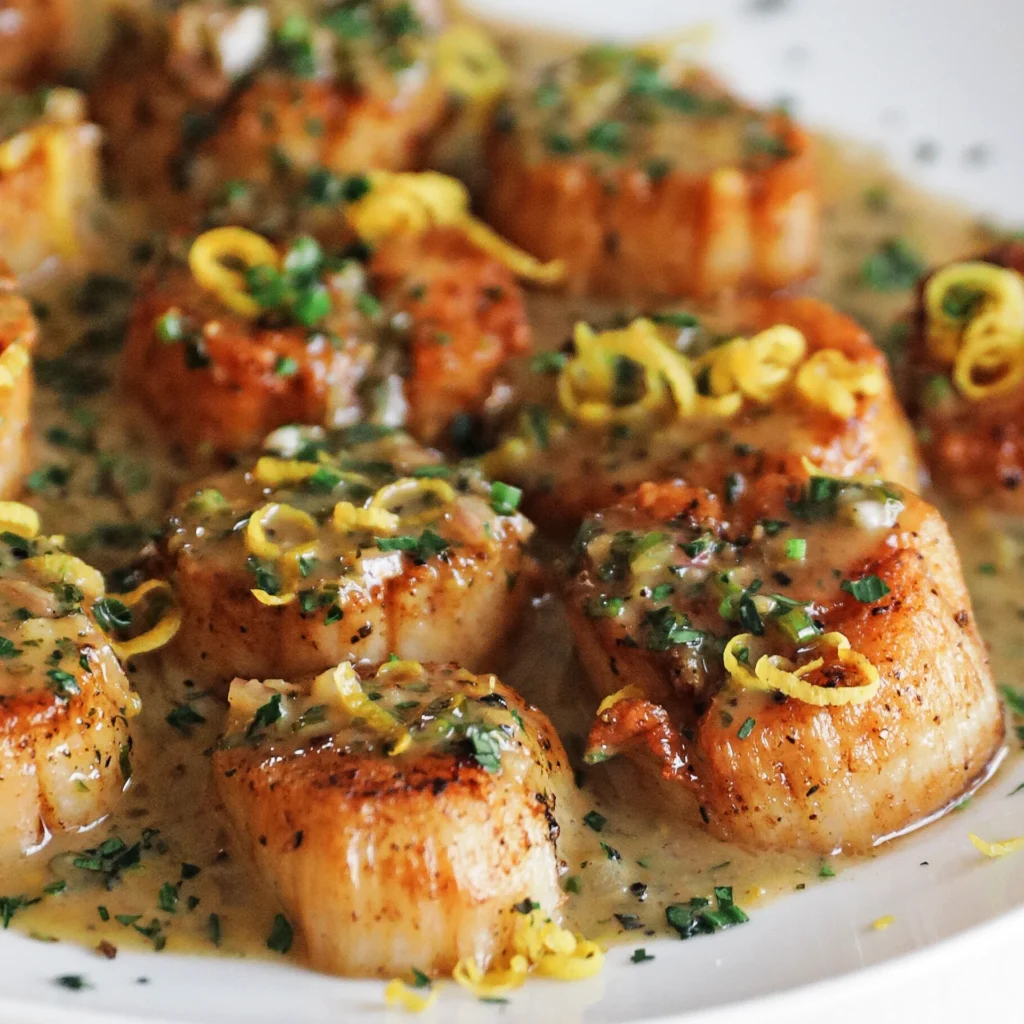
Frequently Asked Questions About Seared Scallops
Mastering seared scallops at home raises a few common questions. Here are the answers to help you troubleshoot and perfect your technique every time.
What’s the biggest mistake people make when searing scallops?
Overcrowding the pan is the top culprit—it causes steaming instead of searing, resulting in pale, rubbery scallops instead of a golden crust. Always cook in batches if needed, leaving space between each scallop. Other frequent issues include not patting them dry enough or using a pan that’s not hot enough.
Dry vs. wet scallops: Which should I buy?
Always choose dry-packed (or “dry”) scallops—they’re untreated with phosphates and develop the best sear. Wet scallops (treated with additives) release water during cooking, making browning difficult. If only wet are available, some chefs recommend a quick 30-minute soak in cold water, lemon juice, and salt to help, but dry are superior.
How do I know when scallops are done?
Scallops cook fast—1-2 minutes per side. They’re ready when they form a deep golden crust and feel firm but slightly springy (internal temperature around 115-120°F for medium-rare; they continue cooking off-heat). Overcooking turns them rubbery, so err on the side of underdone.
Can I use frozen scallops?
Yes! Thaw them overnight in the fridge, then pat extremely dry. Dry-packed frozen options from reputable sources work nearly as well as fresh for searing.
What oil is best for searing?
Use a high-smoke-point oil like avocado, grapeseed, or canola to handle the intense heat without burning. Save butter for basting at the end to add flavor without scorching.
For more troubleshooting, see our internal seafood cooking tips.
Top Products and Tools for Perfect Seared Scallops at Home
Investing in a few key items makes a huge difference in achieving that pro-level sear.
Best Pans for Searing
A heavy-bottomed pan is essential for even heat and crust development. Top recommendations include:
- Cast iron skillets (e.g., Lodge or similar brands)—excellent heat retention for a deep sear. Preheat thoroughly.
- Stainless steel skillets (e.g., Made In or All-Clad)—quick heating and responsive; great for pan sauces. Avoid nonstick for aggressive browning.
Carbon steel is another strong contender for lightweight high-heat performance. Check our kitchen essentials roundup for current favorites.
Other Must-Have Tools
- Fish spatula or tongs — For easy flipping without tearing the delicate crust.
- High-smoke-point oil — Avocado oil is a top pick for its neutral flavor and high heat tolerance.
- Paper towels — Essential for drying scallops thoroughly.
- Large metal spoon — Ideal for basting with butter and herbs in the final moments.
Where to Buy Premium Scallops
For restaurant-quality results, source dry-packed sea scallops from trusted suppliers:
- Fulton Fish Market — Excellent selection of fresh and dry-packed options with nationwide shipping.
- Maine Lobster Now or North Coast Seafoods — Sustainable, wild-caught Maine or U.S. scallops delivered fresh or frozen.
- Local fishmongers — Ask for “dry” or “diver” scallops for the freshest catch.
These often outperform grocery store options in flavor and searability. For sustainability, reference Monterey Bay Aquarium Seafood Watch.
With these FAQs and tools in your arsenal, you’re set to turn out flawless seared scallops whenever the craving strikes. Experiment with the recipes above, and share your results in the comments—we’d love to hear your tips!
Frequently Asked Questions About Seared Scallops (Expanded)
Scallops can seem intimidating, but most issues come down to a few key details. Here are the most common questions home cooks ask—plus straightforward answers to help you nail it every time.
What are the biggest mistakes when searing scallops at home?
The top three: (1) Not drying the scallops thoroughly—excess moisture steams them instead of searing. (2) Using a pan that’s not hot enough—no crust forms. (3) Overcrowding the pan, which drops the temperature and causes steaming. Always work in batches, pat dry obsessively with paper towels, and preheat until the oil smokes lightly.
Dry vs. wet scallops: Why does it matter so much?
Dry-packed scallops (untreated, no phosphates) sear beautifully and taste fresher with a natural sweetness. Wet scallops (treated with preservatives) release water during cooking, making a good crust nearly impossible and often leaving them rubbery or off-flavored. If wet are your only option, a quick 10-15 minute brine in cold water with a bit of salt and lemon can help draw out moisture—but dry are always best for restaurant results.
How do I tell when scallops are perfectly cooked?
Aim for 1-2 minutes per side on high heat. They’re done when they develop a deep golden crust and feel firm yet slightly springy (internal temp ~115-120°F for medium-rare; carryover heat finishes them). Overcooking past this turns them chewy and tough—better slightly underdone than over.
Can frozen scallops work for searing?
Absolutely—thaw overnight in the fridge on a paper towel-lined plate to absorb moisture, then pat ultra-dry. Many premium frozen options are dry-packed and perform nearly as well as fresh.
What’s the best oil for searing scallops?
High-smoke-point neutral oils like avocado oil, grapeseed, or canola are ideal—they handle intense heat without burning and let the scallop flavor shine. Avocado oil is especially popular for its heart-healthy profile and clean taste. Use butter (or a butter-oil mix) for basting at the end to add richness without scorching.
Should I flour the scallops before searing?
It’s optional but effective for an extra-crisp crust—lightly dust with all-purpose flour after drying and seasoning. Skip it for a purer sear.
Why do my scallops stick to the pan?
The pan wasn’t hot enough, or they weren’t dry/seared long enough before flipping. A properly preheated cast iron or stainless pan releases them naturally once the crust forms—resist the urge to poke early!
For more help, check our internal seafood troubleshooting guide.
Top Products and Tools for Restaurant-Quality Seared Scallops at Home
The right gear makes all the difference. Here are standout recommendations based on performance for high-heat searing.
Best Pans/Skillets
- Cast iron (e.g., Lodge or similar)—Top choice for unbeatable heat retention and deep caramelization. Preheat 5+ minutes for smoking-hot results.
- Stainless steel (e.g., Made In or All-Clad)—Quick heating, responsive, and great for deglazing into sauces. Avoid nonstick—they rarely achieve pro-level browning.
- Carbon steel (e.g., Mauviel or GreenPan collaborations)—Lightweight alternative with excellent high-heat performance and natural nonstick once seasoned.
See our updated kitchen essentials roundup for current deals and reviews.
Essential Oils and Fats
- Avocado oil — The go-to for its ultra-high smoke point (~500°F) and neutral flavor.
- Grapeseed oil — Another excellent high-heat option favored by many chefs.
- Clarified butter/ghee — For basting; adds nutty flavor without burning.
Other Key Tools
- Fish spatula or sturdy tongs — For gentle flipping without damaging the crust.
- Large metal spoon — Perfect for basting with butter, garlic, and herbs.
- Paper towels — Non-negotiable for maximum dryness.
Where to Buy Premium Scallops Online
For consistent dry-packed quality:
- Fulton Fish Market — Reliable dry sea scallops with fast shipping.
- Maine Lobster Now or SoPo Seafood — Sustainable, wild-caught Maine or New England jumbos, often fresher than local markets.
- Lobster Anywhere — Day-boat fresh-frozen options from New Bedford.
Prioritize “dry” or “diver” labels. For eco-conscious choices, cross-reference Monterey Bay Aquarium Seafood Watch.
Armed with these FAQs and tools, you’ll consistently achieve that golden, caramelized sear that rivals any fine-dining spot. Try the recipes, tag us in your creations, and drop your own tips below!
Here is a fresh, expanded Top Products section focused exclusively on additional related recommendations for seared scallops at home. This complements the previous FAQs and products content without repeating it. You can insert this as a standalone subsection (e.g., after the existing “Top Products and Tools” or as “More Top Recommendations for Seared Scallops”) to add more depth, variety, and shopping inspiration. It incorporates current 2025-2026 trends, popular brands, and practical picks for achieving restaurant-quality results.
More Top Products for Mastering Seared Scallops at Home
Beyond the essentials like pans and oils, these standout items help elevate your technique, sourcing, and overall experience. These picks are based on performance for high-heat searing, ease of use, and consistent home-cook praise.
Top Avocado Oils for High-Heat Searing
Avocado oil’s ~500°F smoke point makes it ideal for getting that perfect golden crust without burning.
- Chosen Foods 100% Pure Avocado Oil — Frequently tops purity tests and taste reviews; neutral flavor, verified 100% avocado (no blends or fakes), and excellent for searing. Great value in larger bottles.
- BetterBody Foods Refined Avocado Oil — Budget-friendly with a high smoke point and clean taste; widely available and performs well for everyday high-heat cooking like scallops.
- Primal Kitchen Pure Avocado Oil — Clean ingredients, high-heat stable, and favored for its subtle nuttiness without overpowering delicate seafood.
Stock up from reliable sources like Amazon or grocery chains—look for refined versions for the highest smoke point.
Premium Dry-Packed Sea Scallops to Buy Online
The foundation of any great sear is quality, chemical-free (dry-packed) scallops. These suppliers deliver fresh or flash-frozen options nationwide:
- Fulton Fish Market Dry Sea Scallops — Colossal, wild-caught from New Bedford, MA; hand-harvested and consistently dry-packed for superior browning and natural sweetness.
- SoPo Seafood Atlantic Sea Scallops — Sushi-grade, 10/20 count, wild from George’s Bank; no preservatives, excellent plump texture and sear results.
- North Coast Seafoods Naked Scallops — Chemical-free, dry-packed; caramelize beautifully and showcase pure ocean flavor—ideal for home pros.
- Maine Lobster Now Fresh Maine Scallops — Sustainably sourced from the Gulf of Maine; untreated, naturally sweet, and often praised for tenderness post-sear.
Always confirm “dry-packed” or “diver” on the label for best results. These often beat grocery store options in flavor and consistency.
Specialized Tools for Easier, Pro-Level Searing
- Fish Spatula (e.g., flexible stainless steel models) — Thin and slotted for sliding under delicate scallops without tearing the crust; a must-have over regular tongs for gentle flips.
- High-Quality Tongs (silicone-tipped or offset) — For precise control during basting; look for heat-resistant ones to avoid melting near the hot pan.
- Large Metal Spoon or Basting Spoon — Essential for spooning garlic-herb butter over scallops in the final moments—opt for one with a long handle to stay safe from splatters.
These small upgrades make the process smoother and help avoid common pitfalls like over-flipping or sticking.
Trending Pans for Exceptional Scallop Searing (2026 Updates)
- Lodge Cast Iron Skillet (10.25-inch or Chef Collection) — Timeless best-seller; unbeatable heat retention for deep, even browning and crust—pre-seasoned and affordable.
- Made In Stainless Steel Skillet — Quick-heating and responsive; excellent for pan sauces after searing scallops.
- GreenPan x Bobby Flay Carbon Steel Skillet — Lightweight with high-heat performance; pre-seasoned for natural nonstick and great sear—popular in recent chef collaborations.
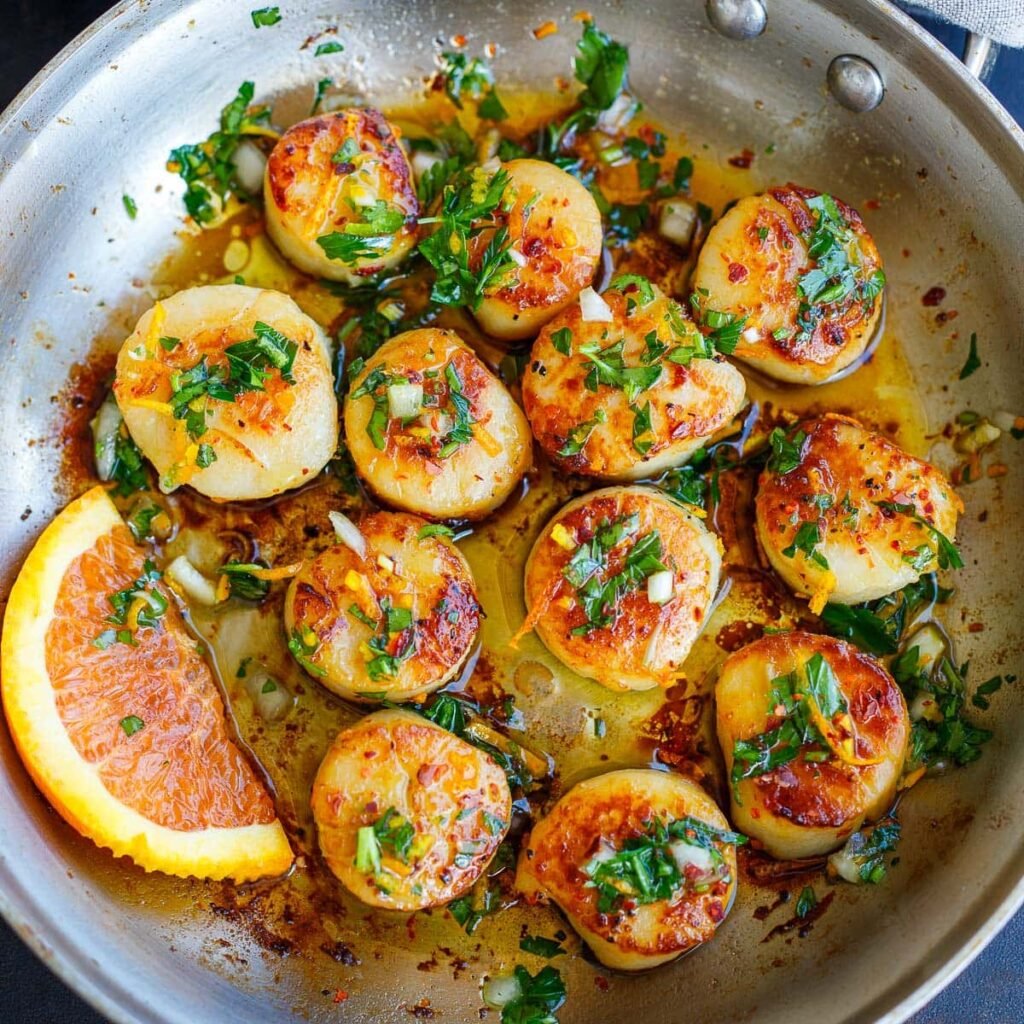
For sustainability and quality, cross-check with Monterey Bay Aquarium Seafood Watch.
These additions round out your scallop toolkit, making it easier to replicate fine-dining results night after night. Pair them with the recipes earlier in the article, and you’ll be searing like a pro. Share your favorite finds in the comments—what’s in your kitchen arsenal?
Leave a Reply