Quiche, that elegant yet approachable dish, has long been a staple in kitchens around the world. With its flaky crust enveloping a creamy custard filling studded with savory ingredients, it’s no wonder quiche transcends meal times. Whether you’re whipping it up for a lazy weekend breakfast, a light lunch with friends, or a satisfying dinner paired with a salad, a savory quiche offers versatility, comfort, and flavor in every bite. At Fork n Food, we love recipes that are both simple to prepare and impressive to serve, and this savory quiche fits the bill perfectly. In this article, we’ll dive into the history of quiche, explore why it’s ideal for any meal, provide a detailed recipe, suggest variations, and share tips to make your quiche unforgettable. Let’s get started!
The Rich History of Quiche
Quiche may evoke images of French bistros, but its origins are more complex and rooted in medieval Europe. The word “quiche” itself derives from the German “Kuchen,” meaning cake or tart, hinting at its Germanic beginnings. Historians trace quiche back to the medieval kingdom of Lotharingia, a region that spanned parts of modern-day France, Germany, Belgium, Luxembourg, and the Netherlands. This area, later renamed Lorraine after being annexed by France, gave birth to what we now know as Quiche Lorraine – the quintessential savory quiche featuring eggs, cream, and smoked bacon.
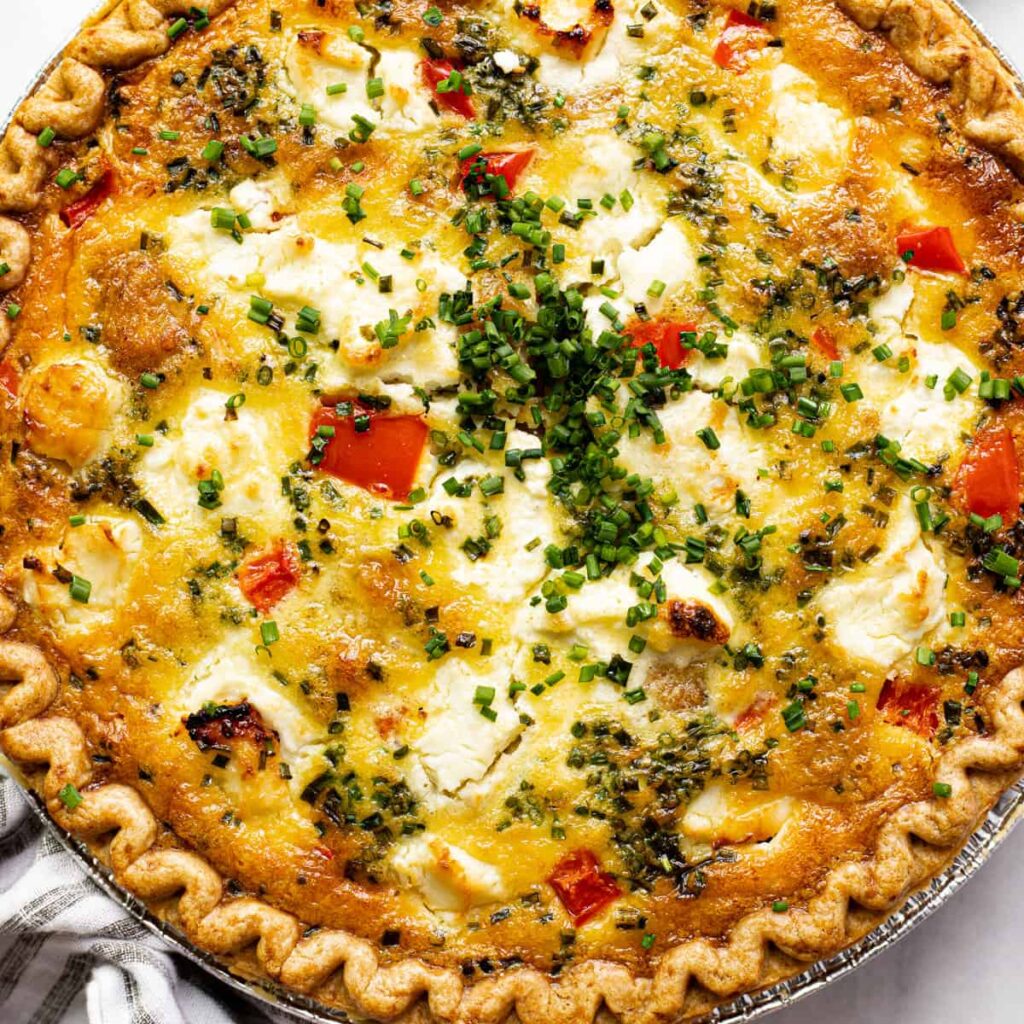
Early versions of quiche-like dishes appear in historical records as far back as the 14th century. In England, recipes for “Crustardes of flesh” from the cookbook The Forme of Cury described eggs and cream baked in pastry with meat or fish. By the 16th century, similar preparations were common in Central Europe, from eastern France to Austria. A notable mention comes from 1586, when a quiche was served at a dinner for Charles III, Duke of Lorraine. Back then, it was a rustic peasant dish, often baked in communal ovens using leftover bread dough instead of fancy pastry. Farmers’ wives in Lorraine would use simple ingredients like eggs, cream, and bacon to create a nourishing meal after baking bread.
The dish evolved over centuries. Originally, Quiche Lorraine didn’t include cheese – that was a later addition, likely influenced by Swiss and Gruyère varieties from neighboring regions. It remained a regional specialty until after World War II, when Allied soldiers returning from Europe popularized it in the United States. By the 1950s, Quiche Lorraine had hit American menus, and its fame exploded in the 1960s and 1970s thanks to figures like Julia Child, who featured it on her TV show The French Chef. However, the 1980s brought a cultural backlash with the book Real Men Don’t Eat Quiche, satirizing it as overly effeminate. Despite this, quiche endured, adapting to modern tastes with endless variations.
Today, quiche is celebrated globally for its adaptability. From its humble Germanic roots to its French refinement, it’s a testament to how simple ingredients can create something timeless. For more on European culinary history, check out our article on traditional French pastries.Visit our internal link https://forknfood.com/ for more ideas.
Why Savory Quiche is Perfect for Breakfast, Lunch, or Dinner
One of quiche’s greatest appeals is its versatility across meals. For breakfast, it provides a hearty start to the day, combining protein-rich eggs with savory fillings like bacon or vegetables. It’s warmer and more substantial than cereal or toast, yet lighter than a full fry-up. Imagine slicing into a warm quiche alongside fresh fruit or coffee – it’s the ultimate brunch star.
At lunch, quiche shines as a portable, make-ahead option. Pack a slice for work or serve it cold at a picnic. Its custard base holds up well, and pairing it with a crisp salad turns it into a balanced meal. For dinner, quiche transforms into an elegant entrée. Add a side of roasted vegetables or soup, and you’ve got a satisfying, low-effort supper. Plus, it’s endlessly customizable – vegetarian, gluten-free, or loaded with meats – making it ideal for dietary needs.
Nutritionally, quiche offers a mix of proteins, fats, and carbs. Eggs provide essential amino acids, while veggies add fiber and vitamins. It’s also economical, using pantry staples and leftovers. In a busy world, quiche’s prep-ahead nature saves time without sacrificing flavor. If you’re looking for more versatile recipes, explore our easy meal prep ideas.
Essential Ingredients for a Savory Quiche
A great quiche starts with quality ingredients. Here’s what you’ll need for a classic savory version serving 6-8 people:
- Pie Crust: 1 pre-made or homemade 9-inch pie crust. For a flaky homemade option, try our flaky pie crust recipe.
- Eggs: 4 large eggs for the custard base, providing structure and richness.
- Dairy: 1 cup heavy cream and 1/2 cup milk for creaminess. Half-and-half works as a substitute.
- Cheese: 1 cup shredded Gruyère or Swiss cheese for that nutty, melty goodness.
- Protein: 6-8 slices of thick-cut bacon, cooked and crumbled. Or use ham, sausage, or veggies for variety.
- Vegetables: 1/2 cup chopped onions or shallots, sautéed for sweetness. Add spinach, mushrooms, or bell peppers as desired.
- Seasonings: 1/4 teaspoon salt, a pinch of black pepper, nutmeg, and cayenne for subtle warmth.
These basics yield a custard that’s silky, not rubbery. Fresh ingredients elevate the dish – opt for farm-fresh eggs if possible.
Step-by-Step Savory Quiche Recipe
Making quiche is straightforward, even for beginners. Preheat your oven to 375°F (190°C). This recipe takes about 15 minutes to prep and 45-50 minutes to bake.
- Prepare the Crust: Roll out your pie crust and fit it into a 9-inch pie dish. Crimp the edges for a decorative touch. Prick the bottom with a fork to prevent bubbling, then blind-bake for 10 minutes with pie weights or beans. This ensures a crisp base.
- Cook the Fillings: In a skillet, cook the bacon until crispy, about 8 minutes. Remove and drain on paper towels, then crumble. In the same pan, sauté the onions until translucent, about 5 minutes. If adding other veggies like spinach, wilt them here.
- Make the Custard: In a large bowl, whisk the eggs until frothy. Gradually add the cream, milk, salt, pepper, nutmeg, and cayenne. Whisk until smooth – this incorporates air for a light texture.
- Assemble: Sprinkle half the cheese over the pre-baked crust. Add the bacon and onions, then pour in the custard. Top with remaining cheese for a golden crust.
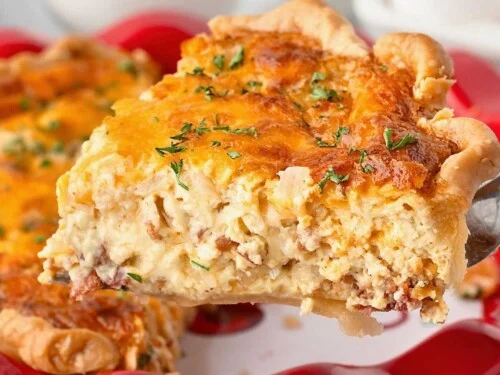
- Bake: Place on a baking sheet to catch spills. Bake for 35-45 minutes until the center is set but slightly jiggly. A knife inserted should come out clean. Let cool for 10 minutes before slicing – this allows the custard to firm up.
Your quiche should emerge golden, puffed, and aromatic. For visual inspiration, here’s a beautiful example of a mushroom quiche variation.
Delicious Variations on Savory Quiche
While Quiche Lorraine is classic, variations keep things exciting. For a vegetarian twist, try spinach and feta: Sauté 2 cups spinach with garlic, add feta instead of Gruyère. Mushroom lovers can go for an over-the-top version with assorted mushrooms, thyme, and cheddar.
For a Mediterranean flair, incorporate roasted tomatoes, olives, and goat cheese – perfect for summer lunches. Or try a caramelized garlic, spinach, and cheddar tart for bold flavors. Crustless quiche is great for low-carb diets: Skip the crust and bake in a greased dish.
Experiment with cheeses like Brie for decadence or sharp cheddar for bite. Seasonal veggies like asparagus in spring or butternut squash in fall add freshness. For more ideas, see our vegetarian quiche variations.
Here’s a vibrant tomato quiche to spark your creativity.
Serving Suggestions
Serve quiche warm or at room temperature. For breakfast, pair with fresh berries and yogurt. Lunch calls for a green salad with vinaigrette. Dinner? Add roasted potatoes or soup. Wine enthusiasts might enjoy a crisp white like Sauvignon Blanc. Leftovers reheat well in the oven at 325°F.
Nutritional Benefits
Quiche is more than indulgent – it’s nutritious. Eggs offer high-quality protein and vitamins like B12. Cheese adds calcium, while veggies provide antioxidants. A slice (1/8th) has about 300-400 calories, depending on fillings. Opt for lighter dairy or more veggies to reduce fat. For health tips, visit USDA’s nutrition guide.
Tips and Tricks for Perfect Quiche
- Avoid overbaking to prevent a tough custard.
- Use room-temperature ingredients for even mixing.
- Freeze unbaked quiche for up to 3 months.
- Blind-bake the crust to avoid sogginess.
- Rest before slicing for clean cuts.
Common pitfalls: Too much filling leads to overflow; under-seasoning makes it bland. Practice makes perfect!
And for a unique spin, check out this caramelized garlic and spinach tart.
Conclusion
Savory quiche is a culinary chameleon, adapting to any meal with ease. From its historical roots in medieval Europe to your modern kitchen, it’s a dish that combines simplicity with sophistication. Whether you’re following our classic recipe or experimenting with variations, quiche promises delicious results. Head to Fork n Food for more recipes, like our brunch favorites. Bon appétit!
Savory Quiche FAQs
1. Why is my quiche soggy or watery?
The most common cause is excess moisture from fillings like vegetables (especially spinach or mushrooms) or not blind-baking the crust. Always squeeze out liquid from high-moisture veggies, and blind-bake the crust with pie weights for 10-15 minutes at 375°F (190°C) to create a crisp barrier. Overfilling or using too much dairy without enough eggs can also lead to a loose texture.
2. What’s the ideal egg-to-dairy ratio for a creamy custard?
Aim for 1 large egg per ½ cup of dairy (heavy cream, milk, or a mix) for a silky, set custard in a 9-inch quiche. For a standard recipe, 4 eggs to 2 cups dairy works well. Too many eggs make it firm and spongy; too few risks a runny center. Add an extra egg if using lots of wet add-ins.
3. Do I have to blind-bake the crust?
Yes, it’s highly recommended to prevent a soggy bottom. Line the crust with parchment and pie weights (or dried beans), bake partially, then add the filling. This ensures even cooking and a flaky texture.
4. Can I make quiche ahead of time?
Absolutely! Quiche is perfect for meal prep. Bake it fully, cool completely, then refrigerate for up to 3-4 days or freeze for up to 3 months. Reheat slices in a 325°F (163°C) oven for 10-15 minutes to maintain crispness. It tastes great warm or at room temperature.
5. What’s the best pan for quiche?
Use a deep-dish pie plate (at least 1.5-2 inches deep) or a tart pan with a removable bottom for easy release and even baking. Avoid shallow standard pie pans, as they lead to overcooked edges and under-set centers. A removable-bottom tart pan is especially great for presentation.
6. How do I know when the quiche is done?
The center should be set but still slightly jiggly (like gelatin) when gently shaken. A knife inserted near the center should come out clean. Overbaking makes it rubbery, so err on the side of underdone and let it rest 10-15 minutes—it continues cooking.
7. Can I make a crustless or low-carb version?
Yes! Grease the dish well and pour the custard directly in. Reduce baking time slightly (check at 30 minutes). It’s lighter and great for keto or gluten-free diets.
8. What are the most popular savory quiche variations?
Beyond classic Quiche Lorraine (bacon, eggs, cream—no cheese traditionally), favorites include spinach and feta, mushroom and Gruyère, broccoli cheddar, ham and cheese, or veggie-packed options like tomato and basil. For seasonal twists, try butternut squash or asparagus in spring.
Top Products for Making Savory Quiche
To elevate your quiche game, invest in reliable tools that ensure even baking, easy release, and professional results. Here are some highly rated, popular options:
- Removable-Bottom Tart/Quiche Pan (e.g., Wilton Excelle Elite or similar nonstick 9-10 inch models)
These are top-rated for quiche because the fluted sides create beautiful edges, and the removable bottom lets you lift the quiche easily without breaking the crust. Nonstick versions prevent sticking, and they’re versatile for tarts too. Great for presentation at brunches. - Ceramic or Porcelain Deep-Dish Pie/Quiche Dish (e.g., Emile Henry, Le Creuset Heritage Fluted, or LOVECASA 10-inch)
Ceramic retains heat well for even cooking and golden crusts, plus it’s microwave-, dishwasher-, and oven-safe. The fluted edges add elegance, making it ideal for serving directly from oven to table. - Glass Deep-Dish Pie Plate (e.g., Pyrex)
Affordable and excellent for monitoring browning through the transparent sides. It promotes crisp bottoms via radiant heat and is a budget-friendly staple for beginners. - Pie Weights or Dried Beans
Essential for blind-baking. Ceramic or metal pie weights are reusable and prevent bubbling—much better than beans long-term. - Nonstick Pie/Tart Pans with Removable Bottom
Brands like Nordic Ware or basic aluminized steel options heat evenly and release cleanly. Look for 9-10 inch sizes for standard recipes.
These tools are widely available on sites like Amazon and are frequently recommended in baking reviews for consistent quiche success.
With these FAQs and tools, you’re set to master savory quiche. For more inspiration, check our vegetarian quiche variations or experiment with your favorites!
Top Recommended Products for Savory Quiche
- Ceramic Pie Weights (e.g., FurRain or Mrs. Anderson’s Ceramic Pie Weights)
Essential for blind-baking your crust to prevent sogginess and ensure even cooking. Ceramic beads heat up quickly, distribute weight evenly, and outperform dried beans or chains in many tests—no slumping or bubbling. A 1.5–2.5 lb set covers a standard 9-10 inch pan perfectly. They come with a storage container for easy reuse. Affordable and top-rated for consistent crisp crusts in quiche recipes. - Nordic Ware Quiche and Tart Pan
A standout aluminum pan specifically designed for quiches (and tarts), with taller sides for deeper fillings and a removable bottom for easy release. It produces beautifully crimped edges and even browning. Recent tests highlight its durability and performance for both sweet and savory bakes—ideal if you make quiche often. - Fox Run 9″ Loose Bottom Tart/Quiche Pan
An budget-friendly co-winner in recent tart pan reviews, this carbon-steel option delivers crisp, evenly browned crusts with attractive fluted edges. It’s lightweight, easy to clean, and great for beginners or frequent bakers. Pairs well with any savory filling like bacon or veggies. - Emile Henry Ceramic Tart/Flan/Pie Dish
For those who prefer serving quiche straight from the dish, this French-made Burgundy clay ceramic version excels at even heat distribution and gentle baking—preventing dried-out edges. It retains heat beautifully for warm slices and is microwave/oven/dishwasher-safe. Great for rustic presentation at breakfast or dinner. - USA Pan 10-Inch Tart Pan
Another top performer with nonstick coating for effortless release and even baking. Slightly wider than standard 9-inch pans, it’s perfect for generous fillings. Highly rated for professional-looking results without sticking—excellent for Quiche Lorraine or veggie-packed versions. - Le Creuset Enameled Cast Iron Tart Tatin Dish (or similar deep quiche dish)
Premium enameled cast iron for superior heat retention and even cooking—ideal if you want a luxurious, table-ready quiche. The enameled surface is nonstick and easy to clean, while the cast iron holds warmth for longer servings. A splurge-worthy option for special occasions. - Pyrex 9-Inch Glass Deep-Dish Pie Plate
A versatile, affordable classic for quiche in a pie-style dish. The transparent glass lets you monitor browning from the bottom (no more soggy surprises), and it bakes evenly in most ovens. Great as a backup or for crustless quiches.
These products emphasize even heat, easy release, and crisp results—key for savory quiche success. Many are available on sites like Amazon, Williams Sonoma, or Nordic Ware’s site. If you’re building a baking toolkit, start with good pie weights and a removable-bottom tart pan for the biggest impact.
For more quiche inspiration, revisit our savory quiche recipe or check out vegetarian variations. Happy baking!
Leave a Reply