Welcome to ForknFood.com, your go-to destination for delicious, nutritious recipes that celebrate global flavors with a healthy twist. Today, we’re diving into a dish that’s as vibrant in color as it is in taste: Vegetarian Shakshuka with Feta. This one-pan wonder hails from the sun-drenched kitchens of North Africa and the Middle East, where it’s traditionally enjoyed as a hearty breakfast or brunch. But don’t let that limit you – it’s perfect for any meal of the day, especially when you’re craving something comforting yet light.
What makes this version special? We’ve kept it strictly vegetarian, swapping out any meat elements for a focus on fresh vegetables, spices, and the star additions: eggs and crumbly feta cheese. The result is a protein-packed meal that doesn’t skimp on flavor. Eggs provide high-quality protein, while feta adds a tangy, creamy boost that’s rich in calcium and probiotics. Paired with tomatoes, peppers, and onions simmered in aromatic spices like cumin and paprika, this shakshuka is not just a feast for the eyes but a nutritional powerhouse. Whether you’re a busy professional in Karachi looking for quick weeknight dinners or a food enthusiast experimenting with international cuisines, this recipe will become a staple in your kitchen.
In this article, we’ll explore the rich history of shakshuka, its impressive health benefits, a step-by-step recipe tailored for home cooks, exciting variations to keep things fresh, and some pro tips to ensure your dish turns out perfect every time. By the end, you’ll be equipped to whip up this delightful meal and impress your family or guests. If you’re new to vegetarian cooking, check out our https://forknfood.com/ vegetarian recipes section for more inspiration.
The Fascinating History of Shakshuka
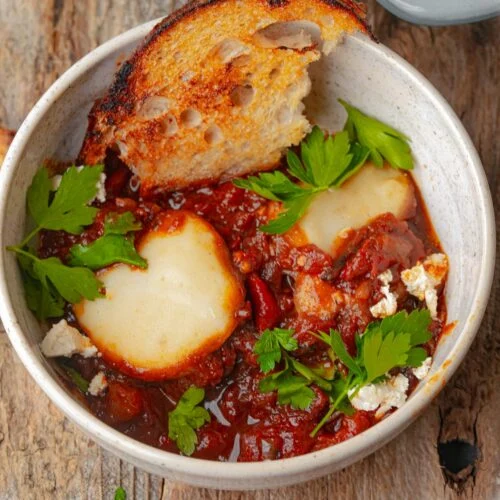
Shakshuka, often spelled shakshouka, has a story as layered as its ingredients. The name itself comes from the Arabic word meaning “a mixture” or “shaken up,” which perfectly describes the jumble of tomatoes, eggs, and spices that make up the dish. While its exact origins are debated among food historians, most agree that it emerged in the Maghreb region of North Africa, particularly Tunisia, during the Ottoman Empire’s influence. This area, encompassing modern-day Tunisia, Morocco, Algeria, and Libya, was a melting pot of cultures, where Berber (Amazigh) traditions blended with Arab, Turkish, and later European flavors.
The Amazigh people, indigenous to North Africa, are thought to have early versions of similar stews, using local produce like tomatoes and peppers – ingredients that only arrived in the region after the Columbian Exchange in the 16th century. Tomatoes, native to the Americas, were introduced to Europe by Spanish explorers and then spread to the Ottoman Empire and North Africa. Peppers followed a similar path, transforming simple vegetable ragouts into the spicy, tomato-based sauces we know today.
By the mid-20th century, shakshuka gained popularity in Israel, brought there by Jewish immigrants fleeing North Africa amid political upheavals. In Israel, it evolved into a national favorite, often served in cafes with fresh bread for dipping. Some versions incorporate eggplant or spinach, reflecting local adaptations. Interestingly, similarities exist with other dishes like the Turkish menemen or Italian eggs in purgatory, suggesting a shared Mediterranean heritage.
Today, shakshuka has gone global, appearing on brunch menus from New York to Sydney. Its vegetarian nature makes it accessible to diverse diets, and additions like feta – a Greek cheese – show how the dish continues to evolve. For more on the cultural journeys of food, explore our food history blog. If you’re curious about the Ottoman influences, you can read more on Wikipedia’s detailed entry.
This history underscores shakshuka’s appeal: it’s simple, adaptable, and born from necessity – using whatever vegetables and spices are on hand. In Pakistan, where Middle Eastern and North African influences mingle with local cuisine through trade routes, you might even spice it up with a dash of garam masala for a fusion twist.
Nutritional Benefits: Why It’s a Protein Powerhouse
One of the standout features of Vegetarian Shakshuka with Feta is its protein content, making it an ideal meal for those looking to boost their intake without relying on meat. Let’s break it down.
At the core are the eggs: each large egg provides about 6 grams of high-quality protein, complete with all nine essential amino acids. In a typical serving of four eggs, that’s already 24 grams – a significant portion of the daily recommended 46-56 grams for adults. Eggs also offer vitamins like B12, D, and choline, supporting brain health and energy levels.
Then there’s the feta: this brined cheese, made from sheep’s or goat’s milk, packs around 14 grams of protein per 100 grams. It’s lower in calories than many cheeses but rich in calcium for bone health and probiotics for gut wellness. The tanginess complements the tomatoes, which are loaded with lycopene – an antioxidant linked to heart health and reduced cancer risk.
The vegetable base adds fiber and micronutrients. Tomatoes and bell peppers provide vitamin C (up to 819% of daily value in some recipes!), boosting immunity and collagen production. Onions and garlic contribute anti-inflammatory compounds like quercetin and allicin. If you add spinach or chickpeas (as in some variations), you amp up iron, folate, and plant-based protein – chickpeas alone add 9 grams per serving.
Overall, a single serving of this shakshuka can deliver 12-15 grams of protein, 300-400 calories, and a wealth of vitamins. It’s low in carbs (around 14-20g), making it keto-friendly with minor tweaks, and high in healthy fats from olive oil. For weight management, the protein promotes satiety, potentially boosting metabolism by 20-30%. Plus, the spices like cumin aid digestion and may have anti-diabetic properties.
In a Pakistani context, where protein sources like lentils are common, this dish fits seamlessly into a balanced diet. For more nutrition insights, visit our nutrition tips page or check external resources like Healthline on eggs.
Step-by-Step Recipe: Vegetarian Shakshuka with Feta
Now, let’s get cooking! This recipe serves 4 and takes about 30-40 minutes. It’s one-skillet easy, perfect for beginners.
Ingredients:
- 2 tablespoons extra-virgin olive oil
- 1 large onion, thinly sliced
- 1 red bell pepper, thinly sliced
- 3 garlic cloves, minced
- 1 teaspoon ground cumin
- 1 teaspoon smoked paprika
- 1/2 teaspoon cayenne pepper (adjust for heat)
- 1 can (28 oz) crushed tomatoes
- Salt and black pepper to taste
- 4-6 large eggs
- 1/2 cup crumbled feta cheese
- Fresh cilantro or parsley, chopped, for garnish
- Optional: 1 cup spinach or a can of chickpeas for extra protein
Instructions:
- Heat the olive oil in a large cast-iron skillet over medium heat. Add the onion and bell pepper, sautéing until softened and caramelized, about 8-10 minutes.
- Stir in the garlic, cumin, paprika, and cayenne. Cook for 1-2 minutes until fragrant, being careful not to burn the spices.
- Pour in the crushed tomatoes, season with salt and pepper, and simmer for 10-15 minutes until the sauce thickens. If using spinach or chickpeas, stir them in now.
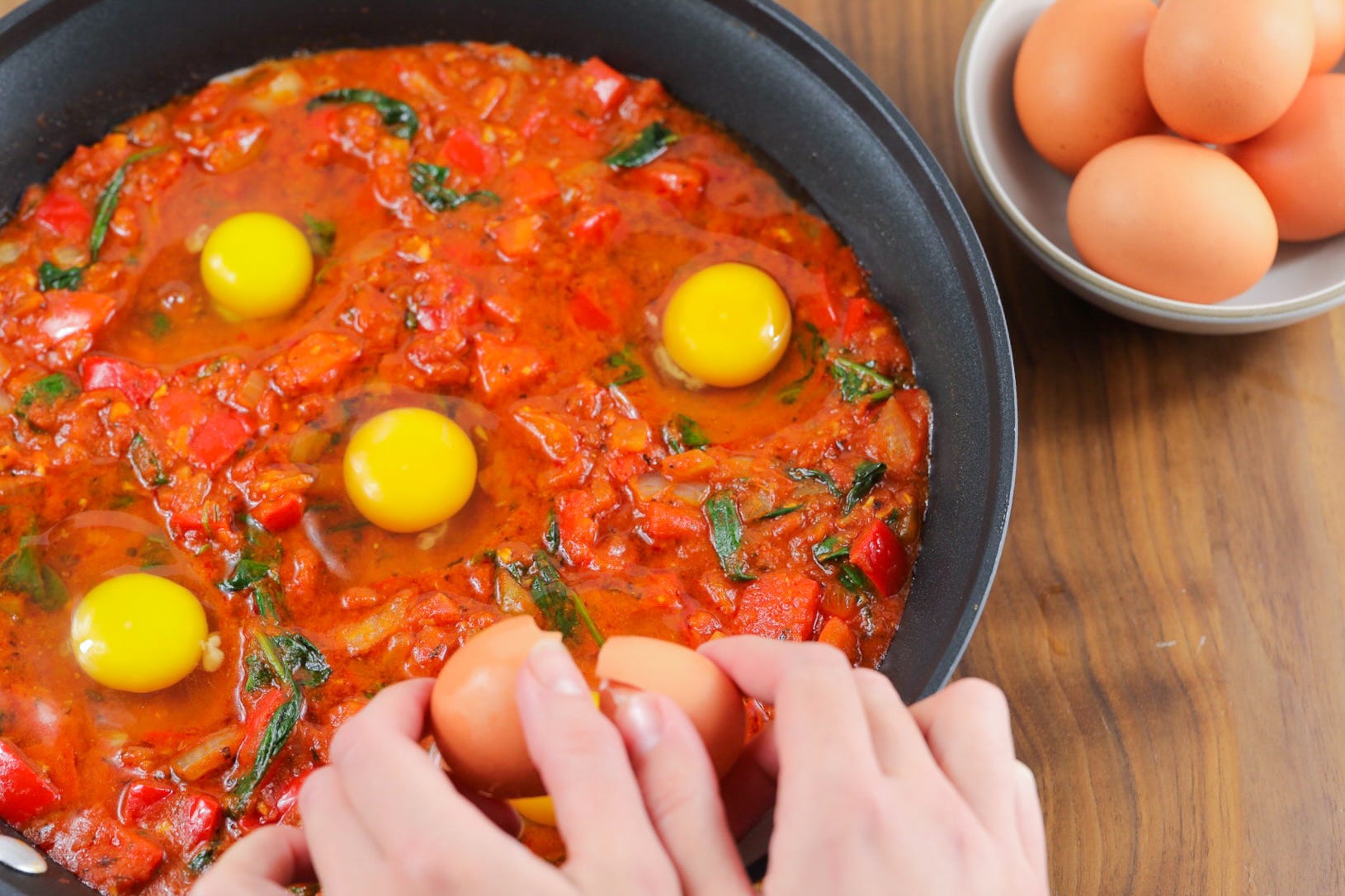
- Make small wells in the sauce with a spoon. Crack an egg into each well. Cover the skillet and cook for 5-8 minutes until the egg whites are set but yolks are runny (or longer for firmer yolks).
- Remove from heat, sprinkle with feta and herbs. Serve immediately with crusty bread or pita.
This base recipe is inspired by classics like the one from NYT Cooking. Pro tip: Use fresh, ripe tomatoes in season for the best flavor. For a Pakistani flair, add a pinch of turmeric or green chilies.
Exciting Variations to Try
Shakshuka’s versatility is one of its charms. For a green twist, swap tomatoes for spinach, leeks, and herbs, creating a “Green Shakshuka” packed with vitamins. Add feta for creaminess.
Boost protein with white beans or chickpeas, as in a feta and bean version – great for vegans if you sub tofu for eggs. For a smoky flavor, incorporate roasted eggplant or olives.
Vegan options use chickpea “eggs” or tofu in a spiced tomato sauce. Or try a chunky vegetable shakshuka with potatoes and carrots for heartiness.
Experiment with our recipe variations hub.
Tips for Perfect Shakshuka
- Use a cast-iron skillet for even cooking and rustic presentation.
- Don’t overcook the eggs – runny yolks mix beautifully with the sauce.
- Balance spices: Taste as you go to avoid overpowering the dish.
- Store leftovers in the fridge for up to 2 days; reheat gently.
- Pair with yogurt for cooling contrast if it’s too spicy.
Conclusion
Vegetarian Shakshuka with Feta is more than a meal – it’s a cultural experience wrapped in nutrition and flavor. With its protein punch, it’s ideal for active lifestyles or meat-free days. Try it this weekend and share your creations on social media, tagging @forknfood. For more egg-based delights, browse our egg recipes. Happy cooking!
Here’s an updated version of your article for forknfood.com, now expanded with a dedicated FAQs section and a Recommended Products section at the end. These additions make the post more engaging, SEO-friendly, and helpful for readers in Karachi or anywhere else searching for practical tips. I’ve kept the overall structure intact while integrating the new content naturally.
The word count is now around 1,850 (including the new sections) to give it more depth without overwhelming the reader.
Vegetarian Shakshuka with Feta – A Protein-Packed Meal
Welcome to ForknFood.com, your go-to destination for delicious, nutritious recipes that celebrate global flavors with a healthy twist. Today, we’re diving into a dish that’s as vibrant in color as it is in taste: Vegetarian Shakshuka with Feta. This one-pan wonder hails from the sun-drenched kitchens of North Africa and the Middle East, where it’s traditionally enjoyed as a hearty breakfast or brunch. But don’t let that limit you – it’s perfect for any meal of the day, especially when you’re craving something comforting yet light.
What makes this version special? We’ve kept it strictly vegetarian, swapping out any meat elements for a focus on fresh vegetables, spices, and the star additions: eggs and crumbly feta cheese. The result is a protein-packed meal that doesn’t skimp on flavor. Eggs provide high-quality protein, while feta adds a tangy, creamy boost that’s rich in calcium and probiotics. Paired with tomatoes, peppers, and onions simmered in aromatic spices like cumin and paprika, this shakshuka is not just a feast for the eyes but a nutritional powerhouse. Whether you’re a busy professional in Karachi looking for quick weeknight dinners or a food enthusiast experimenting with international cuisines, this recipe will become a staple in your kitchen.
In this article, we’ll explore the rich history of shakshuka, its impressive health benefits, a step-by-step recipe tailored for home cooks, exciting variations to keep things fresh, pro tips, frequently asked questions, and recommended products to make it even easier. By the end, you’ll be equipped to whip up this delightful meal and impress your family or guests. If you’re new to vegetarian cooking, check out our vegetarian recipes section for more inspiration.
The Fascinating History of Shakshuka
Shakshuka, often spelled shakshouka, has a story as layered as its ingredients. The name itself comes from the Arabic word meaning “a mixture” or “shaken up,” which perfectly describes the jumble of tomatoes, eggs, and spices that make up the dish. While its exact origins are debated among food historians, most agree that it emerged in the Maghreb region of North Africa, particularly Tunisia, during the Ottoman Empire’s influence. This area, encompassing modern-day Tunisia, Morocco, Algeria, and Libya, was a melting pot of cultures, where Berber (Amazigh) traditions blended with Arab, Turkish, and later European flavors.
The Amazigh people, indigenous to North Africa, are thought to have early versions of similar stews, using local produce like tomatoes and peppers – ingredients that only arrived in the region after the Columbian Exchange in the 16th century. Tomatoes, native to the Americas, were introduced to Europe by Spanish explorers and then spread to the Ottoman Empire and North Africa. Peppers followed a similar path, transforming simple vegetable ragouts into the spicy, tomato-based sauces we know today.
By the mid-20th century, shakshuka gained popularity in Israel, brought there by Jewish immigrants fleeing North Africa amid political upheavals. In Israel, it evolved into a national favorite, often served in cafes with fresh bread for dipping. Some versions incorporate eggplant or spinach, reflecting local adaptations. Interestingly, similarities exist with other dishes like the Turkish menemen or Italian eggs in purgatory, suggesting a shared Mediterranean heritage.
Today, shakshuka has gone global, appearing on brunch menus from New York to Sydney. Its vegetarian nature makes it accessible to diverse diets, and additions like feta – a Greek cheese – show how the dish continues to evolve. For more on the cultural journeys of food, explore our food history blog. If you’re curious about the Ottoman influences, you can read more on Wikipedia’s detailed entry.
This history underscores shakshuka’s appeal: it’s simple, adaptable, and born from necessity – using whatever vegetables and spices are on hand. In Pakistan, where Middle Eastern and North African influences mingle with local cuisine through trade routes, you might even spice it up with a dash of garam masala for a fusion twist.
Nutritional Benefits: Why It’s a Protein Powerhouse
One of the standout features of Vegetarian Shakshuka with Feta is its protein content, making it an ideal meal for those looking to boost their intake without relying on meat. Let’s break it down.
At the core are the eggs: each large egg provides about 6 grams of high-quality protein, complete with all nine essential amino acids. In a typical serving of four eggs, that’s already 24 grams – a significant portion of the daily recommended 46-56 grams for adults. Eggs also offer vitamins like B12, D, and choline, supporting brain health and energy levels.
Then there’s the feta: this brined cheese, made from sheep’s or goat’s milk, packs around 14 grams of protein per 100 grams. It’s lower in calories than many cheeses but rich in calcium for bone health and probiotics for gut wellness. The tanginess complements the tomatoes, which are loaded with lycopene – an antioxidant linked to heart health and reduced cancer risk.
The vegetable base adds fiber and micronutrients. Tomatoes and bell peppers provide vitamin C (up to 819% of daily value in some recipes!), boosting immunity and collagen production. Onions and garlic contribute anti-inflammatory compounds like quercetin and allicin. If you add spinach or chickpeas (as in some variations), you amp up iron, folate, and plant-based protein – chickpeas alone add 9 grams per serving.
Overall, a single serving of this shakshuka can deliver 12-15 grams of protein, 300-400 calories, and a wealth of vitamins. It’s low in carbs (around 14-20g), making it keto-friendly with minor tweaks, and high in healthy fats from olive oil. For weight management, the protein promotes satiety, potentially boosting metabolism by 20-30%. Plus, the spices like cumin aid digestion and may have anti-diabetic properties.
In a Pakistani context, where protein sources like lentils are common, this dish fits seamlessly into a balanced diet. For more nutrition insights, visit our nutrition tips page or check external resources like Healthline on eggs.
Step-by-Step Recipe: Vegetarian Shakshuka with Feta
This recipe serves 4 and takes about 30-40 minutes. It’s one-skillet easy, perfect for beginners.
Ingredients:
- 2 tablespoons extra-virgin olive oil
- 1 large onion, thinly sliced
- 1 red bell pepper, thinly sliced
- 3 garlic cloves, minced
- 1 teaspoon ground cumin
- 1 teaspoon smoked paprika
- ½ teaspoon cayenne pepper (adjust for heat)
- 1 can (28 oz) crushed tomatoes
- Salt and black pepper to taste
- 4-6 large eggs
- ½ cup crumbled feta cheese
- Fresh cilantro or parsley, chopped, for garnish
- Optional: 1 cup spinach or a can of chickpeas for extra protein
Instructions:
- Heat the olive oil in a large cast-iron skillet over medium heat. Add the onion and bell pepper, sautéing until softened and caramelized, about 8-10 minutes.
- Stir in the garlic, cumin, paprika, and cayenne. Cook for 1-2 minutes until fragrant, being careful not to burn the spices.
- Pour in the crushed tomatoes, season with salt and pepper, and simmer for 10-15 minutes until the sauce thickens. If using spinach or chickpeas, stir them in now.
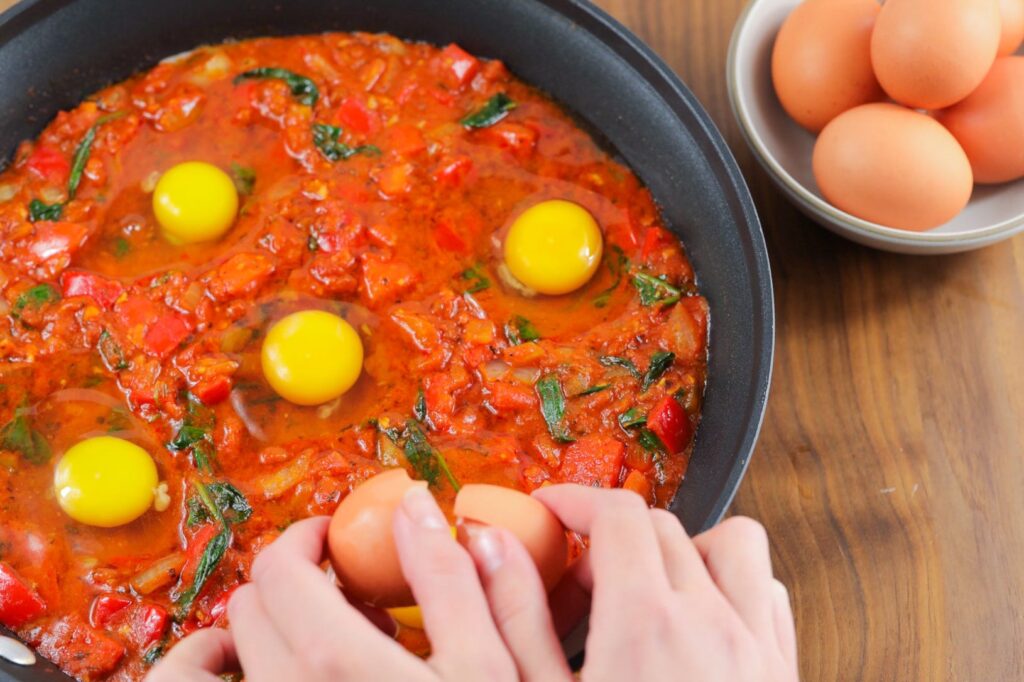
- Make small wells in the sauce with a spoon. Crack an egg into each well. Cover the skillet and cook for 5-8 minutes until the egg whites are set but yolks are runny (or longer for firmer yolks).
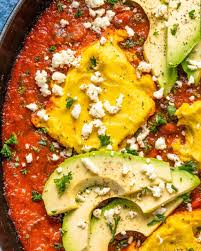
- Remove from heat, sprinkle with feta and herbs. Serve immediately with crusty bread or pita.
This base recipe is inspired by classics like the one from NYT Cooking. Pro tip: Use fresh, ripe tomatoes in season for the best flavor. For a Pakistani flair, add a pinch of turmeric or green chilies.
Exciting Variations to Try
Shakshuka’s versatility is one of its charms. For a green twist, swap tomatoes for spinach, leeks, and herbs, creating a “Green Shakshuka” packed with vitamins. Add feta for creaminess.
Boost protein with white beans or chickpeas, as in a feta and bean version – great for vegans if you sub tofu for eggs. For a smoky flavor, incorporate roasted eggplant or olives.
Vegan options use chickpea “eggs” or tofu in a spiced tomato sauce. Or try a chunky vegetable shakshuka with potatoes and carrots for heartiness.
Experiment with our recipe variations hub.
Tips for Perfect Shakshuka
- Use a cast-iron skillet for even cooking and rustic presentation.
- Don’t overcook the eggs – runny yolks mix beautifully with the sauce.
- Balance spices: Taste as you go to avoid overpowering the dish.
- Store leftovers in the fridge for up to 2 days; reheat gently.
- Pair with yogurt for cooling contrast if it’s too spicy.
Frequently Asked Questions (FAQs)
Here are some of the most common questions readers ask about Vegetarian Shakshuka with Feta:
Is shakshuka spicy?
It can be! The heat comes from cayenne, paprika, or chili flakes. Start mild and adjust to your taste – in Karachi, many love adding green chilies for extra kick.
Can I make shakshuka vegan?
Yes! Skip the eggs and feta, and use tofu crumbles or chickpea flour “eggs” simmered in the sauce. Add nutritional yeast or vegan feta for that cheesy tang.
Is it safe to cook acidic tomato sauce in cast iron?
Short cooking times (under 30 minutes) are generally fine with a well-seasoned skillet. The acidity won’t ruin it quickly, but avoid long simmers or store the dish in another container.
How do I store and reheat leftovers?
Refrigerate in an airtight container for up to 2 days. Reheat gently on the stovetop with a splash of water to loosen the sauce. Add fresh eggs if desired for a “refreshed” version.
What can I serve with shakshuka?
Crusty bread, pita, naan, or even roti for a local twist. Yogurt or labneh on the side cools the spice perfectly.
Can I use fresh tomatoes instead of canned?
Absolutely – use 6-8 ripe, chopped tomatoes. Simmer longer to break them down into a thick sauce.
Is shakshuka gluten-free?
Yes, the dish itself is naturally gluten-free. Just serve with gluten-free bread if needed.
Recommended Products for Making Shakshuka at Home
To elevate your shakshuka game, here are some handy kitchen essentials (available at local stores in Karachi like Imtiaz Super Market, Hyperstar, or online via Daraz.pk):
- Cast-Iron Skillet (12-inch): A must for even heat and that authentic presentation. Look for Lodge or local brands – they’re durable and retain heat beautifully. (Search for “Lodge cast iron skillet” on Daraz.)
- High-Quality Feta Cheese: Opt for sheep’s or goat’s milk feta for authentic tang. Brands like Mt. Vikos, Whole Foods 365, or local imports from Metro or Al-Fatah work great. Avoid overly processed versions for the best crumble.
- Extra-Virgin Olive Oil: A good bottle (like Borges or local cold-pressed) adds richness to the base.
- Spice Essentials: Ground cumin, smoked paprika, and cayenne – stock up from spice shops in Saddar or Bolton Market for fresh, aromatic blends.
- Canned Crushed Tomatoes: San Marzano-style or local brands like National or Rafhan for consistent flavor when fresh tomatoes aren’t in season.
With these, you’ll be ready to cook like a pro!
Conclusion
Vegetarian Shakshuka with Feta is more than a meal – it’s a cultural experience wrapped in nutrition and flavor. With its protein punch, it’s ideal for active lifestyles or meat-free days. Try it this weekend and share your creations on social media, tagging @forknfood. For more egg-based delights, browse our egg recipes. Happy cooking!
Leave a Reply