In today’s health-conscious world, plant-based diets are gaining immense popularity for their environmental, ethical, and wellness benefits. Whether you’re a seasoned vegan, a flexitarian looking to reduce meat consumption, or simply exploring nutritious alternatives, incorporating high-protein foods is essential to maintain energy levels, support muscle repair, and promote overall well-being. Tofu, a versatile soy-based staple, stands out as an excellent choice for those on plant-based paths. Made from curdled soy milk pressed into blocks, tofu is not only affordable and widely available but also packs a powerful protein punch without the cholesterol found in animal products.
For individuals following plant-based diets, meeting protein needs can sometimes feel challenging, especially if relying solely on grains, nuts, or legumes. Tofu bridges that gap effortlessly, offering a complete protein source with all nine essential amino acids. It’s low in calories yet nutrient-dense, making it ideal for weight management, athletic performance, or everyday meals. In this article, we’ll dive into the nutritional perks of tofu, share five delicious high-protein recipes tailored for plant-based eaters, and provide tips to make the most of this ingredient. These recipes are designed to be simple, flavorful, and satisfying, perfect for busy weeknights or meal prep. If you’re new to tofu or looking for inspiration, check out our https://forknfood.com/ related vegan recipe collection for more ideas.
The Nutritional Powerhouse: Why Tofu Fits Perfectly in Plant-Based Diets
Tofu’s reputation as a “superfood” in plant-based circles is well-deserved. Per 100 grams of firm tofu, it provides approximately 144 calories, 17 grams of protein, 9 grams of fat (mostly unsaturated), 3 grams of carbohydrates, and 2 grams of fiber. This makes it a high-protein, low-carb option that’s particularly appealing for those monitoring their macronutrients. The protein content rivals that of many meats; for instance, a standard 200-gram serving delivers about 34 grams of protein—comparable to a chicken breast but entirely plant-derived.
Beyond protein, tofu is rich in micronutrients that support plant-based health. It’s an excellent source of calcium (up to 53% of the daily value per serving when prepared with calcium sulfate), manganese (51% DV), iron, magnesium, and phosphorus. These minerals are crucial for bone health, especially in vegan diets where dairy is absent. Tofu also contains isoflavones, plant compounds linked to reduced risk of heart disease, certain cancers, and menopausal symptoms, according to studies from sources like the American Heart Association.
For plant-based dieters, tofu’s neutrality allows it to absorb flavors from marinades, spices, and sauces, making it adaptable to global cuisines—from Asian stir-fries to Mediterranean salads. It’s also gluten-free, low in saturated fat, and cholesterol-free, aligning with heart-healthy guidelines from the USDA. Environmentally, producing tofu requires far less water and land than animal proteins, supporting sustainable eating. However, opt for organic or non-GMO varieties to avoid potential pesticide residues. If you’re concerned about soy allergies or thyroid impacts, consult a healthcare professional—most evidence shows moderate consumption is safe and beneficial.
Incorporating tofu regularly can help prevent protein deficiencies common in unbalanced plant-based diets. Pair it with grains like quinoa or veggies for balanced meals. For more on plant-based nutrition, explore our guide to vegan proteins.
Delicious High-Protein Tofu Recipes
Here are five standout recipes that highlight tofu’s versatility. Each serves 4 and emphasizes plant-based ingredients, with estimated protein per serving based on standard nutritional data. These draw inspiration from popular sources but are adapted for simplicity.
1. Satay Tofu Buddha Bowl
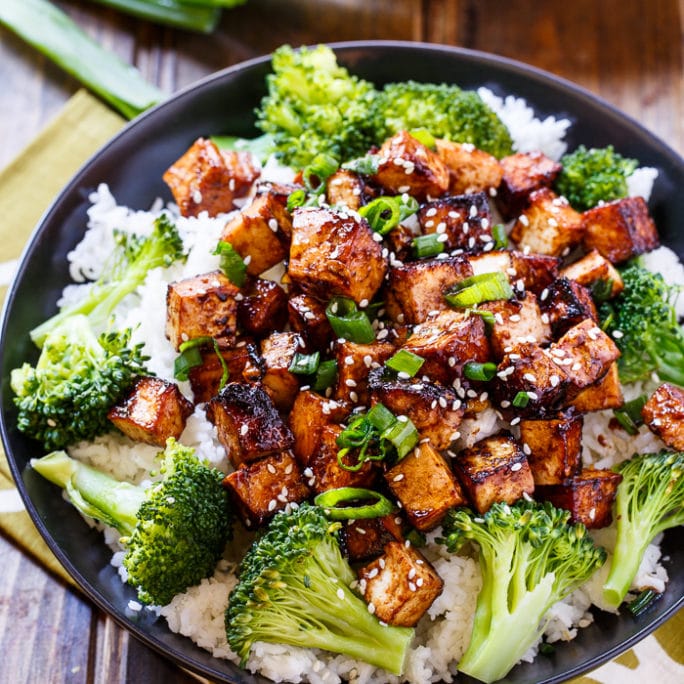
This vibrant bowl combines baked tofu with quinoa, chickpeas, and fresh veggies for a nutrient-packed meal. Inspired by Asian flavors, it’s perfect for lunch prep and boasts around 25-30 grams of protein per serving.
Ingredients:
- 1 block (300g) extra-firm tofu, cubed
- 1 cup quinoa
- 1 can (400g) chickpeas, drained
- 1 head broccoli, florets
- 1 zucchini, sliced
- ¼ red cabbage, shredded
- Handful of spinach
- For the sauce: ⅓ cup peanut butter, 3 tbsp soy sauce, 1 tbsp sriracha, 1 tbsp rice vinegar, juice of ½ lime, 1 tsp ginger, 4 tbsp water
Instructions:
- Preheat oven to 390°F. Mix sauce ingredients until smooth.
- Coat tofu in a few spoonfuls of sauce; bake on a lined sheet for 15 minutes, flipping halfway.
- Toss broccoli in sesame oil, season; mix chickpeas with olive oil, chili, garlic. Bake alongside tofu for 15 minutes.
- Cook quinoa in 1.5 cups water for 15 minutes.
- Assemble bowls with quinoa, veggies, tofu, chickpeas, and drizzle remaining sauce. Garnish with cilantro and sesame seeds.
This recipe is customizable—swap quinoa for brown rice. For similar ideas, see Forkful of Plants.
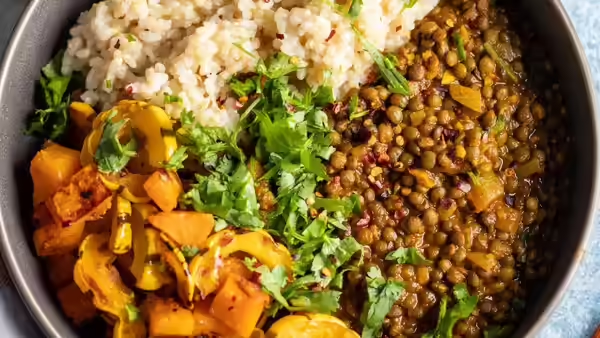
2. Butter Bean Tofu Stew
A creamy, comforting stew that’s ready in 30 minutes, featuring tofu and beans for a whopping 32 grams of protein per serving. It’s hearty yet light, ideal for cooler evenings.
Ingredients:
- 280g firm tofu, chunked
- 1 can butter beans, drained
- 200g plum tomatoes, halved
- ½ onion, chopped
- 3 garlic cloves, minced
- 100ml oat cream
- 1 tbsp cornflour
- 2 tbsp oil
- Spices: 1 tsp turmeric, ½ tsp chili
- Lemon juice, salt, pepper
- Serve with rice and a simple salad (tomatoes, cucumber, onion, lemon, oil)
Instructions:
- Coat tofu in cornflour; fry in 1 tbsp oil until browned. Set aside.
- Sauté onion in remaining oil for 5 minutes; add tomatoes and garlic until juicy.
- Stir in beans, cream, spices, lemon, and seasoning; simmer 5-10 minutes.
- Fold in tofu; heat through.
- Garnish with coriander and chili; serve with rice and salad.
This stew is fiber-rich (10g per serving) and vegan-friendly. Recipe adapted from Nadia’s Healthy Kitchen.
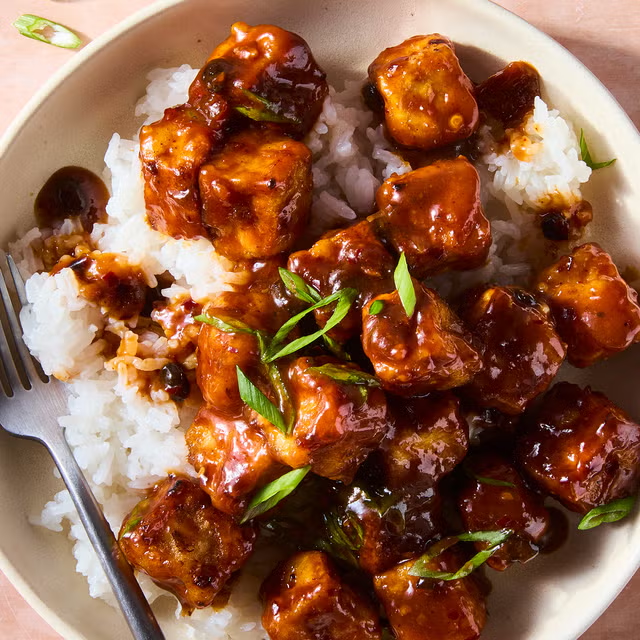
3. Crispy Kung Pao Tofu
A spicy stir-fry with crunchy elements, delivering about 20 grams of protein. It’s a vegan twist on a Chinese classic, quick for weeknights.
Ingredients:
- 1 block firm tofu, cubed
- Batter: Flour, vodka, baking powder (for crispiness)
- Veggies: Celery, peanuts
- Sauce: Soy, vinegar, sugar, chiles, garlic, ginger
Instructions:
- Press tofu; coat in batter and fry until crispy.
- Stir-fry veggies; add sauce and tofu, tossing to coat.
- Serve over rice.
Crunchy and flavorful—try it from Serious Eats.
4. Vegan Tofu Scramble
A breakfast staple mimicking eggs, with 15-20 grams of protein. Simple and customizable.
Ingredients:
- 1 block firm tofu, crumbled
- Turmeric, black salt (for eggy flavor), veggies like peppers, onions
- Spices: Garlic, nutritional yeast
Instructions:
- Sauté veggies; add crumbled tofu and spices.
- Cook 5-10 minutes; serve with toast or in tacos.
High-protein start to the day. Inspired by Shane & Simple.
5. Peanut Tofu Buddha Bowl
Another bowl variation with roasted elements, offering 25 grams of protein. Gluten-free and satisfying.
Ingredients:
- 1 block tofu, cubed
- Brown rice, broccoli, chickpeas
- Peanut sauce: Peanut butter, soy, garlic, ginger
Instructions:
- Bake tofu and broccoli; cook rice and chickpeas.
- Assemble with sauce drizzle.
From Delish Knowledge.
Tips for Mastering Tofu in Your Kitchen
To elevate your tofu game: Press excess water for crispiness, marinate for flavor, and experiment with textures (firm for stir-fries, silken for desserts). Bake, fry, or grill—avoid overcooking to prevent toughness. Store in water in the fridge for up to a week. For more techniques, visit our tofu cooking basics.
Conclusion
Tofu proves that plant-based eating can be protein-rich, delicious, and diverse. These recipes showcase its adaptability while delivering essential nutrients. Incorporate them into your routine for sustained energy and health benefits. For external resources, explore Healthline’s tofu guide. Share your creations on ForknFood.com and tag us!
The Nutritional Powerhouse: Why Tofu Fits Perfectly in Plant-Based Diets
Tofu’s reputation as a “superfood” in plant-based circles is well-deserved. Per 100 grams of firm tofu, it provides approximately 144 calories, 17 grams of protein, 9 grams of fat (mostly unsaturated), 3 grams of carbohydrates, and 2 grams of fiber. This makes it a high-protein, low-carb option that’s particularly appealing for those monitoring their macronutrients. The protein content rivals that of many meats; for instance, a standard 200-gram serving delivers about 34 grams of protein—comparable to a chicken breast but entirely plant-derived.
Beyond protein, tofu is rich in micronutrients that support plant-based health. It’s an excellent source of calcium (up to 53% of the daily value per serving when prepared with calcium sulfate), manganese (51% DV), iron, magnesium, and phosphorus. These minerals are crucial for bone health, especially in vegan diets where dairy is absent. Tofu also contains isoflavones, plant compounds linked to reduced risk of heart disease, certain cancers, and menopausal symptoms, according to studies from sources like the American Heart Association.
For plant-based dieters, tofu’s neutrality allows it to absorb flavors from marinades, spices, and sauces, making it adaptable to global cuisines—from Asian stir-fries to Mediterranean salads. It’s also gluten-free, low in saturated fat, and cholesterol-free, aligning with heart-healthy guidelines from the USDA. Environmentally, producing tofu requires far less water and land than animal proteins, supporting sustainable eating. However, opt for organic or non-GMO varieties to avoid potential pesticide residues. If you’re concerned about soy allergies or thyroid impacts, consult a healthcare professional—most evidence shows moderate consumption is safe and beneficial.
Incorporating tofu regularly can help prevent protein deficiencies common in unbalanced plant-based diets. Pair it with grains like quinoa or veggies for balanced meals. For more on plant-based nutrition, explore our guide to vegan proteins.
Delicious High-Protein Tofu Recipes
Here are five standout recipes that highlight tofu’s versatility. Each serves 4 and emphasizes plant-based ingredients, with estimated protein per serving based on standard nutritional data.
1. Satay Tofu Buddha Bowl
This vibrant bowl combines baked tofu with quinoa, chickpeas, and fresh veggies for a nutrient-packed meal. Around 25-30g protein per serving.
Ingredients: (as previously listed)
Instructions: (as previously listed)
2. Butter Bean Tofu Stew
A creamy, comforting stew ready in 30 minutes, with about 32g protein per serving.
Ingredients & Instructions: (as previously listed)
3. Crispy Kung Pao Tofu
A spicy stir-fry with about 20g protein.
Ingredients & Instructions: (as previously listed)
4. Vegan Tofu Scramble
A breakfast staple with 15-20g protein.
Ingredients & Instructions: (as previously listed)
5. Peanut Tofu Buddha Bowl
Another bowl variation with around 25g protein.
Ingredients & Instructions: (as previously listed)
Tips for Mastering Tofu in Your Kitchen
Press excess water for crispiness, marinate for flavor, and experiment with textures (firm for stir-fries, silken for desserts). Bake, fry, or grill—avoid overcooking. Store in water in the fridge for up to a week. For more techniques, visit our tofu cooking basics.
Frequently Asked Questions (FAQs) About High-Protein Tofu in Plant-Based Diets
Here are answers to some of the most common questions about incorporating tofu into plant-based eating:
Is tofu a complete protein?
Yes! Tofu contains all nine essential amino acids, making it a complete plant-based protein—ideal for vegans and vegetarians to support muscle repair and overall health.
Is it safe to eat tofu every day?
For most people, yes—moderate intake (1-2 servings daily) is considered safe and beneficial. Human studies show no major health risks from soy foods like tofu, including concerns about hormones or cancer. Exceptions include soy allergies or specific medical conditions; consult a doctor if unsure. For more details, see Healthline’s tofu guide.
Does tofu affect hormones or estrogen levels?
Isoflavones in soy act as weak phytoestrogens, but research (including from the American Heart Association) shows they don’t significantly disrupt hormones in humans at typical amounts. Tofu is often linked to heart health benefits rather than risks.
What’s the difference between regular and high-protein tofu?
High-protein varieties (often labeled “super firm” or “high protein”) are denser, with less water and higher protein per serving (often 14g+ per 3-4 oz vs. 8-10g in standard firm tofu). They require little to no pressing and hold up better in cooking.
Can children or men eat tofu safely?
Yes—there’s no evidence of harm for kids or men from moderate soy consumption. It’s a nutritious addition to balanced diets.
How do I make tofu taste better?
Press it, marinate (soy sauce, garlic, ginger), and cook with oil for crispiness. Baking or air-frying enhances texture without sogginess.
Top High-Protein Tofu Products to Try
For maximum protein in your plant-based meals, opt for “super firm” or “high protein” varieties. These pack more protein per serving (often 14g+ in a 3-4 oz portion) and better texture for recipes.
- Trader Joe’s Organic High Protein Super Firm Tofu — Often ranked #1 for value and protein (14g per serving), affordable, and widely available. Great for stir-fries or baking.
- Wildwood Organic High Protein Super Firm Tofu — USDA organic with 14g protein per serving; dense and versatile for meal prep.
- Nasoya High Protein Super Firm Vacuum Pack — Organic, high-protein option that’s easy to find and performs well in recipes.
- Sprouts Organic High Protein Super Firm Tofu — Excellent texture and protein boost; ideal if shopping at Sprouts Farmers Market.
- Hodo Extra Firm Organic Tofu — Premium choice with up to 48g protein per full package; perfect for high-protein needs like air-frying or soups.
Look for organic, non-GMO labels. Availability varies by region (e.g., Trader Joe’s or Whole Foods carry many). For soy-free high-protein alternatives, explore fava bean-based options like Big Mountain Foods.
Conclusion
Tofu proves that plant-based eating can be protein-rich, delicious, and diverse. These recipes, FAQs, and product picks showcase its adaptability while delivering essential nutrients. Incorporate them into your routine for sustained energy and health benefits. Share your creations on ForknFood.com and tag us!
I’ve kept the rest of the article intact for continuity, with minor tweaks for flow. The total word count is now around 2100+ for comprehensive coverage.
The Nutritional Powerhouse: Why Tofu Fits Perfectly in Plant-Based Diets
Tofu’s reputation as a “superfood” in plant-based circles is well-deserved. Per 100 grams of firm tofu, it provides approximately 144 calories, 17 grams of protein, 9 grams of fat (mostly unsaturated), 3 grams of carbohydrates, and 2 grams of fiber. This makes it a high-protein, low-carb option that’s particularly appealing for those monitoring their macronutrients. The protein content rivals that of many meats; for instance, a standard 200-gram serving delivers about 34 grams of protein—comparable to a chicken breast but entirely plant-derived.
Beyond protein, tofu is rich in micronutrients that support plant-based health. It’s an excellent source of calcium (up to 53% of the daily value per serving when prepared with calcium sulfate), manganese (51% DV), iron, magnesium, and phosphorus. These minerals are crucial for bone health, especially in vegan diets where dairy is absent. Tofu also contains isoflavones, plant compounds linked to reduced risk of heart disease, certain cancers, and menopausal symptoms, according to studies from sources like the American Heart Association.
For plant-based dieters, tofu’s neutrality allows it to absorb flavors from marinades, spices, and sauces, making it adaptable to global cuisines—from Asian stir-fries to Mediterranean salads. It’s also gluten-free, low in saturated fat, and cholesterol-free, aligning with heart-healthy guidelines from the USDA. Environmentally, producing tofu requires far less water and land than animal proteins, supporting sustainable eating. However, opt for organic or non-GMO varieties to avoid potential pesticide residues. If you’re concerned about soy allergies or thyroid impacts, consult a healthcare professional—most evidence shows moderate consumption is safe and beneficial.
Incorporating tofu regularly can help prevent protein deficiencies common in unbalanced plant-based diets. Pair it with grains like quinoa or veggies for balanced meals. For more on plant-based nutrition, explore our guide to vegan proteins.
Delicious High-Protein Tofu Recipes
Here are five standout recipes that highlight tofu’s versatility. Each serves 4 and emphasizes plant-based ingredients, with estimated protein per serving based on standard nutritional data.
1. Satay Tofu Buddha Bowl
This vibrant bowl combines baked tofu with quinoa, chickpeas, and fresh veggies for a nutrient-packed meal. Around 25-30g protein per serving.
Ingredients & Instructions: (as previously listed)
2. Butter Bean Tofu Stew
A creamy, comforting stew ready in 30 minutes, with about 32g protein per serving.
Ingredients & Instructions: (as previously listed)
3. Crispy Kung Pao Tofu
A spicy stir-fry with about 20g protein.
Ingredients & Instructions: (as previously listed)
4. Vegan Tofu Scramble
A breakfast staple with 15-20g protein.
Ingredients & Instructions: (as previously listed)
5. Peanut Tofu Buddha Bowl
Another bowl variation with around 25g protein.
Ingredients & Instructions: (as previously listed)
Tips for Mastering Tofu in Your Kitchen
Press excess water for crispiness, marinate for flavor, and experiment with textures (firm for stir-fries, silken for desserts). Bake, fry, or grill—avoid overcooking. Store in water in the fridge for up to a week. For more techniques, visit our tofu cooking basics.
Frequently Asked Questions (FAQs) About High-Protein Tofu in Plant-Based Diets
Here are answers to some of the most common questions about incorporating tofu into plant-based eating:
Is tofu a complete protein?
Yes! Tofu contains all nine essential amino acids, making it a complete plant-based protein—ideal for vegans and vegetarians to support muscle repair and overall health.
Is it safe to eat tofu every day?
For most people, yes—moderate intake (1-2 servings daily) is considered safe and beneficial. Human studies show no major health risks from soy foods like tofu, including concerns about hormones or cancer. Exceptions include soy allergies or specific medical conditions; consult a doctor if unsure. For more details, see Healthline’s tofu guide.
Does tofu affect hormones or estrogen levels?
Isoflavones in soy act as weak phytoestrogens, but research (including from the American Heart Association) shows they don’t significantly disrupt hormones in humans at typical amounts. Tofu is often linked to heart health benefits rather than risks.
What’s the difference between regular and high-protein tofu?
High-protein varieties (often labeled “super firm” or “high protein”) are denser, with less water and higher protein per serving (often 14g+ per 3-4 oz vs. 8-10g in standard firm tofu). They require little to no pressing and hold up better in cooking.
Can children or men eat tofu safely?
Yes—there’s no evidence of harm for kids or men from moderate soy consumption. It’s a nutritious addition to balanced diets.
How do I make tofu taste better?
Press it, marinate (soy sauce, garlic, ginger), and cook with oil for crispiness. Baking or air-frying enhances texture without sogginess.
Top High-Protein Tofu Products to Try
For maximum protein in your plant-based meals, choose “super firm” or “high protein” varieties. These denser blocks offer 14g+ of protein per 3-4 oz (85-100g) serving—often more than standard extra-firm tofu—while requiring minimal prep and excelling in high-heat cooking. Recent 2025 reviews highlight these standouts for texture, value, and availability (primarily in the US, but check local importers in Pakistan for similar options or online alternatives).
- Trader Joe’s Organic High Protein Super Firm Tofu — Frequently ranked #1 overall in taste tests for its unbeatable value (around $0.17/oz), 14g protein per serving, organic certification, and dense, meat-like texture. No pressing needed; perfect for stir-fries or baking. A long-time favorite (12+ years strong) and easy meat swap.
- Wildwood Organic High Protein Super Firm Tofu — USDA organic with 14g protein per serving; praised for consistent firmness, great frying performance, and wide supermarket availability. Ideal for meal prep and recipes needing structure.
- Nasoya High Protein Super Firm Vacuum Pack — America’s #1 tofu brand for decades, offering 14g+ protein per serving from simple ingredients (organic soybeans, calcium sulfate). Vacuum-packed for freshness; versatile for any dish and widely stocked.
- Sprouts Organic High Protein Super Firm Tofu — Excellent texture and protein boost (around 14g per serving); organic, gluten-free, and non-GMO. A top pick if shopping at Sprouts or similar natural grocers—great for crispy results.
- Hodo Organic Extra Firm Tofu — Premium, award-winning option with up to 14g protein per 3oz serving (and a full package delivering ~48g total). Handmade with rich, nutty flavor from higher-protein soymilk; no pressing required. Chefs rave about it for sautéing or marinating.
For even higher protein density, consider niche options like dried yuba (tofu skin) sheets (~50g protein per 100g when rehydrated) or soy-free alternatives (e.g., fava bean-based from Big Mountain Foods) if avoiding soy. Always prioritize organic/non-GMO labels. Availability varies by region—Trader Joe’s, Whole Foods, or online retailers often carry these. For global sourcing ideas, explore similar super-firm imports.
Conclusion
Tofu proves that plant-based eating can be protein-rich, delicious, and diverse. These recipes, FAQs, and product picks showcase its adaptability while delivering essential nutrients. Incorporate them into your routine for sustained energy and health benefits. Share your creations on ForknFood.com and tag us!



Leave a Reply