In today’s fast-paced world, finding time to prepare a nutritious and delicious meal can feel like a challenge. But what if I told you that you could whip up a restaurant-quality dish in just 15 minutes? Enter the pan-seared salmon—a crispy-skinned, tender-fleshed delight that’s perfect for weeknight dinners, impressing guests, or even meal prepping. At ForknFood.com, we’re all about making gourmet cooking accessible, and this recipe embodies that philosophy. Whether you’re a seasoned chef or a kitchen novice, this guide will walk you through every step to achieve that perfect sear without any fuss.
Salmon is not just a flavorful fish; it’s a nutritional powerhouse packed with omega-3 fatty acids, high-quality protein, and essential vitamins. According to the USDA’s nutrition database, a single serving can provide over 100% of your daily vitamin D needs. In this article, we’ll dive deep into the recipe, explore its health benefits, offer pro tips, and suggest pairings that elevate your meal. By the end, you’ll have all the tools to make this your go-to dish. Let’s get searing!
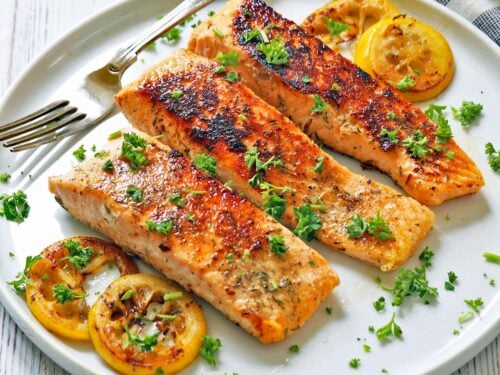
Why Choose Pan-Seared Salmon?
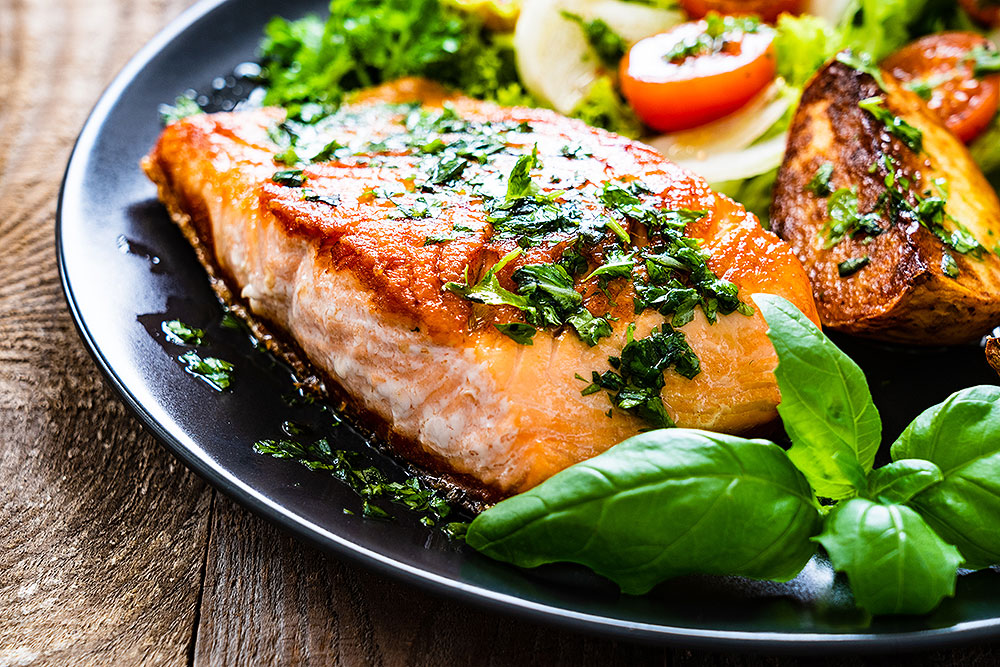
Pan-searing salmon is a technique that locks in moisture while creating a golden, crispy exterior. Unlike baking or grilling, which can sometimes dry out the fish, pan-searing uses high heat for a quick cook time, preserving the natural juices and flavors. This method originated from classic French cooking but has been adapted worldwide for its simplicity and speed.
What makes this recipe stand out? It’s ready in 15 minutes from start to finish, requires minimal ingredients, and results in salmon that’s crispy on the outside and tender on the inside. Plus, it’s versatile—pair it with a simple salad for a light lunch or hearty veggies for dinner. If you’re looking for more quick seafood ideas, check out our 10-Minute Garlic Shrimp Scampi on ForknFood.com.
The key to success lies in the quality of your salmon. Opt for wild-caught if possible for better flavor and sustainability. Organizations like the Marine Stewardship Council certify sustainable sources, ensuring your meal is eco-friendly. Now, let’s gather our ingredients.
Ingredients for Pan-Seared Salmon
This recipe serves 4 people and uses straightforward pantry staples. Here’s what you’ll need:
- 4 salmon fillets (about 6 ounces each, skin-on for that crispy texture)
- 2 tablespoons olive oil (or avocado oil for higher smoke point)
- 1 teaspoon sea salt
- 1/2 teaspoon freshly ground black pepper
- 1 lemon, zested and juiced (for brightness)
- 2 garlic cloves, minced (optional, for extra flavor)
- Fresh herbs like dill or parsley, chopped (for garnish)
- Optional: 1 teaspoon smoked paprika or chili flakes for a spicy kick
These quantities are flexible—adjust based on your taste. For instance, if you’re cooking for two, halve everything. Pro tip: Always pat the salmon dry with paper towels before seasoning to ensure the skin crisps up beautifully. If you’re out of fresh lemon, bottled juice works in a pinch, but fresh is best for that zesty punch.
Sourcing ingredients? Head to your local grocery store or online via Amazon Fresh for quick delivery. Now, onto the magic—the cooking process.
Step-by-Step Instructions
Preparing pan-seared salmon is as easy as 1-2-3. Follow these steps for foolproof results every time.
- Prep the Salmon: Start by removing the salmon from the fridge about 10 minutes before cooking to bring it to room temperature. This ensures even cooking. Pat the fillets dry with paper towels, then season both sides generously with salt and pepper. If using, rub in the minced garlic, lemon zest, and any spices.
- Heat the Pan: Place a large non-stick or cast-iron skillet over medium-high heat. Add the olive oil and let it shimmer—about 1-2 minutes. You want the pan hot enough that a drop of water sizzles on contact, but not smoking to avoid burning the oil.
- Sear the Skin Side: Lay the salmon fillets skin-side down in the pan. Press gently with a spatula for the first 30 seconds to ensure even contact. Cook for 4-5 minutes without moving them. You’ll see the edges turn opaque as it cooks.
- Flip and Finish: Carefully flip the fillets using a fish spatula. Cook for another 3-4 minutes on the flesh side until the internal temperature reaches 145°F (use a digital thermometer for accuracy). For medium-rare, aim for 125°F. Squeeze fresh lemon juice over the top in the last minute for a burst of acidity.
- Rest and Serve: Remove from the heat and let the salmon rest for 2 minutes. This allows the juices to redistribute. Garnish with chopped herbs and serve immediately.
Total time? Just 15 minutes, including prep! If the skin sticks, your pan wasn’t hot enough—next time, preheat longer. For visual learners, imagine the salmon transforming from raw pink to flaky perfection, with the skin crackling like bacon.
Tips for Achieving Crispy and Tender Salmon
Mastering the sear takes practice, but these tips will get you there faster:
- Skin-On is Key: The skin acts as a barrier, protecting the flesh from direct heat and creating that irresistible crunch. If using skinless, reduce cooking time by 1 minute per side.
- Don’t Overcrowd the Pan: Cook in batches if needed to maintain high heat. Overcrowding steams the fish instead of searing it.
- Oil Choice Matters: Olive oil adds flavor, but for higher heat, try ghee or clarified butter for a nutty taste.
- Avoid Overcooking: Salmon continues cooking off the heat, so err on the side of underdone. Dry salmon is a common mistake—better pink inside than tough.
- Flavor Boosts: Experiment with marinades like soy sauce and honey for an Asian twist, or Dijon mustard for a French flair. For more seasoning ideas, explore our Spice Blends Guide.
Common pitfalls? Using wet salmon or low heat. Always dry and hot for success. If you’re new to seafood, this recipe is forgiving and builds confidence.
Health Benefits of Salmon
Beyond taste, salmon is a superfood. Rich in omega-3s like EPA and DHA, it supports heart health by reducing inflammation and lowering triglycerides, as noted by the American Heart Association. A 6-ounce serving delivers about 25 grams of protein, making it ideal for muscle repair and satiety.
It’s also loaded with vitamins: B12 for energy, D for bone health, and selenium for antioxidant protection. For those watching calories, it’s low-carb and keto-friendly at around 200 calories per fillet. Compared to other proteins like chicken, salmon offers unique marine nutrients that boost brain function—studies from Harvard Health link it to reduced depression risk.
Sustainability-wise, choose Alaskan wild salmon over farmed to minimize environmental impact. Incorporating salmon weekly can enhance your diet without complexity. For more explore our internal link https://forknfood.com/ for more recipies.
Serving Suggestions and Pairings
Pan-seared salmon shines with complementary sides. For a balanced plate:
- Veggies: Steamed asparagus or broccoli drizzled with lemon butter. Try our Roasted Garlic Broccoli for a quick side.
- Grains: Quinoa or brown rice absorbs the juices beautifully. For low-carb, opt for cauliflower rice.
- Salads: A fresh arugula salad with cherry tomatoes, feta, and balsamic vinaigrette adds crunch.
- Sauces: Top with a simple yogurt-dill sauce or chimichurri for zing.
Wine pairing? A crisp Chardonnay or Pinot Grigio cuts through the richness. For non-alcoholic, sparkling water with lemon. This versatility makes it family-friendly—kids love the mild flavor when seasoned simply.
Variations to Keep It Exciting
Bored of the basics? Twist it up:
- Herb-Crusted: Coat in chopped herbs and breadcrumbs before searing for extra texture.
- Spicy Version: Add cayenne and serve with mango salsa for a tropical kick.
- Asian-Inspired: Marinate in soy, ginger, and sesame oil, then garnish with scallions.
- Mediterranean: Top with olives, feta, and tomatoes post-sear.
These variations keep meals fresh. For more fish twists, see our Baked Cod with Herbs.
Storage and Reheating Tips
Leftovers? Store in an airtight container in the fridge for up to 3 days. Reheat gently in a skillet over low heat to avoid drying—add a splash of water or oil. Avoid microwaving, as it toughens the texture. Freeze cooked salmon for up to 2 months; thaw overnight before reheating.
Frequently Asked Questions
How do I know when salmon is done? Look for flakiness with a fork and opaque flesh. Internal temp: 145°F.
Can I use frozen salmon? Yes, thaw fully first for even cooking.
Is skin edible? Absolutely—it’s nutritious and crispy!
What if I don’t have a non-stick pan? Use cast-iron, but oil it well.
For more FAQs, visit our Seafood Cooking Basics.
Conclusion: Make It Your Staple
This 15-minute pan-seared salmon recipe proves that healthy, delicious food doesn’t require hours in the kitchen. With its crispy exterior, tender interior, and endless customizations, it’s a winner for any occasion. At ForknFood.com, we encourage experimenting—share your versions in the comments!
Ready for more? Explore our Quick Dinner Recipes Collection or dive into Sustainable Seafood Guide. Happy cooking!
Expanded Frequently Asked Questions (FAQs)
Here are answers to the most common questions about pan-searing salmon, drawn from typical pitfalls and tips.
1. How do I prevent the salmon from sticking to the pan?
The biggest culprit is moisture or insufficient heat. Always pat the fillets very dry with paper towels before seasoning—this removes surface water that causes steaming instead of searing. Preheat your pan properly until the oil shimmers (but doesn’t smoke heavily). Start skin-side down, and don’t flip too early; let it release naturally once a crust forms (usually after 4-5 minutes). Using a stainless steel, cast iron, or carbon steel pan (well-preheated) helps more than non-stick for crispiness.
2. Should I cook salmon skin-on or skinless? Can I eat the skin?
Skin-on is ideal for pan-searing—it protects the flesh, crisps up beautifully, and adds flavor and healthy fats. Yes, the skin is edible and delicious when crispy! If you prefer skinless, reduce cooking time by 1 minute per side and sear flesh-first for a golden crust.
3. How do I know when the salmon is done without overcooking it?
Overcooking is the #1 mistake—it turns tender salmon dry and rubbery. Use an instant-read thermometer: aim for 125°F (medium-rare, still juicy) to 145°F (USDA safe, fully cooked but still moist). The flesh should flake easily with a fork but remain slightly translucent in the center. It will continue cooking off-heat, so pull it early. Avoid relying solely on time—thickness varies.
4. What’s the best oil or fat for pan-searing salmon?
Use a high-smoke-point oil like avocado oil, grapeseed, or refined olive oil to handle medium-high heat without burning. Butter adds great flavor but can burn—add it toward the end for basting if desired. Ghee or clarified butter is another excellent choice for nutty taste and high heat tolerance.
5. Why does white “goo” or albumin appear on my salmon?
This is harmless coagulated protein (albumin) that seeps out when salmon cooks too hot or too fast. It doesn’t affect taste but looks unappealing. Prevent it by starting at medium-high (not screaming hot), patting dry, and not overcrowding the pan. Medium-rare doneness minimizes it.
6. Can I use frozen salmon?
Yes, but thaw it fully in the fridge overnight for even cooking. Pat dry extra well after thawing, as frozen fish releases more moisture. Fresh or thawed wild-caught salmon yields the best texture and flavor.
7. What pan should I use—cast iron, stainless steel, or non-stick?
For the crispiest skin and best sear: stainless steel, carbon steel, or enameled cast iron. These conduct heat evenly and develop a great crust. Non-stick works for easy release but often gives less browning and isn’t ideal for very high heat (which can damage the coating). Avoid regular uncoated cast iron if you cook other foods, as it can absorb fishy flavors.
8. How do I flip the salmon without breaking it?
Use a thin, flexible fish spatula (also called a fish turner)—its slotted, offset design slides easily under the fillet without tearing the skin or flesh. Press gently when first placing in the pan, and flip only once the skin releases.
9. Can I make this ahead or store leftovers?
Best fresh, but leftovers keep in an airtight container in the fridge for 2-3 days. Reheat gently in a skillet over low heat with a splash of oil or water—avoid the microwave, which dries it out and makes it fishy-smelling.
10. Is pan-seared salmon healthy? Any substitutions?
Absolutely—it’s rich in omega-3s, protein, and vitamins. For lower fat, use less oil or air-fry/bake variations. Gluten-free and keto-friendly as is. Swap spices for variety (e.g., Cajun for spice or herbs for Mediterranean).
For more seafood tips, check our Seafood Cooking Basics on ForknFood.com.
Recommended Products for Perfect Pan-Seared Salmon
Investing in a few key tools makes this recipe foolproof. Here are top recommendations based on performance for searing fish:
- Fish Spatula (Essential for Flipping): A slotted, offset fish spatula is a game-changer—it slides under delicate fillets without breaking them and drains excess oil.
Recommended: Winco or Victorinox Fish Spatula (around $10-15)—sturdy, affordable, and highly rated for salmon.
Alternative: Wusthof Gourmet Offset Slotted Spatula for premium feel. - Pan/Skillet: Heavy-bottomed for even heat and great sear.
Top picks: - Cast iron or enameled (e.g., Lodge or Staub 10-12 inch) for superior heat retention and crisp skin.
- Stainless steel clad (e.g., All-Clad or Made In) for pro-level results without flavor absorption.
- Carbon steel for lightweight versatility.
Avoid basic non-stick for high-heat searing; opt for hybrid like HexClad if you want easy cleanup. - Instant-Read Thermometer: Prevents overcooking every time.
Recommended: ThermoPro or similar digital model—quick, accurate, and inexpensive. - High-Smoke-Point Oil: Avocado oil or grapeseed for the pan.
Stock up via Amazon for consistent quality. - Fish Fillet Knife (If Prepping Whole Fish): Flexible blade for clean cuts.
Recommended: Victorinox 8-Inch Flexible Fillet Knife—sharp, affordable, and trusted by pros.
These tools are widely available on Amazon or kitchen stores and last for years. Pair them with our recipe for consistent restaurant-quality results!
With these FAQs and product suggestions, you’re set to make flawless pan-seared salmon. Try it tonight and let us know how it turns out in the comments below. For more quick recipes, browse our Quick Dinner Recipes Collection at ForknFood.com.
Happy cooking!
I’ve drawn from recent expert tests, reviews, and real-world performance (as of 2025-2026) to highlight standout options in pans, oils, and additional supportive tools. These are popular among home cooks and pros for fish searing.
Top Pans for Searing Salmon
The right pan is crucial for high-heat searing without sticking or uneven cooking. Stainless steel, carbon steel, and cast iron excel for crispy skin, while some nonstick options work for easier release.
- All-Clad D3 or D5 Stainless Steel Skillet (10-12 inch): Frequently tops lists for even heating, quick response, and excellent browning. It delivers a pro-level sear on salmon skin while being durable and versatile. Great for induction if that’s your setup in Karachi.
Recommended link: Check current availability on Amazon or local kitchenware stores. - Made In Stainless Steel Frying Pan (12-inch): Praised for fast, even heat and beautiful crusts on proteins like salmon. It’s a “new classic” in many 2025-2026 reviews—lightweight yet sturdy, with a comfortable handle. Ideal if you want something high-performing without the All-Clad price tag.
Recommended link: Made In Cookware. - Lodge Cast Iron Skillet (10-12 inch) or Lodge Square Grill Pan: Cast iron retains heat superbly for deep, crispy sears and adds subtle grill marks if you opt for the ridged version. Pre-season it well for natural nonstick properties—perfect for salmon’s fat rendering. Affordable and long-lasting.
Recommended link: Widely available on Amazon. - Mauviel or Similar Carbon Steel Skillet: Lightweight alternative to cast iron with similar searing power. Pre-seasoned versions release salmon effortlessly once built up—many tests show it outperforming unseasoned options for fish.
Great for quick high-heat cooks without the weight.
For nonstick fans wanting easier cleanup (though less ideal for max crispiness), the All-Clad HA1 Hard Anodized Nonstick set performs well in recent tests for delicate proteins.
Best Oils for Pan-Searing Salmon
High smoke point oils prevent burning during the quick, hot sear.
- Avocado Oil: Top recommendation for its very high smoke point (around 520°F/270°C) and neutral flavor. It handles medium-high heat beautifully without smoking or imparting off-tastes—ideal for crispy salmon skin.
Stock up via local supermarkets or Amazon. - Grapeseed Oil or Canola Oil: Excellent high-smoke-point alternatives (grapeseed ~420°F/215°C). Neutral and widely available in Pakistan—great if avocado oil is pricier.
- Extra Virgin Olive Oil (for flavor-focused cooks): Adds a nice richness, but use a refined or light version for higher heat to avoid bitterness. Many recipes call for it in pan-seared salmon for that Mediterranean touch.
Additional Top Related Tools
- Fish Fillet Knife (e.g., Victorinox 8-Inch Flexible Fillet Knife): If you ever portion whole salmon or remove pin bones, a sharp, flexible blade is essential. It glides through fish without tearing—useful prep step for fresh catches.
Affordable and highly rated. - High-Quality Sheet Pan (for Oven-Finish Variations): Brands like Made In or Nordic Ware for even baking if you hybrid-cook (sear then finish in oven). Nonstick versions simplify cleanup.
These products pair perfectly with the recipe—invest in one or two based on your kitchen setup (e.g., stainless for versatility in Pakistani homes with gas/induction). They make the 15-minute cook even more reliable and enjoyable.
For more gear ideas or variations, check our Kitchen Essentials Guide on ForknFood.com. Which of these are you eyeing first? Share in the comments!
Leave a Reply