Lebanese cuisine is a vibrant tapestry of flavors, colors, and textures that reflects the country’s rich history and Mediterranean heritage. Nestled between the sea and mountains, Lebanon has long been a crossroads of cultures, influencing its food with elements from Ottoman, French, and Arab traditions. What sets authentic Lebanese cooking apart is its emphasis on fresh, seasonal ingredients, bold spices, and simple yet elegant preparations. Meals are often shared family-style, with an array of mezze (small dishes) that encourage communal dining and celebration.
From the zesty tang of sumac to the earthy nuttiness of tahini, Lebanese dishes burst with life-affirming tastes that are both healthy and indulgent. This cuisine prioritizes vegetables, legumes, grains, and herbs, with meat playing a supporting role in many recipes. It’s no wonder Lebanese food has gained global popularity—think hummus in supermarkets worldwide or falafel trucks on city streets. But to truly appreciate it, one must dive into the authentic versions, made with love and tradition.
In this article, we’ll explore the essential ingredients that form the backbone of Lebanese cooking, share step-by-step recipes for classic dishes, and offer practical tips to help you recreate these flavors at home. Whether you’re a novice cook or a seasoned foodie, these insights will transport you to the bustling souks of Beirut or the serene villages of the Bekaa Valley. For more on Mediterranean diets, check out https://forknfood.com/ our guide to healthy eating. And if you’re curious about similar cuisines, explore Middle Eastern recipes on ForknFood.
Essential Ingredients in Lebanese Cuisine
At the heart of Lebanese cooking are a handful of staple ingredients that provide depth, acidity, and aroma to every dish. These are often sourced fresh from local markets, emphasizing quality over quantity.
Olive Oil: Known as “liquid gold,” extra-virgin olive oil is ubiquitous in Lebanese kitchens. It’s used for drizzling over salads, sautéing vegetables, and even as a base for marinades. Lebanese olive oil, often from ancient groves, imparts a fruity, peppery flavor that’s irreplaceable. As one source notes, it’s the finishing touch that elevates simple dishes.
Lemon Juice: Freshly squeezed lemons add a bright, tangy acidity that’s essential for balancing richness. It’s a key component in dressings for tabbouleh and fattoush, and in marinades for meats like shish taouk. Pro tip: Always use fresh lemons—bottled versions lack the vibrant zest.
Garlic: This pungent bulb is a cornerstone, appearing in everything from toum (garlic sauce) to stuffed vegetables. Lebanese recipes often call for generous amounts, mashed or minced, to infuse dishes with savory depth. It’s said that the secret to authentic flavor lies in using lots of garlic and lemon.
Herbs like Parsley and Mint: Fresh parsley is the star of tabbouleh, providing a grassy, mildly bitter note. Mint adds a cooling freshness to salads and yogurts. These herbs are chopped finely and used liberally, often in bunches rather than sprigs.
Spices: Sumac, Za’atar, and Allspice: Sumac offers a sour, lemony tang and is sprinkled on meats, salads, and dips for color and flavor. Za’atar, a blend of wild thyme, sesame seeds, sumac, and salt, is mixed with olive oil for dipping bread or seasoning flatbreads. Allspice adds warmth to ground meats like kibbeh and stews.
Legumes and Grains: Chickpeas, Bulgur, and Lentils: Chickpeas form the base of hummus and falafel, while bulgur (cracked wheat) is crucial for kibbeh and tabbouleh. Lentils star in mujadara, a comforting rice-and-lentil dish. These provide protein and texture, making many Lebanese meals vegetarian-friendly.
Tahini: Made from ground sesame seeds, this creamy paste is the soul of baba ghanoush and hummus. It adds nuttiness and smoothness, often thinned with water and lemon for sauces.
Other Staples: Eggplants for smoky dips, pomegranate molasses for sweet-tart glazes, pine nuts for crunch in stuffings, and yogurt for labneh (strained yogurt cheese). These ingredients are versatile and healthy, aligning with the Mediterranean diet’s focus on whole foods.
Stocking your pantry with these essentials—available at Middle Eastern stores or online—will set you up for success. For sourcing tips, visit Maureen Abood’s guide, a treasure trove of authentic insights.
Popular Authentic Lebanese Recipes
Let’s dive into hands-on recipes. These are adapted from traditional methods, scaled for home cooks serving 4-6. We’ll cover a mezze, a salad, a main, and a dessert.
Hummus bi Tahini (Chickpea Dip)
Hummus is the ultimate mezze, creamy and garlicky. Ingredients: 1 can (15 oz) chickpeas (drained, reserve liquid), 1/4 cup tahini, 2 garlic cloves, juice of 1 lemon, 1 tsp cumin, salt to taste, olive oil and paprika for garnish.
Steps:
- Blend chickpeas, tahini, garlic, lemon juice, cumin, and salt in a food processor.
- Add reserved chickpea liquid gradually until smooth.
- Transfer to a bowl, drizzle with olive oil, and sprinkle paprika.
- Serve with pita bread.
This takes 10 minutes and pairs perfectly with other dips.
Tabbouleh (Parsley and Bulgur Salad)
A refreshing herb-packed salad. Ingredients: 1/2 cup fine bulgur, 4 bunches parsley (finely chopped), 1/2 bunch mint (chopped), 4 tomatoes (diced), 1 onion (finely chopped), juice of 2 lemons, 1/4 cup olive oil, salt and pepper.
Steps:
- Soak bulgur in hot water for 15 minutes, then drain.
- Mix parsley, mint, tomatoes, and onion in a bowl.
- Add bulgur, lemon juice, olive oil, salt, and pepper. Toss gently.
- Let sit for 30 minutes to meld flavors.
Authentic tabbouleh is parsley-dominant, not bulgur-heavy.
Kibbeh (Ground Meat and Bulgur Balls)
Kibbeh comes in many forms; here’s baked kibbeh nayyeh style. Ingredients: For shell – 1 lb ground lamb, 1 cup fine bulgur, 1 onion (grated), 1 tsp allspice, salt. For filling – 1/2 lb ground lamb, 1 onion (chopped), 1/4 cup pine nuts, 1 tsp cinnamon, olive oil.
Steps:
- Soak bulgur in water for 30 minutes, drain, mix with lamb, onion, allspice, and salt. Knead into dough.
- Sauté filling: Cook onion in oil, add lamb, pine nuts, cinnamon, and salt until browned.
- Layer half the dough in a greased pan, add filling, top with remaining dough.
- Score into diamonds, drizzle oil, bake at 375°F for 45 minutes.
Grilled versions are also popular.
Baklava (Layered Pastry Dessert)
Sweet and nutty. Ingredients: 1 package phyllo dough, 2 cups walnuts (chopped), 1 tsp cinnamon, 1 cup butter (melted), 1 cup sugar, 1 cup water, 1/2 cup honey, juice of 1/2 lemon.
Steps:
- Mix walnuts and cinnamon.
- Layer half phyllo in a pan, brushing each with butter. Add nut mixture, top with remaining phyllo, buttered.
- Cut into diamonds, bake at 350°F for 45 minutes.
- Boil sugar, water, honey, and lemon for syrup; pour over hot baklava.
Cool before serving. For variations, see Feel Good Foodie’s baklava recipe.
These recipes showcase the cuisine’s diversity—try them for a full mezze spread. For more, explore Mama’s Lebanese Kitchen.
Cooking Tips for Authentic Results
To master Lebanese cooking, focus on technique and freshness.
- Use Fresh Herbs and Veggies: Always chop parsley and mint just before using to retain vibrancy. Source organic produce for the best taste.
- Balance Flavors: Lebanese food thrives on contrast—acidic lemon against rich tahini, crunchy pine nuts in soft fillings. Taste as you go.
- Mezze Mindset: Start meals with small plates like hummus, baba ghanoush, and fattoush to build appetite. This promotes sharing and variety.
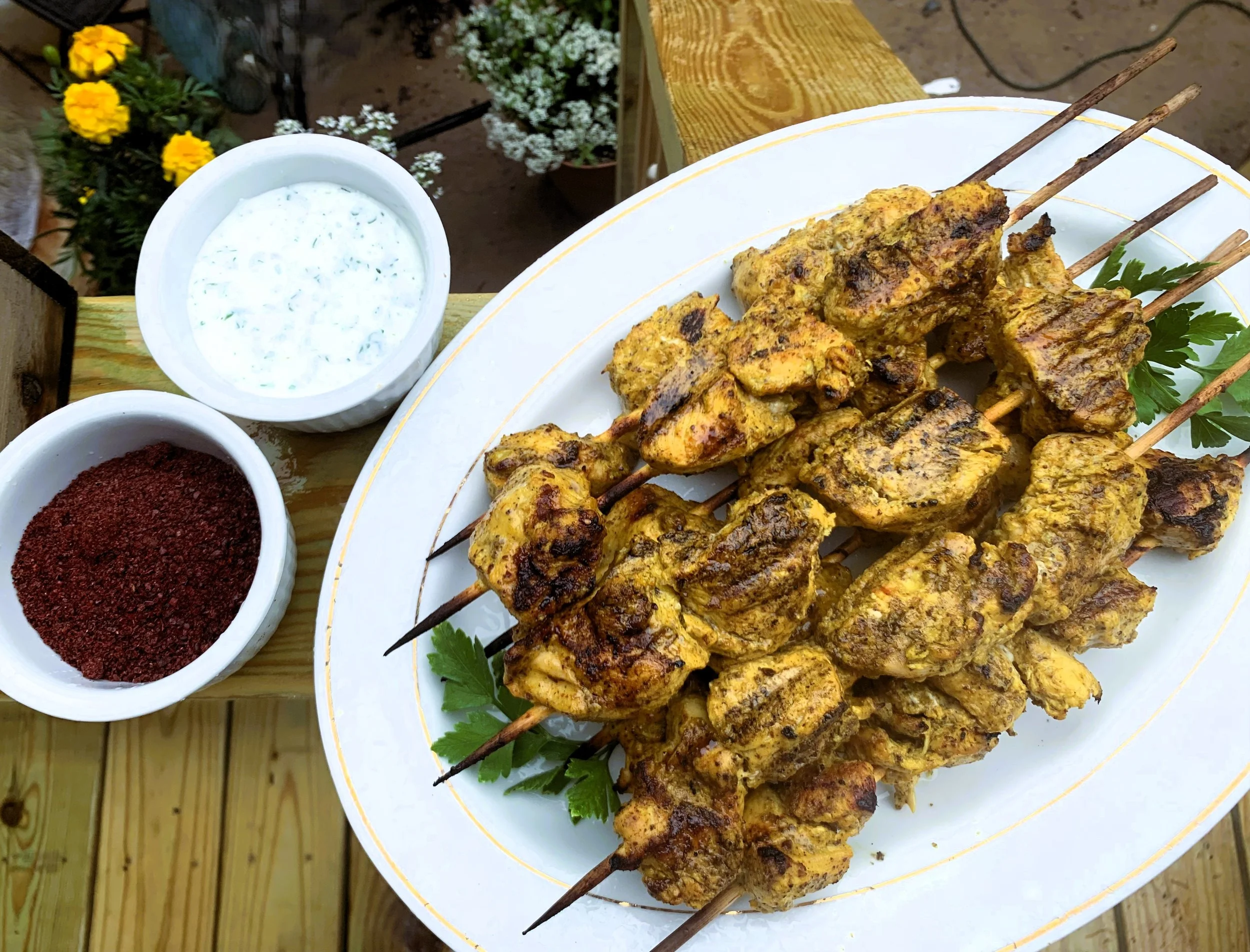
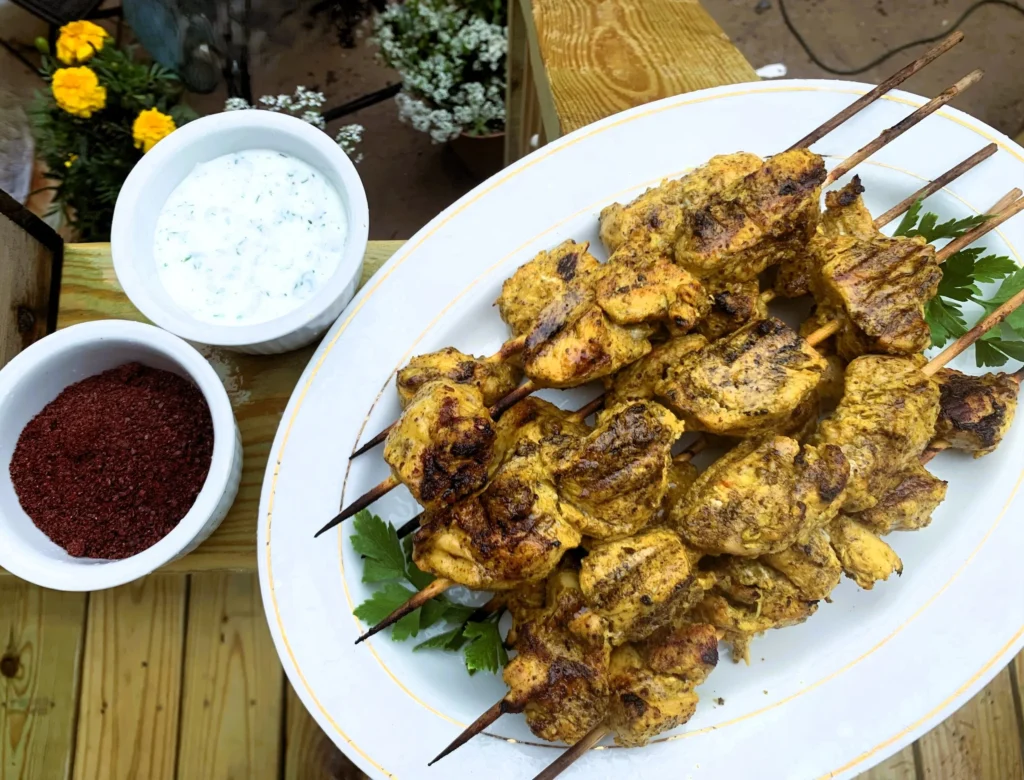
- Grilling and Baking: Opt for these over frying for healthier options. Marinate meats overnight in yogurt, garlic, and spices for tenderness, as in shish taouk.
- Pantry Prep: Soak dried chickpeas overnight for better texture in hummus. Make za’atar at home by blending dried thyme, sumac, sesame, and salt.
- Avoid Overcomplicating: Authentic dishes are simple; let ingredients shine. Use high-quality olive oil sparingly but effectively.
For advanced techniques, like rolling grape leaves, watch tutorials on Zaatar and Zaytoun. And don’t forget to pair with arak, Lebanon’s anise-flavored spirit.
Conclusion
Authentic Lebanese cuisine is more than food—it’s a cultural embrace of hospitality, health, and heritage. By incorporating these ingredients, recipes, and tips into your kitchen, you’ll create meals that delight the senses and bring people together. Experiment, share, and savor the flavors of Lebanon. For more global cuisines, visit ForknFood’s international section. Sahtein (bon appétit)!
Authentic Lebanese Cuisine: Recipes, Ingredients & Cooking Tips
Lebanese cuisine is a vibrant tapestry of flavors, colors, and textures that reflects the country’s rich history and Mediterranean heritage. Nestled between the sea and mountains, Lebanon has long been a crossroads of cultures, influencing its food with elements from Ottoman, French, and Arab traditions. What sets authentic Lebanese cooking apart is its emphasis on fresh, seasonal ingredients, bold spices, and simple yet elegant preparations. Meals are often shared family-style, with an array of mezze (small dishes) that encourage communal dining and celebration.
From the zesty tang of sumac to the earthy nuttiness of tahini, Lebanese dishes burst with life-affirming tastes that are both healthy and indulgent. This cuisine prioritizes vegetables, legumes, grains, and herbs, with meat playing a supporting role in many recipes. It’s no wonder Lebanese food has gained global popularity—think hummus in supermarkets worldwide or falafel trucks on city streets. But to truly appreciate it, one must dive into the authentic versions, made with love and tradition.
In this article, we’ll explore the essential ingredients that form the backbone of Lebanese cooking, share step-by-step recipes for classic dishes, and offer practical tips to help you recreate these flavors at home. Whether you’re a novice cook or a seasoned foodie, these insights will transport you to the bustling souks of Beirut or the serene villages of the Bekaa Valley. For more on Mediterranean diets, check out our guide to healthy eating. And if you’re curious about similar cuisines, explore Middle Eastern recipes on ForknFood.
Essential Ingredients in Lebanese Cuisine
At the heart of Lebanese cooking are a handful of staple ingredients that provide depth, acidity, and aroma to every dish. These are often sourced fresh from local markets, emphasizing quality over quantity.
Olive Oil: Known as “liquid gold,” extra-virgin olive oil is ubiquitous in Lebanese kitchens. It’s used for drizzling over salads, sautéing vegetables, and even as a base for marinades. Lebanese olive oil, often from ancient groves, imparts a fruity, peppery flavor that’s irreplaceable.
Lemon Juice: Freshly squeezed lemons add a bright, tangy acidity that’s essential for balancing richness. It’s a key component in dressings for tabbouleh and fattoush, and in marinades for meats like shish taouk. Pro tip: Always use fresh lemons—bottled versions lack the vibrant zest.
Garlic: This pungent bulb is a cornerstone, appearing in everything from toum (garlic sauce) to stuffed vegetables. Lebanese recipes often call for generous amounts, mashed or minced, to infuse dishes with savory depth.
Herbs like Parsley and Mint: Fresh parsley is the star of tabbouleh, providing a grassy, mildly bitter note. Mint adds a cooling freshness to salads and yogurts. These herbs are chopped finely and used liberally, often in bunches rather than sprigs.
Spices: Sumac, Za’atar, and Allspice: Sumac offers a sour, lemony tang and is sprinkled on meats, salads, and dips for color and flavor. Za’atar, a blend of wild thyme, sesame seeds, sumac, and salt, is mixed with olive oil for dipping bread or seasoning flatbreads. Allspice adds warmth to ground meats like kibbeh and stews.
Legumes and Grains: Chickpeas, Bulgur, and Lentils: Chickpeas form the base of hummus and falafel, while bulgur (cracked wheat) is crucial for kibbeh and tabbouleh. Lentils star in mujadara, a comforting rice-and-lentil dish. These provide protein and texture, making many Lebanese meals vegetarian-friendly.
Tahini: Made from ground sesame seeds, this creamy paste is the soul of baba ghanoush and hummus. It adds nuttiness and smoothness, often thinned with water and lemon for sauces.
Other Staples: Eggplants for smoky dips, pomegranate molasses for sweet-tart glazes, pine nuts for crunch in stuffings, and yogurt for labneh (strained yogurt cheese). These ingredients are versatile and healthy, aligning with the Mediterranean diet’s focus on whole foods.
Stocking your pantry with these essentials—available at Middle Eastern stores or online—will set you up for success. For sourcing tips, visit Maureen Abood’s guide, a treasure trove of authentic insights.
Popular Authentic Lebanese Recipes
Let’s dive into hands-on recipes. These are adapted from traditional methods, scaled for home cooks serving 4-6. We’ll cover a mezze, a salad, a main, and a dessert.
Hummus bi Tahini (Chickpea Dip)
Hummus is the ultimate mezze, creamy and garlicky. Ingredients: 1 can (15 oz) chickpeas (drained, reserve liquid), 1/4 cup tahini, 2 garlic cloves, juice of 1 lemon, 1 tsp cumin, salt to taste, olive oil and paprika for garnish.
Steps:
- Blend chickpeas, tahini, garlic, lemon juice, cumin, and salt in a food processor.
- Add reserved chickpea liquid gradually until smooth.
- Transfer to a bowl, drizzle with olive oil, and sprinkle paprika.
- Serve with pita bread.
This takes 10 minutes and pairs perfectly with other dips.
Tabbouleh (Parsley and Bulgur Salad)
A refreshing herb-packed salad. Ingredients: 1/2 cup fine bulgur, 4 bunches parsley (finely chopped), 1/2 bunch mint (chopped), 4 tomatoes (diced), 1 onion (finely chopped), juice of 2 lemons, 1/4 cup olive oil, salt and pepper.
Steps:
- Soak bulgur in hot water for 15 minutes, then drain.
- Mix parsley, mint, tomatoes, and onion in a bowl.
- Add bulgur, lemon juice, olive oil, salt, and pepper. Toss gently.
- Let sit for 30 minutes to meld flavors.
Authentic tabbouleh is parsley-dominant, not bulgur-heavy.
Kibbeh (Ground Meat and Bulgur Balls)
Kibbeh comes in many forms; here’s baked kibbeh. Ingredients: For shell – 1 lb ground lamb, 1 cup fine bulgur, 1 onion (grated), 1 tsp allspice, salt. For filling – 1/2 lb ground lamb, 1 onion (chopped), 1/4 cup pine nuts, 1 tsp cinnamon, olive oil.
Steps:
- Soak bulgur in water for 30 minutes, drain, mix with lamb, onion, allspice, and salt. Knead into dough.
- Sauté filling: Cook onion in oil, add lamb, pine nuts, cinnamon, and salt until browned.
- Layer half the dough in a greased pan, add filling, top with remaining dough.
- Score into diamonds, drizzle oil, bake at 375°F for 45 minutes.
Grilled versions are also popular.
Baklava (Layered Pastry Dessert)
Sweet and nutty. Ingredients: 1 package phyllo dough, 2 cups walnuts (chopped), 1 tsp cinnamon, 1 cup butter (melted), 1 cup sugar, 1 cup water, 1/2 cup honey, juice of 1/2 lemon.
Steps:
- Mix walnuts and cinnamon.
- Layer half phyllo in a pan, brushing each with butter. Add nut mixture, top with remaining phyllo, buttered.
- Cut into diamonds, bake at 350°F for 45 minutes.
- Boil sugar, water, honey, and lemon for syrup; pour over hot baklava.
Cool before serving. For variations, see Feel Good Foodie’s baklava recipe.
These recipes showcase the cuisine’s diversity—try them for a full mezze spread. For more, explore Mama’s Lebanese Kitchen.
Cooking Tips for Authentic Results
To master Lebanese cooking, focus on technique and freshness.
- Use Fresh Herbs and Veggies: Always chop parsley and mint just before using to retain vibrancy. Source organic produce for the best taste.
- Balance Flavors: Lebanese food thrives on contrast—acidic lemon against rich tahini, crunchy pine nuts in soft fillings. Taste as you go.
- Mezze Mindset: Start meals with small plates like hummus, baba ghanoush, and fattoush to build appetite. This promotes sharing and variety.
- Grilling and Baking: Opt for these over frying for healthier options. Marinate meats overnight in yogurt, garlic, and spices for tenderness, as in shish taouk.
- Pantry Prep: Soak dried chickpeas overnight for better texture in hummus. Make za’atar at home by blending dried thyme, sumac, sesame, and salt.
- Avoid Overcomplicating: Authentic dishes are simple; let ingredients shine. Use high-quality olive oil sparingly but effectively.
For advanced techniques, like rolling grape leaves, watch tutorials on Zaatar and Zaytoun. And don’t forget to pair with arak, Lebanon’s anise-flavored spirit.
Frequently Asked Questions (FAQs) About Authentic Lebanese Cuisine
Here are answers to some of the most common questions about Lebanese food:
Is Lebanese cuisine mostly meat-based?
No—while dishes like shawarma and kibbeh feature meat, many traditional recipes are vegetarian or vegan, relying on chickpeas, lentils, bulgur, parsley, olive oil, and lemon. It’s one of the healthiest Mediterranean styles, with heavy emphasis on fresh veggies and legumes.
What is mezze, and how is it served?
Mezze is a selection of small appetizer dishes served family-style, often including hummus, tabbouleh, fattoush, baba ghanoush, falafel, and stuffed grape leaves. It’s meant for sharing, encouraging conversation and multiple tastings before the main course.
Is hummus originally Lebanese?
Hummus is a Levantine dish shared across the Middle East (Lebanon, Syria, Palestine, etc.), but Lebanon is famous for its creamy, tahini-forward versions. Authentic Lebanese hummus uses high-quality tahini and plenty of garlic and lemon.
What’s the difference between fattoush and tabbouleh?
Tabbouleh is a parsley-heavy herb salad with fine bulgur, tomatoes, and mint. Fattoush is a crunchy salad with toasted or fried pita pieces, mixed greens, radishes, cucumbers, and a tangy sumac-lemon dressing.
Are Lebanese dishes spicy?
Generally mild—flavors come from fresh herbs, garlic, lemon, and spices like sumac or allspice rather than chili heat. Some variations add mild spice blends, but it’s not inherently “hot” like some South Asian cuisines.
Can I make authentic Lebanese food at home without special equipment?
Yes! Most dishes require basic tools like a food processor (for hummus), a knife for chopping herbs, and an oven or stovetop. Fresh ingredients and good olive oil make the biggest difference.
Recommended Products for Your Lebanese Pantry
To get started with authentic flavors, stock up on these high-quality staples (available online or at specialty stores):
- Extra Virgin Olive Oil — Look for Lebanese-sourced brands like those from Maureen Abood Market or Saifan for fruity, authentic taste.
- Tahini — Alkanater or Cortas brands offer smooth, nutty options perfect for hummus and sauces.
- Za’atar Blend — Salloum or Second House za’atar mixes provide the classic thyme-sumac-sesame combo.
- Sumac and Pomegranate Molasses — Essential for tang; try brands like Cortas for molasses.
- Bulgur and Chickpeas — Fine bulgur for tabbouleh and dried chickpeas for soaking (avoid canned for best texture).
- Baklava or Halva — Ready-to-eat treats from Hallab or Alkanater for dessert cravings.
- Spice Blends — Lebanese 7-spice (baharat) or allspice for kibbeh and stews.
Shop at trusted online sources like Maureen Abood Market, Lebanese Food Market, or Buy Lebanese for imported authenticity. Many ship worldwide!
Conclusion
Authentic Lebanese cuisine is more than food—it’s a cultural embrace of hospitality, health, and heritage. By incorporating these ingredients, recipes, tips, and products into your kitchen, you’ll create meals that delight the senses and bring people together. Experiment, share, and savor the flavors of Lebanon. For more global cuisines, visit ForknFood’s international section. Sahtein (bon appétit)!
Leave a Reply