The Haramain, referring to the two holy cities of Mecca and Medina in Saudi Arabia, welcome millions of pilgrims each year for the sacred Hajj pilgrimage. This profound spiritual journey, one of the Five Pillars of Islam, demands not only mental and emotional resilience but also physical endurance. Pilgrims often walk long distances, perform rituals in extreme heat, and navigate crowded environments, all of which can strain the body. Maintaining good health through proper nutrition is crucial to ensure a fulfilling experience without succumbing to fatigue, dehydration, or illness.
In this comprehensive guide, we’ll explore healthy food choices tailored for Hajj pilgrims. Drawing from expert recommendations and practical tips, we’ll cover nutritional challenges, essential foods, hydration strategies, safe eating practices, and sample meal plans. Whether you’re preparing for your first Hajj or seeking to optimize your health on return visits, these insights can help you stay energized and focused on your worship. For more on balanced eating, check out our healthy eating tips section on ForknFood.com.
Nutritional Challenges During Hajj
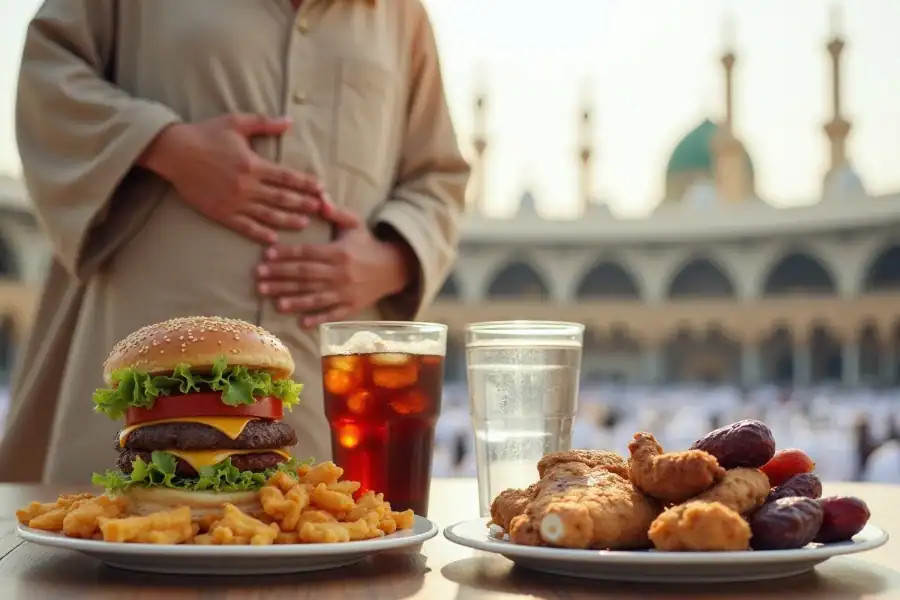
Hajj presents unique dietary hurdles. The intense Saudi heat, often exceeding 40°C (104°F), accelerates dehydration and electrolyte loss through sweat. Pilgrims may spend hours outdoors performing Tawaf (circumambulation of the Kaaba), Sa’i (walking between Safa and Marwa), or standing in prayer at Arafat. This physical exertion burns calories rapidly, requiring sustained energy sources.
Additionally, the shift from home routines disrupts eating patterns. Many pilgrims rely on hotel buffets, street vendors, or pre-packaged meals, which can be high in fats, sugars, and salts—contributing to digestive issues like bloating or constipation. Crowded conditions increase the risk of foodborne illnesses from contaminated or improperly stored food. According to health guidelines from the UAE Ministry of Health and Prevention, pilgrims should avoid uncovered foods and always check expiration dates to prevent such problems.
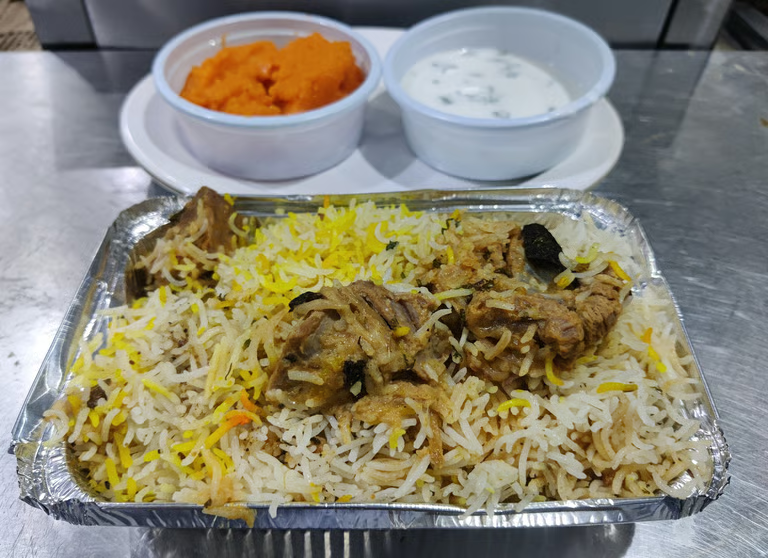
Cultural factors play a role too. Traditional Saudi foods like dates and laban (a yogurt drink) are staples, but overindulgence in rich dishes such as kabsa (spiced rice with meat) can lead to discomfort. Women pilgrims, in particular, may face additional challenges like managing nutrition during menstruation or pregnancy. The key is moderation and mindfulness: eat to fuel your body, not just to satisfy hunger.
Pre-Hajj preparation is vital. In the weeks leading up, gradually increase protein intake from lean sources like beans and nuts to build stamina. Incorporate vitamin-rich foods to boost immunity against common ailments like colds or gastrointestinal infections prevalent in large gatherings.
Essential Nutrients and Food Sources
A balanced diet during Hajj should prioritize proteins, carbohydrates, healthy fats, vitamins, and minerals. Proteins repair muscles strained from walking and standing; aim for 100 grams daily from sources like lean meats, eggs, fish, and milk. For vegetarians, lentils, chickpeas, and beans are excellent alternatives, easily found in Middle Eastern cuisine.
Complex carbohydrates provide long-lasting energy without blood sugar spikes. Opt for whole grains such as brown rice, oats, or whole-wheat bread over refined options. These are ideal for starting your day or as portable snacks. In Medina’s markets, you can find fresh whole-grain flatbreads that pair well with hummus for a quick, nutritious bite.
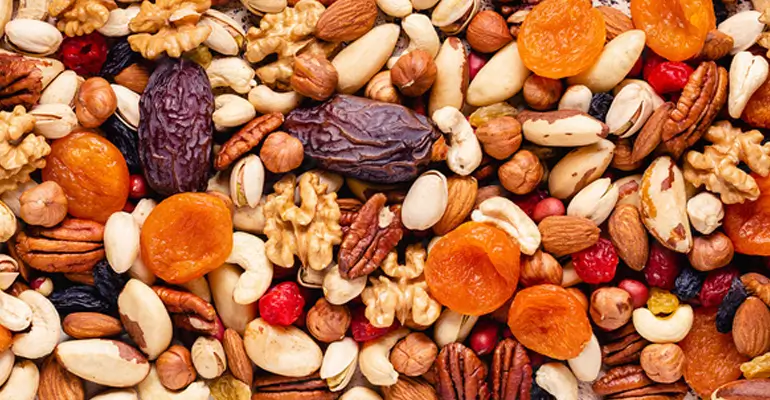
Healthy fats from nuts, seeds, olive oil, and avocados support brain function and sustained energy. Almonds and walnuts are portable and nutrient-dense, offering omega-3s to reduce inflammation from physical stress. Dates, a Haramain staple, are packed with natural sugars, fiber, potassium, and antioxidants—perfect for quick energy boosts. Pilgrims are advised to consume 5-7 dates daily, especially during long rituals.
Vitamins and minerals fortify immunity. Vitamin C from oranges, strawberries, bell peppers, and kiwis helps ward off infections. Include at least five servings of fruits and vegetables daily for fiber, which prevents constipation—a common issue due to altered routines and heat. Ginger and garlic, with anti-inflammatory properties, can be added to teas or meals for digestive support.
Don’t overlook dairy like yogurt or laban for probiotics that aid gut health. Honey, another local favorite, provides natural energy and minerals when mixed with unsalted nuts. For recipe ideas incorporating these, visit our Mediterranean-inspired dishes on ForknFood.com.
Hydration Strategies
Dehydration is a top health risk during Hajj, exacerbated by heat and physical activity. The Saudi Ministry of Health recommends drinking one cup of water every 15-20 minutes. Aim for at least 3-4 liters daily, more if you’re active or in direct sun.
Incorporate hydrating foods: watermelon, cucumbers, oranges, and apples are water-rich and refreshing. Avoid caffeinated beverages like coffee or tea, as they promote fluid loss. Instead, opt for herbal teas, fresh juices, or electrolyte-infused drinks to replenish sodium and potassium lost in sweat.
Carry a reusable water bottle and refill at zamzam water stations in the mosques—zamzam is naturally mineral-rich and spiritually significant. Monitor urine color; pale yellow indicates good hydration. For elderly pilgrims or those with conditions like diabetes, consult a doctor pre-trip for personalized hydration plans.
Safe Eating Practices
Food safety is paramount in crowded settings. Wash hands thoroughly before meals and use sanitizers. Avoid street food unless from reputable vendors; stick to hotel dining or pre-packaged items. The Accor Makkah-Madinah blog emphasizes choosing grains, nuts, and dried fruits common in Saudi cuisine for their safety and nutrition.
Steer clear of fatty, fried, or spicy foods that can cause acidity or bloating. Foods like radishes and onions may exacerbate digestive issues. Always wash fruits and vegetables; peel them if possible to reduce contamination risks.
Eat smaller, frequent meals to maintain energy without overwhelming your system. This approach helps regulate blood sugar and prevents fatigue. Pack non-perishable snacks like energy bars, nuts, or dried fruits for on-the-go nutrition. For more on food safety, refer to the World Health Organization’s traveler health guidelines. visit our internal link https://forknfood.com/ for more.
Sample Meal Plans
To make this practical, here’s a daily meal plan adaptable to Hajj schedules:
- Breakfast (Pre-Dawn or Early Morning): Oatmeal with dates, nuts, and a banana for sustained carbs and potassium. Add yogurt for protein.
- Mid-Morning Snack: A handful of almonds and an apple—easy to carry during Tawaf.
- Lunch: Grilled chicken with brown rice, mixed vegetables, and a side salad. Opt for lean proteins to avoid heaviness.
- Afternoon Snack: Fresh dates and laban to combat heat.
- Dinner: Lentil soup with whole-grain bread and steamed veggies. Light yet nourishing.
- Evening Hydration: Herbal tea with honey and ginger.
This plan totals around 2,000-2,500 calories, adjustable for activity levels. For vegetarian options, swap chicken for chickpeas. Explore our easy meal prep ideas for similar recipes.
Incorporate local flavors: Try rice with grilled chicken or lentil soup, common pilgrim favorites that provide energy. In Medina, sample fresh dates from local farms— they’re not just tasty but symbolically tied to Prophetic traditions.
Healthy Local Foods in Saudi Arabia
Saudi cuisine offers many healthy options. Dates are ubiquitous and nutrient-powerful. Laban provides cooling probiotics. Whole grains in dishes like harees (wheat porridge) offer fiber. Fresh produce markets in Mecca supply oranges and pomegranates for vitamin boosts.
For proteins, choose grilled fish or poultry over fried. Beans in ful medames (fava bean stew) are hearty and plant-based. Nuts like pistachios add crunch and healthy fats. These foods align with Islamic principles of moderation and wholesomeness.
Conclusion
Embarking on Hajj is a life-changing experience, and prioritizing healthy Haramain food choices ensures you can fully engage in its spiritual essence. By focusing on balanced nutrients, hydration, and safe practices, you’ll mitigate common health pitfalls and return home invigorated. Remember, nutrition is part of your worship—caring for your body honors the gift of health.
For personalized advice, consult healthcare professionals. Stay tuned to ForknFood.com for more travel-friendly recipes, like our nutrient-packed snack guides. Safe travels and Hajj Mabroor!
Here are some frequently asked questions (FAQs) related to healthy Haramain food choices for Hajj pilgrims, based on common concerns from health guidelines, pilgrim experiences, and expert recommendations. These build on the nutrition tips from our previous article on ForknFood.com. Following the FAQs, we’ve highlighted some practical products (snacks, supplements, and portable items) that can support healthy eating during the pilgrimage.
Hajj Healthy Eating FAQs
1. What are the best foods for staying hydrated during Hajj?
Water-rich fruits like watermelon, cucumbers, oranges, and apples are excellent choices—they help maintain hydration in the extreme heat. Electrolyte-rich options such as coconut water or laban (a yogurt-based drink) replenish salts lost through sweat. Always prioritize drinking plenty of water (aim for 3-4 liters daily or more during rituals) and include hydrating foods in meals. Avoid caffeinated drinks like excessive tea or coffee, as they can worsen dehydration.
2. How can I maintain energy during long rituals like Tawaf or standing at Arafat?
Focus on quick, sustained energy sources: Dates (5-7 per day) provide natural sugars, fiber, potassium, and antioxidants—ideal for an instant boost without crashes. Pair them with nuts (almonds, walnuts) or whole-grain snacks for longer-lasting fuel. Complex carbohydrates like brown rice, whole-wheat bread, or oats help prevent fatigue. Eat smaller, frequent meals rather than large ones to keep blood sugar stable and avoid heaviness during physical exertion.
3. What foods should I avoid to prevent digestive issues or bloating?
Steer clear of fatty, fried, or spicy foods, as they can cause indigestion, acidity, or bloating in the heat and crowded conditions. Foods like radishes, onions, and excessive sweets or soft drinks are common culprits. Limit high-salt items to avoid increased thirst. Opt for moderation—overloading the stomach can lead to discomfort and reduce your focus on worship.
4. Is street food safe during Hajj, and what precautions should I take?
Street food can be risky due to potential contamination in crowded areas. Avoid uncovered or improperly stored food. Stick to reputable vendors or hotel meals when possible. Always wash hands before eating, use sanitizers, wash fruits/vegetables thoroughly, and check expiration dates on packaged items. Saudi health authorities and WHO emphasize these hygiene steps to prevent foodborne illnesses like diarrhea.
5. What should pilgrims with special dietary needs (e.g., diabetes, hypertension) do?
Consult your doctor before travel for personalized advice. For diabetes, carry glucose sources like dates or sweets for low blood sugar episodes, and monitor intake to avoid spikes. For hypertension, reduce salty foods and stay hydrated. Many pilgrims pack portable snacks to control portions. Pre-Hajj preparation (e.g., building protein intake gradually) helps, and agencies sometimes offer special meals—check in advance.
6. How much water should I drink, and what if I can’t access it easily?
Drink regularly—even when not thirsty—as dehydration signs (dry mouth, fatigue, dizziness) appear late. Saudi guidelines suggest fluids every 15-20 minutes during outdoor rituals. Carry a reusable bottle and refill at zamzam stations (mineral-rich and blessed). Include electrolyte drinks or tablets if sweating heavily.
7. Are there any pre-Hajj nutrition tips to prepare my body?
Start 4-6 weeks ahead: Increase lean proteins (beans, eggs, nuts), incorporate vitamin-rich fruits/vegetables for immunity, and practice hydration. Build stamina with balanced meals to handle the physical demands. This reduces risks like fatigue or illness during the journey.
For more details, refer to official sources like the Saudi Ministry of Health Hajj Guidelines or our healthy travel recipes on ForknFood.com.
Recommended Products for Healthy Nutrition on Hajj
These portable, easy-to-pack items help maintain balanced eating without relying solely on local options. Many are lightweight and comply with travel rules (check Saudi customs for sealed/canned foods only).
- Dates (Ajwa or Medjool varieties): Symbolic, nutrient-dense, and widely available in Haramain—pack extras for quick energy.
- Mixed nuts and dried fruits: Almonds, walnuts, raisins—high in healthy fats, protein, and minerals. Portable trail mix sustains energy without refrigeration.
- Energy/protein bars: Choose low-sugar, whole-grain options (e.g., nut-based or oat bars) for on-the-go snacks during long walks.
- Electrolyte tablets or powders: Dissolve in water for hydration boosts—great for replacing salts lost in heat (brands like Nuun are popular among pilgrims).
- Granola bars or oatmeal packets: Instant energy; mix with zamzam water for a quick breakfast.
- Reusable collapsible water bottle: Essential for constant hydration—pair with electrolyte add-ins.
- Vitamin C supplements or multivitamins: Boost immunity against infections in crowds (consult a doctor first).
- Dried fruits (apricots, figs): Natural, fiber-rich alternatives to fresh produce when availability is limited.
These items are commonly recommended in pilgrim packing lists and available online or in local stores. For recipe inspiration using similar ingredients, check our portable snack ideas on ForknFood.com.
Prioritizing these choices and habits will help you stay energized, healthy, and spiritually focused. Hajj Mabroor—may your pilgrimage be accepted! If you have more questions, feel free to ask.
Here are some top recommended products specifically geared toward healthy nutrition, hydration, and sustained energy for Hajj pilgrims in the Haramain. These build on our earlier discussions about portable, non-perishable items that align with the physical demands of rituals, extreme heat, and crowded conditions. Many are lightweight, easy to pack, and frequently mentioned in recent pilgrim packing guides (updated for 2025–2026 seasons).
These products focus on quick energy from natural sources, electrolyte replenishment to combat dehydration, and nutrient boosts for immunity and stamina. They’re widely available online (e.g., Amazon, local pharmacies, or travel stores) or in supermarkets in Mecca/Medina. Always check Saudi customs rules for sealed, packaged items and consult a doctor if you have health conditions.
Top Products for Healthy Haramain Nutrition & Energy
- Ajwa or Medjool Dates
The ultimate Hajj staple—symbolic, Sunnah-recommended, and packed with natural sugars, potassium, fiber, and antioxidants for instant yet sustained energy. Pilgrims often aim for 5–7 daily. Pack sealed packs to avoid spoilage in heat. Widely available locally in Haramain markets, but bring extras for reliability. - Mixed Nuts & Trail Mix (Almonds, Walnuts, Pistachios, Unsalted)
High in healthy fats, protein, and minerals to fight inflammation and provide long-lasting fuel during long walks like Sa’i or Arafat. Opt for unsalted varieties to avoid excess sodium. Combine with dried fruits (e.g., raisins, apricots) for a balanced, portable snack. - Protein or Energy Bars (Low-Sugar, Whole-Grain Options)
Brands like Clif Bars, RXBAR, or generic nut-based bars offer quick protein and carbs without heavy processing. Choose non-chocolate ones to prevent melting in Saudi heat. Great for mid-ritual boosts when meals are delayed. - Electrolyte Tablets or Powders (e.g., Nuun Sport Tablets, Liquid I.V. Hydration Multiplier, or DripDrop)
Dissolve in water to replace sodium, potassium, and other electrolytes lost through heavy sweating. Nuun is popular among pilgrims for its fizz and vitamin add-ons (some include Vitamin C for immunity). Take 2–3 per day during intense rituals—highly recommended in packing lists for preventing heat exhaustion. - Granola Bars or Oatmeal Packets (Non-Chocolate, High-Fiber)
Simple, sustaining carbs for breakfast or snacks. Instant oatmeal mixes well with zamzam water for a quick, nourishing meal. Look for varieties with nuts/seeds for added protein. - Dried Fruits (Apricots, Figs, Raisins)
Natural, fiber-rich alternatives to fresh produce—hydrating and energy-boosting without refrigeration. Easy to portion into small bags for on-the-go eating. - Honey Packets or Small Jars (Pure, Raw Honey)
A natural energy source with minerals and antibacterial properties. Mix with nuts or add to herbal tea for a quick immunity and energy lift. Symbolic and wholesome. - Multivitamin or Vitamin C Supplements
Boost overall immunity in crowded settings prone to colds/infections. Many pilgrims pack these alongside electrolytes for comprehensive support. - Collapsible Reusable Water Bottle (with Optional Hydration Pack)
Not food, but essential—pair it with electrolyte add-ins. Fill at zamzam stations for mineral-rich hydration on demand. - Clif Shot Bloks or Similar Energy Chews
Portable marathon-style chews for fast-absorbing carbs (some with caffeine for extra alertness). Useful during extended standing or walking.
Quick Tips for Using These Products
- Pack in small, resealable bags to stay organized and comply with carry-on rules.
- Prioritize non-perishable, heat-resistant items—no chocolate or anything that melts.
- Combine for balanced intake: Dates + nuts for morning energy, electrolyte water throughout the day, and a protein bar post-ritual.
- For more recipe ideas using these (e.g., homemade trail mix with dates and nuts), check our portable snack ideas on ForknFood.com.
These top picks help pilgrims stay fueled, hydrated, and focused on ibadah without digestive issues or fatigue. Many are affordable and versatile—stock up before departure for peace of mind. If you’re preparing for Hajj soon, let us know your specific needs (e.g., vegetarian options) for more tailored suggestions. Hajj Mabroor!
Leave a Reply