In the heart of Southern American cuisine lies a dish that embodies warmth, simplicity, and indulgence: mashed potatoes and gravy. This beloved side dish, often gracing tables at family gatherings, holidays, and everyday meals, combines creamy, fluffy potatoes with a rich, savory gravy that elevates it to soul-satisfying heights. Whether served alongside fried chicken, roast turkey, or a hearty meatloaf, Southern-style mashed potatoes and gravy represent the essence of comfort food—affordable, versatile, and deeply rooted in tradition. On ForknFood.com, we’re all about celebrating dishes that bring people together, and this one is no exception. If you’re craving more Southern staples, check out our https://forknfood.com/ recipe for Southern Fried Chicken or Buttermilk Biscuits.
But what makes this dish distinctly “Southern”? It’s the emphasis on richness and flavor, often achieved through generous amounts of butter, cream, and sometimes unexpected ingredients like cream cheese or sour cream. The gravy, too, draws from Southern ingenuity, transforming simple pan drippings or broth into a velvety sauce that’s poured liberally over the potatoes. In this 1500-word article, we’ll explore the history, ingredients, a step-by-step recipe, tips for perfection, variations, pairings, and why this dish continues to hold a special place in kitchens across the globe.
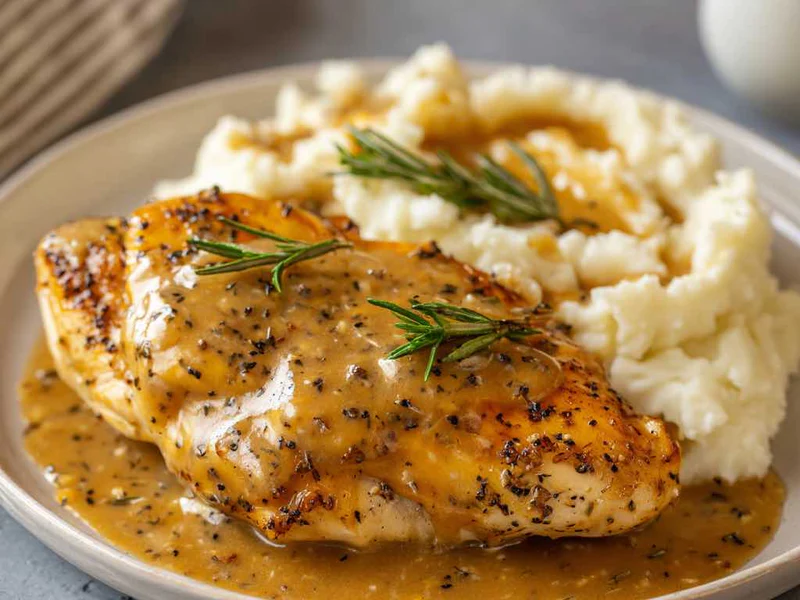
The Rich History of Mashed Potatoes and Gravy in Southern Cuisine
The story of mashed potatoes begins far from the American South, in the Andes Mountains of South America, where potatoes were first cultivated around 10,000 years ago by indigenous peoples. The potato (Solanum tuberosum) made its way to Europe in the 16th century via Spanish explorers, but it wasn’t until the 18th century that mashed potatoes as we know them emerged. The earliest recorded recipe appears in Hannah Glasse’s 1747 cookbook, The Art of Cookery, where she instructs cooks to boil potatoes, mash them with milk, butter, and salt. This simple preparation quickly spread to the American colonies.
In the United States, potatoes became a staple in the 18th century, particularly after European immigrants introduced them to North America. They were hardy, nutritious, and easy to grow, making them ideal for the harsh conditions faced by settlers. In the South, mashed potatoes evolved into a richer dish, incorporating local dairy products like buttermilk or heavy cream for added creaminess. Regional adaptations included flavors from Southern cooking, such as garlic, onions, or even bacon drippings, reflecting the area’s agricultural abundance and culinary creativity.
Gravy, on the other hand, has its own storied past in Southern cuisine. Often considered a “food group” in its own right, gravy traces back to early American settlers who crossed the Cumberland Gap into regions like southern Indiana and Appalachia. In the 1880s, lumber workers in southern Appalachia invented “sawmill gravy,” a simple mixture of pork, milk, and flour—cheap ingredients that provided sustenance for laborers. This evolved into variations like country gravy, bacon gravy, and red-eye gravy (made with coffee and ham drippings), which became staples in Black Southern families and beyond. Gravy’s role extended to breakfast, lunch, and dinner, often poured over biscuits or mashed potatoes to stretch meals during tough times.
The pairing of mashed potatoes and gravy gained prominence in the 19th century, influenced by figures like Sarah Josepha Hale, who campaigned for Thanksgiving as a national holiday. In her magazine Godey’s Lady’s Book, she featured recipes that included mashed potatoes, helping cement the dish in American holiday traditions. By the 20th century, mashed potatoes and gravy had become synonymous with Southern comfort food, appearing in diners, home kitchens, and even fast-food chains like KFC, where it’s a menu staple. Today, this dish symbolizes resilience and hospitality, a testament to how humble ingredients can create something extraordinary.
Essential Ingredients for Authentic Southern-Style Mashed Potatoes and Gravy
To capture the true essence of Southern-style mashed potatoes and gravy, start with high-quality, straightforward ingredients. For the potatoes, Russet or Yukon Gold varieties are ideal due to their starchy texture, which yields fluffy results. You’ll need about 3-5 pounds of potatoes for a family-sized batch. Butter is non-negotiable—use at least a stick (8 tablespoons) for that rich, melt-in-your-mouth quality. Dairy elements like heavy cream, half-and-half, or milk add creaminess; some Southern recipes incorporate cream cheese or sour cream for extra tang and smoothness.
Seasonings keep it simple: salt, black pepper, and perhaps garlic powder or fresh garlic for depth. For an unconventional twist, some families add mayonnaise, which imparts a velvety texture without overpowering the flavor.
The gravy requires even fewer components: butter or oil, flour for thickening, broth (chicken or beef for savoriness), and seasonings like garlic salt, pepper, and sage. For a heartier version, include ground sausage or bacon bits, turning it into a country-style gravy. Fresh herbs like parsley or chives make excellent garnishes.
These ingredients highlight Southern cooking’s philosophy: use what’s available, make it flavorful, and don’t skimp on the butter!
Step-by-Step Recipe: Making Southern-Style Mashed Potatoes and Gravy at Home
Ready to recreate this classic? This recipe serves 6-8 and takes about 45 minutes. It’s straightforward but yields restaurant-quality results.
Ingredients for Mashed Potatoes:
- 4 pounds Russet or Yukon Gold potatoes, peeled and cubed
- 1 stick (8 tablespoons) unsalted butter, softened
- 1 cup heavy cream or half-and-half, warmed
- 1/2 cup sour cream or cream cheese (optional for extra creaminess)
- Salt and black pepper to taste
- 2 cloves garlic, minced (optional)
Ingredients for Gravy:
- 2 tablespoons butter
- 2 tablespoons all-purpose flour
- 2 cups chicken or beef broth
- 1/2 cup heavy cream
- 1 teaspoon garlic powder
- Salt, pepper, and a pinch of sage to taste
Instructions:
- Prepare the Potatoes: Place the cubed potatoes in a large pot and cover with cold water. Add 2 teaspoons of salt. Bring to a boil over high heat, then reduce to a simmer and cook for 15-20 minutes until fork-tender. Avoid overcooking to prevent gumminess.
- Drain and Mash: Drain the potatoes well and return them to the pot over low heat to evaporate excess moisture. Add the butter, warmed cream, and sour cream (if using). Mash with a potato masher or ricer for a smooth texture—avoid using a food processor, as it can make them gluey. Season with salt, pepper, and garlic. Adjust cream for desired consistency.
- Make the Gravy: In a saucepan, melt the butter over medium heat. Whisk in the flour to form a roux, cooking for 1-2 minutes until golden. Gradually add the broth, whisking constantly to avoid lumps. Stir in the cream, garlic powder, salt, pepper, and sage. Simmer for 5-7 minutes until thickened. For a meaty gravy, brown 1/2 pound of ground sausage first and incorporate the drippings.
- Serve: Spoon the mashed potatoes into a bowl, create a well in the center, and pour the hot gravy over top. Garnish with chopped parsley or chives.
This recipe is forgiving—experiment with amounts to suit your taste. For more detailed variations, visit Southern Living’s mashed potatoes guide.
Tips for Perfect Southern-Style Mashed Potatoes and Gravy
Achieving that ideal fluffy-yet-creamy texture requires a few tricks:
- Choose the Right Potatoes: Russets for fluffiness, Yukons for buttery flavor. A mix works best.
- Salt the Water: Cooking in salted water seasons the potatoes from within.
- Warm Your Dairy: Adding cold milk or cream can make the mash gummy; warm it first.
- Don’t Over-Mash: Use a masher or ricer for light, airy results.
- For Gravy: If it lumps, strain it. For thicker gravy, add more roux; for thinner, more broth.
- Make Ahead: Prepare potatoes up to a day in advance and reheat with extra cream. Gravy reheats well too.
Common pitfalls include starting with hot water (which cooks unevenly) or skimping on fat—Southern style demands generosity!
Variations to Spice Up Your Dish
Southern mashed potatoes and gravy lend themselves to endless tweaks:
- Loaded Version: Stir in cheddar cheese, bacon bits, and green onions for a baked potato-inspired twist.
- Garlic-Infused: Roast garlic cloves and mash them in for a pungent kick.
- Vegan Adaptation: Use plant-based butter, almond milk, and vegetable broth.
- Cajun Gravy: Add Cajun seasoning, bell peppers, and sausage for a Louisiana flair, similar to Popeyes’ style.
- Sweet Potato Swap: For a healthier spin, use sweet potatoes with cinnamon in the gravy.
These variations keep the dish fresh while honoring its roots. Try pairing with our Cajun Shrimp Boil for a fusion meal.
Perfect Pairings and Serving Suggestions
Mashed potatoes and gravy shine as a side but can anchor a meal. Pair with:
- Proteins: Fried chicken, pork chops, or meatloaf— the gravy complements savory meats beautifully.
- Veggies: Green beans, collard greens, or corn on the cob for balance.
- Breads: Buttermilk biscuits to sop up extra gravy.
For holidays like Thanksgiving, it’s a must-have alongside turkey. In everyday dining, it elevates simple suppers. Nutritionally, potatoes provide potassium and fiber, while the gravy adds protein if meat-based—though moderation is key due to the richness.
Conclusion: Why Southern-Style Mashed Potatoes and Gravy Endure
In a world of trendy superfoods and fusion cuisines, Southern-style mashed potatoes and gravy remain a beacon of uncomplicated joy. Born from necessity and elevated through generations of home cooks, this dish reminds us that great food comes from love and simple ingredients. Whether you’re in Karachi reminiscing about global flavors or in the American South upholding family traditions, it’s a recipe worth mastering.
The Rich History of Mashed Potatoes and Gravy in Southern Cuisine
The story of mashed potatoes begins far from the American South, in the Andes Mountains of South America, where potatoes were first cultivated around 10,000 years ago by indigenous peoples. The potato made its way to Europe in the 16th century via Spanish explorers, but it wasn’t until the 18th century that mashed potatoes as we know them emerged. The earliest recorded recipe appears in Hannah Glasse’s 1747 cookbook, The Art of Cookery, where she instructs cooks to boil potatoes, mash them with milk, butter, and salt. This simple preparation quickly spread to the American colonies.
In the United States, potatoes became a staple in the 18th century, particularly after European immigrants introduced them to North America. They were hardy, nutritious, and easy to grow, making them ideal for the harsh conditions faced by settlers. In the South, mashed potatoes evolved into a richer dish, incorporating local dairy products like buttermilk or heavy cream for added creaminess. Regional adaptations included flavors from Southern cooking, such as garlic, onions, or even bacon drippings, reflecting the area’s agricultural abundance and culinary creativity.
Gravy has its own storied past in Southern cuisine. Often considered a “food group” in its own right, gravy traces back to early American settlers who crossed the Cumberland Gap into regions like southern Indiana and Appalachia. In the 1880s, lumber workers in southern Appalachia invented “sawmill gravy,” a simple mixture of pork, milk, and flour—cheap ingredients that provided sustenance for laborers. This evolved into variations like country gravy, bacon gravy, and red-eye gravy (made with coffee and ham drippings), which became staples in Black Southern families and beyond. Gravy’s role extended to breakfast, lunch, and dinner, often poured over biscuits or mashed potatoes to stretch meals during tough times.
The pairing of mashed potatoes and gravy gained prominence in the 19th century, influenced by figures like Sarah Josepha Hale, who campaigned for Thanksgiving as a national holiday. In her magazine Godey’s Lady’s Book, she featured recipes that included mashed potatoes, helping cement the dish in American holiday traditions. By the 20th century, mashed potatoes and gravy had become synonymous with Southern comfort food, appearing in diners, home kitchens, and even fast-food chains like KFC, where it’s a menu staple. Today, this dish symbolizes resilience and hospitality, a testament to how humble ingredients can create something extraordinary.
Essential Ingredients for Authentic Southern-Style Mashed Potatoes and Gravy
To capture the true essence of Southern-style mashed potatoes and gravy, start with high-quality, straightforward ingredients. For the potatoes, Russet or Yukon Gold varieties are ideal due to their starchy texture, which yields fluffy results. You’ll need about 3-5 pounds of potatoes for a family-sized batch. Butter is non-negotiable—use at least a stick (8 tablespoons) for that rich, melt-in-your-mouth quality. Dairy elements like heavy cream, half-and-half, or milk add creaminess; some Southern recipes incorporate cream cheese or sour cream for extra tang and smoothness.
Seasonings keep it simple: salt, black pepper, and perhaps garlic powder or fresh garlic for depth. For an unconventional twist, some families add mayonnaise, which imparts a velvety texture without overpowering the flavor.
The gravy requires even fewer components: butter or oil, flour for thickening, broth (chicken or beef for savoriness), and seasonings like garlic salt, pepper, and sage. For a heartier version, include ground sausage or bacon bits, turning it into a country-style gravy. Fresh herbs like parsley or chives make excellent garnishes.
These ingredients highlight Southern cooking’s philosophy: use what’s available, make it flavorful, and don’t skimp on the butter!
Step-by-Step Recipe: Making Southern-Style Mashed Potatoes and Gravy at Home
Ready to recreate this classic? This recipe serves 6-8 and takes about 45 minutes. It’s straightforward but yields restaurant-quality results.
Ingredients for Mashed Potatoes:
- 4 pounds Russet or Yukon Gold potatoes, peeled and cubed
- 1 stick (8 tablespoons) unsalted butter, softened
- 1 cup heavy cream or half-and-half, warmed
- 1/2 cup sour cream or cream cheese (optional for extra creaminess)
- Salt and black pepper to taste
- 2 cloves garlic, minced (optional)
Ingredients for Gravy:
- 2 tablespoons butter
- 2 tablespoons all-purpose flour
- 2 cups chicken or beef broth
- 1/2 cup heavy cream
- 1 teaspoon garlic powder
- Salt, pepper, and a pinch of sage to taste
Instructions:
- Prepare the Potatoes: Place the cubed potatoes in a large pot and cover with cold water. Add 2 teaspoons of salt. Bring to a boil over high heat, then reduce to a simmer and cook for 15-20 minutes until fork-tender. Avoid overcooking to prevent gumminess.
- Drain and Mash: Drain the potatoes well and return them to the pot over low heat to evaporate excess moisture. Add the butter, warmed cream, and sour cream (if using). Mash with a potato masher or ricer for a smooth texture—avoid using a food processor, as it can make them gluey. Season with salt, pepper, and garlic. Adjust cream for desired consistency.
- Make the Gravy: In a saucepan, melt the butter over medium heat. Whisk in the flour to form a roux, cooking for 1-2 minutes until golden. Gradually add the broth, whisking constantly to avoid lumps. Stir in the cream, garlic powder, salt, pepper, and sage. Simmer for 5-7 minutes until thickened. For a meaty gravy, brown 1/2 pound of ground sausage first and incorporate the drippings.
- Serve: Spoon the mashed potatoes into a bowl, create a well in the center, and pour the hot gravy over top. Garnish with chopped parsley or chives.
This recipe is forgiving—experiment with amounts to suit your taste. For more detailed variations, visit Southern Living’s mashed potatoes guide.
Tips for Perfect Southern-Style Mashed Potatoes and Gravy
Achieving that ideal fluffy-yet-creamy texture requires a few tricks:
- Choose the Right Potatoes: Russets for fluffiness, Yukons for buttery flavor. A mix works best.
- Salt the Water: Cooking in salted water seasons the potatoes from within.
- Warm Your Dairy: Adding cold milk or cream can make the mash gummy; warm it first.
- Don’t Over-Mash: Use a masher or ricer for light, airy results.
- For Gravy: If it lumps, strain it. For thicker gravy, add more roux; for thinner, more broth.
- Make Ahead: Prepare potatoes up to a day in advance and reheat with extra cream. Gravy reheats well too.
Common pitfalls include starting with hot water (which cooks unevenly) or skimping on fat—Southern style demands generosity!
Variations to Spice Up Your Dish
Southern mashed potatoes and gravy lend themselves to endless tweaks:
- Loaded Version: Stir in cheddar cheese, bacon bits, and green onions for a baked potato-inspired twist.
- Garlic-Infused: Roast garlic cloves and mash them in for a pungent kick.
- Vegan Adaptation: Use plant-based butter, almond milk, and vegetable broth.
- Cajun Gravy: Add Cajun seasoning, bell peppers, and sausage for a Louisiana flair, similar to Popeyes’ style.
These variations keep the dish fresh while honoring its roots. Try pairing with our Cajun Shrimp Boil for a fusion meal.
Perfect Pairings and Serving Suggestions
Mashed potatoes and gravy shine as a side but can anchor a meal. Pair with:
- Proteins: Fried chicken, pork chops, or meatloaf—the gravy complements savory meats beautifully.
- Veggies: Green beans, collard greens, or corn on the cob for balance.
- Breads: Buttermilk biscuits to sop up extra gravy.
For holidays like Thanksgiving, it’s a must-have alongside turkey. In everyday dining, it elevates simple suppers. Nutritionally, potatoes provide potassium and fiber, while the gravy adds protein if meat-based—though moderation is key due to the richness.
Frequently Asked Questions (FAQs)
Here are answers to some of the most common questions home cooks ask about Southern-style mashed potatoes and gravy:
1. What potatoes are best for mashed potatoes, and which should I avoid?
Russet or Yukon Gold potatoes are ideal for fluffy, creamy results due to their high starch content. Avoid waxy varieties like red potatoes or fingerlings, as they can turn gummy or stay too firm.
2. Why do my mashed potatoes turn out gluey or sticky?
Overworking the potatoes releases too much starch, creating a gluey texture. Use a potato masher or ricer gently, and never a food processor or blender. Also, avoid overcooking the potatoes.
3. How do I keep mashed potatoes warm without them drying out?
Transfer to a slow cooker on low, or cover tightly and place in a warm oven (around 200°F/93°C). Add extra butter or cream when reheating.
4. What’s the secret to lump-free gravy?
Start with a proper roux (equal parts fat and flour cooked until golden), then gradually whisk in warm broth to prevent lumps. If lumps form, strain the gravy or use an immersion blender.
5. Can I make this ahead of time?
Yes! Mash the potatoes up to a day ahead and reheat with extra warm cream. Gravy can be made ahead and reheated gently on the stove, adding a splash of broth if it thickens too much.
6. How do I fix gravy that’s too thick or too thin?
For too thick: Thin with warm broth or water (not too much to avoid diluting flavor). For too thin: Make a small slurry of flour and water, whisk it in, and simmer until thickened.
7. Is it okay to use milk instead of heavy cream?
Yes, but heavy cream or half-and-half gives the richest Southern-style texture. Milk works for a lighter version—just warm it first.
8. Why start potatoes in cold water?
Cold water ensures even cooking from the inside out. Hot water can make the outsides mushy while the insides stay firm.
Recommended Products for Making Southern-Style Mashed Potatoes and Gravy
Investing in the right tools can make all the difference for perfect results. Here are some top recommendations based on expert tests and reviews:
- Potato Ricer — The gold standard for ultra-fluffy, lump-free mashed potatoes. It presses potatoes through fine holes without overworking them.
Try the OXO Good Grips or similar stainless steel models (around $30–$40 on Amazon or kitchen stores). - Stainless Steel Potato Masher — Great for rustic texture or if you prefer chunks. Look for ergonomic handles like Zyliss or All-Clad models (around $15–$30).
- Gravy Boat or Whisk — A classic gravy boat for serving (ceramic or stainless steel) and a good whisk for lump-free roux.
These tools are affordable, durable, and widely available—check sites like Amazon, Williams Sonoma, or local kitchen stores.
Conclusion: Why Southern-Style Mashed Potatoes and Gravy Endure
In a world of trendy superfoods and fusion cuisines, Southern-style mashed potatoes and gravy remain a beacon of uncomplicated joy. Born from necessity and elevated through generations of home cooks, this dish reminds us that great food comes from love and simple ingredients. Whether you’re in Karachi reminiscing about global flavors or in the American South upholding family traditions, it’s a recipe worth mastering.
At ForknFood.com, we encourage you to try this at home, experiment with the FAQs tips, grab the right tools, and share your twists. For more inspiration, explore our Comfort Food Collection or external resources like Allrecipes’ gravy tips. Dig in—the comfort awaits!



Leave a Reply