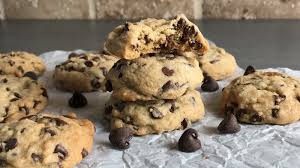
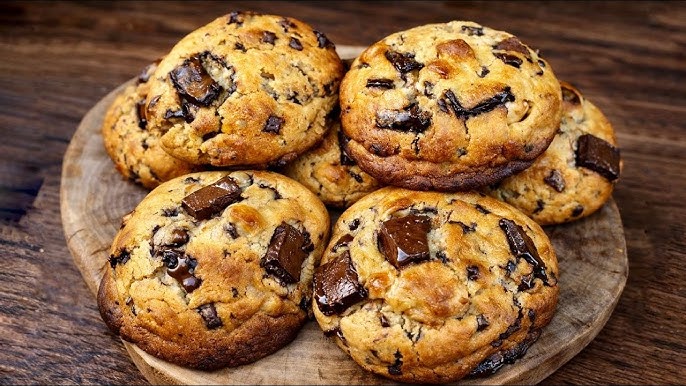
There’s something undeniably magical about biting into a soft and chewy chocolate chip cookie fresh from the oven. The edges are slightly crisp, the center melts in your mouth, and those gooey chocolate chunks create a symphony of flavors that transport you back to childhood kitchens or cozy family gatherings. If you’re a baking enthusiast or just someone craving the perfect homemade treat, this recipe for soft and chewy chocolate chip cookies is your go-to guide. At ForknFood.com, we believe that great food starts with simple, quality ingredients and a dash of passion. Whether you’re baking for a party, a quiet evening at home, or to share with loved ones, these cookies will become a staple in your repertoire.
Invented in the 1930s by Ruth Wakefield at the Toll House Inn in Whitman, Massachusetts, chocolate chip cookies have evolved from a happy accident—when she added chopped Nestlé chocolate to her cookie dough expecting it to melt fully—into an American icon. Today, they’re enjoyed worldwide, with countless variations. But what makes a cookie soft and chewy rather than crumbly or flat? It’s all about the balance of ingredients, technique, and a bit of science. In this comprehensive article, we’ll dive deep into the recipe, step-by-step instructions, expert tips, variations, and more. By the end, you’ll be equipped to bake bakery-quality cookies right in your kitchen. For more baking inspiration, check out our internal guide on https://forknfood.com/ essential baking tools to ensure your setup is ready.
The Science Behind Soft and Chewy Cookies
Before we jump into the recipe, let’s explore why some cookies turn out soft and chewy while others flop. The key lies in moisture, fat, and leavening agents. Butter, for instance, provides richness and tenderness, but using it at the right temperature is crucial. If it’s too warm, your cookies spread too much; too cold, and they might not achieve that chewy texture.
Sugar plays a dual role: granulated sugar adds crispness to the edges, while brown sugar, with its molasses content, retains moisture for chewiness. Eggs bind everything together and add structure, but overmixing can lead to tough cookies. Flour is the backbone—too much, and your dough becomes dry; too little, and it’s a sticky mess. Baking soda helps with spreading and browning, creating that golden hue.
Temperature control is another factor. Chilling the dough allows the flavors to meld and prevents excessive spreading in the oven. According to baking experts at King Arthur Baking Company, this step is non-negotiable for chewy results. Humidity in your environment can also affect outcomes—bakers in drier climates might need to add a splash more liquid. Understanding these elements turns baking from guesswork into an art form. If you’re new to the science of sweets, our baking basics article on ForknFood.com breaks it down further.
Ingredients for Soft and Chewy Chocolate Chip Cookies
This recipe yields about 24 cookies, perfect for sharing or stashing away. We’ve kept it straightforward, using pantry staples you likely already have. For the best results, opt for high-quality ingredients—think real butter over margarine and premium chocolate chips.
- 2 1/4 cups all-purpose flour: Provides structure without making the cookies cakey. If you want a gluten-free version, substitute with a 1:1 gluten-free blend.
- 1 teaspoon baking soda: The leavening agent that gives lift and helps with browning.
- 1/2 teaspoon salt: Enhances flavors and balances sweetness. Use sea salt for a subtle crunch.
- 1 cup unsalted butter, softened: Room temperature is key—about 70°F. It creams better with sugars for a fluffy base.
- 3/4 cup granulated sugar: For crisp edges and sweetness.
- 3/4 cup packed brown sugar: Light or dark; dark adds more molasses depth for extra chewiness.
- 1 teaspoon vanilla extract: Pure vanilla, not imitation, for authentic flavor. You can experiment with vanilla bean paste for specks of real vanilla.
- 2 large eggs: Room temperature ensures even mixing.
- 2 cups semi-sweet chocolate chips: Or chunks for bigger pockets of chocolate. Mix in milk chocolate for variety.
- Optional: 1 cup chopped nuts (walnuts or pecans): Adds texture and nuttiness, but skip if allergies are a concern.
Gather these from your local store or order online via Amazon Fresh for convenience. Measuring accurately is vital—use the spoon-and-level method for flour to avoid dense cookies. If you’re watching calories, note that each cookie clocks in at around 200-250, depending on size. For detailed nutritional breakdowns, tools like MyFitnessPal can help customize.
Step-by-Step Instructions: Baking Your Cookies to Perfection
Now, let’s get baking! This process takes about 30 minutes of active time, plus chilling and baking. Preheat your oven to 375°F (190°C) and line baking sheets with parchment paper for easy cleanup.
- Prepare the dry ingredients: In a medium bowl, whisk together the flour, baking soda, and salt. Set aside. This ensures even distribution of leavening agents, preventing uneven rising.
- Cream the butter and sugars: In a large mixing bowl, use an electric mixer on medium speed to beat the softened butter, granulated sugar, and brown sugar until light and fluffy—about 2-3 minutes. The mixture should lighten in color and increase in volume, incorporating air for tenderness.
- Add eggs and vanilla: Beat in the eggs one at a time, ensuring each is fully incorporated before adding the next. Stir in the vanilla extract. If the mixture looks curdled, don’t worry—it’s normal and will smooth out.
- Combine wet and dry: Gradually add the dry ingredients to the wet mixture on low speed. Mix just until combined; overmixing develops gluten, leading to tough cookies. The dough should be soft but not sticky.
- Fold in chocolate chips: Using a spatula, gently fold in the chocolate chips (and nuts, if using). This step preserves the chunks without breaking them.
- Chill the dough: Scoop the dough into balls (about 2 tablespoons each) using a cookie scoop for uniformity. Place them on a plate or tray, cover with plastic wrap, and refrigerate for at least 30 minutes—or up to 24 hours for deeper flavor. Chilling solidifies the fat, controlling spread.
- Bake: Arrange dough balls on prepared baking sheets, spacing them 2 inches apart. Bake for 8-10 minutes, until the edges are golden but the centers are still soft and slightly underdone. They’ll continue cooking on the sheet.
- Cool: Let cookies cool on the baking sheet for 5 minutes before transferring to a wire rack. This sets the structure without overbaking.
Pro tip: Rotate sheets halfway through baking for even heat distribution. If your oven runs hot, reduce temperature by 25°F. For visual guides, our video tutorial on cookie baking on ForknFood.com demonstrates these steps.
Expert Tips for the Best Soft and Chewy Cookies
Even seasoned bakers encounter pitfalls. Here are tried-and-true tips to elevate your game:
- Room temperature ingredients: Cold eggs or butter can cause uneven mixing. Let them sit out for 30 minutes.
- Don’t overbake: Cookies firm up as they cool. Pull them out when centers look puffy and underdone for maximum chewiness.
- Portion control: Use a digital scale for precise dough balls—about 50g each—to ensure uniform size and baking time.
- Storage secrets: Keep cookies soft by storing in an airtight container with a slice of bread; the moisture transfers over. They last 3-5 days at room temp or freeze dough balls for up to 3 months.
- Common mistakes to avoid: Skipping the chill time leads to flat cookies. Using old baking soda? Test it by mixing with vinegar—if it fizzes, it’s good.
- High-altitude adjustments: If you’re above 3,000 feet, reduce sugar by 1-2 tablespoons and increase flour slightly, as per advice from High Altitude Baking.
For more troubleshooting, explore our internal baking troubleshooting guide.
Delicious Variations to Try
Once you’ve mastered the classic, experiment! Swap semi-sweet chips for white chocolate and add dried cranberries for a festive twist. Or go nutty with macadamia nuts and coconut flakes for a tropical vibe. For a gourmet edge, infuse the dough with espresso powder—1 teaspoon enhances chocolate without overpowering.
Vegan? Substitute butter with coconut oil, eggs with flax eggs (1 tbsp ground flax + 3 tbsp water per egg), and use dairy-free chocolate. Gluten-free adaptations work well with almond flour blends. Kids love monster cookies: mix in M&Ms, pretzels, and oats. For seasonal fun, add pumpkin spice in fall or peppermint extract for holidays. Check out Allrecipes’ variation ideas for more inspiration, or our holiday cookie collection on ForknFood.com.
Nutritional Insights and Healthier Swaps
Each cookie (without nuts) provides about 220 calories, 12g fat, 28g carbs, and 2g protein. They’re indulgent, but you can lighten them up: use whole wheat flour for fiber, reduce sugar by 1/4 cup, or opt for dark chocolate chips rich in antioxidants. Moderation is key—these treats boost mood via serotonin from sugar and chocolate’s theobromine.
If tracking macros, apps like Cronometer are excellent. For health-focused bakers, our healthy baking swaps article offers more ideas.
Conclusion: Bake, Share, and Enjoy
Baking soft and chewy chocolate chip cookies is more than a recipe—it’s a ritual that fills your home with warmth and creates lasting memories. With this guide from ForknFood.com, you’re set to impress. Experiment, share your creations on social media, and tag us! For more recipes, browse our dessert section. Happy baking!
The Science Behind Soft and Chewy Cookies
Butter provides richness, brown sugar adds chew from molasses, and chilling prevents flat cookies. Experts at King Arthur Baking Company emphasize chilling for the best texture. Humidity and precise measurements matter too. See our baking basics article for more.
Ingredients (Makes about 24 cookies)
- 2 1/4 cups all-purpose flour
- 1 teaspoon baking soda
- 1/2 teaspoon salt
- 1 cup unsalted butter, softened
- 3/4 cup granulated sugar
- 3/4 cup packed brown sugar (light or dark)
- 1 teaspoon vanilla extract
- 2 large eggs
- 2 cups semi-sweet chocolate chips
- Optional: 1 cup chopped nuts
Use high-quality chocolate chips for best results. Order staples via Amazon Fresh.
Step-by-Step Instructions
- Whisk dry ingredients (flour, baking soda, salt).
- Cream butter and sugars until fluffy (2-3 minutes).
- Add eggs one at a time, then vanilla.
- Mix in dry ingredients on low until just combined.
- Fold in chocolate chips.
- Chill dough balls for at least 30 minutes (up to 24 hours).
- Bake at 375°F (190°C) for 8-10 minutes on parchment-lined sheets.
- Cool on sheet 5 minutes, then transfer to rack.
See our video tutorial for visuals.
Expert Tips
- Use room-temperature ingredients.
- Underbake slightly for chewiness.
- Portion with a scoop for uniformity.
- Store with bread for softness.
- Avoid overmixing.
Troubleshoot with our baking troubleshooting guide.
Variations
Try white chocolate + cranberries, or add espresso powder. For vegan/gluten-free options, swap accordingly. Explore Allrecipes variations or our holiday cookie collection.
Nutritional Insights
About 220 calories per cookie. Lighten with dark chocolate or reduced sugar. See our healthy baking swaps.
Frequently Asked Questions (FAQs)
Why do my cookies flatten?
Too-warm butter, insufficient chilling, or overbaking causes spreading. Chill dough longer and underbake centers slightly.
How can I make them extra chewy?
Use more brown sugar (for molasses moisture), add cornstarch (1-2 tsp in dry mix for thickness), and underbake. Chilling is key to prevent spread.
Why are my cookies puffy or cakey?
Too much flour or overmixing develops gluten. Spoon and level flour (don’t scoop directly), and mix gently.
Do I have to chill the dough?
Yes—chilling solidifies fat for controlled spread, better flavor, and chewier texture. Skip it for flatter cookies.
How do I keep cookies soft after baking?
Underbake (centers should look soft), store in airtight container with bread slice for moisture transfer. Freeze dough balls for fresh batches later.
Can I freeze the dough?
Absolutely—scoop balls, freeze on a tray, then bag. Bake from frozen, adding 1-2 extra minutes.
What’s the best chocolate to use?
Semi-sweet or dark chips/chunks for balance. Mix brands for variety—Ghirardelli or premium bars chopped work great.
High-altitude adjustments?
Reduce sugar slightly and increase flour; test small batches.
Recommended Products for Perfect Cookies
Invest in these essentials for consistent results:
- Cookie Scoop — Uniform size every time (try OXO Good Grips set).
- Half Sheet Pans — Even baking; Nordic Ware or USA Pan recommended.
- Silicone Baking Mats — Reusable, nonstick (Silpat is a favorite).
- Cooling Rack — Prevents soggy bottoms.
- Stand Mixer — For easy creaming (KitchenAid Artisan series excels).
- Digital Scale — Precise flour measurement avoids issues.
- Parchment Paper — Easy cleanup alternative.
Find these on Amazon or local stores. Quality tools make baking easier and more fun!
Conclusion
Baking soft and chewy chocolate chip cookies is a joyful ritual. With this recipe, tips, FAQs, and product picks from ForknFood.com, you’re ready to create bakery-quality treats. Experiment, share your photos, and tag us! Browse more in our dessert section. Happy baking!
The Science Behind Soft and Chewy Cookies
Butter provides richness, brown sugar adds chew from molasses, and chilling prevents flat cookies. Experts at King Arthur Baking Company emphasize chilling for the best texture. Humidity and precise measurements matter too. See our baking basics article for more.
Ingredients (Makes about 24 cookies)
- 2 1/4 cups all-purpose flour
- 1 teaspoon baking soda
- 1/2 teaspoon salt
- 1 cup unsalted butter, softened
- 3/4 cup granulated sugar
- 3/4 cup packed brown sugar (light or dark)
- 1 teaspoon vanilla extract
- 2 large eggs
- 2 cups semi-sweet chocolate chips
- Optional: 1 cup chopped nuts
Use high-quality chocolate chips for best results. Order staples via Amazon Fresh.
Step-by-Step Instructions
- Whisk dry ingredients (flour, baking soda, salt).
- Cream butter and sugars until fluffy (2-3 minutes).
- Add eggs one at a time, then vanilla.
- Mix in dry ingredients on low until just combined.
- Fold in chocolate chips.
- Chill dough balls for at least 30 minutes (up to 24 hours).
- Bake at 375°F (190°C) for 8-10 minutes on parchment-lined sheets.
- Cool on sheet 5 minutes, then transfer to rack.
See our video tutorial for visuals.
Expert Tips
- Use room-temperature ingredients.
- Underbake slightly for chewiness.
- Portion with a scoop for uniformity.
- Store with bread for softness.
- Avoid overmixing.
Troubleshoot with our baking troubleshooting guide.
Variations
Try white chocolate + cranberries, or add espresso powder. For vegan/gluten-free options, swap accordingly. Explore Allrecipes variations or our holiday cookie collection.
Nutritional Insights
About 220 calories per cookie. Lighten with dark chocolate or reduced sugar. See our healthy baking swaps.
Frequently Asked Questions (FAQs)
Why do my cookies flatten? Too-warm butter, insufficient chilling, or overbaking causes spreading. Chill dough longer and underbake centers slightly.
How can I make them extra chewy? Use more brown sugar (for molasses moisture), add cornstarch (1-2 tsp in dry mix for thickness), and underbake. Chilling is key to prevent spread.
Why are my cookies puffy or cakey? Too much flour or overmixing develops gluten. Spoon and level flour (don’t scoop directly), and mix gently.
Do I have to chill the dough? Yes—chilling solidifies fat for controlled spread, better flavor, and chewier texture. Skip it for flatter cookies.
How do I keep cookies soft after baking? Underbake (centers should look soft), store in airtight container with bread slice for moisture transfer. Freeze dough balls for fresh batches later.
Can I freeze the dough? Absolutely—scoop balls, freeze on a tray, then bag. Bake from frozen, adding 1-2 extra minutes.
What’s the best chocolate to use? Semi-sweet or dark chips/chunks for balance. Mix brands for variety—Ghirardelli or premium bars chopped work great.
High-altitude adjustments? Reduce sugar slightly and increase flour; test small batches.
Recommended Products for Perfect Cookies
Invest in these essentials for consistent, soft, and chewy results. These are highly recommended by baking pros (from sources like Serious Eats, Sally’s Baking Addiction, and Wirecutter) for even baking, precise portioning, and premium flavor.
- Cookie Scoop — Uniform size every time prevents uneven baking (try OXO Good Grips Medium or Wilton Stainless Steel for reliable release).
- Half Sheet Pans — Even heat distribution for golden edges without burning (Nordic Ware Naturals or USA Pan are top-rated for durability and performance).
- Silicone Baking Mats — Reusable, nonstick surface helps control spread for chewier cookies (Silpat Premium is a favorite).
- Cooling Rack — Allows air circulation to prevent soggy bottoms (a sturdy stainless steel one like Sur La Table works great).
- Stand Mixer — Makes creaming butter and sugar effortless (KitchenAid Artisan series is a classic for fluffy dough).
- Digital Scale — Precise flour and ingredient measurements avoid dense or dry cookies (essential for accuracy).
- Oven Thermometer — Ensures your oven temp is spot-on—many home ovens run hot or cold, affecting chewiness (a simple CDN model is reliable).
- Rubber/Silicone Spatulas — For scraping bowls clean without overmixing (a set of sturdy, heat-resistant ones is indispensable).
- Premium Chocolate Chips — Elevate flavor with better melt and taste (Ghirardelli Semi-Sweet or 60% Cacao for rich, gooey pockets; Scharffen Berger chunks for bakery-style pools).
Find these on Amazon, local stores, or specialty sites like King Arthur Baking. Quality tools make baking easier, more consistent, and way more fun!
Conclusion
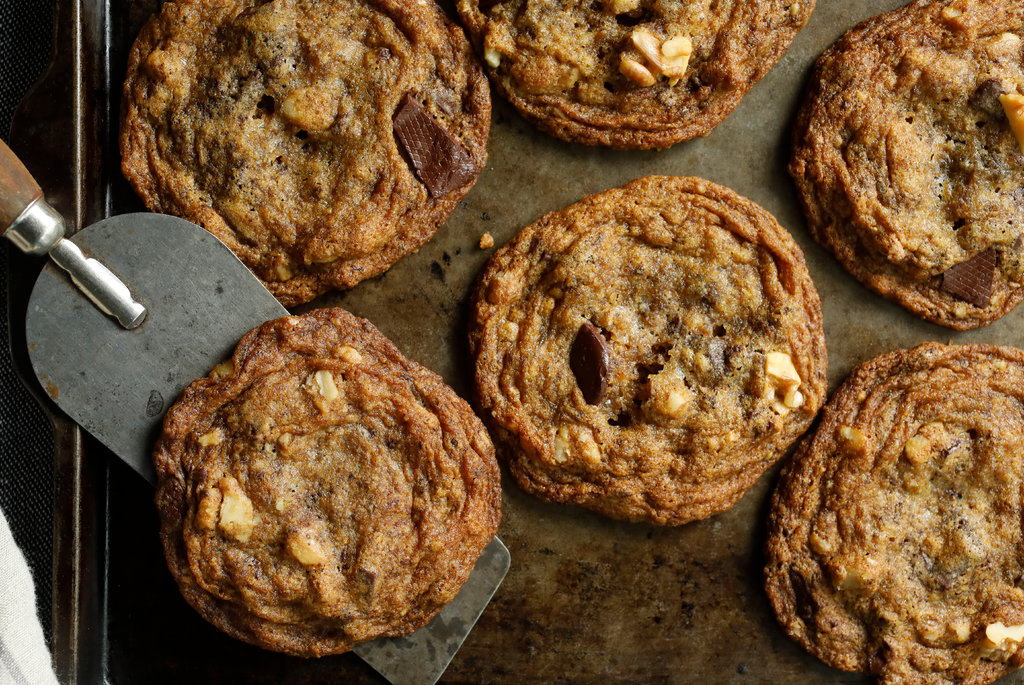
Baking soft and chewy chocolate chip cookies is a joyful ritual. With this recipe, tips, FAQs, and expanded product picks from ForknFood.com, you’re ready to create bakery-quality treats. Experiment, share your photos, and tag us! Browse more in our dessert section. Happy baking!



Leave a Reply