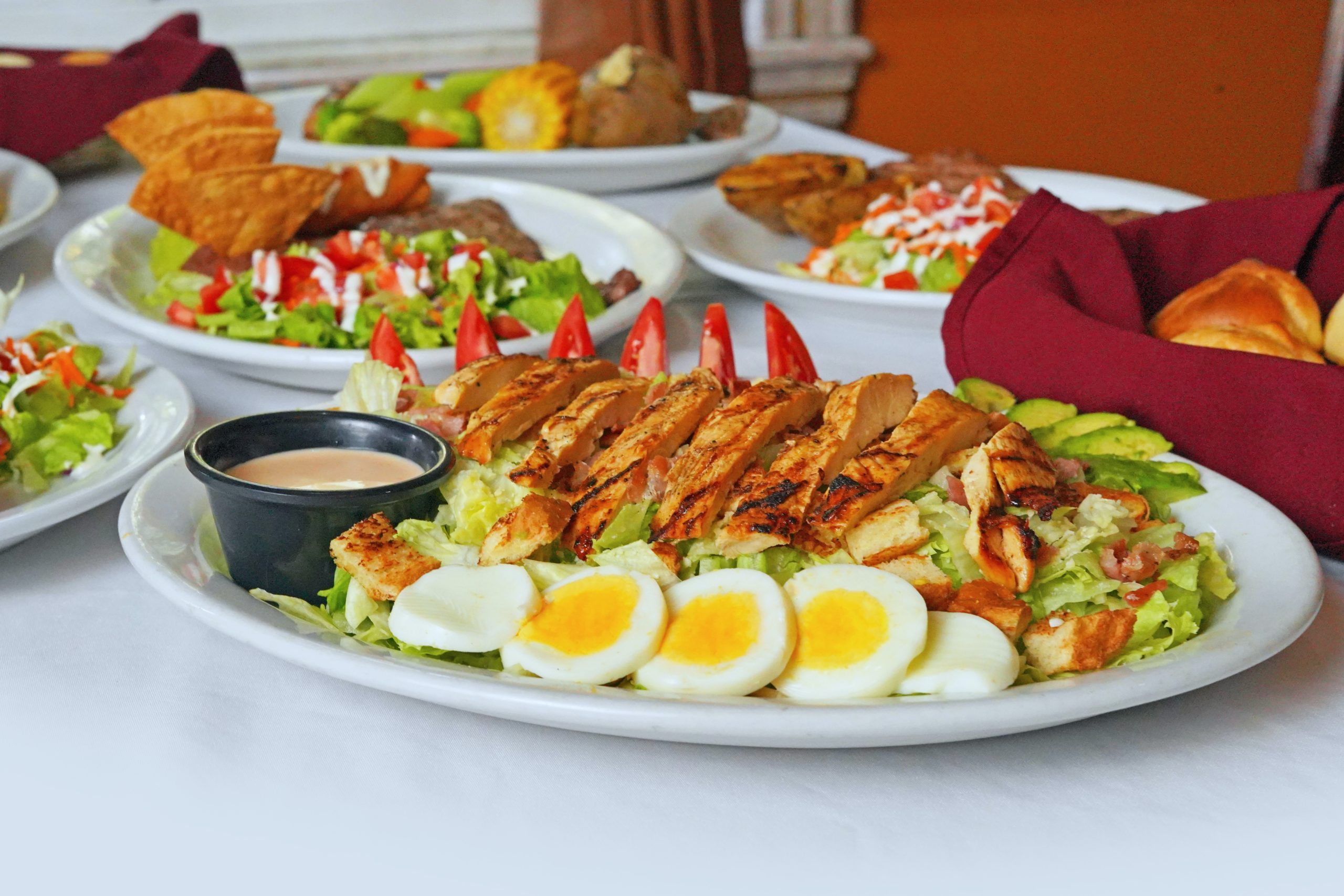
In today’s fast-paced world, maintaining a healthy lifestyle is more important than ever. One effective way to support your wellness goals is by incorporating high-protein foods into your daily meals. Protein is essential for building and repairing tissues, supporting immune function, and keeping you feeling full and energized throughout the day. Whether you’re aiming to lose weight, build muscle, or simply eat better, high-protein recipes can make a significant difference. This article explores the benefits of a high-protein diet, shares delicious recipes, and provides tips for integrating them into your routine. All recipes are designed to be simple, nutritious, and perfect for busy individuals.
At ForknFood.com, we believe in making healthy eating accessible and enjoyable. Check out our https://forknfood.com/ collection of healthy eating tips for more inspiration.
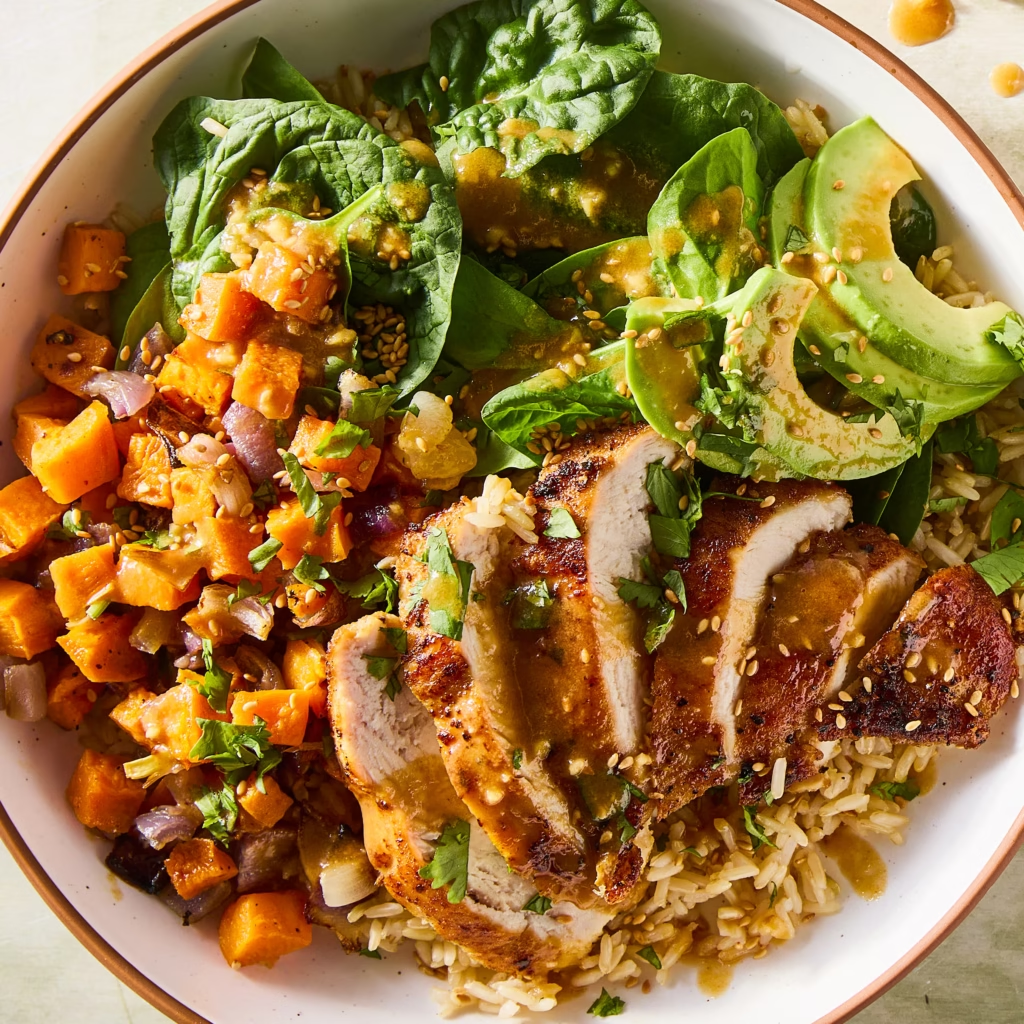
The Benefits of a High-Protein Diet
A high-protein diet offers numerous advantages backed by science. Firstly, it can help reduce appetite and hunger levels, leading to lower calorie intake. Protein increases the production of hormones like GLP-1 and cholecystokinin, which signal fullness to the brain, while reducing ghrelin, the hunger hormone. This makes it easier to manage portions and avoid unnecessary snacking.
Secondly, consuming more protein boosts muscle mass and strength. Protein provides the amino acids needed for muscle repair and growth, especially when combined with resistance training. Studies show that higher protein intake helps maintain muscle during weight loss and promotes gains in athletes.
Third, high-protein diets enhance metabolism. Digesting protein requires more energy than carbs or fats, increasing your basal metabolic rate by up to 100 calories per day. This thermic effect can aid in weight management. Additionally, protein supports bone health by improving calcium absorption and density, reducing the risk of osteoporosis as you age.
Other benefits include better blood sugar regulation, which is crucial for preventing type 2 diabetes, and faster recovery from injuries due to tissue repair. High-protein diets may also lower blood pressure and improve heart health when sourced from lean meats, fish, and plants. However, balance is key—aim for 20-30% of calories from protein, and consult a doctor if you have kidney issues, as excessive protein can strain them in some cases.
For more on protein’s role in weight loss, visit Healthline’s guide on protein benefits.
Essential High-Protein Foods to Stock Up On
Before diving into recipes, let’s list some top high-protein foods. Animal sources include chicken breast (31g per 100g), salmon (25g per 100g), eggs (13g per 100g), and Greek yogurt (10g per 100g). Plant-based options like lentils (9g per 100g cooked), chickpeas (19g per 100g), tofu (8g per 100g), and quinoa (4g per 100g cooked) are excellent for vegetarians. Nuts, seeds, and dairy like cottage cheese also pack a punch. Aim for a mix to ensure complete amino acids.
Delicious High-Protein Recipes
Here are seven easy recipes, each providing at least 25g of protein per serving. They’re versatile, use common ingredients, and can be prepped in under 30 minutes.
1. Fluffy Cottage Cheese Eggs (Breakfast – 28g Protein)
Start your day with this simple, satisfying dish from Skinnytaste. It’s fluffy, cheesy, and loaded with protein to keep you full until lunch.
Ingredients (Serves 1):
- 2 large eggs
- 1/2 cup low-fat cottage cheese
- 1/4 cup spinach, chopped
- Salt and pepper to taste
- Optional: Tomatoes or herbs for garnish
Instructions:
- Whisk eggs and cottage cheese together until smooth.
- Heat a non-stick pan over medium heat, add spinach, and pour in the mixture.
- Cook for 3-5 minutes, stirring gently until set.
- Season and serve hot.
This recipe is low-carb and customizable—add veggies for extra fiber. For a twist, try our spinach omelet variation on ForknFood.com.
2. Mango Lassi Smoothie (Breakfast/Snack – 25g Protein)
Inspired by EatingWell’s anti-inflammatory plan, this tropical smoothie is refreshing and protein-packed.
Ingredients (Serves 1):
- 1 cup frozen mango chunks
- 1/2 cup Greek yogurt
- 1/2 cup milk (or almond milk)
- 1 scoop protein powder (optional for extra boost)
- A pinch of cardamom
Instructions:
- Blend all ingredients until creamy.
- Pour into a glass and enjoy immediately.
Perfect for on-the-go mornings. It provides antioxidants from mango and probiotics from yogurt. Learn more about smoothies in our smoothie guide.
3. Chickpea Tuna Salad (Lunch – 30g Protein)
A quick, no-cook option from EatingWell. It’s hearty and full of omega-3s.
Ingredients (Serves 2):
- 1 can tuna in water, drained
- 1 can chickpeas, rinsed
- 1/2 cucumber, diced
- 1/4 red onion, chopped
- 2 tbsp olive oil, lemon juice dressing
- Salt, pepper, and herbs
Instructions:
- Mix tuna, chickpeas, veggies in a bowl.
- Drizzle with dressing and toss.
- Serve over greens or in a wrap.
This salad is fiber-rich and supports heart health. For similar ideas, check Mayo Clinic’s tuna recipes.
4. Sheet Pan Chicken Bacon Ranch (Dinner – 35g Protein)
From The Real Food Dietitians, this one-pan wonder is effortless and flavorful.
Ingredients (Serves 4):
- 4 chicken breasts
- 4 slices bacon, chopped
- 2 cups broccoli florets
- 1/2 cup ranch dressing (low-fat)
- Salt and pepper
Instructions:
- Preheat oven to 400°F.
- Place chicken, bacon, and broccoli on a sheet pan; drizzle with ranch.
- Bake for 20-25 minutes until chicken is cooked.
- Serve hot.
It’s family-friendly and minimizes cleanup. Pair with our ranch dressing recipe.
5. Creamy Salmon and Rice (Dinner – 32g Protein)
Based on BBC Good Food’s salmon dish, this is comforting and omega-rich.
Ingredients (Serves 2):
- 2 salmon fillets
- 1 cup cooked brown rice
- 1/2 cup peas
- 2 tbsp parmesan
- Lemon juice
Instructions:
- Bake salmon at 375°F for 15 minutes.
- Mix rice with peas, cheese, and lemon.
- Flake salmon over rice and stir.
High in healthy fats. For more fish ideas, visit American Heart Association recipes.
6. High-Fiber Veggie Burger (Lunch/Dinner – 25g Protein)
From BBC Good Food, this plant-based burger is tasty and nutritious.
Ingredients (Serves 4):
- 1 can black beans, mashed
- 1/2 cup oats
- 1 carrot, grated
- Spices: cumin, paprika
- Buns and toppings
Instructions:
- Mix beans, oats, carrot, and spices; form patties.
- Grill or bake for 10 minutes per side.
- Serve on buns with salad.
Low-fat and fiber-packed. Try our bean burger variant.
7. Greek Yogurt Parfait (Snack – 20g Protein)
A simple layered treat from Healthline.
Ingredients (Serves 1):
- 1 cup Greek yogurt
- 1/2 cup berries
- 1/4 cup almonds
- Honey drizzle (optional)
Instructions:
- Layer yogurt, berries, and nuts in a jar.
- Chill and enjoy.
Portable and antioxidant-rich. For yogurt tips, see Prevention’s high-protein ideas.
Tips for Incorporating High-Protein Meals into Your Lifestyle
To make high-protein eating sustainable, plan meals ahead—prep smoothies or salads on Sundays. Use apps to track protein intake, aiming for 1.6-2.2g per kg body weight for active individuals. Balance with veggies and whole grains to avoid nutrient gaps. Hydrate well, as protein metabolism requires water. Experiment with spices to keep flavors exciting. If vegetarian, combine sources like rice and beans for complete proteins.
For grocery lists, visit our high-protein shopping guide.
Conclusion
Embracing high-protein recipes can transform your health, from weight management to increased energy. These dishes prove that nutritious food can be delicious and easy. Start with one recipe this week and build from there. For more content, explore ForknFood.com’s recipe archive. Remember, consult a professional for personalized advice
High-Protein Food Recipes for Healthy Living (Updated with FAQs and Product Recommendations)
Frequently Asked Questions (FAQs) About High-Protein Diets
High-protein eating raises many questions, especially for beginners. Here are answers to some of the most common ones based on reliable health sources.
1. How much protein do I actually need daily?
The standard recommended daily allowance (RDA) is about 0.8 grams per kilogram of body weight (around 46g for women and 56g for men on average). For active people, weight management, or muscle building, aim higher—1.2–2.2g per kg. For example, a 70kg person might target 84–154g. Spread it across meals for best results, and adjust based on activity level.
2. Are high-protein diets safe long-term?
For most healthy people, yes—they support weight loss, muscle maintenance, and satiety without major issues. However, very high intakes (over 2g/kg daily long-term) may strain kidneys if you have pre-existing conditions. Focus on balanced sources like lean meats, fish, eggs, dairy, and plants rather than excessive processed meats. Include plenty of veggies and fiber to avoid constipation or nutrient gaps.
3. Can I eat too much protein, and does it cause weight gain?
Excess protein doesn’t automatically turn to fat—it’s used for repair or energy—but extra calories from any source can lead to gain. High-protein meals often reduce overall intake by curbing hunger. No strong evidence shows it harms bones; it may even support them when paired with calcium-rich foods.
4. Do vegetarians or vegans get enough protein?
Absolutely, with variety. Combine sources like lentils, chickpeas, quinoa, tofu, nuts, and seeds for complete amino acids. Plant-based eaters may need slightly more volume due to lower digestibility in some foods, but supplements or fortified options help if needed.
5. Is protein only for athletes or gym-goers?
No—everyone needs it for tissue repair, immune health, and feeling full. Sedentary folks benefit too, especially for aging gracefully or managing appetite. Even without intense exercise, higher protein aids recovery and energy.
6. What’s the best time to eat protein?
Spread it evenly throughout the day rather than all at once. Post-workout (within 1–2 hours) helps muscle recovery, but the “anabolic window” isn’t as narrow as once thought—total daily intake matters more.
7. Do high-protein diets work for weight loss?
They often do short-term by increasing fullness and preserving muscle during calorie deficits. Pair with veggies and whole foods for sustainability. Avoid extremes that cut carbs too drastically.
For more details, check Mayo Clinic’s high-protein diet guide or American Heart Association protein basics.
Recommended High-Protein Products and Supplements
To boost intake conveniently, especially on busy days in Karachi, consider these products. Focus on whole foods first, but supplements fill gaps.
Protein Powders
Whey protein remains popular for quick absorption and muscle support. Top picks in 2026 include Optimum Nutrition Gold Standard Whey (versatile flavors, high quality) and Thorne Whey Protein Isolate (clean, grass-fed options). Plant-based alternatives like pea or rice blends suit vegetarians. Use in smoothies or our parfait recipe.
High-Protein Snacks
Grab-and-go options make it easy. Try Greek yogurt (10–20g protein per serving), cottage cheese, hard-boiled eggs, or nuts. For packaged: Protein bars (15–20g) from local Pakistani brands like Whey To Go (plant-based, vegan), Nutrilov (high-protein for satiety), or Nibl Foods (granola bars and cookies with added protein). Available online or in Karachi stores—great for Ramzan or office snacks.
Other Handy Items
Greek yogurt parfaits (layer with berries and nuts for 20–30g protein) are simple and delicious. Stock up on canned tuna, chickpeas, or lentils for quick meals.
Explore our high-protein shopping guide on ForknFood.com for local availability in Pakistan. Always check labels for added sugars and consult a doctor before starting supplements, especially with health conditions.
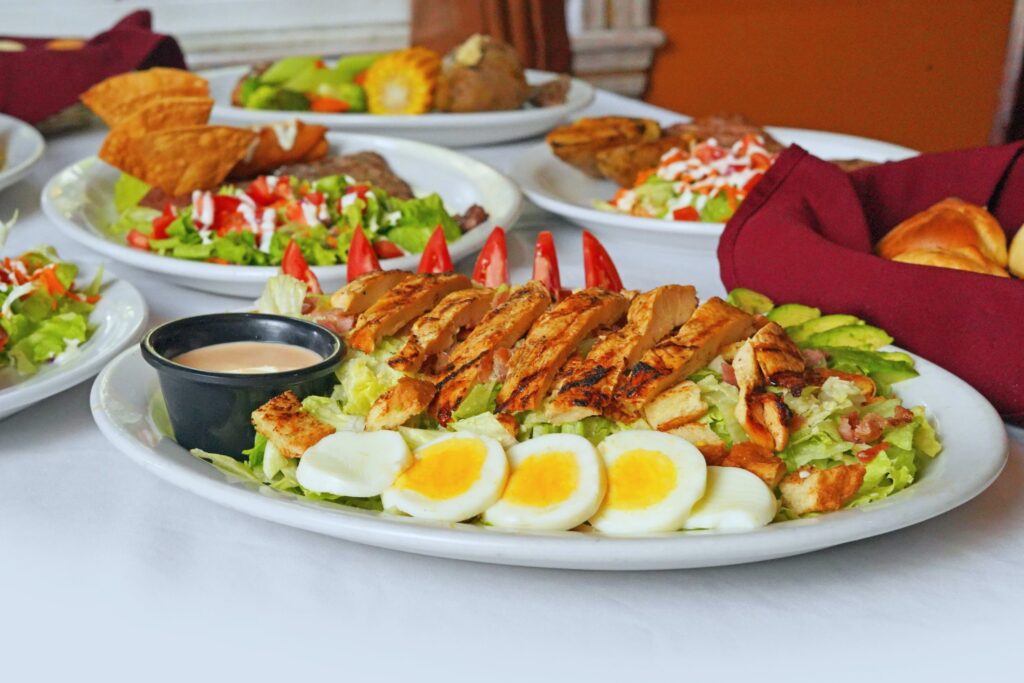
Incorporating these FAQs and products alongside the recipes empowers sustainable healthy living. Start small, track how you feel, and enjoy the energy boost!
High-Protein Food Recipes for Healthy Living (Updated with Top Product Recommendations)
Top High-Protein Products Available in Pakistan (2026 Edition)
Living in Karachi, you have easy access to a growing range of high-quality high-protein products through local stores, pharmacies like Naheed or Medicare, and online platforms such as Daraz.pk, Jacked Nutrition, Dr Nutrition Pakistan, and Swole Spartan. These help bridge gaps when whole foods aren’t enough—perfect for busy lifestyles, post-workout recovery, or boosting daily intake toward 1.2–2.0g per kg body weight.
Focus on authentic, lab-tested, and halal-certified options where possible. Prices fluctuate (as of early 2026), so check current listings. Here are some of the most popular and well-regarded high-protein products trending in Pakistan right now:
1. Optimum Nutrition Gold Standard 100% Whey
This remains a top favorite for its reliability, great taste (especially Double Rich Chocolate or Vanilla Ice Cream), and solid 24g protein per scoop with low carbs/fats. It’s widely available and trusted for muscle building and recovery. Ideal for blending into smoothies like our Mango Lassi recipe.
- Why it’s popular: Consistent quality, mixes well, and suits beginners to advanced users.
- Approx. price range: PKR 10,000–15,000 for 2lb/900g–5lb tubs (varies by retailer).
- Where to buy: Jacked Nutrition, Swole Spartan, Daraz.pk, or local supplement shops in Karachi.
2. MuscleTech Nitro-Tech Whey Protein
Known for advanced formulas with added creatine and BCAAs, delivering around 30g protein per serving. Great for strength gains and faster recovery—pairs well with dinner recipes like the Sheet Pan Chicken.
- Why it’s popular: Enhanced muscle support and flavors that taste great even in shakes.
- Approx. price range: PKR 12,000–18,000 for standard sizes.
- Where to buy: Dr Nutrition Pakistan, Sports One, or online platforms.
3. Dymatize ISO 100 (Hydrolyzed Whey Isolate)
A premium, fast-absorbing isolate with 25g+ protein, minimal lactose, and carbs—perfect if you’re watching macros or have dairy sensitivity. Excellent for post-workout or adding to Greek yogurt parfaits.
- Why it’s popular: Ultra-clean, quick digestion, and high leucine for muscle synthesis.
- Approx. price range: PKR 15,000–25,000.
- Where to buy: Jacked Nutrition, Proglads Nutrition, or imported via Daraz.
4. Local/Plant-Based Options: Nibl Foods Protein Bars & Granola
For convenient snacks, Nibl offers 15g+ protein bars and granola made in Pakistan—vegan, low-sugar, and fresh-baked. Flavors like chocolate or nutty work as on-the-go boosts alongside Chickpea Tuna Salad.
- Why it’s popular: Locally made, affordable, halal, and supports satiety during fasting or busy days.
- Approx. price: PKR 200–400 per bar/pack.
- Where to buy: Niblfoods.com, supermarkets in Karachi, or online.
5. Whey To Go Protein Bars & Snacks
100% plant-based, vegan bars with solid protein (often 15–20g) and low sugar. Great for vegetarians or as alternatives to sugary snacks—try them with our High-Fiber Veggie Burger.
- Why it’s popular: Fresh, no junk ingredients, and made in Pakistan for better freshness.
- Approx. price: Similar to Nibl, around PKR 250–500.
- Where to buy: Mywheytogo.com or local health stores.
6. Nutrilov High-Protein Snacks
Specializing in bars and bites with up to 20g protein, designed for satiety (great during Ramzan). Nutrilov focuses on clean ingredients and muscle maintenance.
- Why it’s popular: Tailored for Pakistani diets, supports fasting/energy needs.
- Approx. price: PKR 300–600 per pack.
- Where to buy: Nutrilov.com or Daraz.pk.
7. Kevin Levrone Anabolic ISO Whey or Gold Whey
Affordable yet effective isolates/concentrates with 24–27g protein. Local favorites for value—good entry point for muscle gain without breaking the bank.
- Why it’s popular: Competitive pricing and reliable results.
- Approx. price range: PKR 8,000–20,000 depending on variant.
- Where to buy: Proglads Nutrition, Ace Nutrition, or Jacked Nutrition.
Additional Tips for Buying in Karachi
- Authenticity check: Stick to trusted sellers like Jacked Nutrition or Dr Nutrition to avoid fakes—look for holograms, batch numbers, and DRAP approvals.
- Plant-based picks: If vegetarian/vegan, try pea or rice protein from The Protein Factory or local brands like GluCorp rice protein.
- Budget options: Local brands like NutriGain Gold or PowerWhey Pro offer 22–24g protein at lower prices (PKR 2,000–5,000).
- Storage & use: Keep powders cool/dry; mix with milk, water, or in recipes for variety.
For the latest prices, reviews, and stock in Karachi, visit sites like Jacked Nutrition or Dr Nutrition Pakistan. Explore our high-protein shopping guide on ForknFood.com for more local recommendations and comparisons.
Leave a Reply