Cottage cheese has long been a staple in health-conscious kitchens, and for good reason. This versatile dairy product is packed with high-quality protein—about 25 grams per cup—making it an excellent choice for muscle repair, satiety, and overall nutrition. Low in calories (around 160 per cup for low-fat varieties) yet rich in calcium, phosphorus, and B vitamins, cottage cheese supports bone health, energy metabolism, and even weight management. Its mild, creamy flavor pairs beautifully with both sweet and savory ingredients, turning it into the perfect base for quick, nutrient-dense meals.
In recent years, cottage cheese bowls have surged in popularity, thanks to social media trends and the rise of high-protein diets like keto and paleo. These bowls are essentially customizable salads or parfaits where cottage cheese takes center stage, layered with fruits, vegetables, nuts, seeds, herbs, and proteins. They’re ideal for busy lifestyles: prep time is minimal, often under 10 minutes, and they can be made ahead for meal prepping. Whether you’re aiming for a low-carb option, a gluten-free meal, or something vegetarian-friendly, these bowls adapt easily.
What makes them “healthy”? We focus on whole foods, balanced macros (protein, healthy fats, and complex carbs), and portion control. Each idea here emphasizes fresh produce, lean additions, and minimal processed ingredients to keep things nutritious. For breakfast, we lean toward energizing, fruit-forward options to kickstart your day. Lunch ideas incorporate more veggies and grains for sustained energy, while dinner bowls add heartier elements for satisfaction without heaviness.

In this article, we’ll explore 20 creative cottage cheese bowl ideas, divided into breakfast (7), lunch (7), and dinner (6). Each includes simple instructions, key nutritional highlights, and tips for customization. These recipes serve one but can be scaled. Aim for 1/2 to 1 cup of cottage cheese per bowl to hit that protein sweet spot. Let’s dive in and transform your meals with these wholesome, delicious creations!
Breakfast Cottage Cheese Bowls: Fuel Your Morning
Breakfast is the most important meal, and these bowls provide a protein punch to keep you full until lunch. They’re naturally low in sugar when you choose unsweetened cottage cheese and fresh fruits.
- Classic Berry Blast Bowl: Start with 3/4 cup low-fat cottage cheese in a bowl. Top with 1/2 cup mixed berries (strawberries, blueberries, raspberries), a sprinkle of chia seeds (1 tbsp), and a handful of sliced almonds (2 tbsp). Drizzle with a teaspoon of honey for natural sweetness. This bowl delivers antioxidants from berries, omega-3s from chia, and crunch from nuts. Nutritionally, it’s about 300 calories with 25g protein, perfect for post-workout recovery. Customize by adding a dash of cinnamon for warmth.
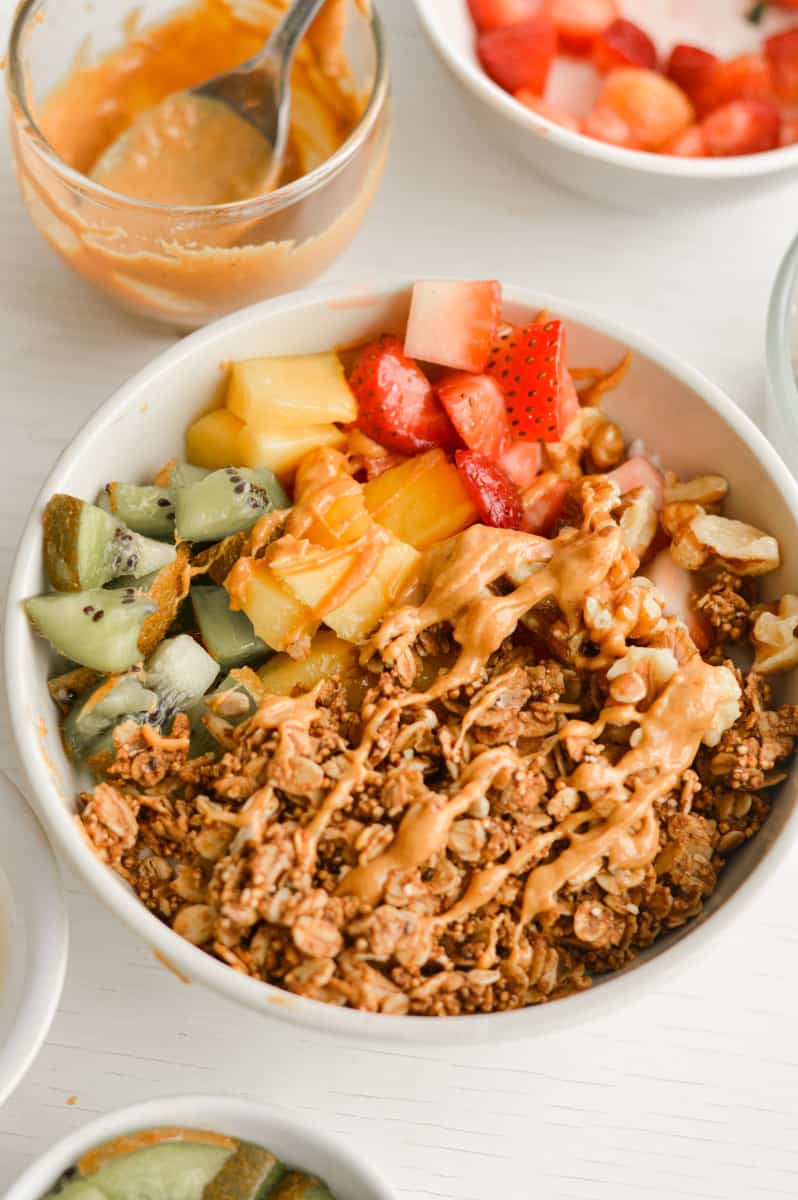
- Tropical Paradise Bowl: Layer 1/2 cup cottage cheese with diced pineapple (1/2 cup), mango chunks (1/4 cup), and shredded coconut (1 tbsp unsweetened). Finish with a squeeze of lime and a few mint leaves. The tropical fruits provide vitamin C for immunity, while coconut adds healthy fats. At around 280 calories and 20g protein, it’s a refreshing start. For a twist, mix in passion fruit or kiwi for extra tang.
- Apple Cinnamon Crunch Bowl: Combine 3/4 cup cottage cheese with chopped apple (1 medium), a dash of cinnamon, and granola (2 tbsp low-sugar). Add a few walnuts for texture. Apples offer fiber for digestion, and cinnamon helps stabilize blood sugar. This 320-calorie bowl packs 24g protein and is great for fall mornings. Swap apple for pear in season.
- Green Smoothie-Inspired Bowl: Blend 1/2 cup cottage cheese with spinach (1 handful) and banana (1/2) for a creamy base, then top with sliced kiwi and pumpkin seeds. The greens add iron and folate, making it nutrient-dense at 290 calories with 22g protein. Ideal for those who want veggies first thing—try adding cucumber for hydration.
- Nutty Banana Split Bowl: Use 3/4 cup cottage cheese as the base, topped with sliced banana (1), peanut butter (1 tsp melted), and dark chocolate shavings (1 tsp). It’s a healthier take on dessert, with potassium from banana and healthy fats from peanut butter. Clocking in at 310 calories and 25g protein, it’s satisfying. Use almond butter for variety.
- Citrus Zest Bowl: Mix 1/2 cup cottage cheese with orange segments (1 orange), grapefruit pieces (1/4), and pistachios (1 tbsp). A hint of vanilla extract enhances the flavor. Citrus boosts vitamin C, aiding collagen production. This light bowl is 270 calories with 20g protein—perfect for warm days. Add pomegranate seeds for antioxidants.
- Yogurt-Style Parfait Bowl: Alternate layers of 3/4 cup cottage cheese with Greek yogurt (2 tbsp plain), mixed seeds (1 tbsp), and fresh peaches (1 sliced). It mimics a parfait but amps up protein to 28g in 300 calories. Seeds provide magnesium for energy. Customize with berries or stone fruits.
These breakfast bowls average 20-25g protein, helping curb mid-morning cravings while keeping carbs moderate for steady energy.For more explore our internal link https://forknfood.com for my recipies.
Lunch Cottage Cheese Bowls: Midday Powerhouses
For lunch, we shift to savory profiles with more veggies and herbs. These are portable, making them great for work or on-the-go.
- Mediterranean Veggie Bowl: Base with 1 cup cottage cheese, add cherry tomatoes (1/2 cup halved), cucumber slices (1/2 cup), olives (5-6 chopped), and feta (1 tbsp crumbled). Dress with olive oil (1 tsp) and oregano. Veggies supply fiber and hydration; olives offer heart-healthy fats. At 350 calories and 30g protein, it’s filling. Add bell peppers for color.
- Avocado Tomato Smash Bowl: Mash 1/2 avocado into 3/4 cup cottage cheese, top with diced tomatoes (1/2 cup), red onion (1 tbsp), and cilantro. A squeeze of lemon brightens it. Avocado’s monounsaturated fats support heart health. This 320-calorie bowl has 25g protein—great for vegetarians. Spice it with jalapeño for heat.
- Herby Chicken Salad Bowl: Mix 3/4 cup cottage cheese with shredded cooked chicken (2 oz), chopped celery (1/4 cup), dill, and a dash of mustard. Chicken adds lean protein, totaling 35g in 340 calories. Celery provides crunch and low-cal volume. Ideal for meal prep; substitute turkey for variety.
- Quinoa Veggie Medley Bowl: Combine 1/2 cup cottage cheese with cooked quinoa (1/4 cup), broccoli florets (1/2 cup steamed), carrots (shredded, 1/4 cup), and sesame seeds. Quinoa offers complete protein and fiber. At 330 calories with 28g protein, it’s balanced. Drizzle with soy sauce for umami.
- Caprese-Inspired Bowl: Layer 3/4 cup cottage cheese with sliced tomatoes (1), fresh basil, mozzarella pearls (1 oz), and balsamic glaze (1 tsp). It’s a fresh twist on the classic salad, with lycopene from tomatoes for skin health. 310 calories, 27g protein—light yet satisfying. Add spinach for greens.
- Southwest Fiesta Bowl: Start with 1 cup cottage cheese, add black beans (1/4 cup rinsed), corn (1/4 cup), avocado (1/4 diced), and cumin. Beans provide plant-based protein and fiber. This 360-calorie bowl hits 32g protein—perfect for vegans if using dairy-free cottage cheese. Top with salsa for flavor.
- Tuna Crunch Bowl: Mix 3/4 cup cottage cheese with canned tuna (2 oz drained), chopped cucumber (1/2 cup), and radishes (sliced). Tuna’s omega-3s support brain health. At 300 calories with 35g protein, it’s a low-carb powerhouse. Add lemon zest for freshness.
These lunch options emphasize veggies for micronutrients, keeping you alert without the post-meal slump.
Dinner Cottage Cheese Bowls: Evening Nourishment
Dinner bowls are heartier, incorporating proteins and warm elements for a comforting end to the day.
- Salmon Herb Bowl: Top 3/4 cup cottage cheese with flaked baked salmon (3 oz), asparagus (1/2 cup steamed), lemon wedges, and dill. Salmon’s fatty acids aid inflammation reduction. 380 calories, 40g protein—nourishing and omega-rich. Grill the asparagus for char.
- Roasted Veggie Harvest Bowl: Layer 1 cup cottage cheese with roasted zucchini (1/2 cup), eggplant (1/4 cup), garlic, and thyme. Roasting concentrates flavors and nutrients. At 340 calories with 30g protein, it’s veggie-forward. Add chickpeas for extra fiber.
- Beef and Greens Bowl: Combine 3/4 cup cottage cheese with lean ground beef (2 oz cooked), spinach (1 cup wilted), and mushrooms (1/4 cup sautéed). Beef provides iron for energy. This 360-calorie bowl offers 35g protein—great for muscle maintenance. Season with rosemary.
- Egg and Veggie Scramble Bowl: Mix scrambled eggs (1-2) into 1/2 cup cottage cheese, add bell peppers (1/2 cup diced), and onions. Eggs boost choline for brain function. 320 calories, 32g protein—simple and quick. Make it omelet-style.
- Shrimp Citrus Bowl: Base with 3/4 cup cottage cheese, top with cooked shrimp (4-5), orange slices, arugula (1 cup), and a light vinaigrette. Shrimp is low-cal protein. At 300 calories with 30g protein, it’s light for evenings. Add fennel for crunch.
- Mushroom Walnut Bowl: Sauté mushrooms (1 cup) and walnuts (1 tbsp), mix into 1 cup cottage cheese with parsley. Mushrooms offer vitamin D; walnuts add healthy fats. 350 calories, 28g protein—earthy and satisfying. Veganize with tofu.
Wrapping It Up: Why Cottage Cheese Bowls Deserve a Spot in Your Routine
Incorporating these 20 cottage cheese bowl ideas into your meals can revolutionize your eating habits. They’re affordable (cottage cheese costs about $3 per tub), versatile across diets, and promote health goals like weight loss or muscle gain. With an average of 25-35g protein per bowl, they help meet daily needs (46-56g for adults). Plus, the variety prevents boredom—experiment with seasonings, textures, and seasonal produce.
For best results, choose full-fat or low-fat varieties based on your calorie goals, and opt for organic if possible to avoid additives. Store prepped bowls in the fridge for up to 2 days. If you’re lactose-intolerant, lactose-free options exist. Remember, balance is key: pair with whole grains or fruits for complete nutrition.
Whether you’re a fitness enthusiast, busy parent, or foodie seeking simplicity, these bowls prove healthy eating can be effortless and enjoyable. Head to your kitchen and try one today—your body will thank you!
To enhance your article on 20 Healthy Cottage Cheese Bowl Ideas for Breakfast, Lunch & Dinner for forknfood.com, I’ve added a dedicated Frequently Asked Questions (FAQs) section and a Recommended Products section at the end. These draw from common reader concerns (like texture issues, storage, and choices for health goals) and current recommendations for high-quality, protein-rich cottage cheese brands suitable for bowls.
The FAQs address practical questions that often come up with cottage cheese bowls, based on popular trends and user experiences. The products section highlights top-rated, healthy options (focusing on clean ingredients, high protein, and great texture for bowls), with notes on why they’re ideal. External resourses http://Haleeb and Nestle for more.
You can insert these sections right after the “Wrapping It Up” paragraph, before the word count note, to keep the flow natural. This adds value, boosts SEO with question-based content, and encourages readers to shop or experiment more.

Frequently Asked Questions (FAQs)
1. I don’t like the texture of cottage cheese—will these bowls still work for me?
Many people dislike the curds, but blending the cottage cheese first (in a blender or food processor) turns it into a smooth, creamy base similar to Greek yogurt or ricotta. This works perfectly for both sweet and savory bowls—try it in the Berry Blast or Avocado Tomato Smash recipes. It also boosts creaminess without changing the high-protein benefits.
2. Is cottage cheese healthy for daily consumption?
Yes! Cottage cheese is an excellent source of high-quality protein (20-30g per cup), low in carbs, and rich in calcium and B vitamins. It supports muscle repair, satiety, and weight management. Aim for ½–1 cup per bowl. If you’re lactose-sensitive, opt for lactose-free varieties. Full-fat options add healthy fats for satisfaction, while low-fat keeps calories lower.
3. Can I meal prep cottage cheese bowls?
Absolutely—prep components separately to maintain freshness. Store cottage cheese in an airtight container (up to 5-7 days in the fridge), chop veggies/fruits ahead, and keep nuts/seeds in small bags. Assemble just before eating to avoid sogginess. Savory bowls like the Mediterranean Veggie or Tuna Crunch hold up well for 1-2 days fully assembled if undressed.
4. Low-fat vs. full-fat cottage cheese—which is better for bowls?
It depends on your goals. Low-fat (1-2%) is lighter and lower-calorie (great for weight loss), while full-fat (4%) offers richer flavor, better creaminess, and satiety from healthy fats. Both work well in bowls—Good Culture or Daisy brands shine in either. For athletes or high-protein needs, full-fat can help with recovery.
5. Are these bowls suitable for weight loss or muscle building?
Yes to both! Most bowls are 250-400 calories with 20-35g protein, promoting fullness and muscle support. For weight loss, focus on veggie-heavy savory options and portion toppings. For muscle building, add extras like nuts, eggs, or lean proteins. They’re versatile for keto (low-carb savory versions) or balanced diets.
6. How do I make cottage cheese bowls more flavorful if they’re bland?
Season generously! Use herbs (dill, basil, chives), spices (everything bagel seasoning, cumin, cinnamon), acid (lemon, balsamic), or a drizzle of honey/hot honey. Blending with add-ins like garlic or vanilla extract helps too. Experiment with seasonal produce for natural flavor boosts.
7. Can I substitute cottage cheese in these recipes?
Greek yogurt or ricotta works as a swap, but you’ll lose some protein density. For dairy-free, try plant-based cottage cheese alternatives (like Good Culture’s line if available, or tofu-based), though texture and protein may vary.
Recommended Products for Cottage Cheese Bowls
To get the best results in your bowls, choose high-quality cottage cheese with minimal additives, good curd texture, and high protein. Here are some top recommendations based on recent taste tests and expert picks (as of 2026):
- Good Culture Organic Whole Milk Cottage Cheese — Often ranked #1 overall for clean ingredients (no preservatives, live probiotics), creamy texture, and great taste. Ideal for both sweet and savory bowls—its curds hold up well with toppings. High in protein (~14g per ½ cup) and widely praised for blending smoothly if needed.
- Daisy Cottage Cheese — A classic favorite with consistent, pillowy curds and rich creaminess. Excellent value, natural ingredients, and perfect for standalone eating or mixing. Great for savory bowls like Caprese-Inspired or Mediterranean Veggie.
- Organic Valley Cottage Cheese — Organic, no additives, with firm yet bouncy curds. A runner-up in many tests—super fresh flavor that pairs beautifully with fruits or veggies. Choose low-fat for lighter bowls or full-fat for indulgence.
- Breakstone’s Cottage Cheese — Reliable for cooking or mixing (small curds blend seamlessly). Good for savory dinner bowls like Mushroom Walnut or Roasted Veggie Harvest.

Other solid options include 365 by Whole Foods Market (affordable organic) or Nancy’s (probiotic-rich). Look for “no-salt-added” versions if watching sodium, especially in savory recipes. In Pakistan (Karachi area), check local supermarkets like Imtiaz, Al-Fatah, or Metro for imported brands like Good Culture or Daisy—local alternatives like Nestlé or Haleeb may work too, but prioritize low-additive ones for health-focused bowls.
Leave a Reply